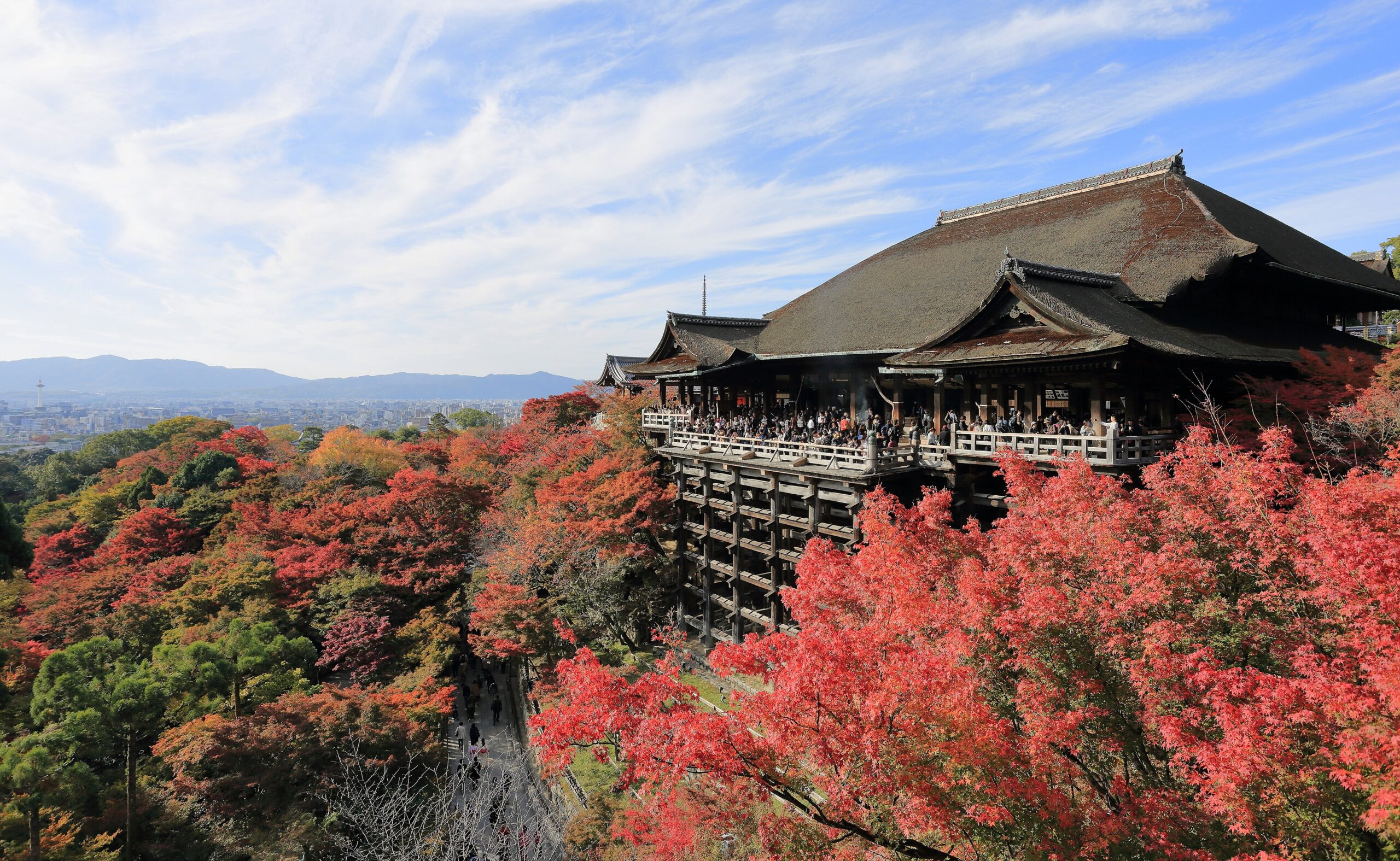
Kyoto
Japan · East Asia
Japan's former imperial capital, a city of temples, gardens, craft workshops and kaiseki cuisine, and now home to some of the country's finest hotels.
Why visit
Why visit Kyoto
Kyoto was the seat of the imperial court for more than a thousand years, and it remains the place where Japan's traditional culture is most concentrated: Zen temples and their gardens, Shinto shrines, wooden townhouses, tea, ceramics, textiles and the geiko districts of Gion and Miyagawa-cho.
It is also a city that has changed quickly at the top end. Since 2019 a series of ambitious hotels has opened, several of them designed by leading Japanese and international architects, and its restaurants set the standard for kaiseki, the seasonal multi-course cuisine that grew out of the tea ceremony.
Explore
What to see
Walk the lanes of Higashiyama from Kiyomizu-dera to Yasaka Shrine, see the torii gates of Fushimi Inari at dawn, and visit the Zen gardens of Ryoan-ji and Daitoku-ji. Kinkaku-ji, Ginkaku-ji and Nijo Castle are the classic sights; the Katsura Imperial Villa, which requires a reservation, is one of the great works of Japanese architecture. Arashiyama, with its bamboo grove and river, fills a separate day, and the Kyoto City KYOCERA Museum of Art and the Kyoto National Museum reward a rainy one.
Hotels
Where to stay in Kyoto
Kyoto has gained a group of new luxury hotels since 2019, and the choice is best made by district. Aman Kyoto is set in a forest garden near Kinkaku-ji, and Park Hyatt Kyoto stands beside Kodai-ji in Higashiyama. Hotel The Mitsui Kyoto faces Nijo Castle and has its own hot spring, Six Senses Kyoto brings a wellness focus to Higashiyama, and Ace Hotel Kyoto, in a Kengo Kuma building, is the design-led choice downtown. Our guide to Kyoto's decade of new hotels compares them.
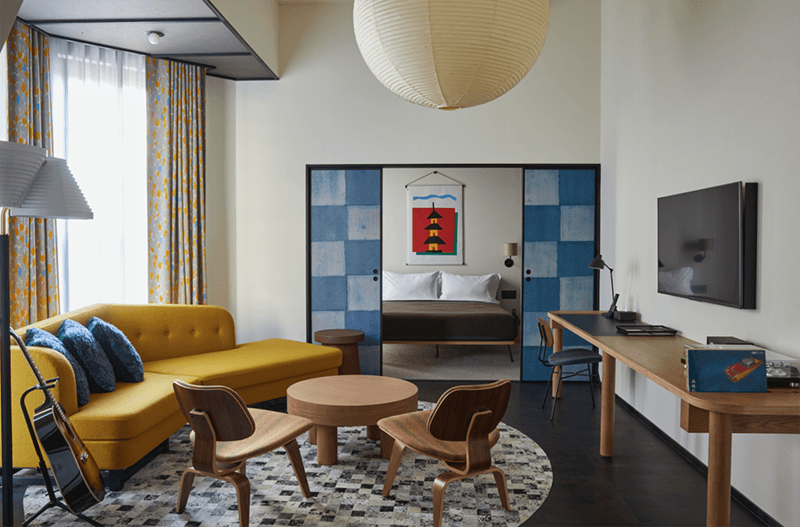 Karasuma Oike, central KyotoAce Hotel KyotoAce's first hotel in Asia: 213 rooms in a 1926 telephone exchange and a Kengo Kuma wing in central Kyoto.Explore →
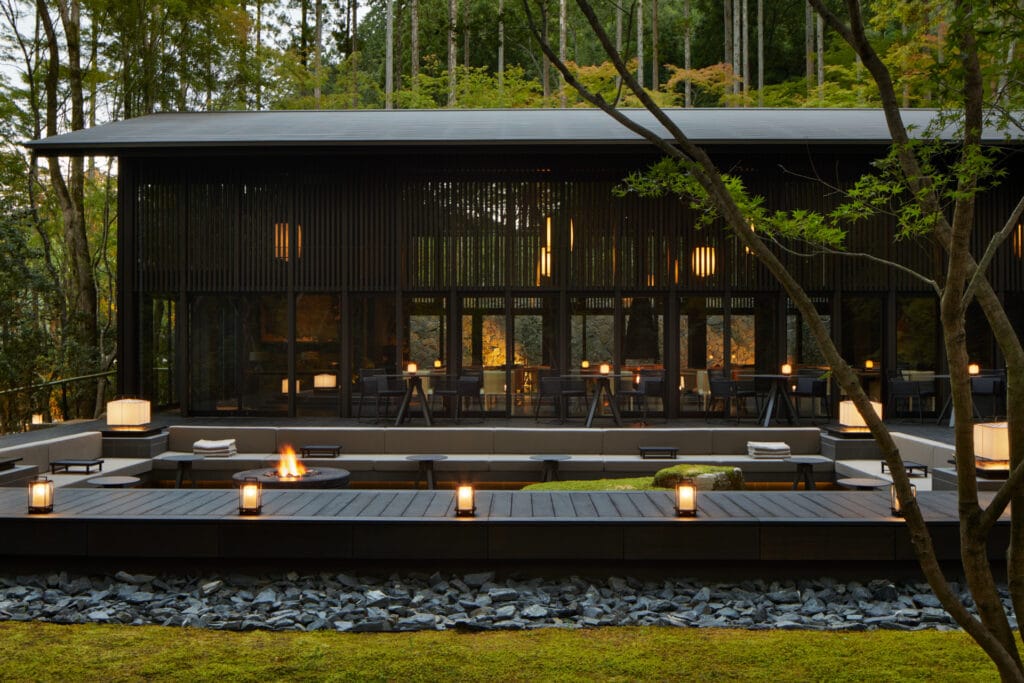 Aman · Northern Kyoto, near Kinkaku-jiAman KyotoTwenty-six rooms in six Kerry Hill pavilions, in a private forest garden in northern Kyoto near Kinkaku-ji.Explore →
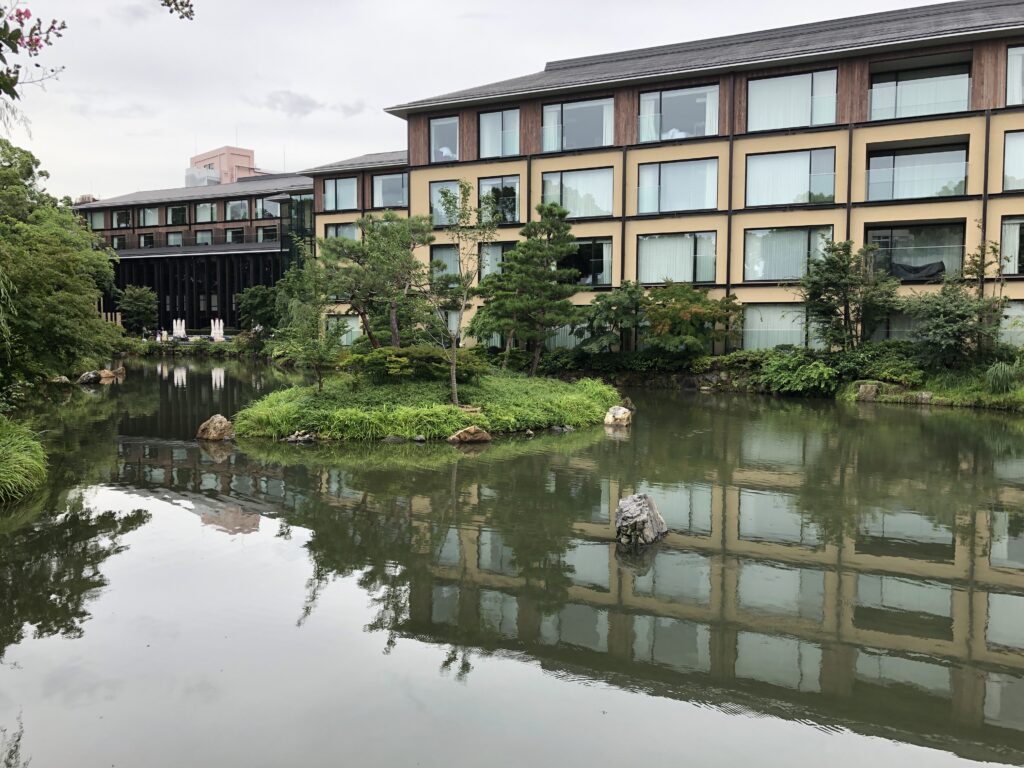 Four Seasons · HigashiyamaFour Seasons Hotel KyotoA low-rise Higashiyama hotel of 110 rooms and 13 suites around an 800-year-old pond garden.Explore →
The Journal
Latest on Kyoto
Before you go
Practical information
Best time to visit
Late March to mid-April for cherry blossom and mid-November to early December for autumn leaves are the most beautiful periods and by far the most crowded. May, early June and late October offer good weather with fewer visitors. Summers are hot and humid, with the Gion festival in July; winters are cold, quiet and often clear.
Getting around
Kyoto is about two hours and fifteen minutes from Tokyo by shinkansen and fifteen minutes from Osaka. Kansai International Airport is around 75 minutes away by direct train. Within the city, two subway lines, private railways and taxis cover most needs; buses are frequent but crowded on the main sightseeing routes. Many districts, including Higashiyama and Arashiyama, are best explored on foot, early in the morning.
Practical notes
The currency is the yen; cards are widely accepted but small restaurants and temples may take cash only. Kyoto charges an accommodation tax per person per night. Photography of geiko and maiko is restricted on private streets in Gion. Book restaurants, imperial sites and popular hotels well ahead for the blossom and autumn-leaf seasons.
Continue exploring
More from Japan
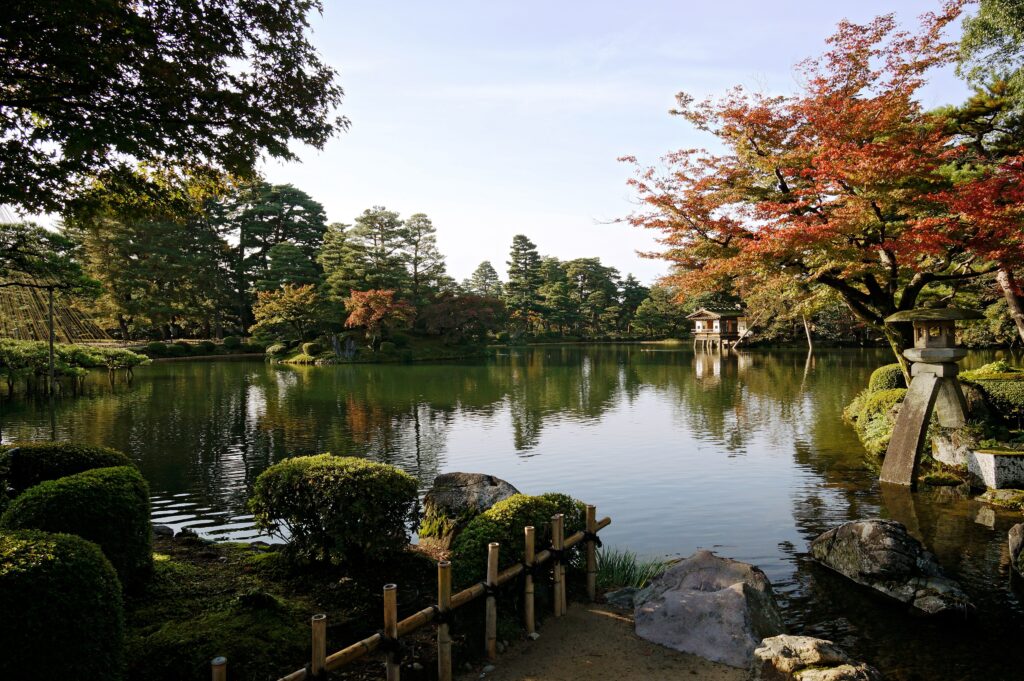 JapanKanazawaA feudal castle town that was never bombed: Kenrokuen garden, teahouse districts, gold leaf workshops and SANAA's 21st Century Museum, two and a half hours from Tokyo by shinkansen.Explore Kanazawa →
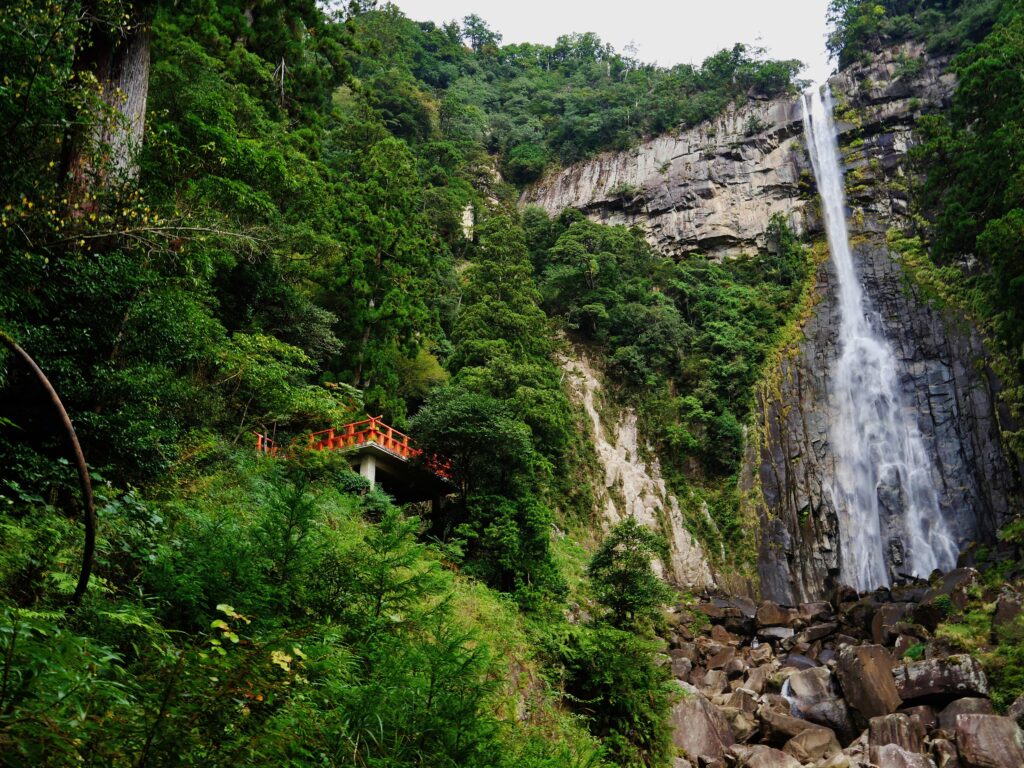 JapanKumanoThe sacred mountain heart of the Kii Peninsula, reached by a thousand-year-old network of pilgrimage trails.Explore Kumano →
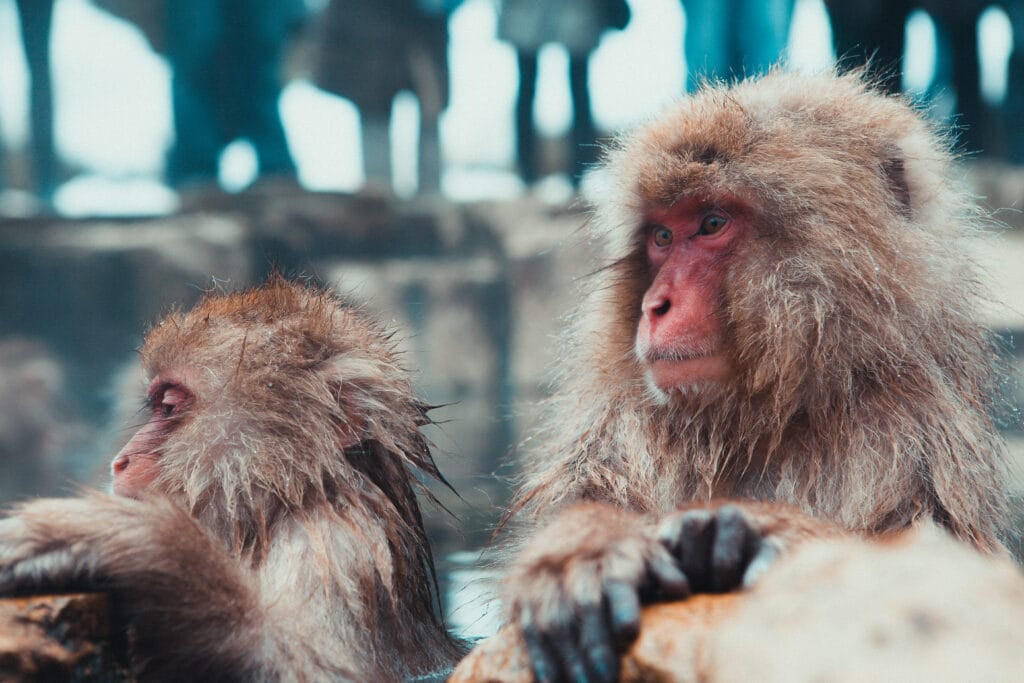 JapanNaganoA mountain prefecture in the Japanese Alps, with hot-spring towns, a historic temple city and the wild snow monkeys of Jigokudani.Explore Nagano →