Hong Kong
Greater China
A harbour city of grand hotels, seven three-star restaurants, a new waterfront museum district and a ferry, tram and rail network that makes it easy to cross.
Photo: The Peninsula Hotels
Why visit
Why visit Hong Kong
Hong Kong is a city you read by neighbourhood. Sheung Wan is Hollywood Road antique dealers, Man Mo Temple and a café strip on Tai Ping Shan Street. Wan Chai keeps old temples and the post office beside a bar and coffee street on Ship Street. In Kowloon, Mong Kok is the densest shopping district in the city, while Sham Shui Po, a working-class quarter far less visited, has the Apliu Street flea market and cooked-food stalls on Pei Ho Street. None of these is a theme-park version of itself; they are places people live and work.
The harbour ties it together. Crossing on the Star Ferry remains one of the great short journeys: the skyline from the water is the city’s defining image, and it changes by the hour. Behind the towers, the landscape turns green quickly. Lantau has stilt-house fishing at Tai O and the Tian Tan Buddha, 34 metres high, reached by cable car or on foot; Sai Kung and its islands are a boat ride from the shore.
Hong Kong also eats exceptionally well, from the dim sum of an ordinary morning to a roster of Michelin-starred rooms in which Cantonese cooking is the most represented cuisine. And the cultural scene has come of age. M+ and the Hong Kong Palace Museum now sit beside each other on the West Kowloon waterfront, and Tai Kwun has turned the old Central Police Station into a heritage and arts centre.
Explore
What to see
West Kowloon is the new museum district. M+, designed by Herzog & de Meuron with TFP Farrells and Arup, is a museum of modern and contemporary visual culture with 33 galleries across about 65,000 square metres, and an LED façade that shows commissioned artworks over the harbour each evening. Its collection covers art, design, architecture and the moving image, with an exceptional holding of Chinese contemporary art. The Hong Kong Palace Museum, a collaboration with the Palace Museum in Beijing, and the Xiqu Centre for Cantonese opera stand close by. A guide to Hong Kong’s museums and galleries sets out how to combine them.
In Central, Tai Kwun is the heritage counterpart. The compound brings together the former police station, the Central Magistracy and Victoria Prison, buildings dating from the mid-nineteenth to the early twentieth century and declared monuments in 1995. Sixteen historic buildings and spaces sit on a site of some 13,600 square metres, joined by two new buildings, JC Cube and JC Contemporary. The courtyards are free to enter.
Elsewhere, the best sights are movements rather than monuments. Take the Star Ferry between Central or Wan Chai and Tsim Sha Tsui, ride the north-shore trams, walk the Avenue of Stars and the Clock Tower in Tsim Sha Tsui, and browse Hollywood Road and Cat Street. For a day out, Tai O on Lantau is reached by bus from Tung Chung in about fifty minutes.
Hotels
Where to stay in Hong Kong
The choice in Hong Kong is first a choice of shore. Kowloon puts you on the waterfront with the best view of the skyline; the island puts you in the business district, closer to restaurants and bars; and the Southside is for families and Ocean Park.
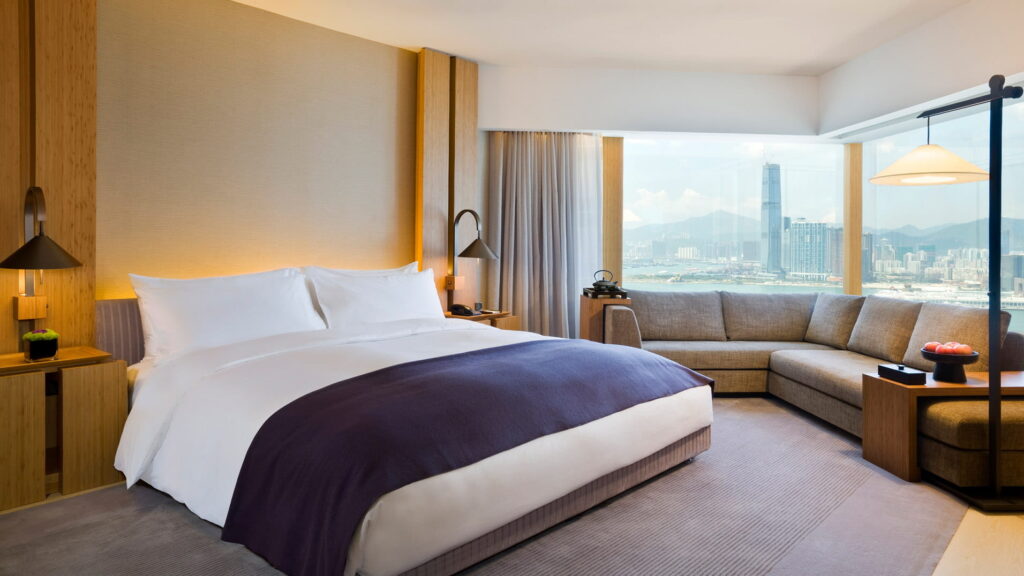
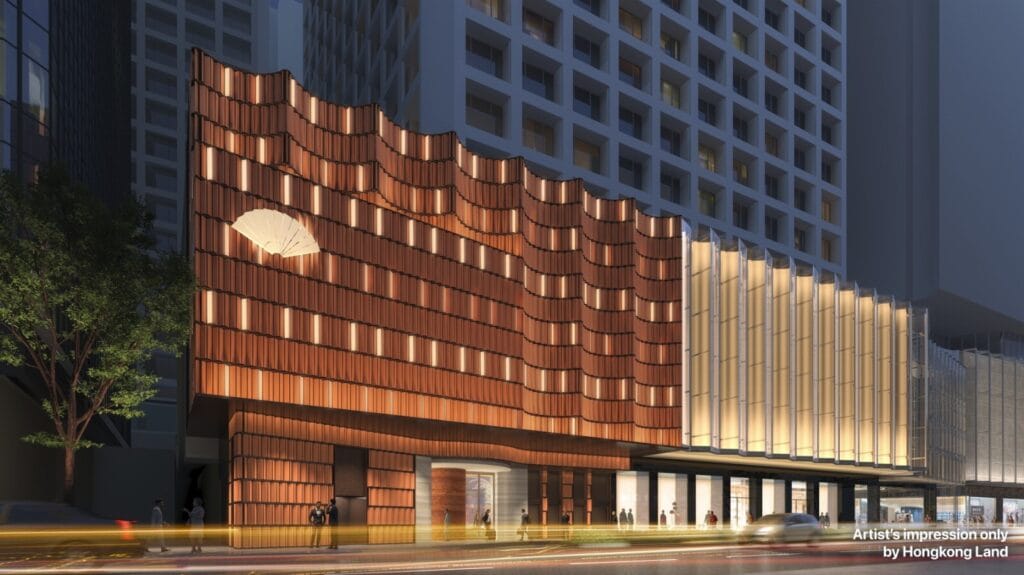 Mandarin Oriental · Central, Hong Kong IslandMandarin Oriental The Landmark, Hong KongIn the lower floors of a 1983 office tower in Central, the Landmark's hotel reopened in June 2026 with 109 rooms redesigned by Joyce Wang after the walled mansion houses of the New Territories.Explore →
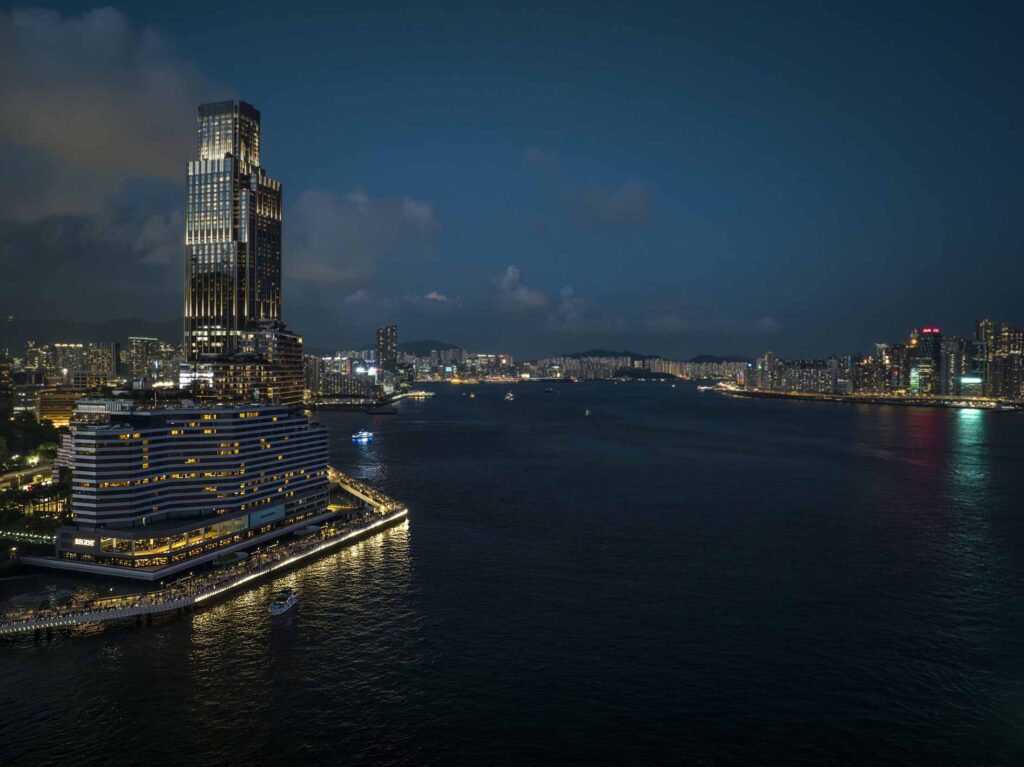 Regent · Tsim Sha Tsui, KowloonRegent Hong KongRegent's 1980 flagship outlived the waterfront complex it belonged to, and has returned under its first name, redesigned by an architect who watched it being built.Explore →
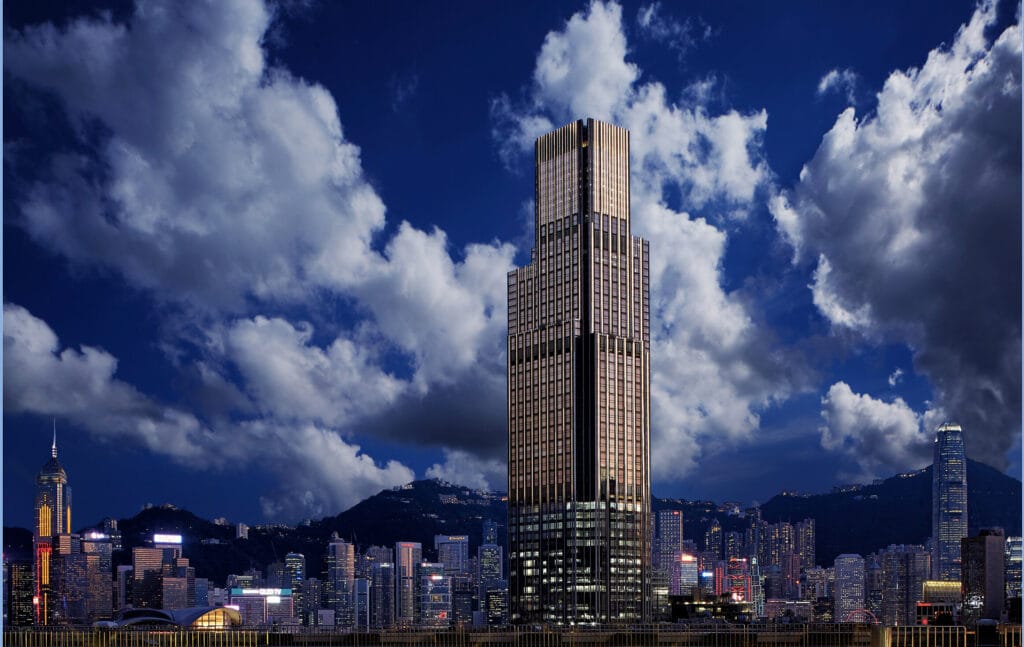 Rosewood · Tsim Sha Tsui, KowloonRosewood Hong KongRosewood's Hong Kong flagship fills the top 43 floors of a tower on Holt's Wharf, where the family behind it once built the New World Centre and where its chief executive, Sonia Cheng, grew up.Explore →
- Four Seasons Hotel Hong KongFour Seasons · Central, Hong Kong Island
- The Fullerton Ocean Park Hotel Hong KongSouthside (Ocean Park, Aberdeen)
- The Hari Hong KongWan Chai / Causeway Bay
- The Murray, Hong KongNiccolo · Central, beside Hong Kong Park
- The Upper HouseUpper House · Admiralty, Hong Kong Island
- Island Shangri-La, Hong KongShangri-La · Admiralty, Pacific Place
- Mandarin Oriental, Hong KongMandarin Oriental · Central
- Mondrian Hong KongMondrian · Tsim Sha Tsui, Kowloon
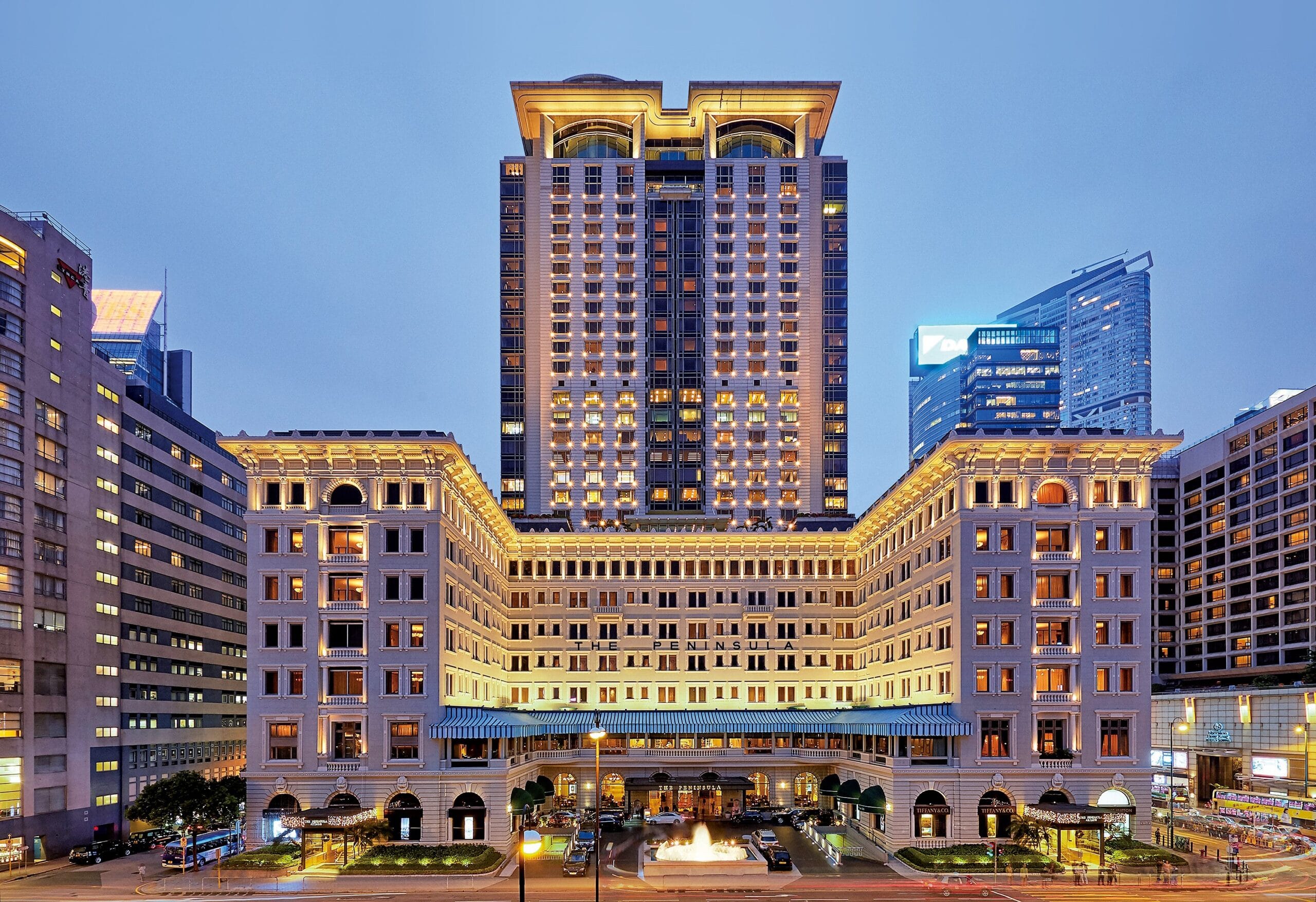
- The Peninsula Hong KongThe Peninsula · Tsim Sha Tsui, Kowloon
- The Ritz-Carlton, Hong KongThe Ritz-Carlton · West Kowloon, International Commerce Centre
- The St. Regis Hong KongSt. Regis · Wan Chai, Hong Kong Island
Dining
Where to eat in Hong Kong
Cantonese cooking is the heart of the city’s table. It dominates Hong Kong’s Michelin list, and the 2026 guide puts seven restaurants at three stars: T’ang Court and Forum for Cantonese cooking, Amber and Caprice for French, Otto e Mezzo Bombana for Italian, Sushi Shikon for sushi and Ta Vie for tasting menus. Stars change each year, so check the current guide.
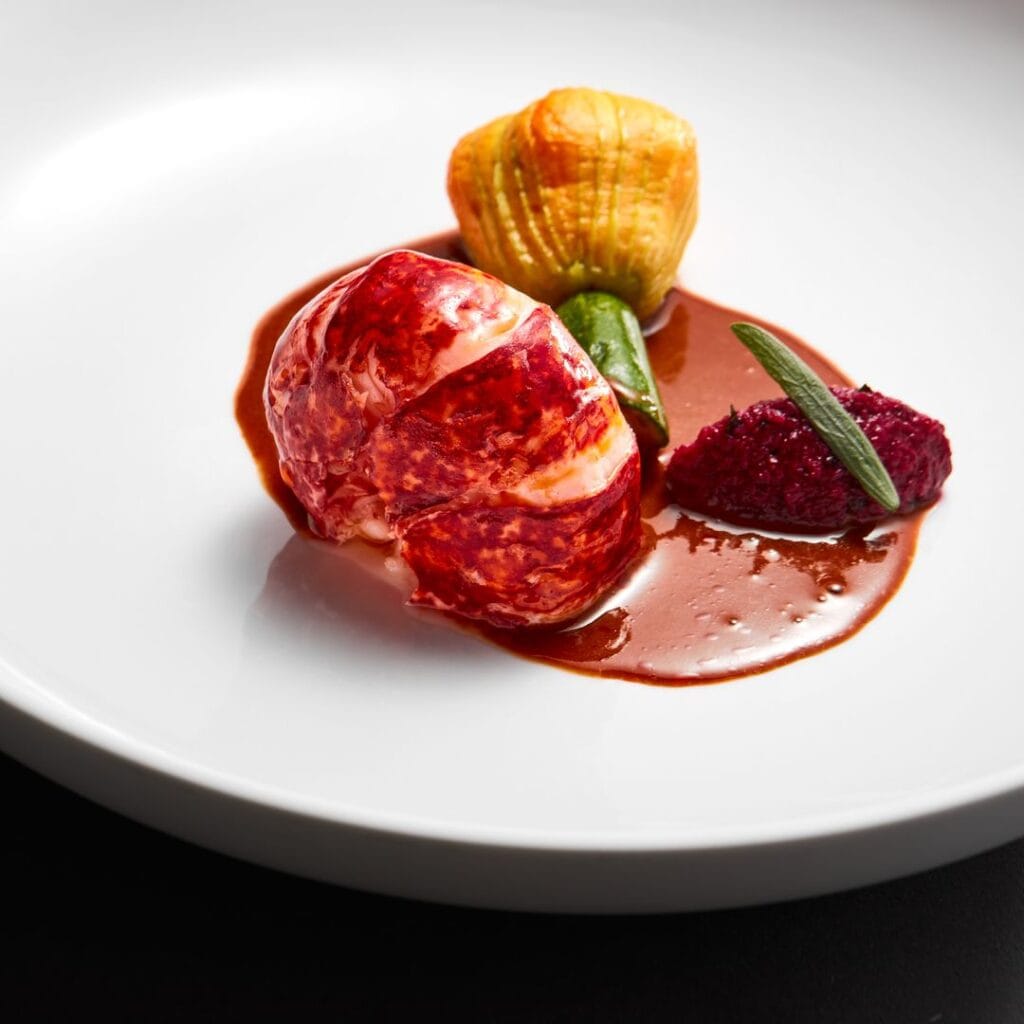 French · Central, Hong Kong IslandCapriceGuillaume Galliot's French cuisine at Four Seasons Hotel Hong Kong; three Michelin stars.Explore →
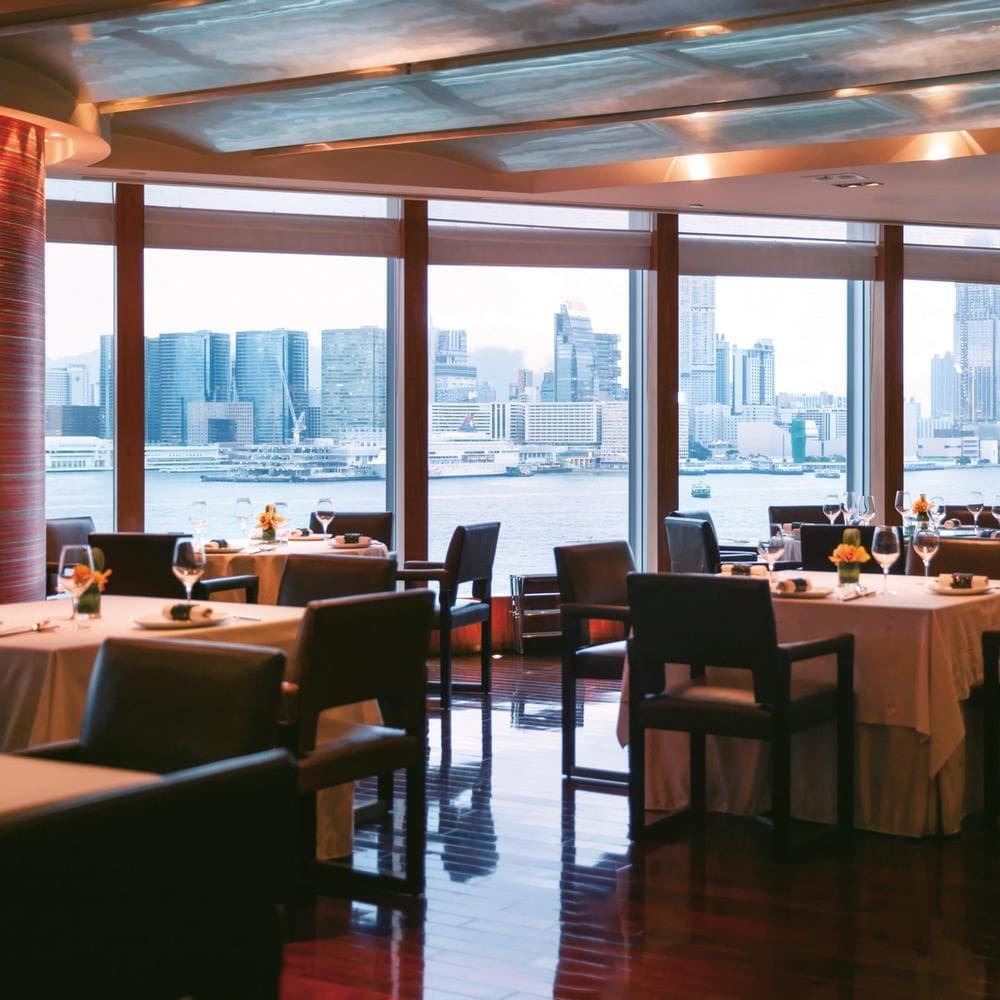 Cantonese · Central, Hong Kong IslandLung King HeenFour Seasons Hotel Hong Kong's Cantonese restaurant, known for dim sum and harbour views; two Michelin stars.Explore →
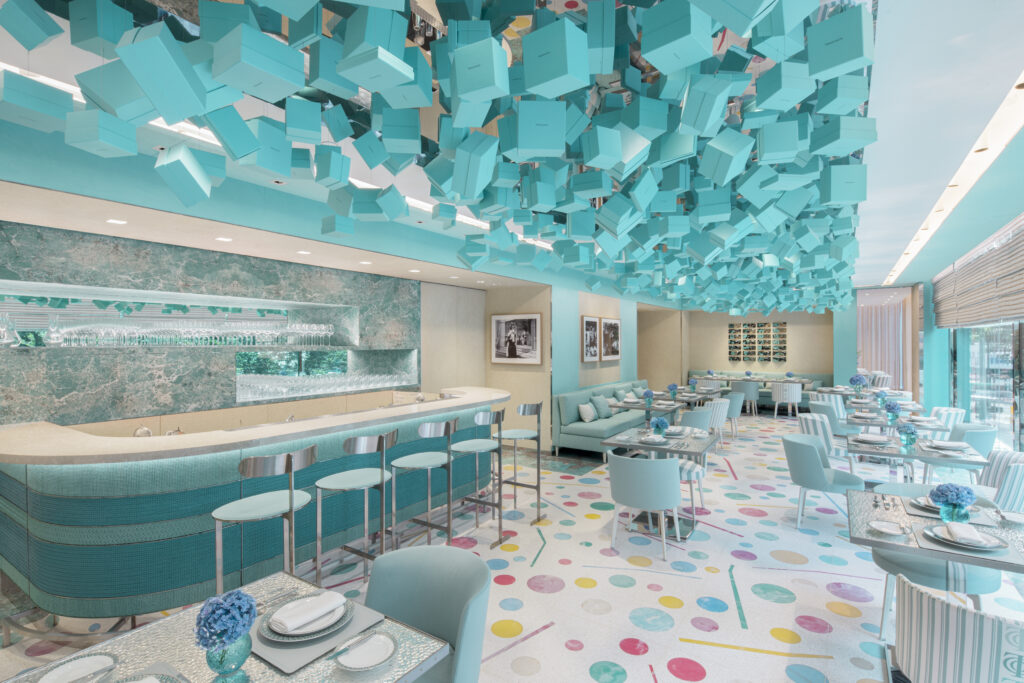 Contemporary · Causeway Bay, Hong Kong IslandTiffany Blue Box CaféTiffany & Co.'s all-day café inside its Lee Gardens flagship, with breakfast, afternoon tea and Sunday brunch shaped by Agustin Balbi of Andō.Explore →
Experiences
Experiences in Hong Kong
 Cruise & MaritimeCross Victoria Harbour on the Star FerryTake the 1888 ferry between Tsim Sha Tsui and Central for the classic view of the Hong Kong skyline.Explore →
 NatureExplore Hong Kong’s wetlands and migratory birds with an expertAt Mai Po, a Ramsar-listed reserve on the Chinese border, tens of thousands of migratory birds stop on the East Asian-Australasian Flyway. A guided visit is the way in.Explore →
The Journal
Latest on Hong Kong
 TravelThe Peninsula Hong Kong: The Story of the Grande Dame8 October 2026
- West Kowloon’s Two Museums: M+ and the Hong Kong Palace Museum Side by Side
- Breakfast at Tiffany’s, Hong Kong Edition: Inside the New Blue Box Café at Lee Gardens
- Hong Kong’s Cultural Decade: What Opened and How to See It
- The Landmark Mandarin Oriental Hong Kong Receives Two Michelin Keys
- Rosewood Hong Kong Tops the World’s 50 Best Hotels List Again
Before you go
Practical information
Best time to visit
Autumn (September to November) is the most pleasant season, sunny and dry, and Cathay Pacific names October to December as the ideal window for weather and outdoor activities. Spring (March to May) is mild; summer (June to August) is hot and humid; and winter (December to February) is cool and dry. Typhoon season peaks between July and September, and July to August is the choice for fewer crowds. The Rugby Sevens falls in late March or early April, Lunar New Year in late January or February, and Art Basel Hong Kong in March. The Cheung Chau Bun Festival takes place in early May.
Getting around
The Airport Express is the fastest way into town, reaching Hong Kong Island in about 24 minutes. The MTR is the main rail system and runs to the mainland border at Lo Wu and Lok Ma Chau. An Octopus card, a stored-value card for transport and some shops, is worth buying on arrival. It is also accepted on buses.
Read more
The Star Ferry links Central and Wan Chai with Tsim Sha Tsui, and the double-decker trams run along the island’s north shore. Taxis are metered and colour-coded: red for most of Hong Kong, green for the New Territories and blue for Lantau. Buses are air-conditioned, and Airbus A routes connect the airport with key locations. Beyond the city, the Hong Kong–Zhuhai–Macau Bridge and the West Kowloon high-speed rail station connect Hong Kong with the mainland and with Macau.
Practical notes
Octopus cards are accepted on buses, and the MTR applies size restrictions to luggage. Typhoon signals can disrupt travel between July and September, so check the Hong Kong Observatory before ferry or hiking plans.
Continue exploring
More from Greater China
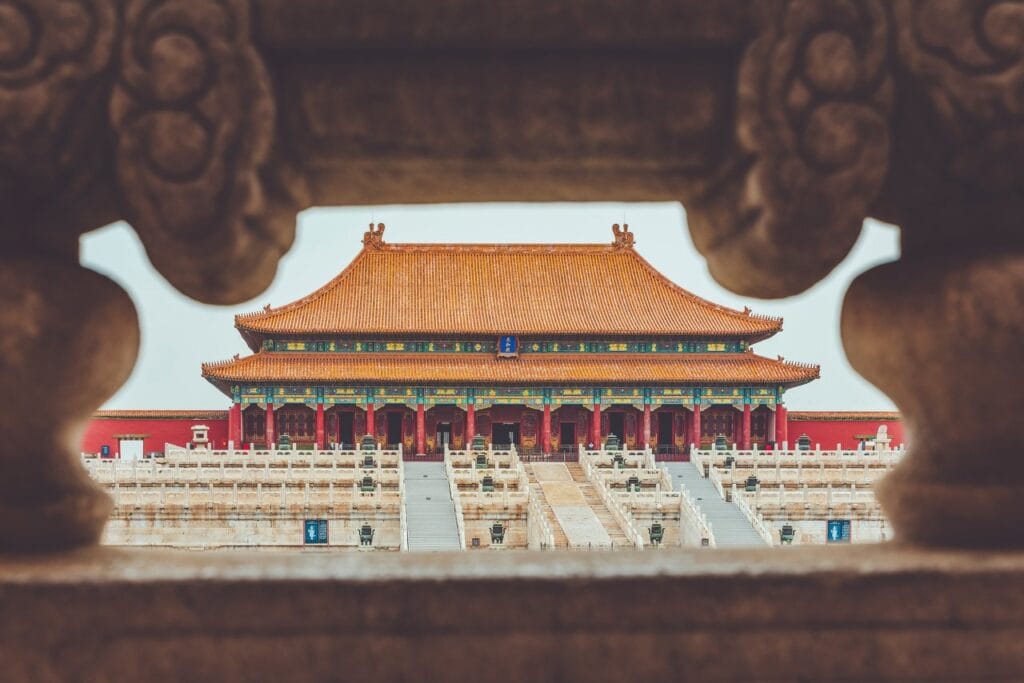 ChinaBeijingChina’s capital, laid out on a 7.8-kilometre Central Axis, with surviving hutong lanes, a contemporary-art district in a former East German-designed factory complex and a Michelin list led by Chaozhou and Taizhou kitchens.Explore Beijing →
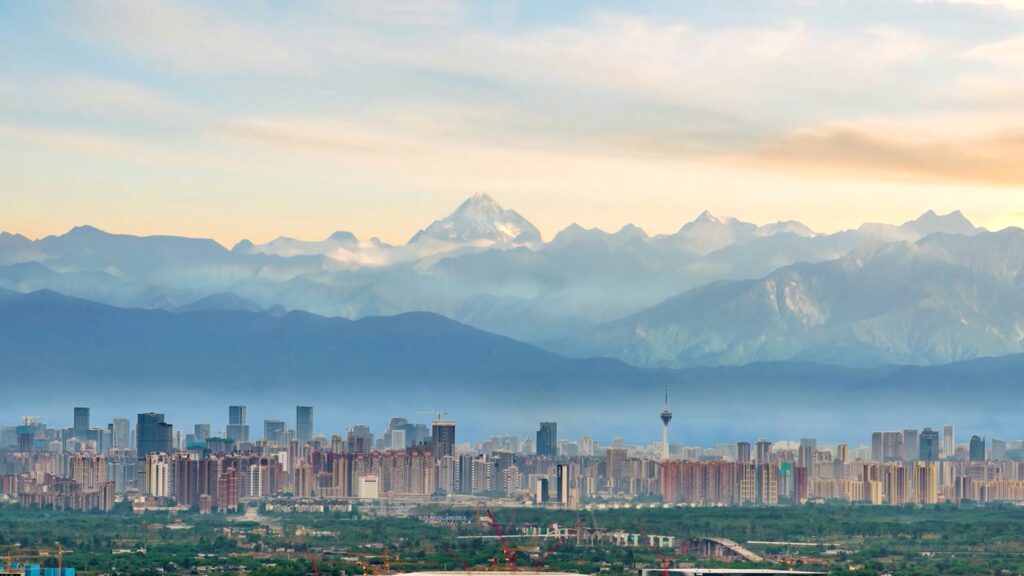 ChinaChengduThe capital of Sichuan: pandas, teahouses and the first three-star kitchen in the city’s Michelin Guide, with Leshan, Sanxingdui and Mount Qingcheng within a day’s reach.Explore Chengdu →
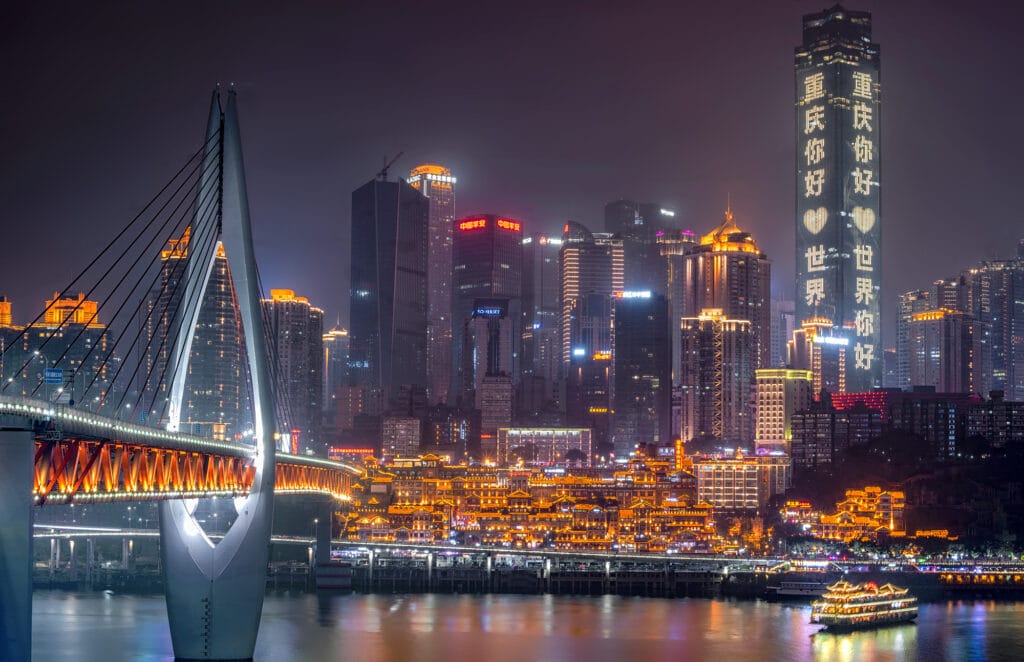 ChinaChongqingA municipality built on steep hills where the Jialing meets the Yangtze, known for hot pot, riverfront towers and the Dazu rock carvings.Explore Chongqing →