Beijing
China · Greater China
China’s capital, laid out on a 7.8-kilometre Central Axis, with surviving hutong lanes, a contemporary-art district in a former East German-designed factory complex and a Michelin list led by Chaozhou and Taizhou kitchens.
Why visit
Why visit Beijing
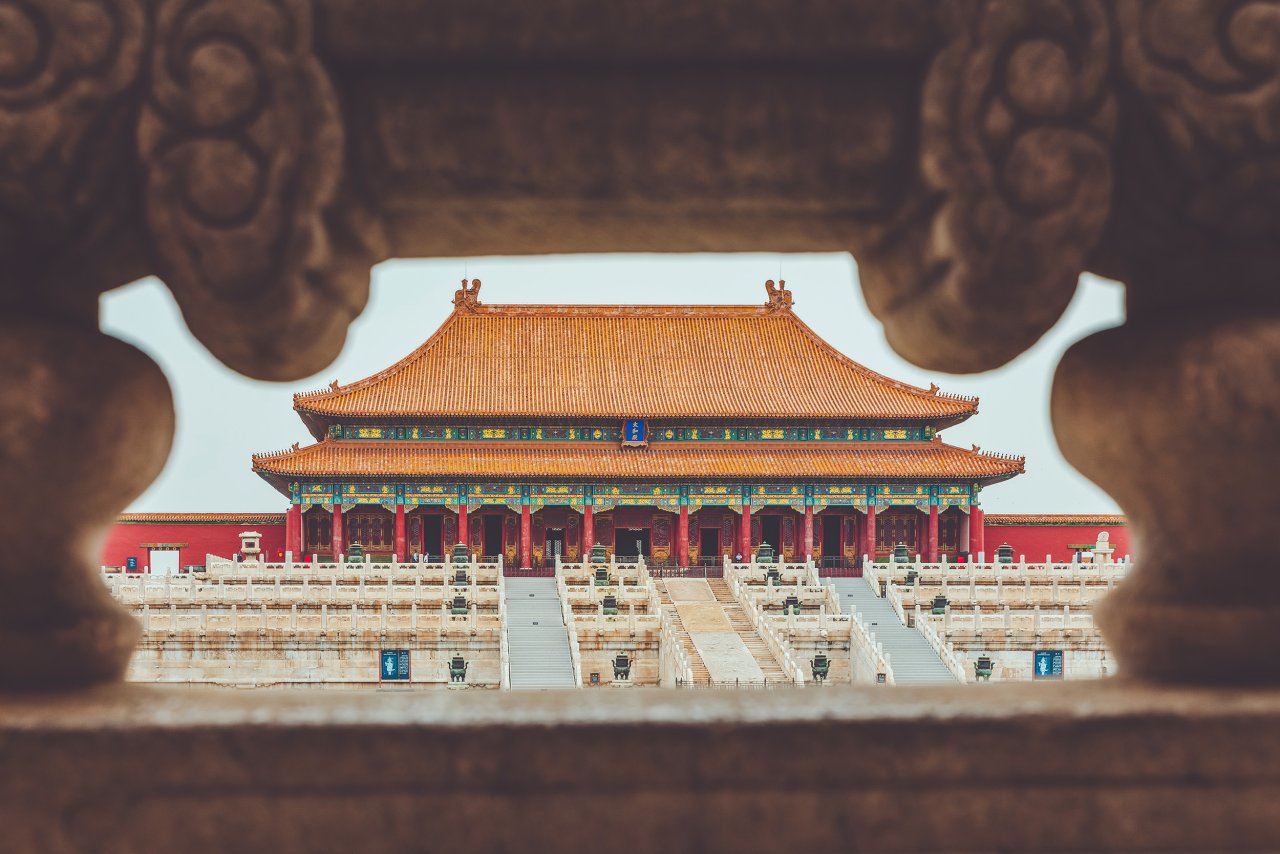
The scale of the plan is the first surprise. For some five centuries the Forbidden City was the working centre of the Ming and Qing empires, and the city was drawn around it with a geometry that still holds: a ceremonial axis, temples set symmetrically either side, markets at the northern end. South of the palace, the Temple of Heaven, where emperors made sacrifices for the harvest, sits in a park of 273 hectares. To the north-west, the Summer Palace is a lake garden whose Kunming Lake was made from a reservoir inherited from the Yuan capital.
Around the monuments, the lanes make the city human. Hutongs date from the Yuan dynasty and grew up in the spaces between courtyard houses; most have gone, but the fishbone lane patterns of Dongsi and the old canal quarter of Shichahai are still legible, and walking them at breakfast time, when baozi steamers and noodle counters are open, explains the city better than any palace. Wudaoying and Nanluoguxiang are the busy, polished ends of the scale. The quieter lanes behind them are where Beijing still lives in its courtyards.
The present-day city is worth the same attention. The 798 district grew out of a state electronics complex planned in the 1950s with East German help, whose sawtooth-roofed Bauhaus workshops were taken over by artists from the mid-1990s and now hold galleries such as UCCA and M Woods. Elsewhere, OMA’s CCTV headquarters and Zaha Hadid’s starfish-shaped Daxing terminal sit at one end of a spectrum whose other end is Ole Scheeren’s Guardian Art Center, built in small blocks that echo the scale of the courtyard houses beside it.
Explore
What to see
Start with the Forbidden City and Temple of Heaven. Tickets for the palace are real-name and tied to your passport, they go on sale a week before the visit date, and the site is closed on Mondays, so plan the rest of the day around a morning there. You enter by the Meridian Gate and leave by the northern or eastern gates, which leaves you close to the lakes and lanes of the old city. The Temple of Heaven, completed in 1420 alongside the palace, is the other fixed point; the circular Hall of Prayer for Good Harvests is linked to the Imperial Vault of Heaven by a raised sacred way.
The Summer Palace is a lake rather than a palace, and half a day is enough. Qianlong laid out the original garden in the mid-eighteenth century; it was largely destroyed in 1860 and restored in 1886. Combine it with the north-west of the city, or with a late-afternoon walk through the Drum and Bell Tower area, which closes the Central Axis at its northern end.
For the hutongs, begin at Gulou and drift towards Shichahai and the Lama Temple area. Nanluoguxiang is the best-known lane and the most crowded; Beiluoguxiang, nearby, is quieter, with third-wave cafés and cocktail bars. Wudaoying, beside the Lama Temple, is lined with shops and restaurants.
In the north-east, 798 repays a half-day. Galleries generally open from about ten to six and many close on Mondays, so go on a weekday afternoon or at the weekend. Caochangdi, a short taxi ride north, is grittier, gallery-led and far less visited. Check what is showing at UCCA and M Woods before you go.
The Great Wall is best taken in one section, chosen to suit the day. Badaling is the most accessible and the busiest; Mutianyu, wooded and quieter, has a flatter path that suits families and older visitors; Jiankou is steep and unrailed, and not for casual walkers.
Hotels
Where to stay in Beijing
Beijing is spread out, so the neighbourhood matters more than the hotel. The old city puts you within walking distance of the palaces and the lanes; Chaoyang is closer to business, the embassies and much of the dining; and the north-west is for the Summer Palace and early starts at the Wall.
- Beijing Yihe HotelSummer Palace, Haidian
- Bvlgari Hotel BeijingBvlgari Hotels & Resorts · Liangma River, Chaoyang
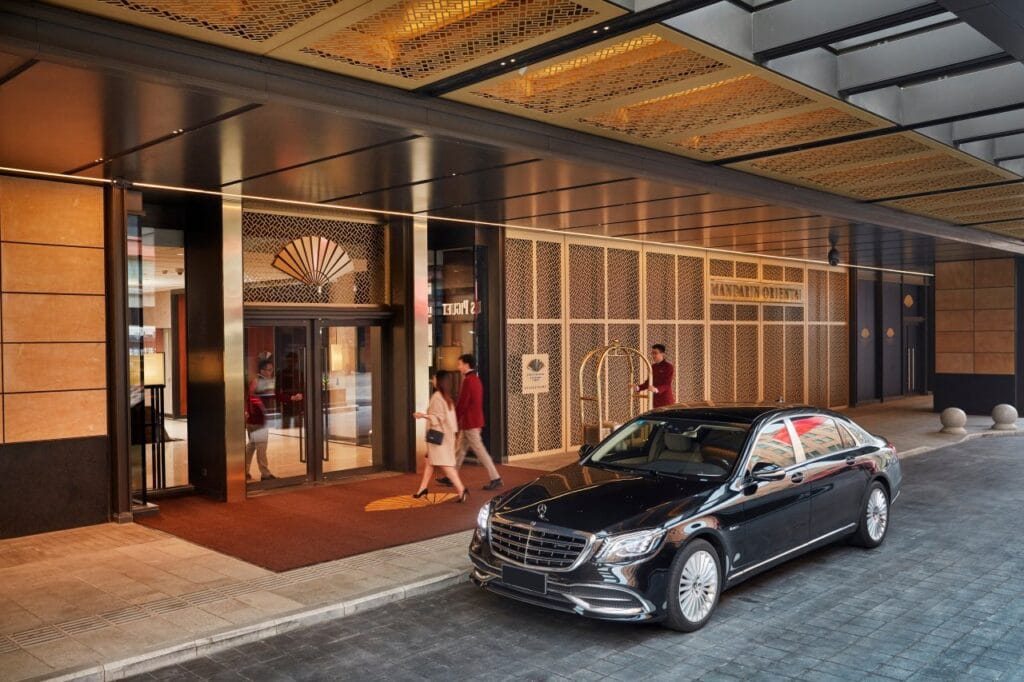
- Mandarin Oriental Qianmen, BeijingMandarin Oriental · Qianmen hutongs, Dongcheng
- Rosewood BeijingRosewood · Central Business District, Chaoyang
- The Opposite HouseThe House Collective · Sanlitun, Chaoyang
- The Peninsula BeijingThe Peninsula · Wangfujing, Dongcheng
- The PuXuan Hotel and SpaWangfujing, Dongcheng
Dining
Where to eat in Beijing
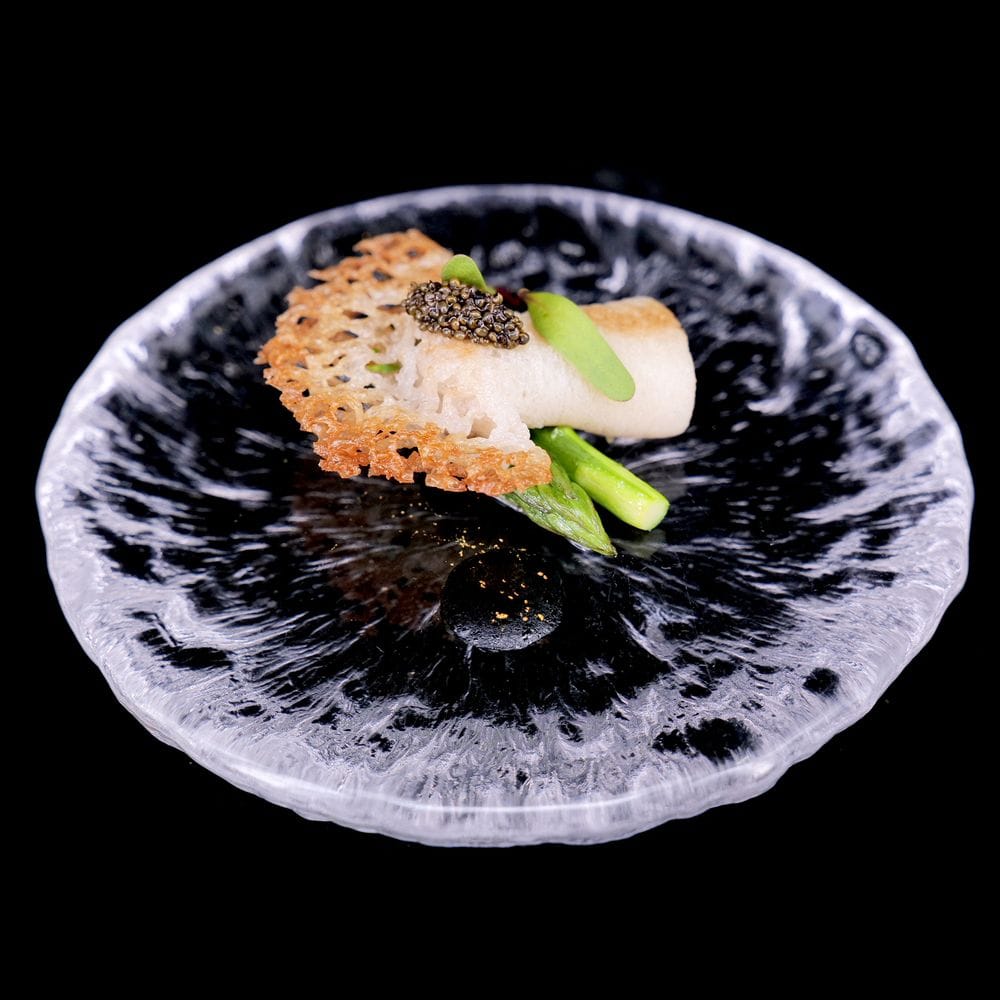
Peking duck is the dish everyone asks about, but the capital’s everyday eating is wheat-based and plain: baozi, noodles with soybean paste, and breakfast stews in the lanes. Eat that way for a morning or two, then book the serious tables. A fuller guide to eating in Beijing covers the duck houses.
Experiences
Experiences in Beijing

The Journal
Latest on Beijing
 CultureBeijing’s Central Axis Joins the UNESCO World Heritage List27 July 2024
- Six Senses Plans a Courtyard Retreat in Beijing’s Imperial Garden District
- Mandarin Oriental Qianmen Beijing Rises to No. 7 in the World’s 50 Best Hotels
- Fairmont Beijing Closes for a Complete Renovation
- Mandarin Oriental Wangfujing and Manolo Blahnik Map Beijing in an Afternoon Tea
- Mandarin Oriental Qianmen Opens in Beijing’s Hutongs
Before you go
Practical information
Best time to visit
Spring (March to May) and autumn (September to November) are the best seasons for the Wall and for walking the lanes. Avoid the Labour Day holiday, the Mid-Autumn Festival and National Day, when the major sights are at their most crowded. Summer is hot, which is a good reason to plan galleries and museums for midday; winter is cold, but suits a gallery-led visit. Great Wall opening hours change by season, so check before you set out.
Getting around
Beijing has two international airports, Capital (PEK) and Daxing (PKX), 67 kilometres apart on opposite sides of the city. Choosing the wrong one can cost about two hours on the first day, so check which your flight uses before you book a car. Capital has an express rail link into the centre. High-speed trains to Shanghai use Beijing South; trains to the south and west use Beijing West.
Read more
In the centre, the metro is the practical way to move. Wangfujing is on two lines and about a 15-minute walk from the Forbidden City’s east gate. To 798, the nearest stop is Gaojiayuan, around ten minutes on foot.
For the Great Wall, Badaling has a high-speed train from Qinghe or Beijing North that takes about 30 minutes. Mutianyu is reached by metro and bus, or by taxi from Tiananmen in about an hour and forty minutes. Jiankou takes around three and a half hours by public transport. Simatai is reached by coach from Dongzhimen to Gubei Water Town, then a shuttle.
Practical notes
Forbidden City tickets are real-name, tied to your passport, and released seven days before the visit date. At the Temple of Heaven, the cheaper gate ticket covers the park only, not the halls. Many galleries at 798 and the Forbidden City itself close on Mondays. Beijing’s heritage sights are spread across a large city, so group them by area rather than by theme.
Continue exploring
More from China
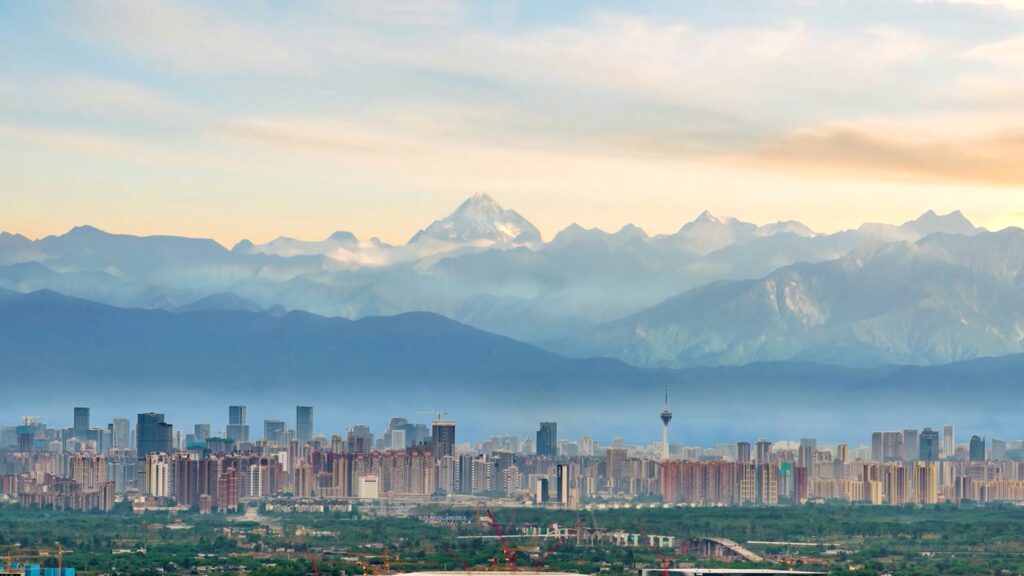 ChinaChengduThe capital of Sichuan: pandas, teahouses and the first three-star kitchen in the city’s Michelin Guide, with Leshan, Sanxingdui and Mount Qingcheng within a day’s reach.Explore Chengdu →
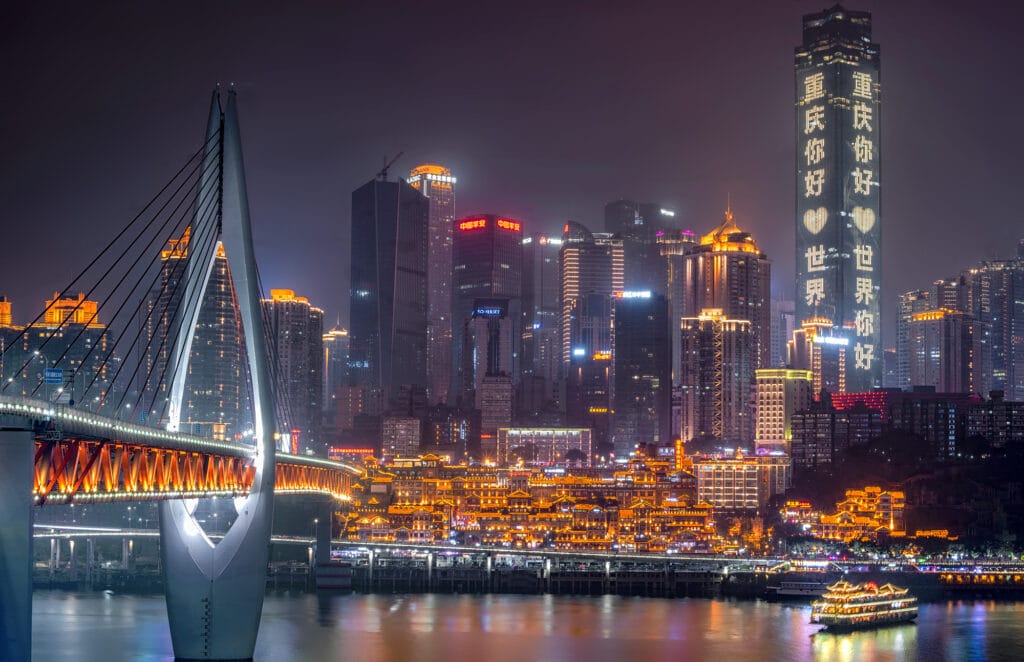 ChinaChongqingA municipality built on steep hills where the Jialing meets the Yangtze, known for hot pot, riverfront towers and the Dazu rock carvings.Explore Chongqing →
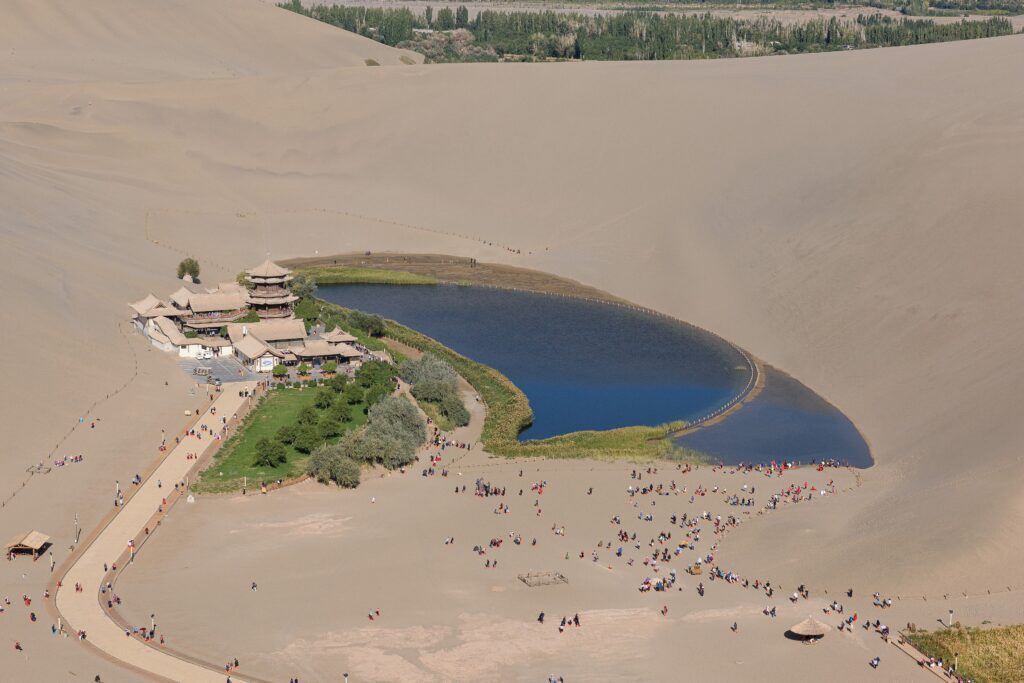 ChinaDunhuangA Silk Road oasis in Gansu, where Buddhist cave paintings, singing dunes and the ruined gates of the Han frontier lie within a day of one another.Explore Dunhuang →