Dunhuang
China · Greater China
A Silk Road oasis in Gansu: painted Buddhist caves, singing dunes and Han dynasty frontier forts.
Why visit
Why visit Dunhuang
The Mogao Caves hold the largest body of Buddhist wall painting in the world, made over a thousand years by those who passed through the oasis. They alone justify the journey.
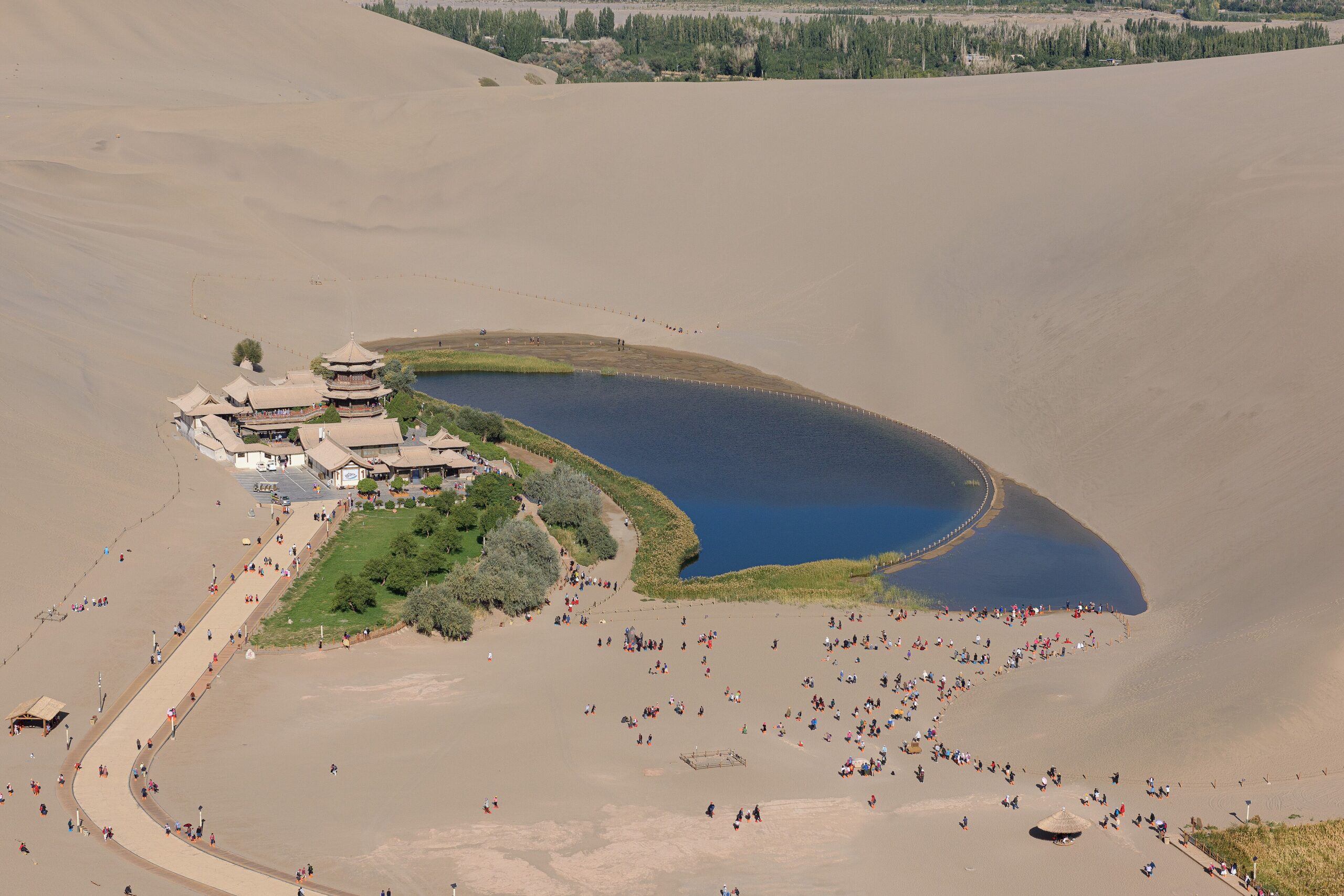
The setting completes the visit. Dunes rise directly south of the town, a spring-fed lake lies among them, and to the west the gates through which caravans left China still stand in the gravel desert. Our article on Dunhuang beyond the caves covers them.
Explore
What to see
Mogao Caves. About 735 caves in a cliff, nearly five hundred of them painted. Visits are guided, timed and capped, and the number of caves seen depends on the ticket type; see our guide.
Mingsha dunes and Crescent Lake. The Singing Sand Dunes and a crescent-shaped spring a few kilometres south of town. See our Experience.
Yumen Pass. The Jade Gate of the Han frontier, some 80 to 90 kilometres north-west, listed by UNESCO in 2014 with the Silk Roads.
Yangguan. The southern pass, about 70 kilometres south-west, of which a beacon tower remains on a hill.
Shazhou night market. An evening market in the town centre.
Experiences
Experiences in Dunhuang
The Journal
Latest on Dunhuang
Before you go
Practical information
Best time to visit
May, September and October are the best months. The climate is arid, with about 67 millimetres of rain a year. Summers are hot by day, and July and August are the most crowded. Winters are cold, with a January average near minus 8°C.
Getting around
Dunhuang has an airport with domestic flights and a railway station with long-distance services. The Mogao Caves are reached through the Digital Exhibition Centre near town, from which a shuttle runs to the caves; the dunes are a short taxi ride; the passes need a car and a full day.
Practical notes
Allow two to three days. Book the caves first and plan the rest around the ticket. Mogao uses timed, real-name admission with daily limits, booked through the Dunhuang Academy's official reservation channels (an official WeChat service or its website, which has a route for foreign passports); the Academy says it has not authorised third-party ticket agents. The visit starts at the Digital Exhibition Centre, and visitors should arrive about half an hour before their slot. Distances in the desert are long and there is little shade: carry water and sun protection.
Continue exploring
More from China
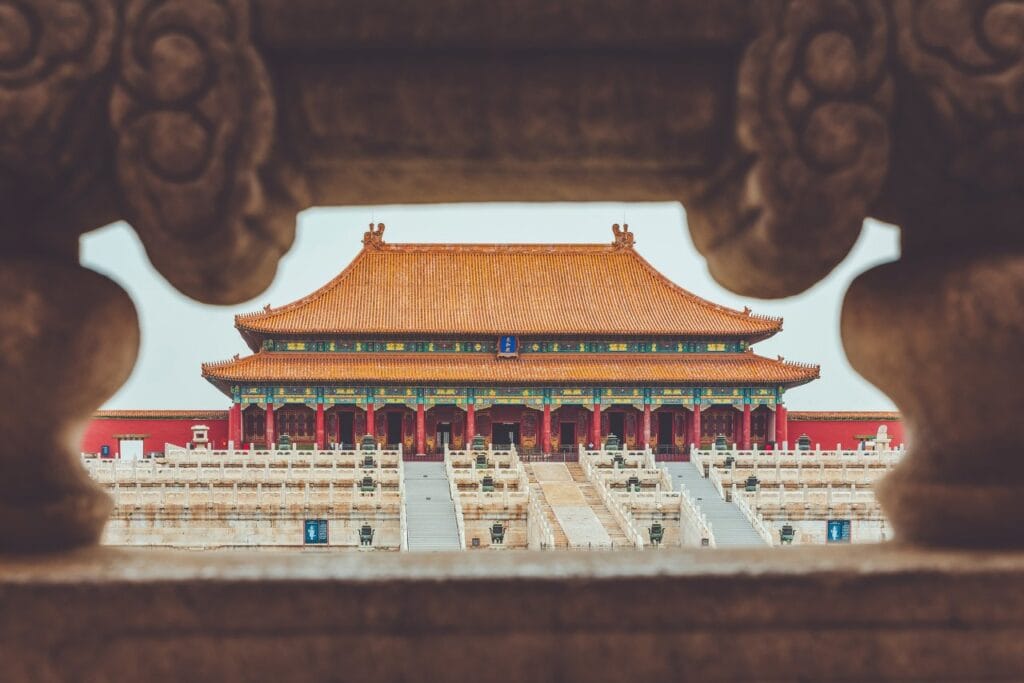 ChinaBeijingChina's imperial capital: Forbidden City, hutong lanes and Great Wall, with Peking duck and a new wave of refined restaurants.Explore Beijing →
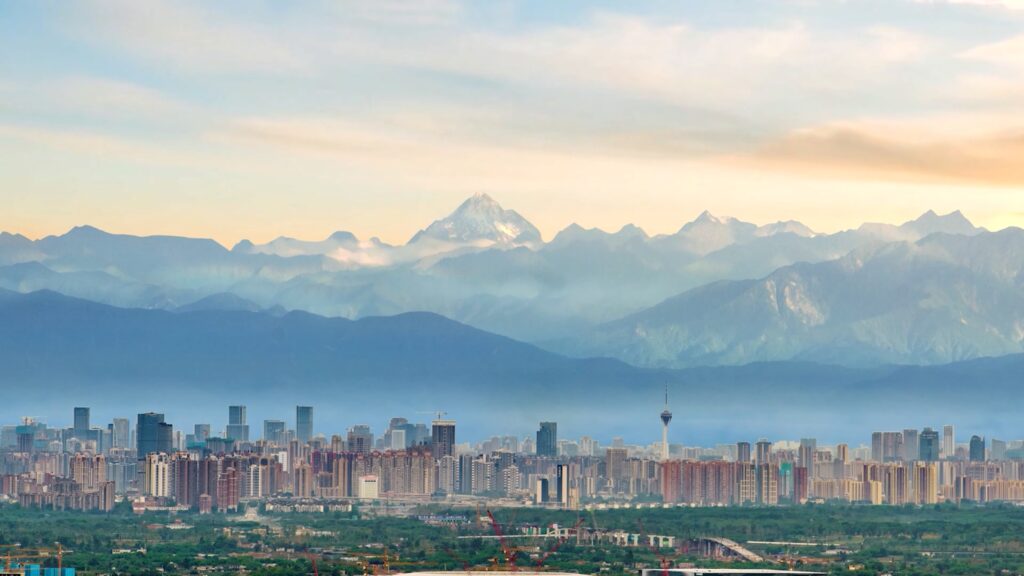 ChinaChengduSichuan's capital and UNESCO City of Gastronomy: numbing, fragrant cuisine, teahouse culture and an unhurried way of life.Explore Chengdu →
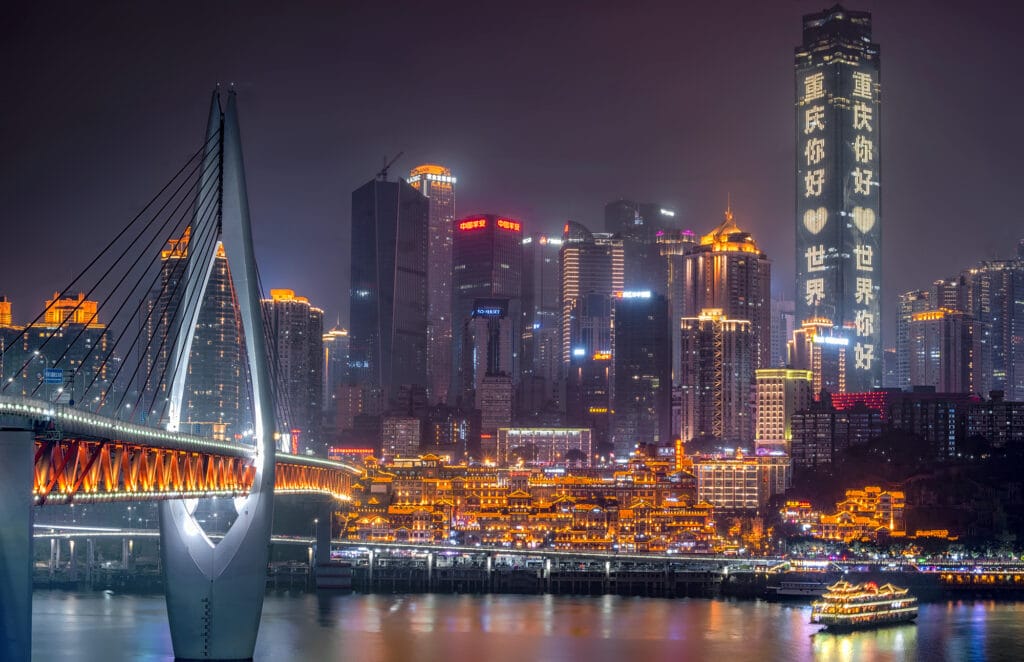 ChinaChongqingMountain city at the confluence of the Yangtze and Jialing rivers, famous for fiery hotpot and a neon-lit vertical skyline.Explore Chongqing →