Guangzhou
China · Greater China
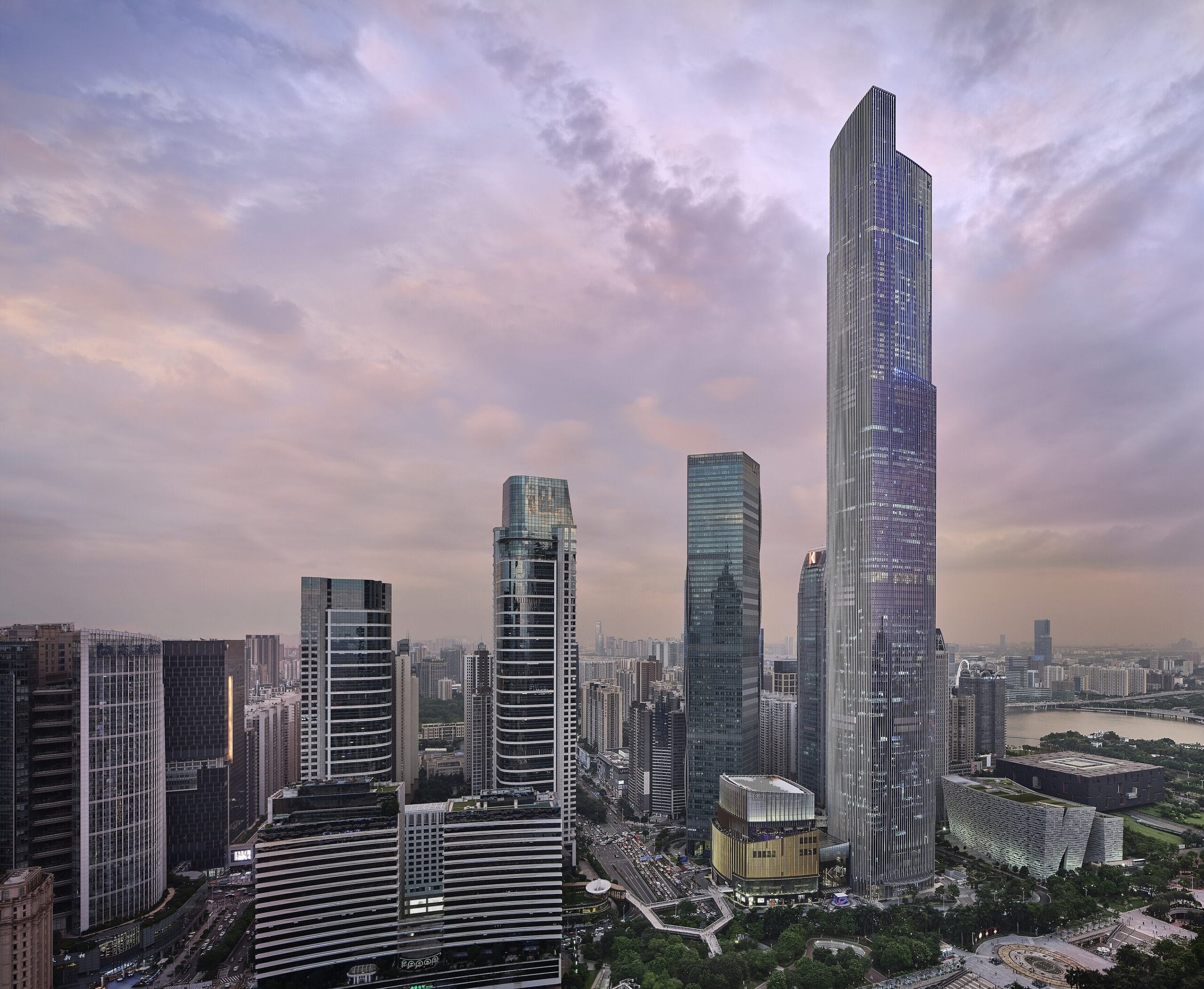
The Pearl River capital of Cantonese cooking, with the Shamian concession, Zaha Hadid’s opera house and two record-height hotels.
Photo: Rosewood Guangzhou
Why visit
Why visit Guangzhou
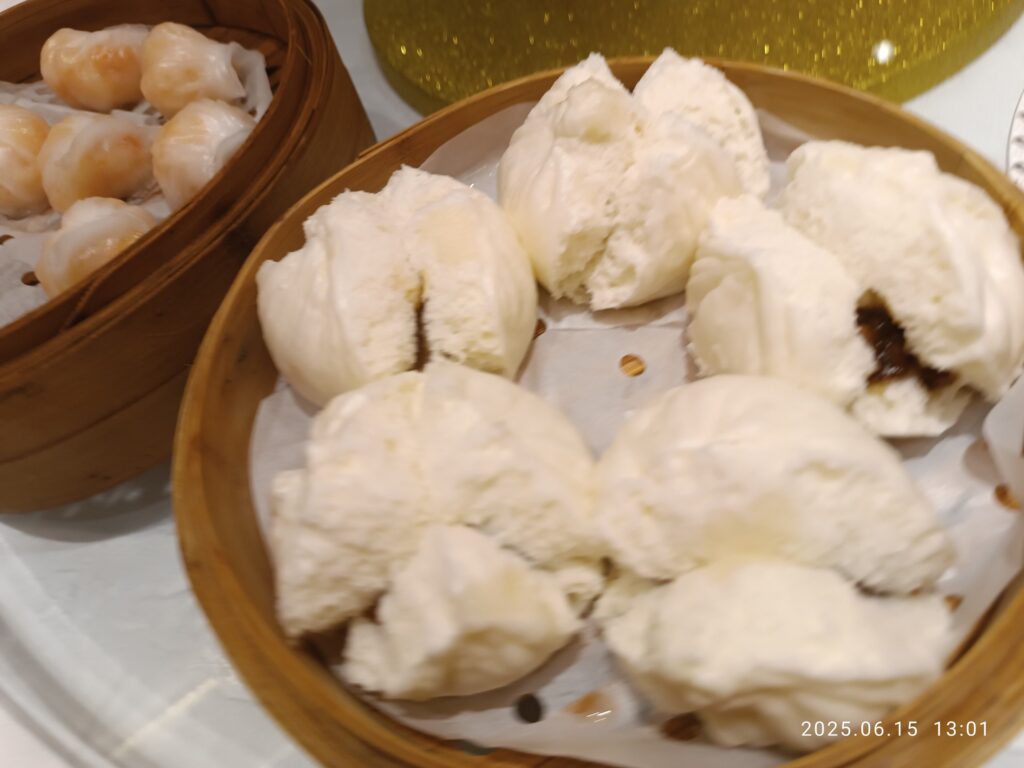
Guangzhou is where Cantonese cooking is eaten at its source, and the ritual that defines it is morning tea. Yum cha is dim sum eaten with tea, sometimes for hours, with the staff refilling the pot throughout, and “一盅两件”, a pot of tea and two pieces, is the classic form. Everyday greetings and invitations are phrased around tea: “have you had tea yet?” The city has recently given the habit legal protection, with a regulation on Guangzhou morning tea and a first list of 40 traditional morning-tea shops.
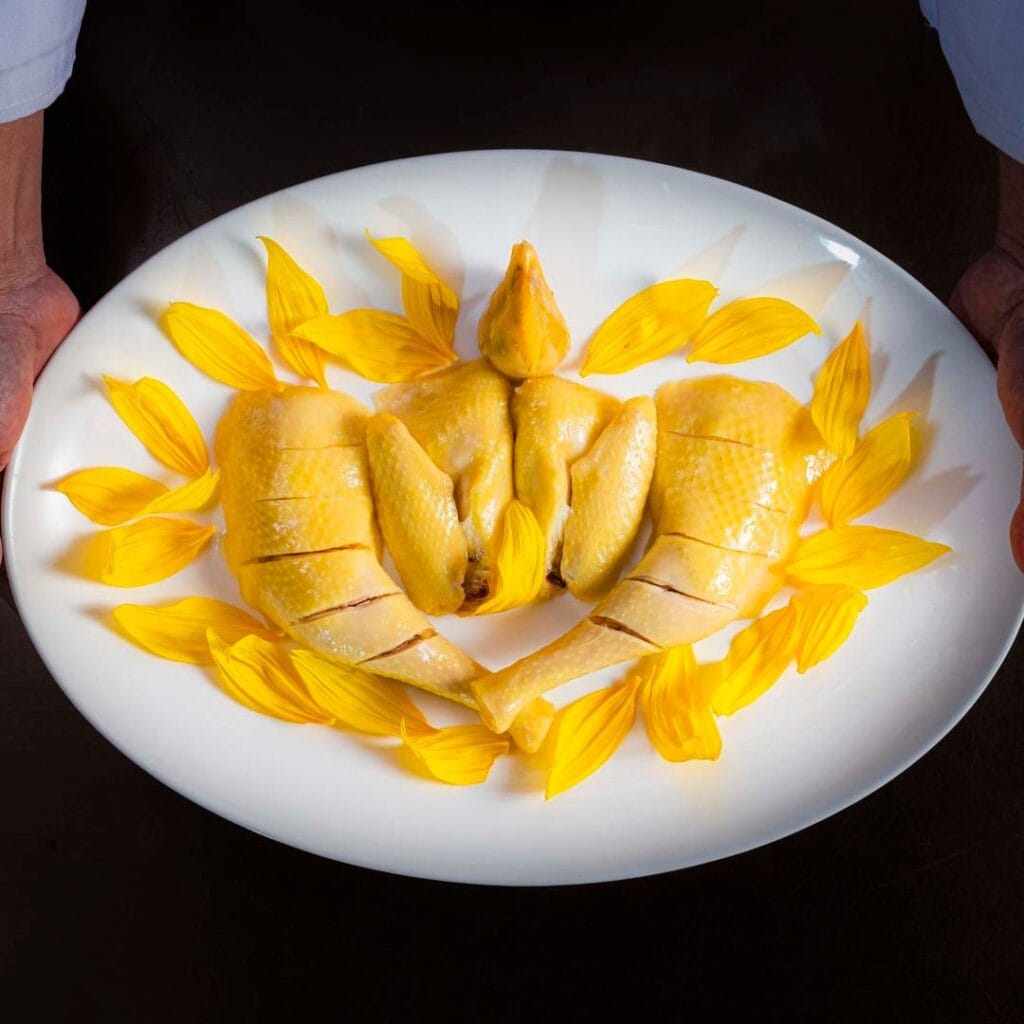
The rest of the Cantonese table follows. There are roast meats such as char siu, siu yuk and roast goose, wonton noodles, white-cut chicken and claypot rice; congee; and slow-boiled soups simmered for hours and varied with the season. Liwan, around Shangxiajiu, Enning Road and Yongqingfang, is the best place for teahouses and dessert shops, and Yuexiu has classic restaurants, noodle shops and markets close together.
The other reason is the contrast, on a single river. Shamian Island keeps its 150-plus European-style buildings, of which 53 are nationally protected; across town, the Canton Tower stands about 600 metres tall and Zaha Hadid’s opera house, inaugurated in 2010, was her first completed building in China.
Explore
What to see
On Shamian Island, the Xidi district keeps traces of the era when Guangzhou was the empire’s only trading port. The Chen Clan Ancestral Hall, built in 1894, is the largest and best-preserved ancestral hall of its kind in China. Yongqingfang is the old Xiguan architecture cluster, now full of heritage shops and cafés. Yuexiu Park has the Five Rams Sculpture and Zhenhai Tower, built in 1380, and the Canton Tower has observation decks at 433, 450 and 488 metres.
For architecture, the Guangzhou Opera House and the Guangzhou Museum of Art, whose new building opened on the south bank of the Pearl River in late 2023, are the main stops, and the Guangdong Provincial Museum holds 166,000 items. A guide to Guangzhou beyond dim sum links the old city, the opera house and the skyline.
Hotels
Where to stay in Guangzhou
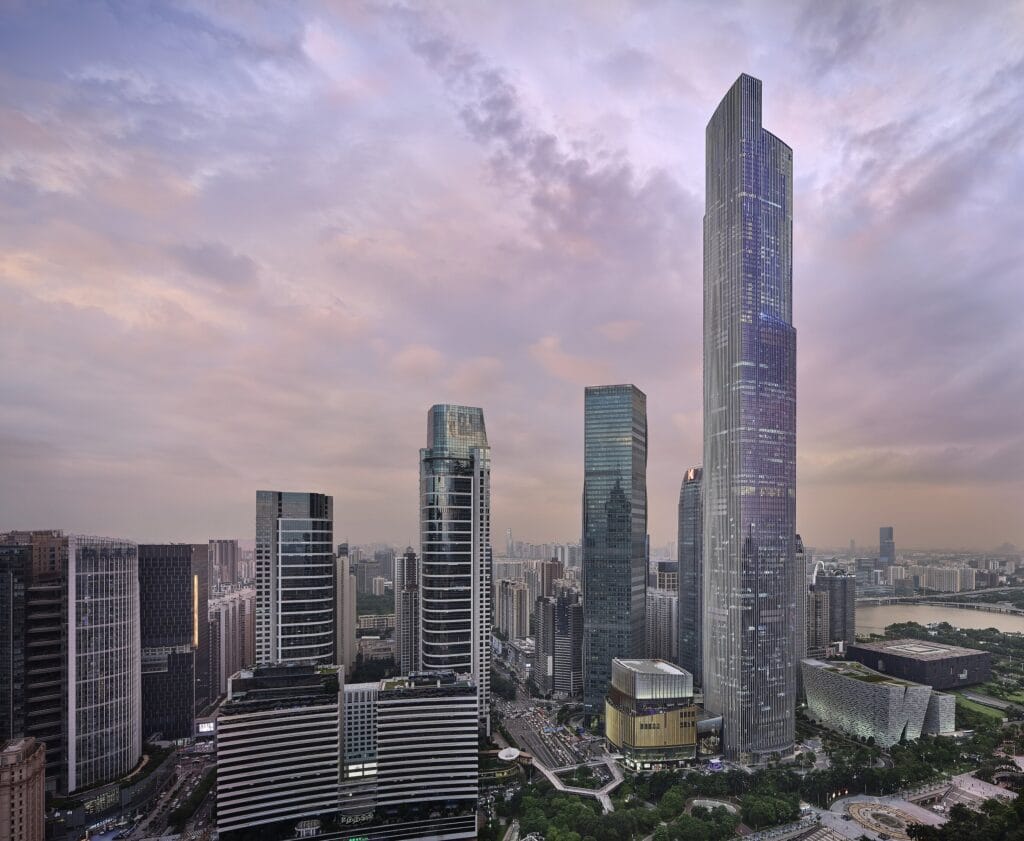
Guangzhou has two centres, and the choice follows. Shamian Island and Liwan are the old city, with walkable lanes, heritage and teahouses. Zhujiang New Town, on the north bank of the Pearl River, is the modern business district, with views of the Canton Tower and easy metro connections.
Dining
Where to eat in Guangzhou
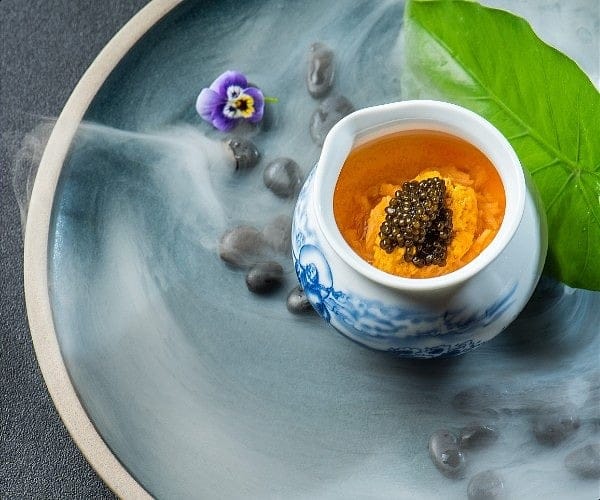
Guangzhou’s starred restaurants are overwhelmingly Cantonese. In the 2026 MICHELIN Guide, two restaurants hold two stars, Yu Bao Xuan (御宝轩) and Jiang He Tai An Men (江和泰安门), and 16 or 17 hold one, among them Xin Ji and Yu Yue Heen. The guide’s Bib Gourmand list runs to 52. Check the current guide, as ratings change each year.
The Journal
Latest on Guangzhou

Before you go
Practical information
Best time to visit
Guangzhou has no harsh winter, which makes it a year-round destination, though summers are hot and humid.
Getting around
The metro is the most reliable way to travel between attractions. Line 3 or Line 5 serves Zhujiang New Town, and Baiyun International Airport connects to downtown by Line 3. High-speed trains from Hong Kong or Shenzhen arrive at Guangzhou South or Guangzhou East. Reach Shamian Island via Huangsha Station.
Practical notes
Guangdong Provincial Museum entry is free but requires advance booking with ID, with tickets released one week ahead. The Chen Clan Ancestral Hall closes on Tuesdays except statutory holidays. Herbal tea shops sell dark, sometimes bitter drinks, so ask about the flavour before ordering a large serving.
Continue exploring
More from China
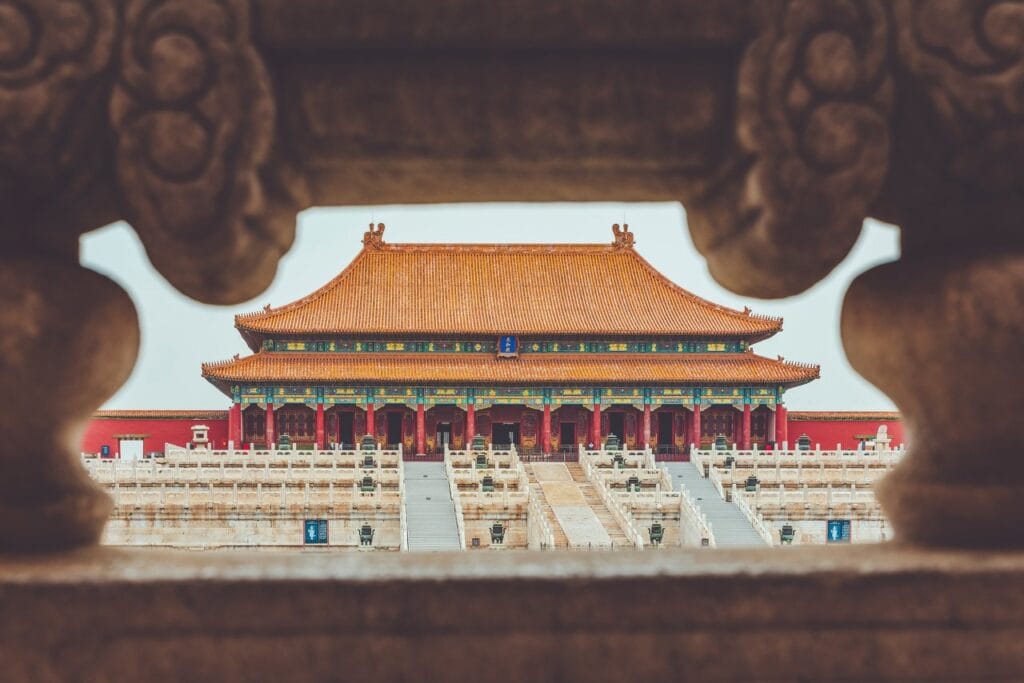 ChinaBeijingChina’s capital, laid out on a 7.8-kilometre Central Axis, with surviving hutong lanes, a contemporary-art district in a former East German-designed factory complex and a Michelin list led by Chaozhou and Taizhou kitchens.Explore Beijing →
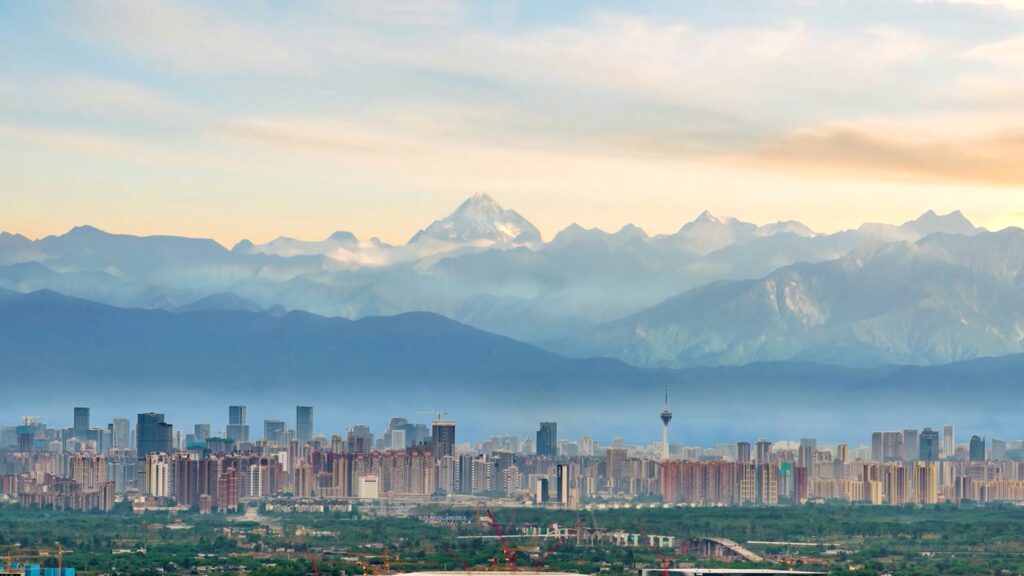 ChinaChengduThe capital of Sichuan: pandas, teahouses and the first three-star kitchen in the city’s Michelin Guide, with Leshan, Sanxingdui and Mount Qingcheng within a day’s reach.Explore Chengdu →
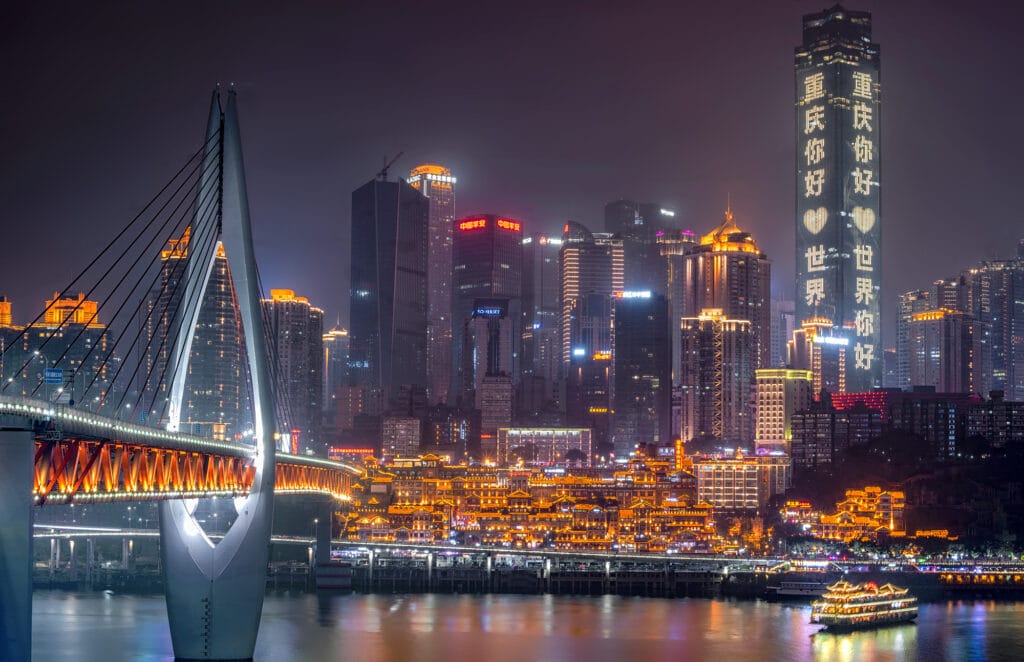 ChinaChongqingA municipality built on steep hills where the Jialing meets the Yangtze, known for hot pot, riverfront towers and the Dazu rock carvings.Explore Chongqing →