A Gastronomic Guide to Guangzhou
Guangzhou eating, from the unhurried morning ritual of yum cha to refined Cantonese dining and the soups, roast meats and desserts in between.
Photo: MeiOLA 2290 WMENSZ / Wikimedia Commons
Cantonese cooking is a cuisine of restraint. In Guangzhou, where it was formed, the aim is not to disguise ingredients but to show them at their freshest, and the day is organised around meals that take their time.
Cooking that prizes freshness
Guangzhou cooking favours freshness, texture and technique over heavy seasoning. Steaming, poaching, double-boiling and brief wok cooking keep ingredients close to their natural flavour, and the city’s slow-boiled soups, simmered for hours and varied by season, are the clearest expression of the idea. Clay-pot rice is cooked to order for its crisp bottom layer, so allow extra time. Roast meats, from char siu to roast goose with plum sauce, are the other pillar, usually eaten with rice.
Desserts are lighter than the Western idea: double-skin milk pudding, ginger milk curd and sesame soup.
Yum cha, the morning ritual
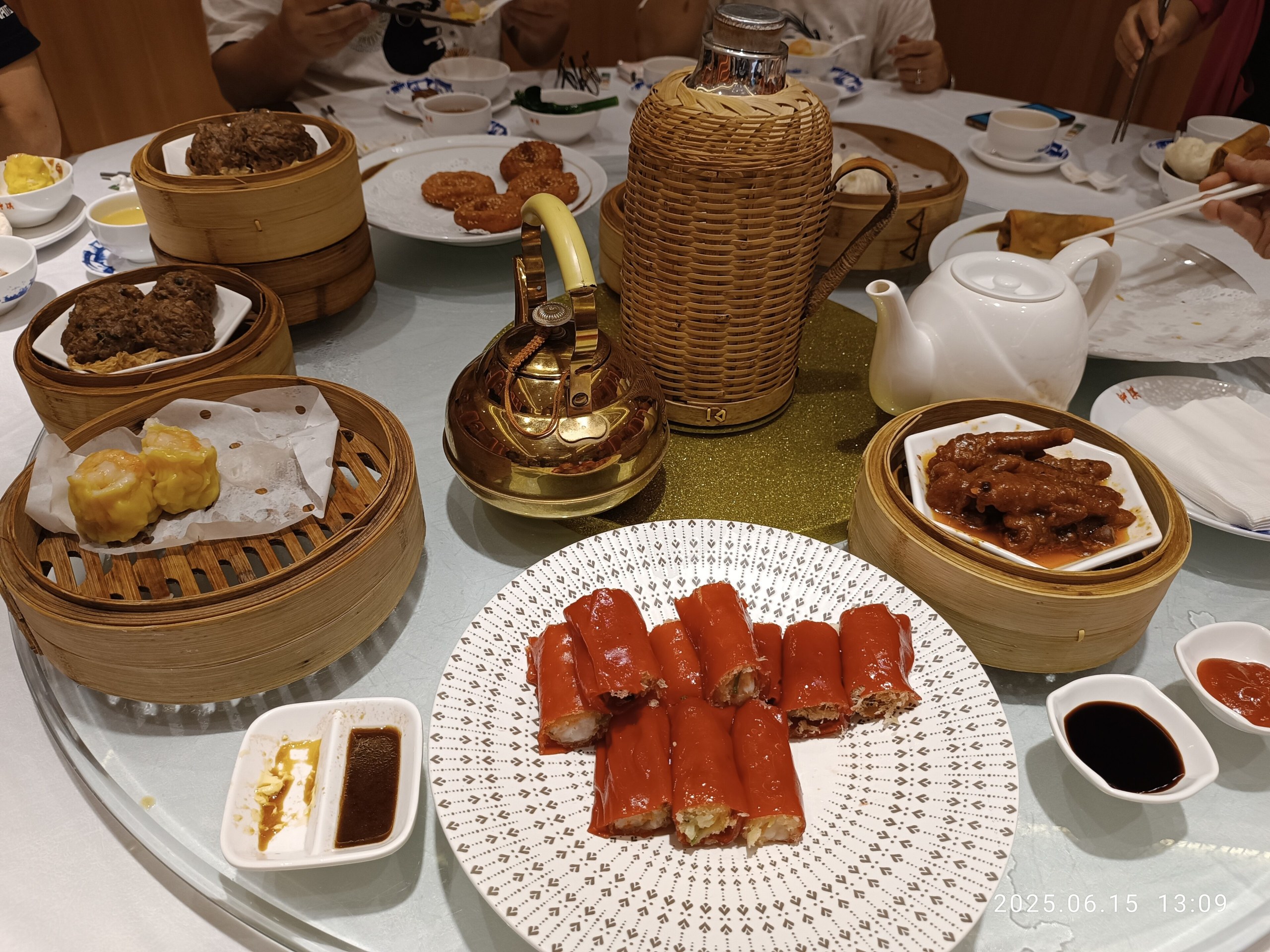
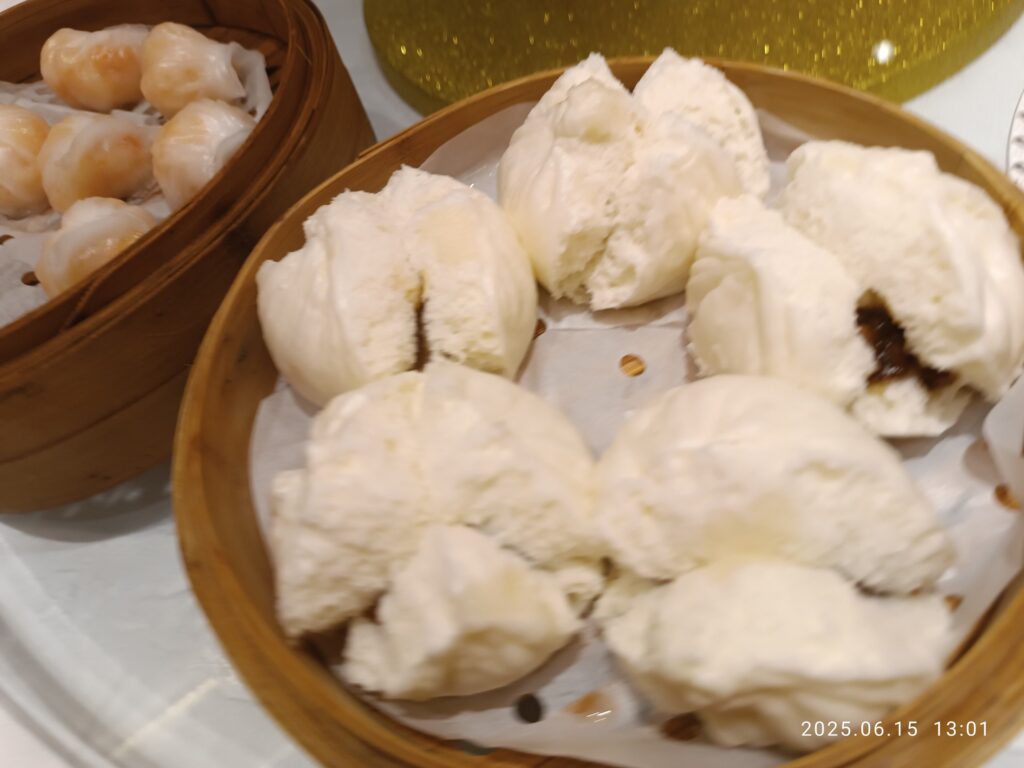
Yum cha means “drink tea”, and in practice it is a leisurely breakfast or brunch of tea and small shared dishes in bamboo steamers: shrimp dumplings, siu mai, barbecued-pork buns, rice rolls, and chicken feet in black bean sauce for the adventurous. Tea is part of the meal and not an afterthought; the pot is refilled with hot water throughout, and locals rinse their cups and pour for one another. Arrive early, from about half past seven, because weekends fill and many teahouses use numbered tickets.
Historic teahouses keep the tradition alive. Tao Tao Ju is the old-fashioned choice, while Guangzhou Restaurant shows the grander, banquet side of Cantonese cooking.
The yum cha experience in a Guangzhou teahouse sets out how it works.
Where the food is
Liwan is the historic district of teahouses and dessert shops around Shangxiajiu, Enning Road and Yongqing Fang, and it repays a walk a few streets off the main routes, where simpler places serve local regulars. Yuexiu has long-established restaurants, noodle shops and markets, while Tianhe and Zhujiang New Town offer polished restaurants and mall dining that suit groups and visitors who want reservations and easier ordering.
The cuisine reaches its most polished form in restaurants such as Lai Heen, where the emphasis is on technique and balance. The Michelin Guide now covers Guangzhou, so check the current edition for the latest recommendations.
Where to stay
White Swan Hotel is by the river on Shamian Island; Four Seasons Hotel Guangzhou and Rosewood Guangzhou look over the skyline from Zhujiang New Town.
Sources: WanderInChina: Guangzhou food guide; China Daily Bound: A food lover’s guide to Guangdong yum cha. Check the official websites for current information.
Stay
Hotels in this guide
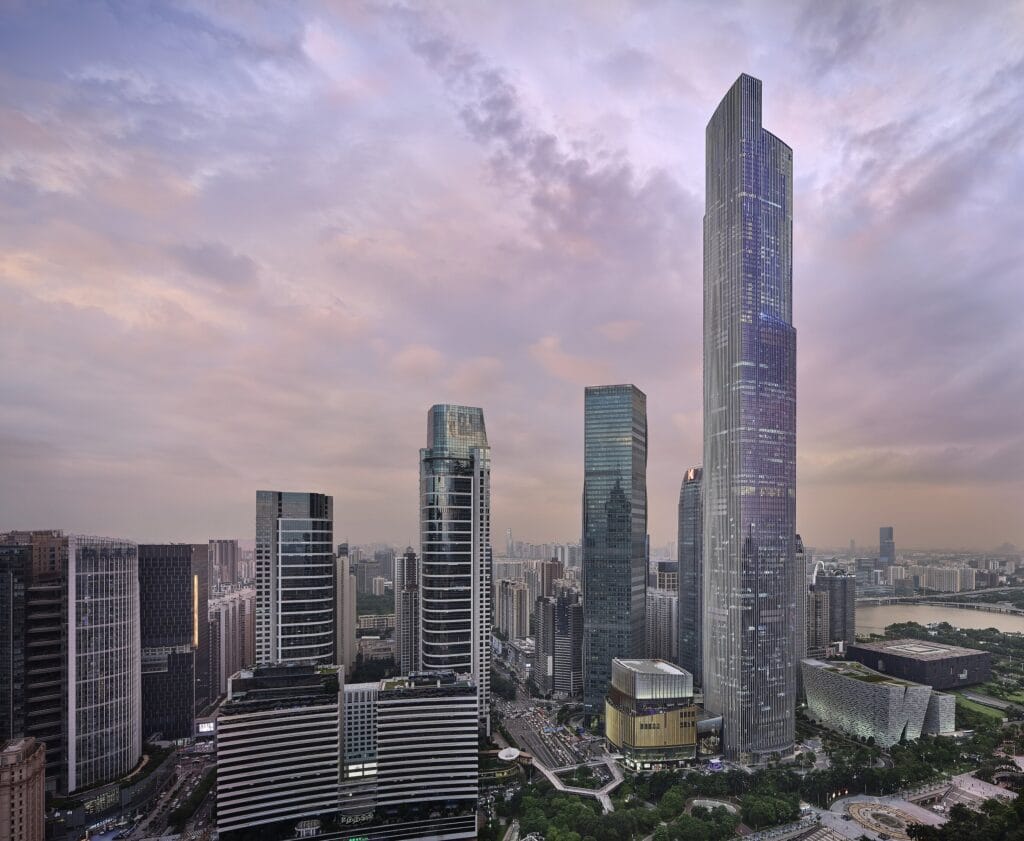 Guangzhou · RosewoodRosewood GuangzhouRosewood Guangzhou fills the top of the 530-metre CTF Finance Centre.GuangzhouWhite Swan HotelHenry Fok's 1983 hotel on filled riverbed off Shamian was China's showcase of opening up.
Dine
Restaurants in this guide
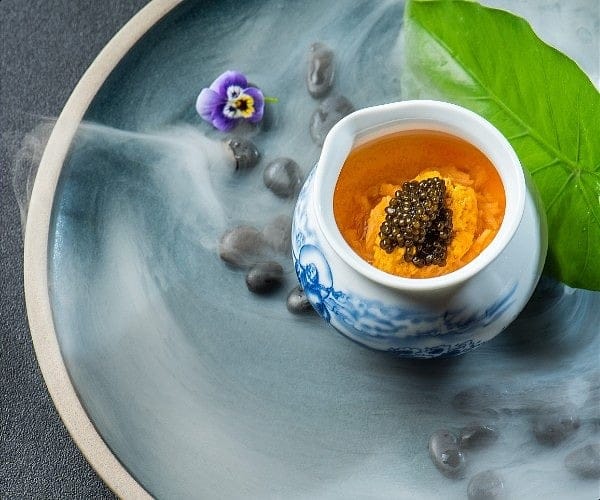 Guangzhou · CantoneseLai HeenThe Ritz-Carlton, Guangzhou's modern Cantonese restaurant; one Michelin star.Guangzhou · CantoneseTao Tao JuTao Tao Ju's Dishifu Road headquarters in Liwan, a Guangzhou teahouse name founded in 1880.Guangzhou · CantoneseGuangzhou RestaurantThe original 1935 house of Guangzhou Jiujia, the Cantonese restaurant behind Wenchang chicken.
Journal
From the Journal
 Feature · Food & DrinkYum Cha: How to Order, Pour and Eat at a Cantonese TeahouseDim sum is the food and yum cha is the occasion.October 8, 2026News · Design & ArchitectureFour Seasons Guangzhou Unveils a New Sky-High AtriumA redesigned atrium brings a new architectural focal point to Four Seasons Guangzhou.September 25, 2026
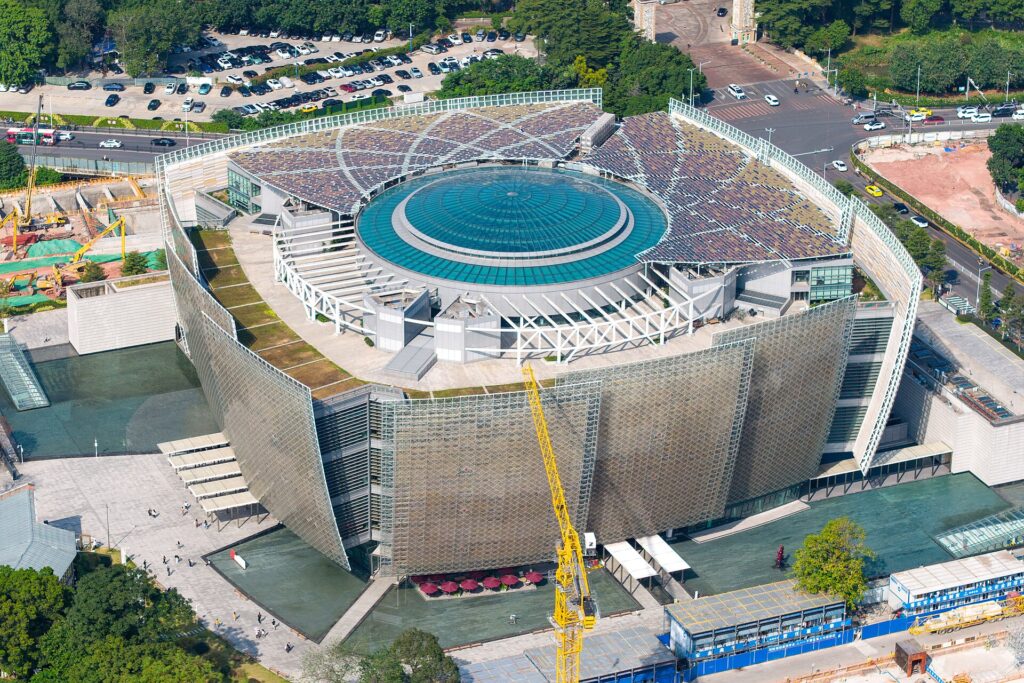 News · CultureGuangzhou Museum of Art Opens Its New Building by the Pearl RiverThe 80,000 sq m museum in Haizhu, near the Canton Tower.November 30, 2023