
Shanghai
China · Greater China
China’s river-port metropolis: the Bund and Pudong skyline, shikumen lanes in the former French Concession, a West Bund museum district and hotels from Suzhou Creek to a quarry.
Photo: Waldorf Astoria Shanghai Qiantan
Why visit
Why visit Shanghai
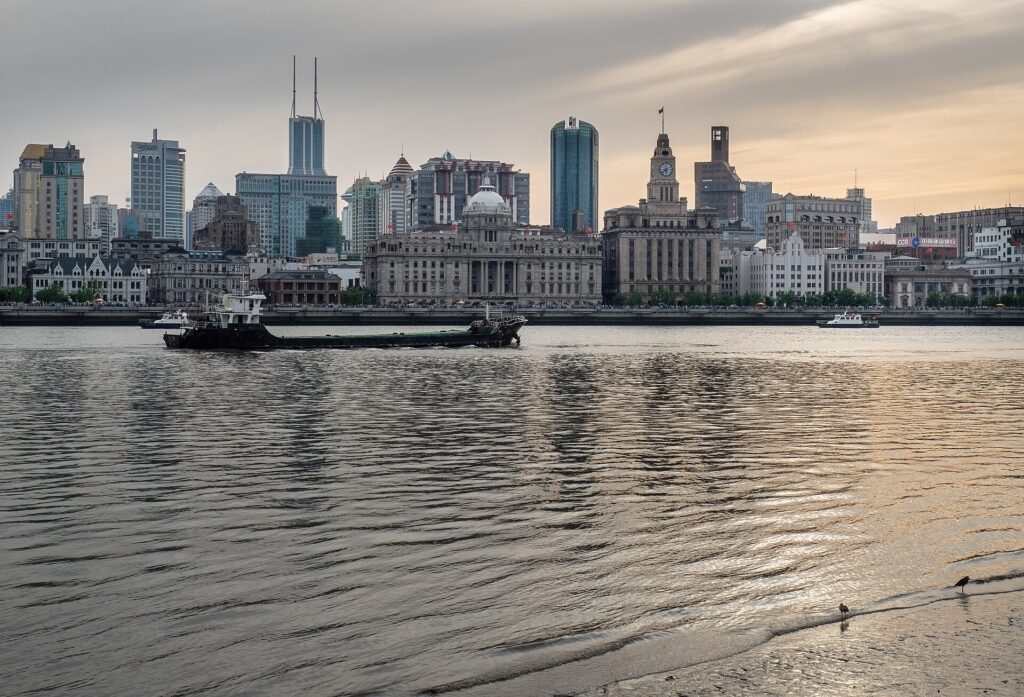
The Bund and Pudong face each other across the Huangpu like two chapters of the same story: the neoclassical banks and customs houses of the 1920s on one side, and on the other, in barely three decades, the skyline of a financial capital. The best photograph is taken from the Bund across the water rather than from inside a tower, and it is worth going twice, once in daylight and once when the buildings are lit.
The lanes are what make Shanghai distinctive. Shikumen houses, built around stone-framed gates, shaped the city for a century, and the Hengshan Road–Fuxing Road district preserves garden houses, apartments and lane houses built by Chinese and foreign owners. Wukang Road holds a 1928 villa and the former residence of the writer Ba Jin. Xintiandi has restored shikumen façades with restaurants and shops behind them; Tianzifang mixes lane houses with newer ones. The district rewards a slow walk more than a checklist.
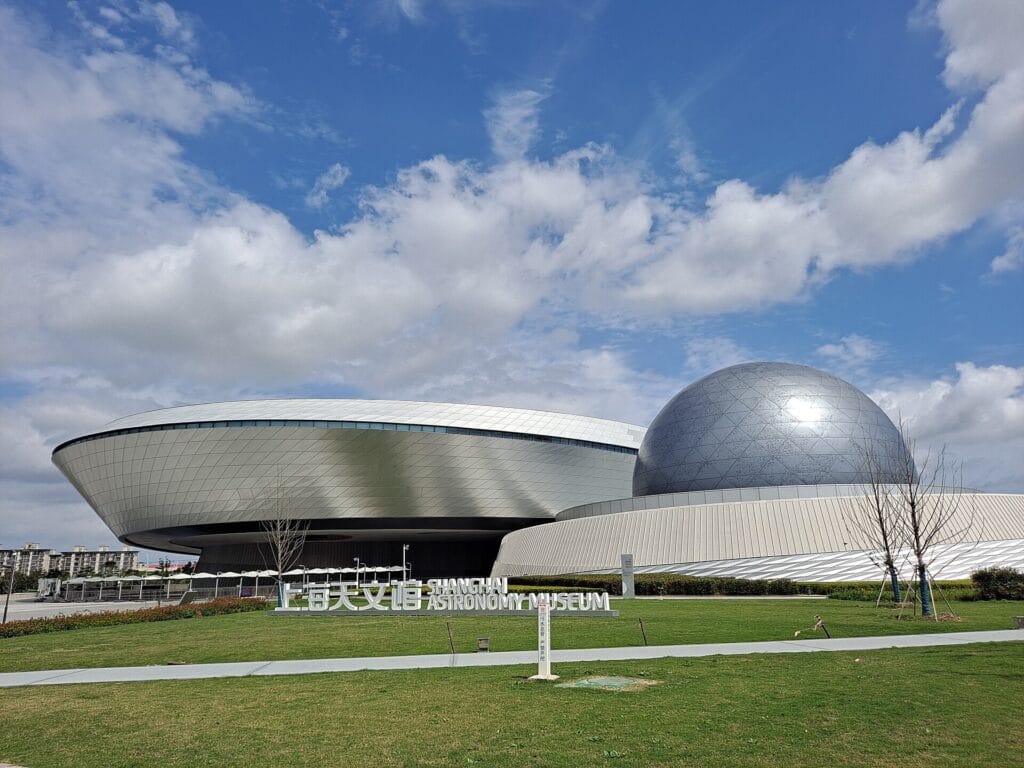
The museums are the third reason. Along the West Bund, private institutions such as the Long Museum and the Yuz Museum stand beside the West Bund Museum, which has a partnership with the Centre Pompidou. Across the river, Jean Nouvel’s Museum of Art Pudong looks back at the Bund, and the Shanghai Museum East, designed by Li Li and Tongji Architectural Design Group, is about 105,000 square metres. The city has added museums at remarkable speed.
Explore
What to see
Begin on the Bund in the evening, when it is lit, and cross the Huangpu on the public Dongjin commuter ferry, an open-deck crossing from Jinling East Road wharf to Dongchang Road wharf, instead of a sightseeing cruise. Pick one of Pudong’s three observation towers if you want the view from above.
Yu Garden is both the ticketed Ming garden and the free bazaar around it, and it closes on Mondays. The Former French Concession is best walked: allow half a day for a single cluster, from Anfu Road and Wukang Road to Tianzifang, which is crowded and the least representative corner, and Xintiandi, which is polished but easy to reach.
Since 2024 the Shanghai Museum’s main collection of bronzes, ceramics and painting has been in the East building in Pudong, which closes on Tuesdays; the People’s Square building runs a paid exhibition. West Bund is best taken as a half-day, with the Long Museum and the West Bund Museum as the anchor stops. A guide to Shanghai’s museums and restored mansions compares them.
Hotels
Where to stay in Shanghai
The choice in Shanghai is between the river, the lanes and the countryside. The Bund puts you in the historical city with the skyline on your doorstep; the former French Concession and Jing’an give you the lanes, cafés and restaurants; and the retreats outside the centre are for a slower stay.
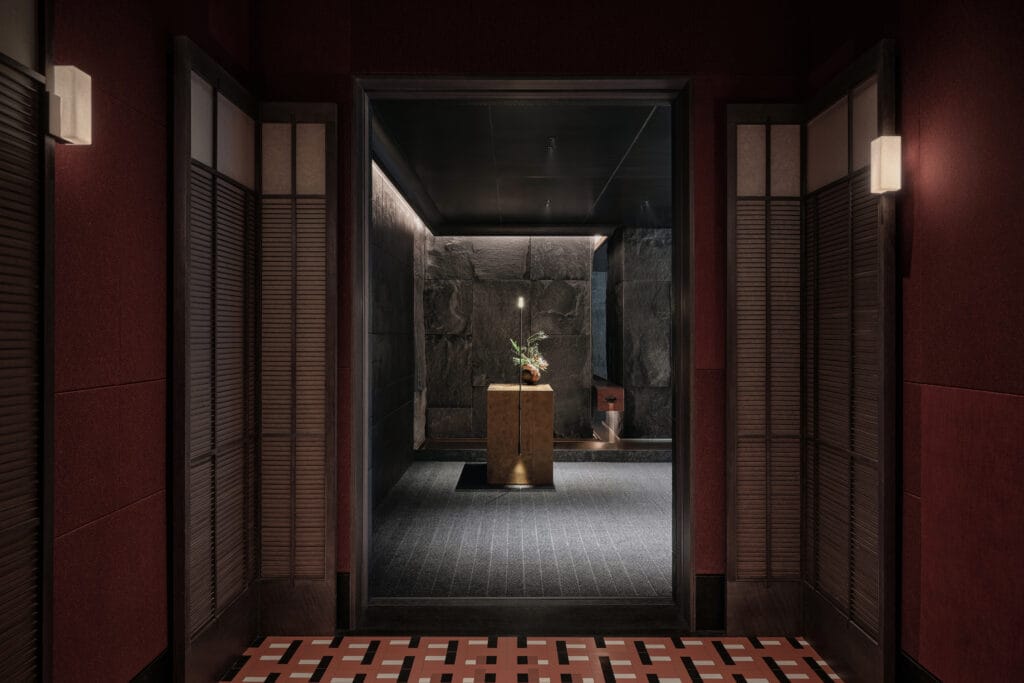 Alila · Jing'anAlila ShanghaiAlila Shanghai is the former Four Seasons on Weihai Road, gutted over four years and rebuilt inside by the designer Ju Bin as a walled garden of pavilions above the shikumen lanes of Zhangyuan.Explore →
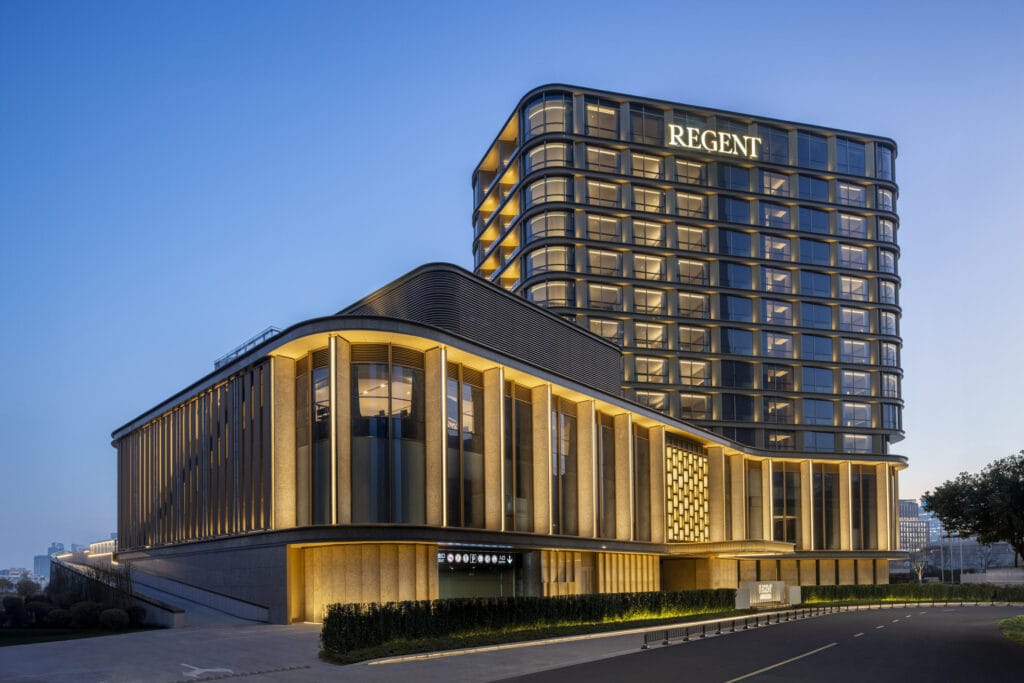 Regent · North Bund, HongkouRegent Shanghai on the BundRegent Shanghai on the Bund replaces the Seagull Hotel of 1984, itself built on the site of the city's International Seamen's Club, where the Huangpu meets Suzhou Creek.Explore →
- AmanyangyunAman · Minhang
- Bvlgari Hotel ShanghaiBvlgari Hotels & Resorts · Suzhou Creek, Jing'an
- Capella Shanghai, Jian Ye LiCapella · Former French Concession, Xuhui
- Fairmont Peace HotelFairmont · The Bund
- InterContinental Shanghai WonderlandInterContinental · Sheshan, Songjiang
- The Peninsula ShanghaiThe Peninsula · The Bund, Huangpu
- Upper House ShanghaiUpper House · Nanjing West Road, Jing'an
Dining
Where to eat in Shanghai
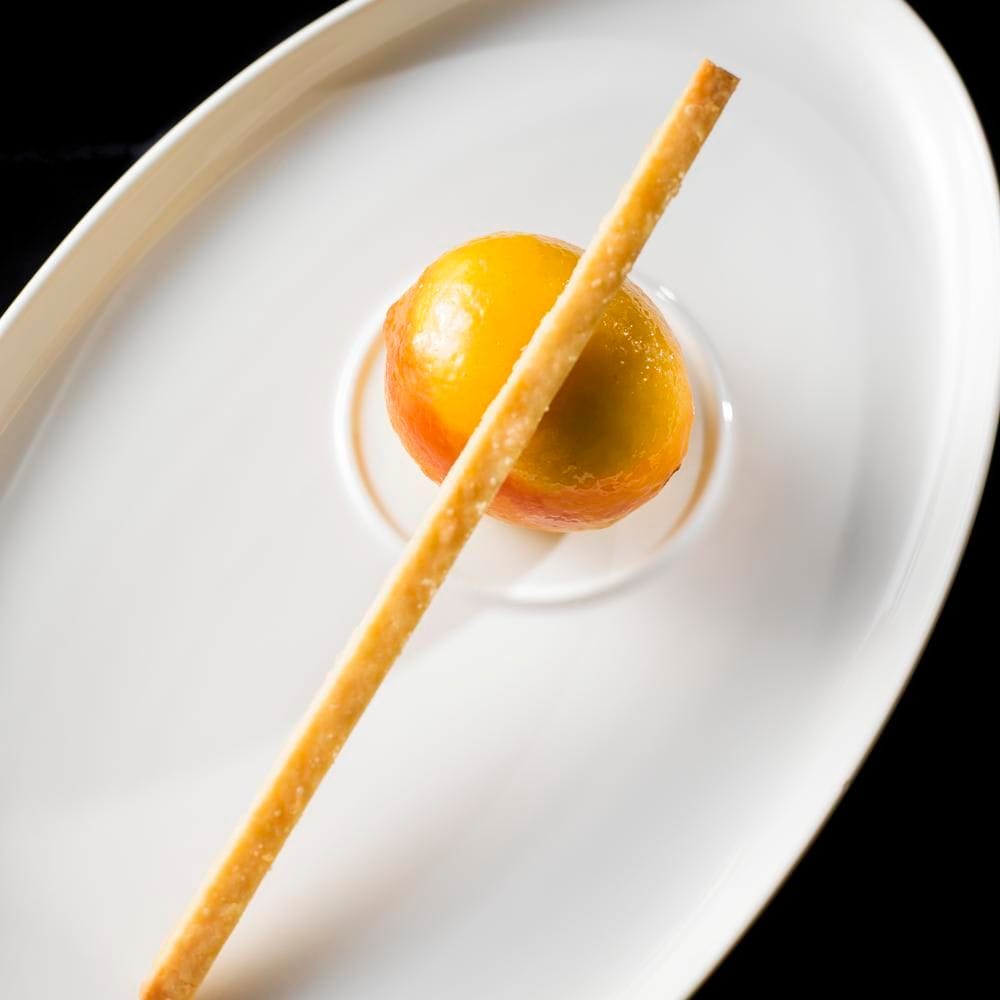
The 2026 MICHELIN Guide for the city lists 156 restaurants across 35 cuisines, and Shanghai’s starred tables are overwhelmingly Chinese. Taian Table, is the city’s only three-star restaurant. Twelve restaurants hold two stars, among them The House of Rong, Ji Pin Court, 102 House, Canton 8, Tou Zao and Imperial Treasure, which give Cantonese cooking the strongest presence, alongside Fu He Hui for vegetarian fine dining and T’ang Court and Amazing Chinese Cuisine, both newly promoted.
The Journal
Latest on Shanghai
Before you go
Practical information
Best time to visit
Spring (March to May) is the best season for tourism, with average temperatures of about 11 to 21°C and frequent drizzle. Summer is hot and humid, with highs often above 35°C in July and August, and the plum rain season runs from mid-June to early July. Autumn cools from about 25°C to 15°C, with typhoon season peaking from late August to mid-September and the rest ideal for outdoor activity. Winter averages 3 to 11°C, with humidity making it feel colder, and the coldest period is late January to early February.
Getting around
Pudong (PVG) handles long-haul flights and sits out on the coast; Hongqiao (SHA) handles domestic flights, is inside the city and is attached to the high-speed rail station. The two are about 50 kilometres apart. The Maglev from Pudong takes about eight minutes at 300 km/h and is separate from the metro. A foreign bank card linked to Alipay opens the metro gates.
Read more
Nearly every Shanghai train departs from Hongqiao Railway Station. For Hangzhou, check whether the ticket names Hangzhou West, which is not the central station. Within the city, the metro is fast and cheap, though the last train runs earlier than the nightlife.
Practical notes
Yu Garden’s ticketed garden is closed on Mondays and the Shanghai Museum East on Tuesdays, so check the calendar before you go. In the lanes, stay on public routes, keep entrances clear and ask before photographing people.
Continue exploring
More from China
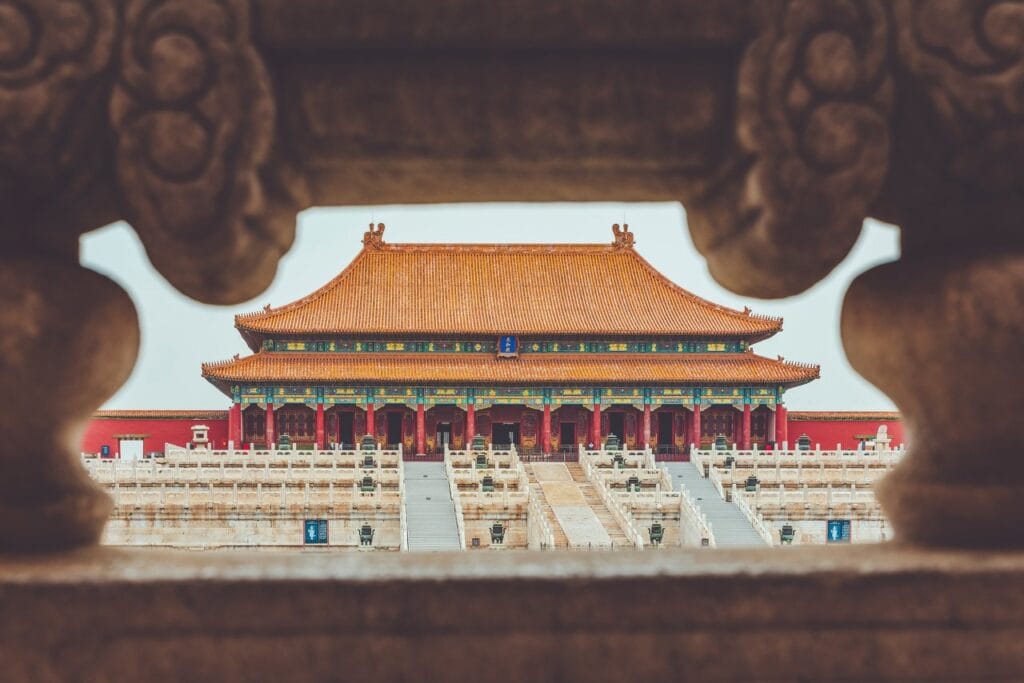 ChinaBeijingChina’s capital, laid out on a 7.8-kilometre Central Axis, with surviving hutong lanes, a contemporary-art district in a former East German-designed factory complex and a Michelin list led by Chaozhou and Taizhou kitchens.Explore Beijing →
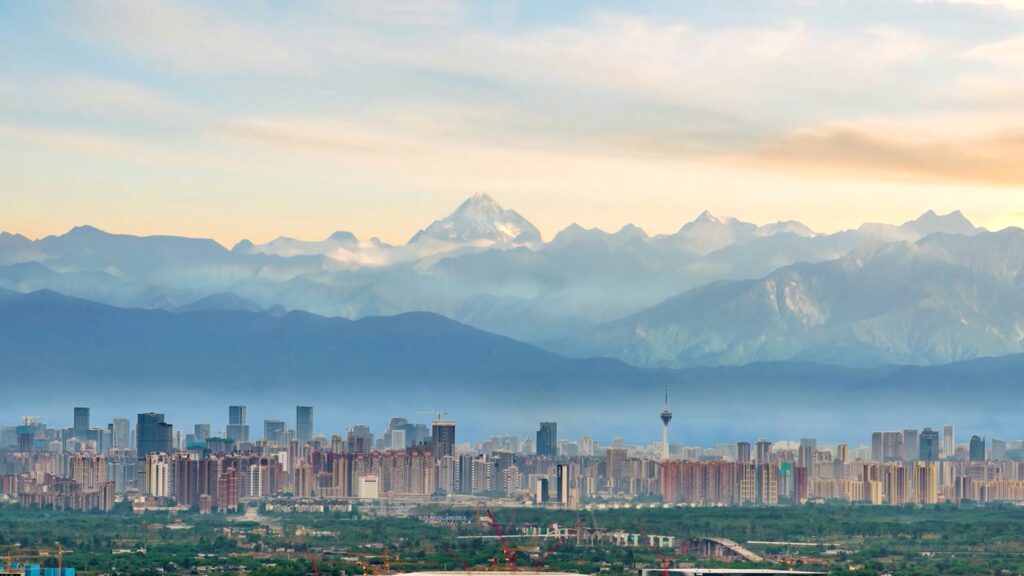 ChinaChengduThe capital of Sichuan: pandas, teahouses and the first three-star kitchen in the city’s Michelin Guide, with Leshan, Sanxingdui and Mount Qingcheng within a day’s reach.Explore Chengdu →
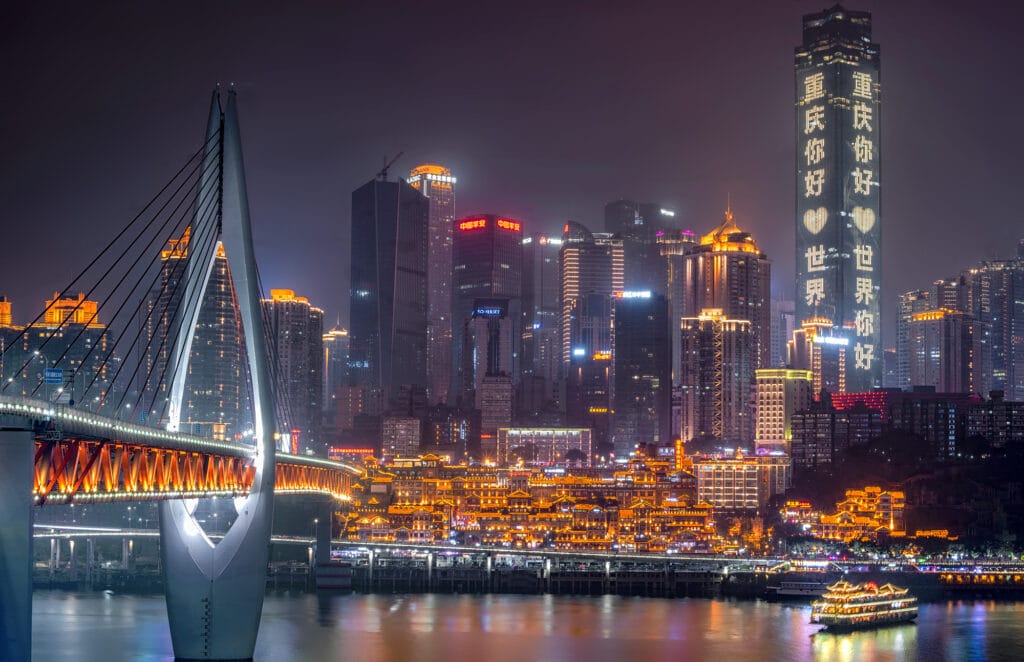 ChinaChongqingA municipality built on steep hills where the Jialing meets the Yangtze, known for hot pot, riverfront towers and the Dazu rock carvings.Explore Chongqing →