Hangzhou
China · Greater China
A lake city of tea hills, temples and Southern Song cuisine, 45 to 60 minutes from Shanghai, with some of eastern China’s best hotels.
Photo: Rosewood Hotel Group
Why visit
Why visit Hangzhou
The lake is the point, and it is best seen by causeway. West Lake is crossed by three man-made causeways, Su, Bai and Yanggong, and Bai Causeway leads to Gushan Island, with restaurants, museums and gardens. The real choice is which causeway and what time of day. Bicycles have been banned on the Su and Bai causeways since 2018, so older guides that suggest cycling them are out of date. Three stone pagodas stand in the water, the Three Pools Mirroring the Moon, built in 1089 and shown on the back of the one-yuan note.
Behind the lake, the hills hold the older Hangzhou. Lingyin Temple is one of China’s largest Buddhist temples, with over 400 rock carvings, many from the tenth to fourteenth centuries, and a Hall of the 500 Arhats. The Longjing tea villages sit directly above, free to walk, with no metro access. The China National Tea Museum, at 88 Longjing Road, is the only museum in China dedicated to tea.
The city is also a base for the Jiangnan countryside: Xixi National Wetland Park, of 26,000 acres, west of the centre; the canal town of Wuzhen, best as an overnight stay once the day-trippers have left; and, further off, Huangshan.
Explore
What to see
Begin at the lake and choose one causeway. Leifeng Pagoda, first built in 975 and rebuilt in 2002 after collapsing in 1924, stands on the southern shore; its ticket is worth paying only for the White Snake legend, since the view of it is free from across the water. The Six Harmonies Pagoda, octagonal, 60 metres high and first built in 960, overlooks the Qiantang River and once served as a lighthouse.
Lingyin Temple requires a timed reservation, released seven days ahead, so book before you arrive and check the current ticketing rules. For tea, a morning picking and tasting Longjing tea in the hills takes you onto the plantations; the finest grade, Mingqian, is picked before the Qingming festival in early April. Roadside shops in the villages sell repackaged leaf from other provinces, so buy from the producers.
At Xixi, hand-rowed boats sell out by mid-afternoon. In the city, Qinghefang, an old quarter under Wushan hill about three kilometres east of the water, is best at dusk, and the Zhejiang Provincial Museum on Gushan Island holds more than 100,000 relics. The Grand Canal ends here, a 1,800-kilometre waterway that links Hangzhou to Beijing.
Hotels
Where to stay in Hangzhou
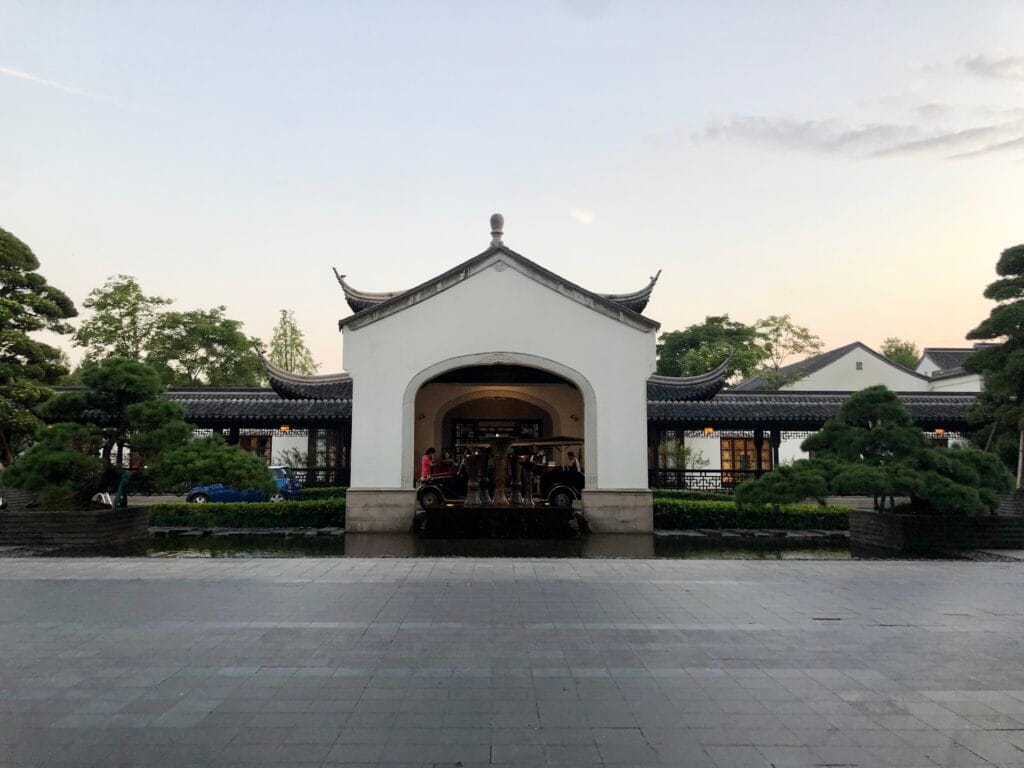
The best base is the lake or the hills behind it. The lake side, around Hubin, Wulin Square and Hefang Street, is compact: these are within about 0.7 kilometres of each other, 10 to 18 minutes from Hangzhou East by Metro Line 1. Qianjiang New City, 6.3 kilometres from the lake, has little to walk to at night.
Dining
Where to eat in Hangzhou
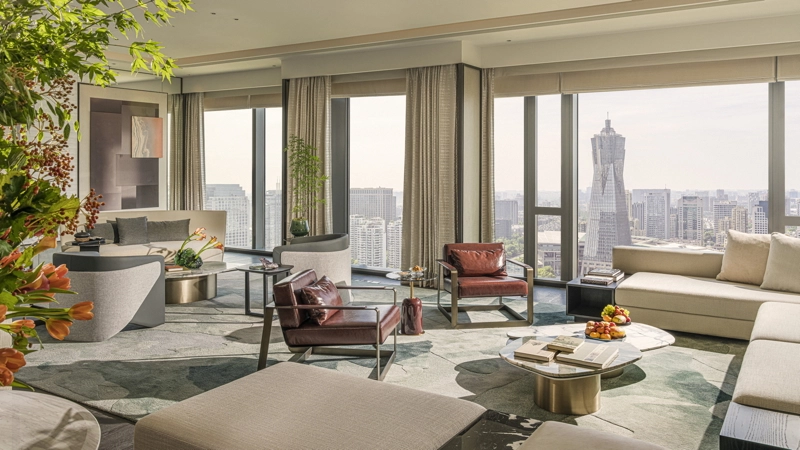
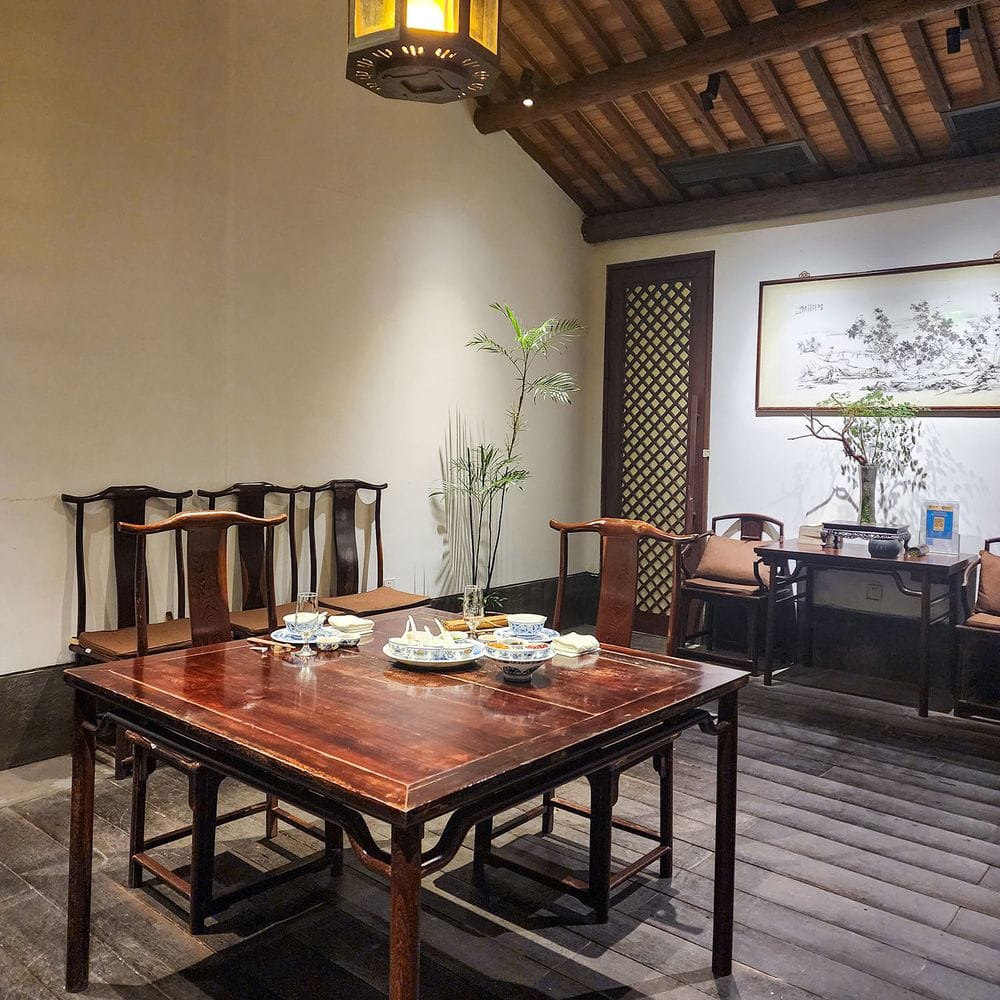
Hangzhou’s cooking is Zhejiang cooking at its most delicate, and several of its best-known dishes carry Song-dynasty names. Dongpo pork, named after the Song poet Su Dongpo, is braised pork belly slow-cooked in Shaoxing wine, soy sauce and sugar; Longjing shrimp is stir-fried with tea leaves, giving a light, subtly sweet dish; beggar’s chicken is wrapped in lotus leaves and clay and baked.
Experiences
Experiences in Hangzhou
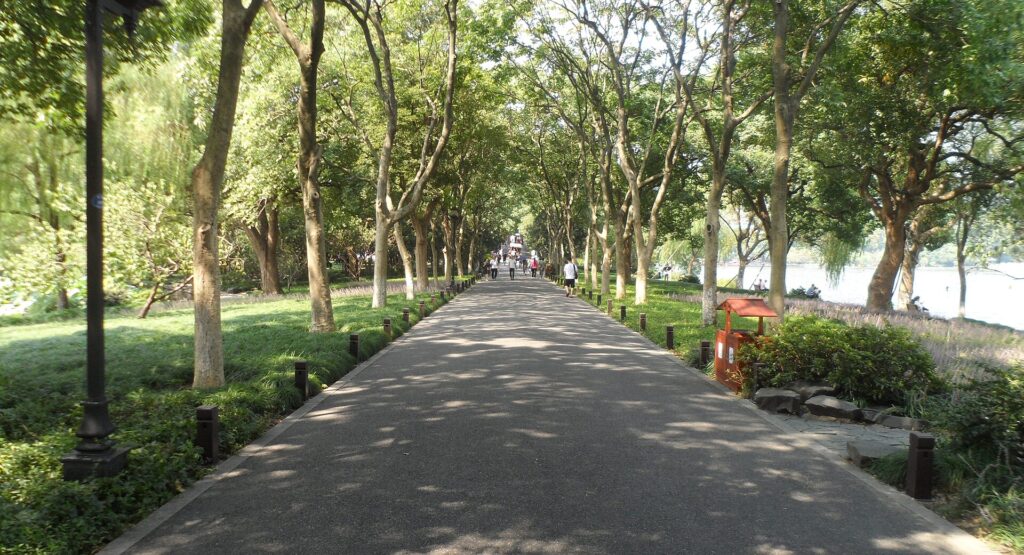 Cultural ImmersionWalk the causeways of West Lake in HangzhouCross West Lake on foot by the Bai and Su causeways, best at dawn.Explore →
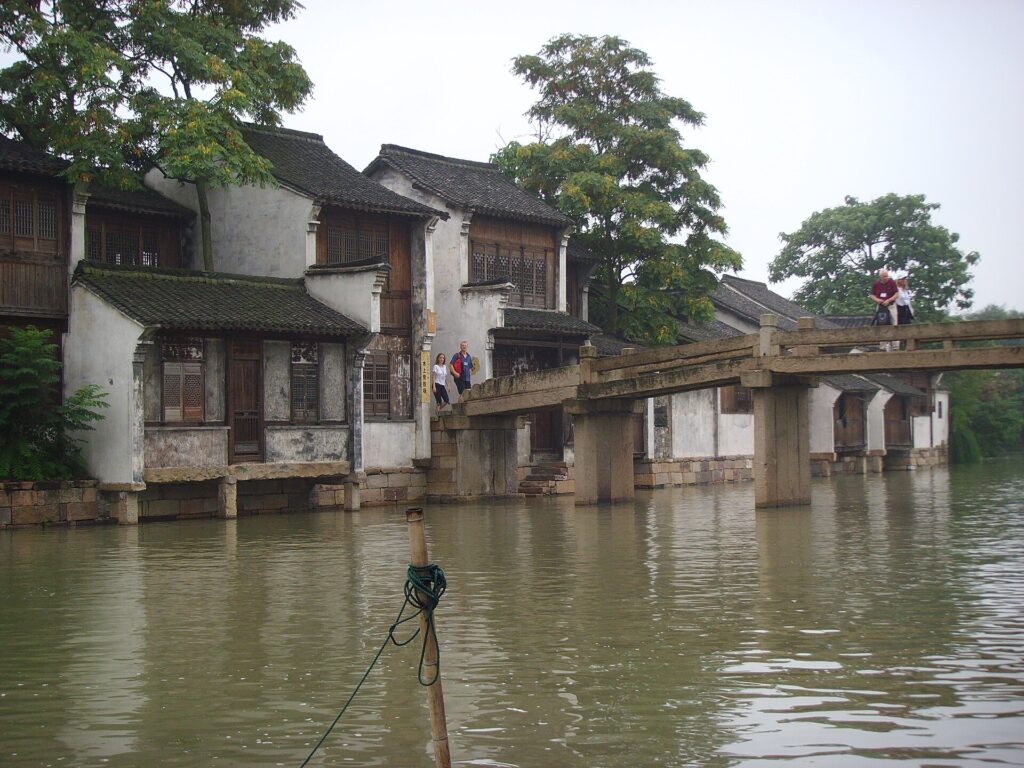 EventSee the Wuzhen Theatre Festival take over a water townAbout ten days of invited plays, young companies and free street performances in a restored canal town each October.Explore →
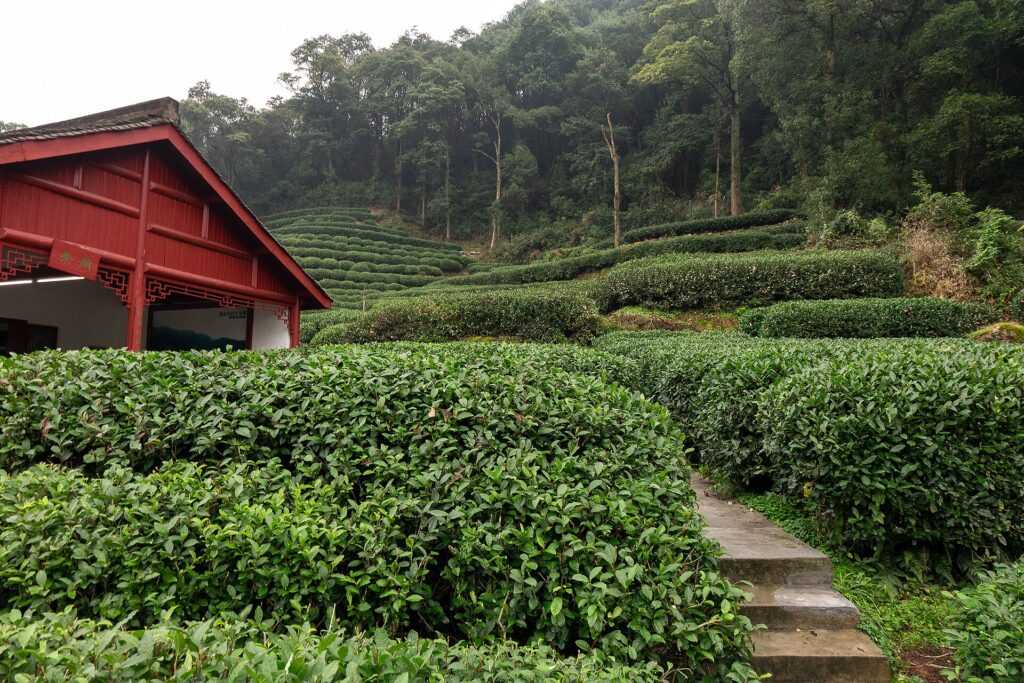 Cultural ImmersionPick and taste Longjing tea in the hills of HangzhouChina's most celebrated green tea grows on the slopes just behind West Lake. In spring you can walk the terraces, pick with the growers, watch the leaves fired by hand in a wok, and drink the result an hour later.Explore →
The Journal
Latest on Hangzhou

Before you go
Practical information
Best time to visit
For the tea harvest, late March to mid-April is the time, with the finest grade, Mingqian, picked before the Qingming festival in early April. The villages are green in any season and quieter outside spring.
Getting around
From Shanghai the high-speed train takes about 45 to 60 minutes, with several trains an hour. Hangzhou East is the default arrival station, 8.2 kilometres east of the lake, with Metro Line 1 reaching the lakefront in 10 to 18 minutes. Hangzhou West is about 17.7 kilometres west of the lake, in Yuhang, so check the station on your ticket. Public bikes are free for the first hour, then ¥1 an hour, capped at ¥5 a day; sign-up uses Alipay. The legal cycling loop west of the lake runs along Beishan Street, Yanggong Causeway and Nanshan Road.
Practical notes
The Longjing tea villages are free to walk, have no metro access, and roadside shops sell repackaged leaf from other provinces. The tea museum closes on Tuesdays. Hand-rowed boats at Xixi sell out by mid-afternoon.
Continue exploring
More from China
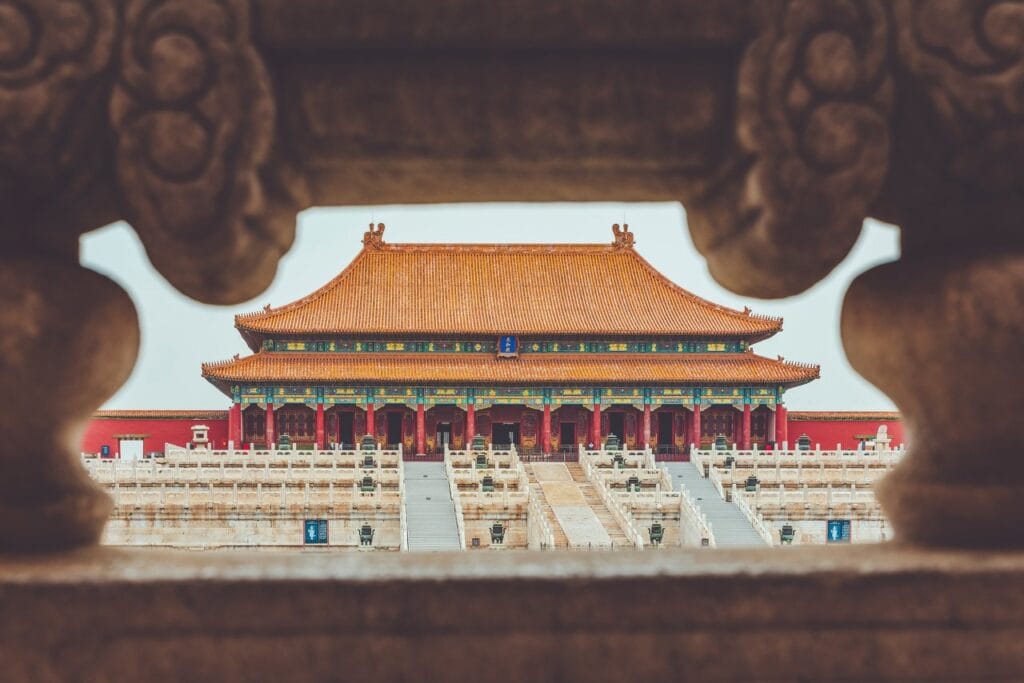 ChinaBeijingChina’s capital, laid out on a 7.8-kilometre Central Axis, with surviving hutong lanes, a contemporary-art district in a former East German-designed factory complex and a Michelin list led by Chaozhou and Taizhou kitchens.Explore Beijing →
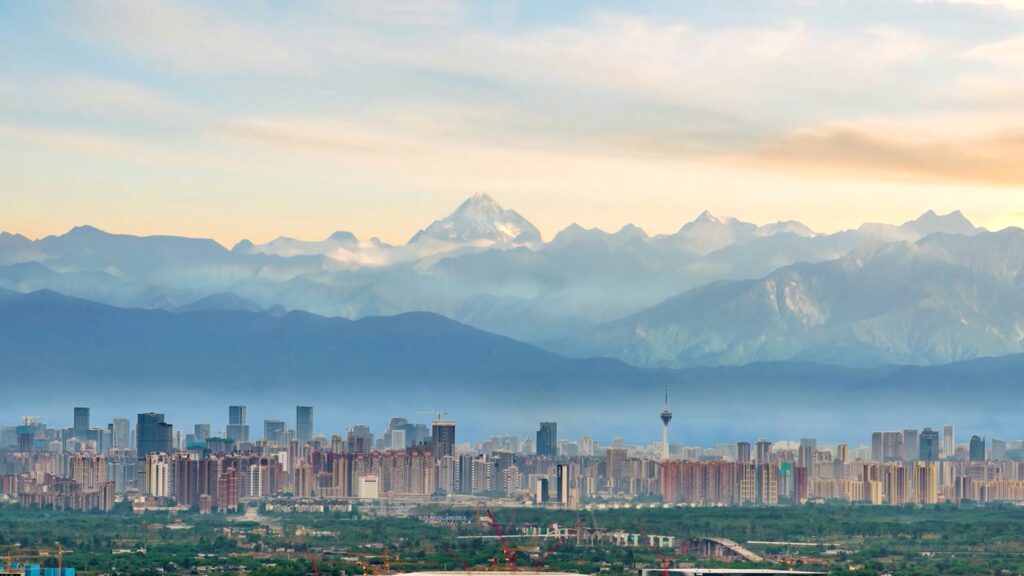 ChinaChengduThe capital of Sichuan: pandas, teahouses and the first three-star kitchen in the city’s Michelin Guide, with Leshan, Sanxingdui and Mount Qingcheng within a day’s reach.Explore Chengdu →
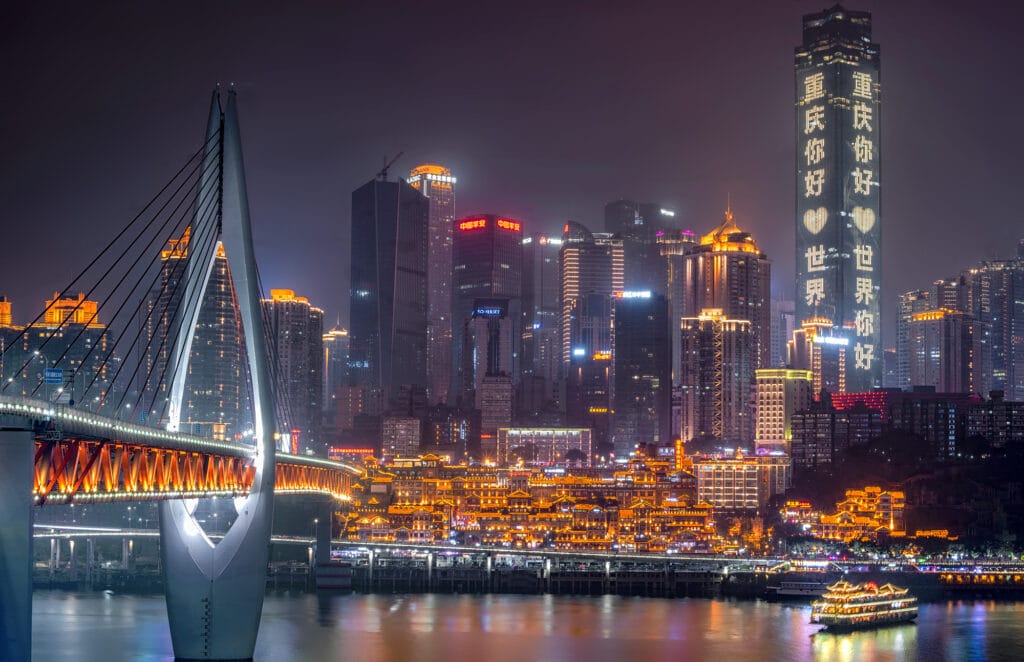 ChinaChongqingA municipality built on steep hills where the Jialing meets the Yangtze, known for hot pot, riverfront towers and the Dazu rock carvings.Explore Chongqing →