Jeju
South Korea · East Asia
Korea's volcanic island: Hallasan, UNESCO lava tubes and the Seongsan tuff cone, the haenyeo divers, the Olle coastal trail and two large resorts.
Why visit
Why visit Jeju
Jeju combines walking, a living diving culture and a landscape unlike anywhere else in Korea. The Olle Trail was the idea of Suh Myung-sook, and its routes thread through lava-walled lanes, harbours and beaches. The haenyeo, the women divers of Jeju, harvest seafood without breathing equipment, and their culture was inscribed on UNESCO’s Representative List of the Intangible Cultural Heritage of Humanity in 2016. Performances take place near Seongsan Ilchulbong, and the Jeju Haenyeo Museum near Gujwa gives cultural context.
The mountain is the third pillar. Hallasan, at 1,947 metres, fills the middle of the island with long, gentle slopes, and its summit holds a crater lake. The Jeju guide brings the trail, the divers and the mountain together.
Explore
What to see
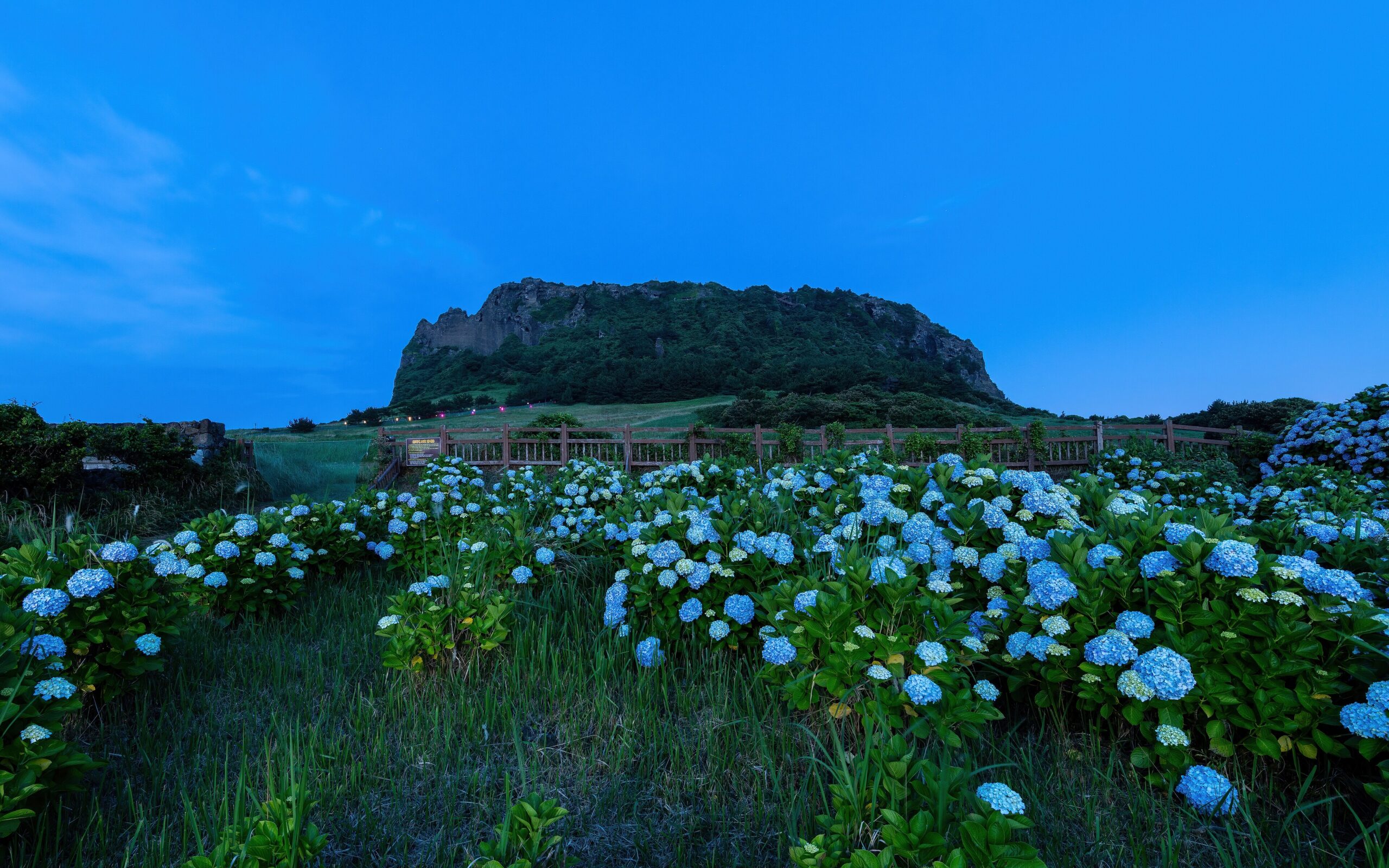
The Geomunoreum system contains lava tube caves that UNESCO ranks among the finest in the world, with multicoloured carbonate decoration on roofs and floors. The Manjanggul Lava Tube is 7.4 kilometres long, with about one kilometre open to visitors, and stays at around 11 to 12°C all year. Seongsan Ilchulbong is a 182-metre tuff cone on the island’s eastern tip, with a climb to the rim of about 20 minutes; arrive before 7 am for sunrise.
Along the coast, Jusangjeolli Cliff has hexagonal lava columns, and Udo Island lies just off the east coast. Inland, the Jeju Folk Village, the O’sulloc Tea Museum and Sangumburi Crater fill out a day by car. Hallasan can be climbed on its own, and the lava lanes and harbours of the Olle are best walked in short stages.
Hotels
Where to stay in Jeju
The choice is between the north and the south. Jeju City has most of the accommodation and the best transport links; Seogwipo, in the south, is quieter and close to Hallasan and the south-coast waterfalls.
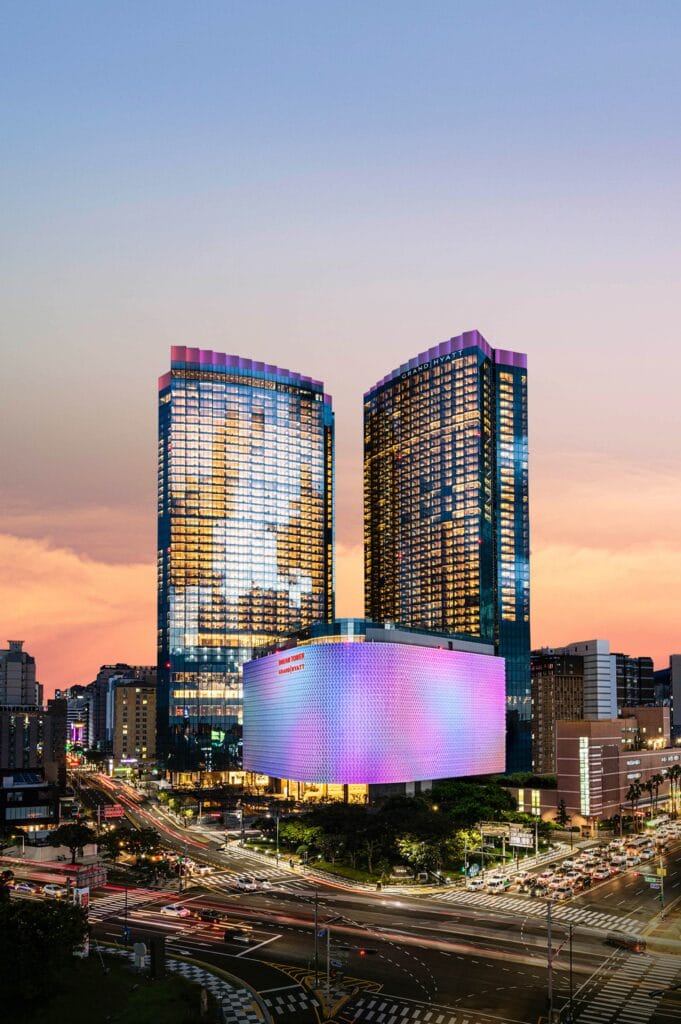 Grand Hyatt · Jeju City (Jeju Dream Tower)Grand Hyatt JejuA 2014 campaign against a 56-floor "gambling tower" cut Jeju Dream Tower to 38 floors, and the same revision enlarged the standard rooms so that Grand Hyatt Jeju could be sold as an all-suite hotel.Explore →
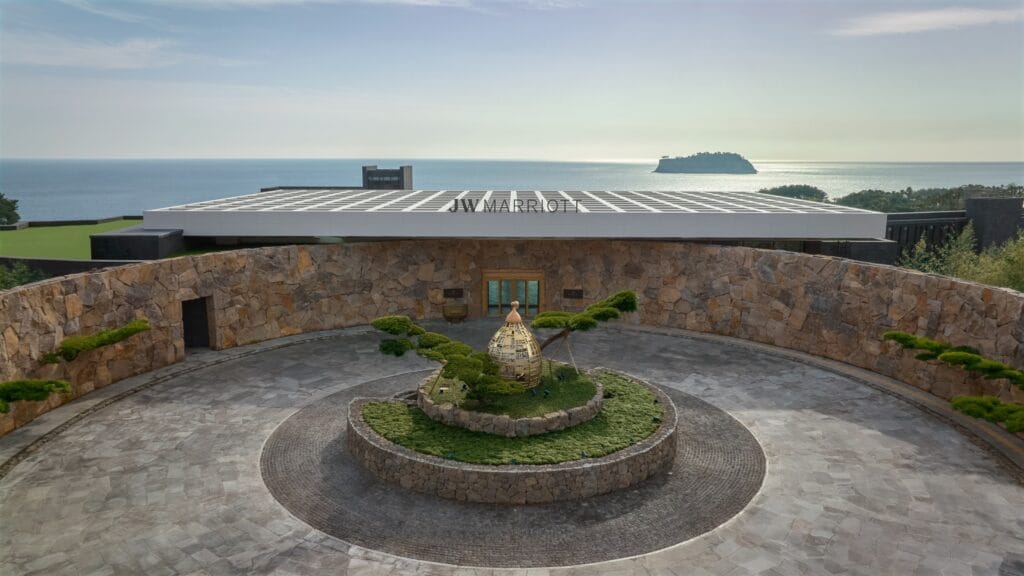 JW Marriott · Seogwipo, south coastJW Marriott Jeju Resort & SpaJW Marriott Jeju Resort & Spa was planned, Bensley's studio says, to sit below the coastal road at Seogwipo so that passers-by keep the sea view, and has a Jeju farm at its centre.Explore →
Dining
Where to eat in Jeju
Jeju cooking is built on its sea and its pigs. Black pork is grilled at the table or teppanyaki-style, abalone appears in porridge and raw-fish plates, and Dongmun Market in Jeju City sells black pork skewers and seafood in the evening. At Jeju Shinhwa World, Jeju Seon The Black makes teppan cooking a performance.
Experiences
Experiences in Jeju
 TrekClimb Hallasan, the highest mountain in South KoreaA full-day ascent of the 1,947-metre volcano at the centre of Jeju to the crater lake of Baengnokdam, by reservation.Explore →
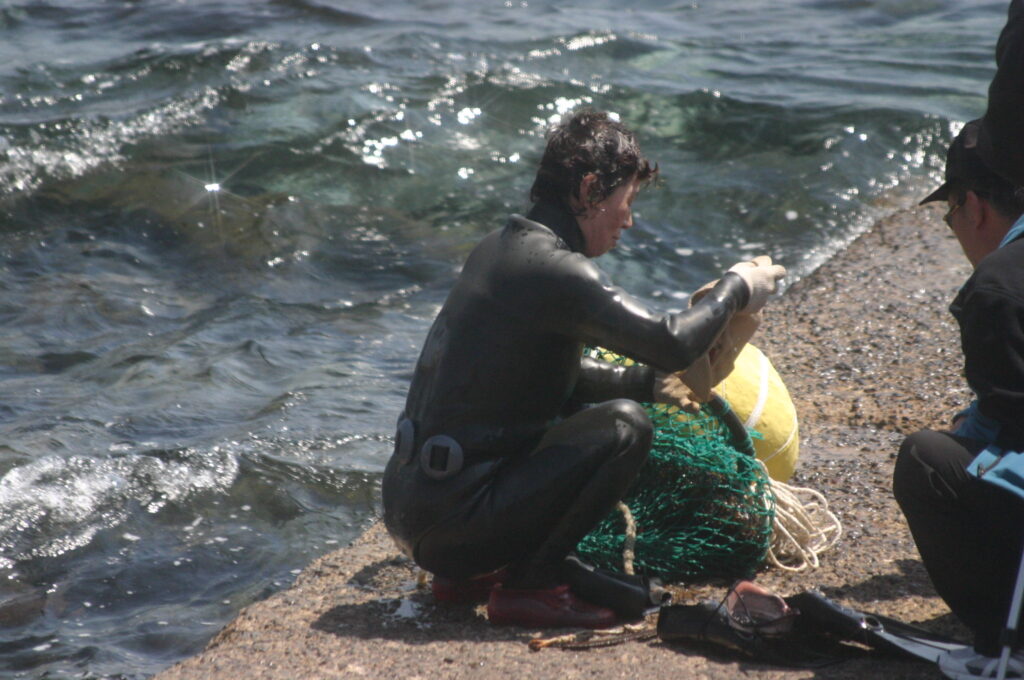 Cultural ImmersionSee the haenyeo divers at work on JejuWatch Jeju's women free-divers gather shellfish from the shore of the island's east coast, and visit the museum devoted to them.Explore →
 TrekWalk Route 7 of the Jeju OlleA day's coastal walk from Seogwipo along lava cliffs and rock pools, on the best-known stage of Korea's 437-kilometre island trail.Explore →
Before you go
Practical information
Best time to visit
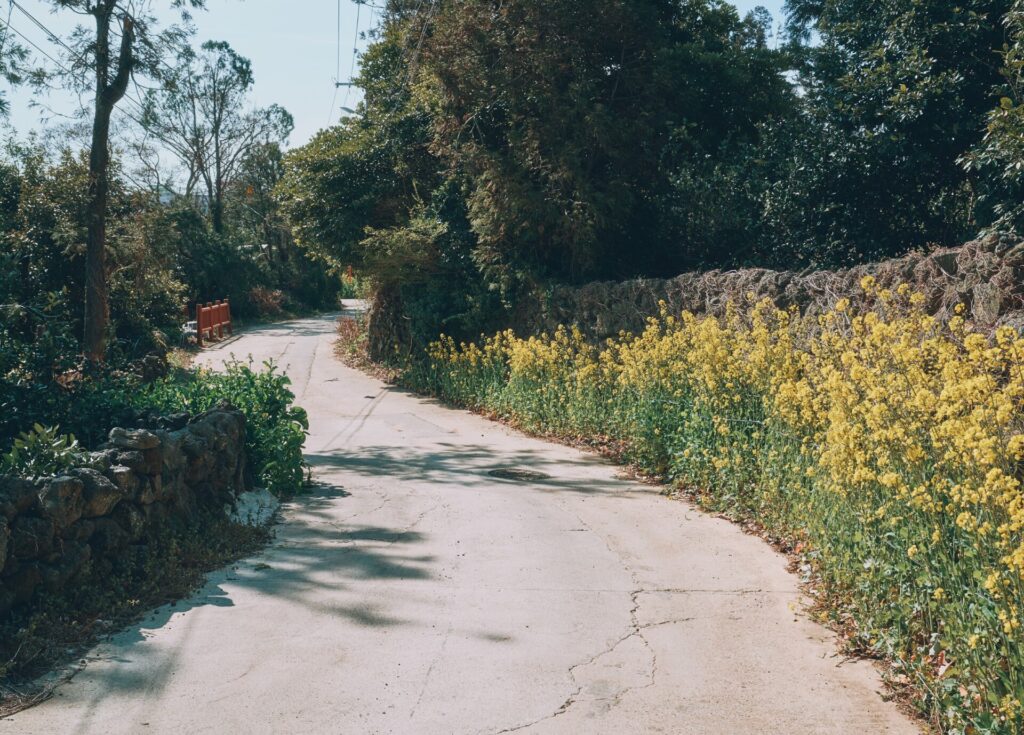
Spring, April to May, brings the yellow canola fields, and cherry blossom runs from late March to early April. Summer, July to August, is beach season and the most crowded. Autumn, September to November, has clear skies and comfortable temperatures, with silver grass across the terrain. Winter is mild, rarely below 5°C, and much quieter, with camellias in bloom.
Getting around
Jeju International Airport is about 50 minutes by plane from Seoul’s Gimpo Airport, and ferries from Mokpo or Wando take around five hours. A rental car is the best way to cover the island, though foreign visitors need an international driving permit. Buses cover the main sights but run infrequently, and taxis or private hire suit groups.
Practical notes
Bring an international driving permit if you plan to rent a car, and arrive early for Seongsan sunrise. Weather on the summit of Hallasan differs sharply from the coast, so check conditions before climbing. For the Korean mainland, see Seoul.
Continue exploring
More from South Korea
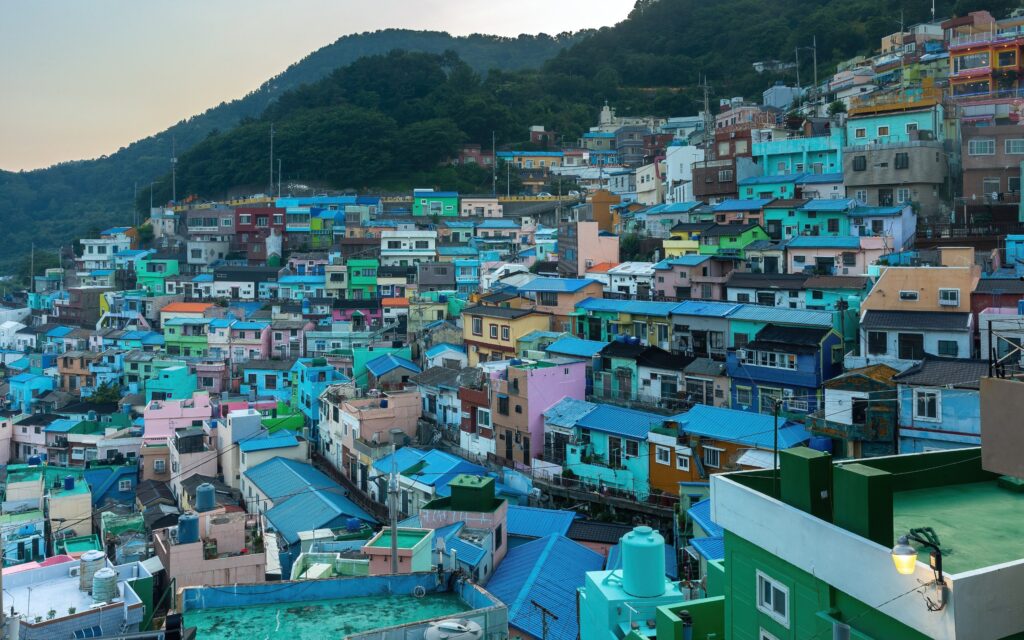 South KoreaBusanSouth Korea's second city and largest port, on the south-east tip of the peninsula, with a beach district of towers and a growing MICHELIN Guide scene.Explore Busan →
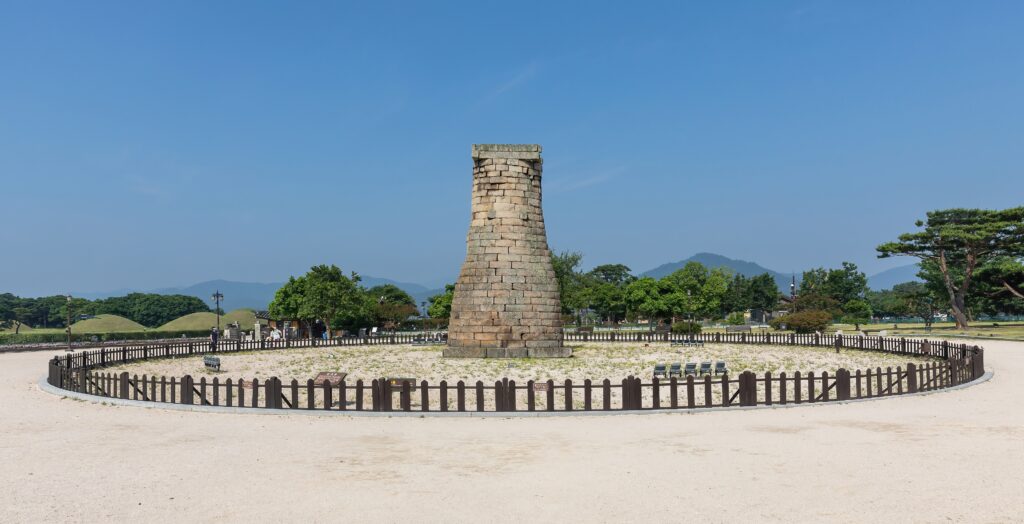 South KoreaGyeongjuThe old capital of Silla: royal tombs, Asia's oldest surviving observatory, Bulguksa and Seokguram, and two lakeside hotels at Bomun Lake.Explore Gyeongju →
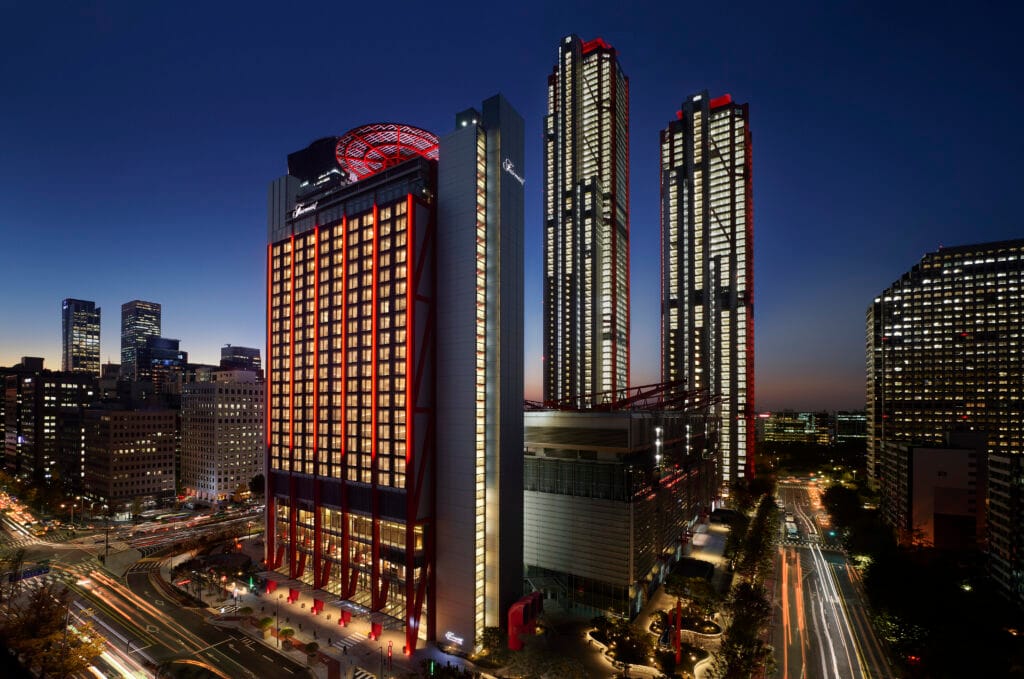 South KoreaSeoulKorea’s capital of Joseon palaces, hanok lanes and a Michelin-starred Gangnam, with hotels from Gwanghwamun to the 101st floor of Lotte World Tower.Explore Seoul →