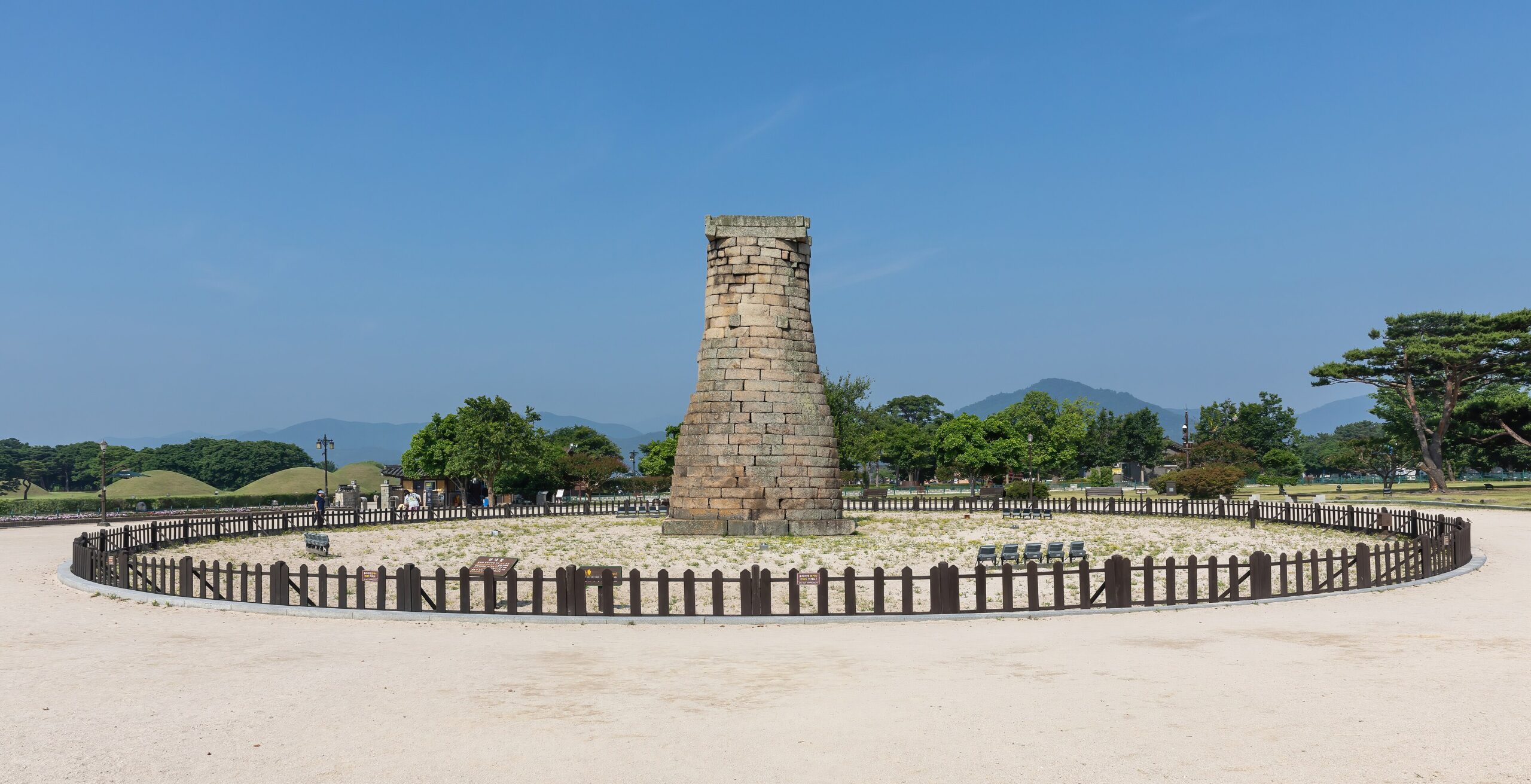
Gyeongju
South Korea · East Asia
The old capital of Silla: royal tomb mounds in the middle of town, gold crowns, a seventh-century observatory and the temple of Bulguksa.
Why visit
Why visit Gyeongju
Go for a city whose centre is full of grassy hills that are the tombs of kings. One of them can be entered. The gold crowns found in them, shaped like branching trees and hung with jade, are in the national museum a short walk away.
Go also for the mountain to the east, where the temple of Bulguksa and the grotto of Seokguram hold some of the finest Buddhist art in Asia. Our two-day guide to Gyeongju gives the route.
Explore
What to see
Daereungwon. The walled park of great tomb mounds, with Cheonmachong, the tomb of the heavenly horse, open to visitors.
Cheomseongdae. A bottle-shaped granite tower of the seventh century, one of the oldest astronomical observatories in East Asia.
Gyeongju National Museum. The gold of the tombs, and the great Emille Bell in the garden.
Donggung and Wolji. The pond of a Silla pleasure palace, best after dark when the pavilions are lit.
Bulguksa and Seokguram. The eighth-century temple on Mount Toham and the granite chamber above it with its seated Buddha.
Nearby. The whale carvings of Ulsan and the Gaya burial mounds can be reached on a longer day trip.
Before you go
Practical information
Best time to visit
The cherry blossom of early April and the autumn colour of late October are the best seasons.
Getting around
The KTX from Seoul takes about two hours to Gyeongju's high-speed station, which is outside the centre; Busan is on the same line. The centre is flat, and bicycles are the best way to move between the tombs, the observatory and the pond.
Practical notes
Allow one day for the city of tombs and one for the mountain. A third day allows a walk on Namsan, among rock-cut Buddhas, or a visit to the Joseon village of Yangdong.
Continue exploring
More from East Asia
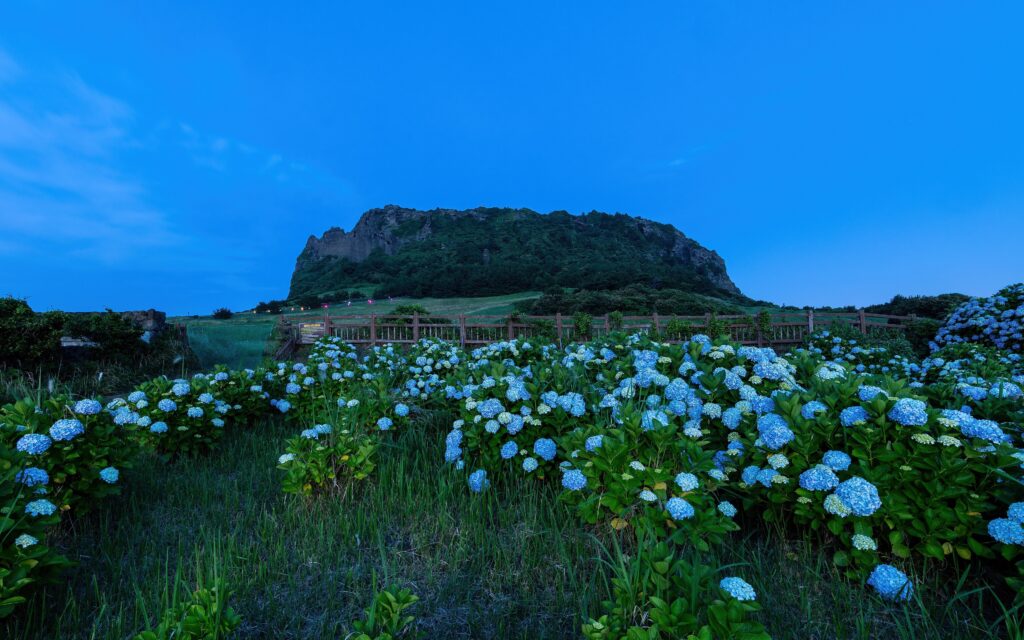 South KoreaJejuKorea's volcanic island, circled by the 437-kilometre Olle walking trail, with lava coasts, women divers and resort hotels in the south.Explore Jeju →
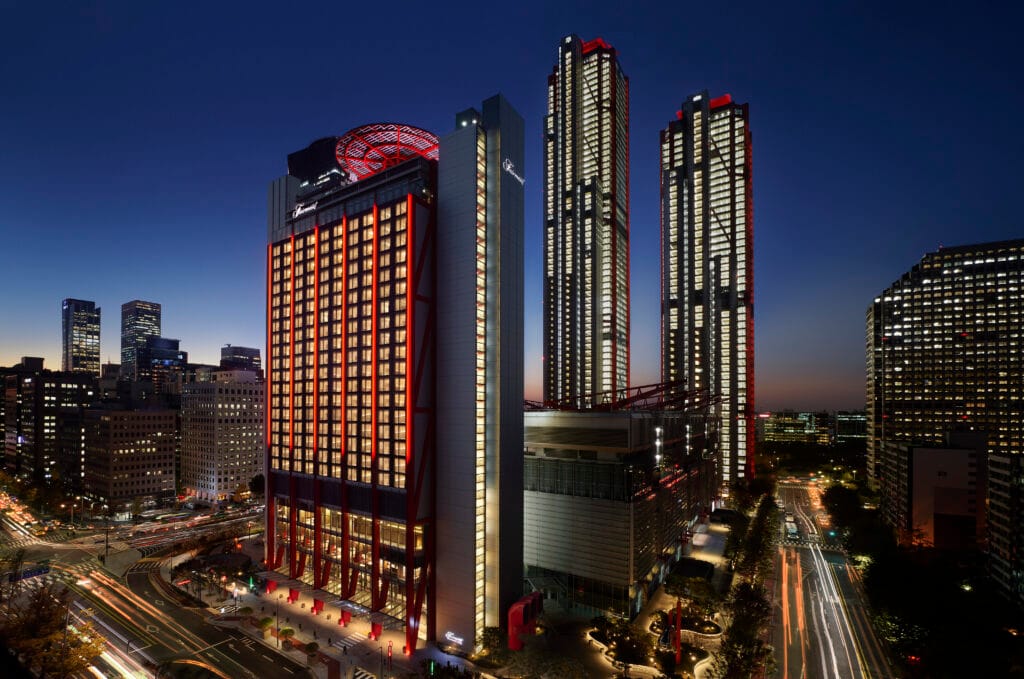 South KoreaSeoulRoyal palaces and hillside neighbourhoods meet one of Asia's most inventive dining scenes, led by a new generation of chefs.Explore Seoul →
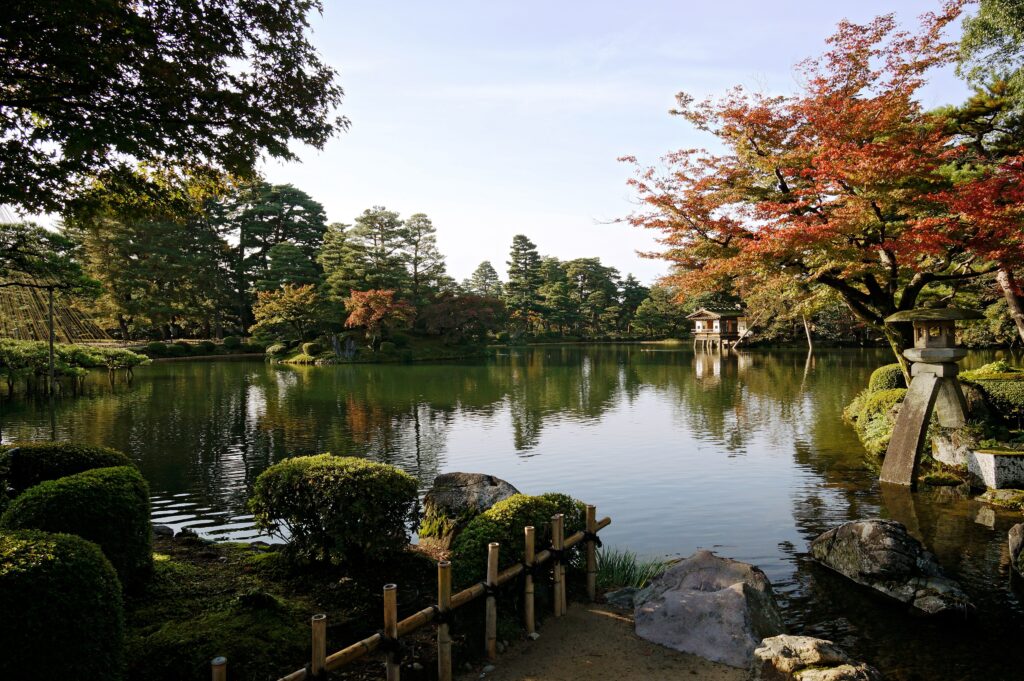 JapanKanazawaA feudal castle town that was never bombed: Kenrokuen garden, teahouse districts, gold leaf workshops and SANAA's 21st Century Museum, two and a half hours from Tokyo by shinkansen.Explore Kanazawa →