Bali
Indonesia · Southeast Asia
An island of water temples and rice terraces, with Ubud’s river valleys, the Bukit cliffs and Seminyak’s beach strip each holding a distinct set of hotels and restaurants.
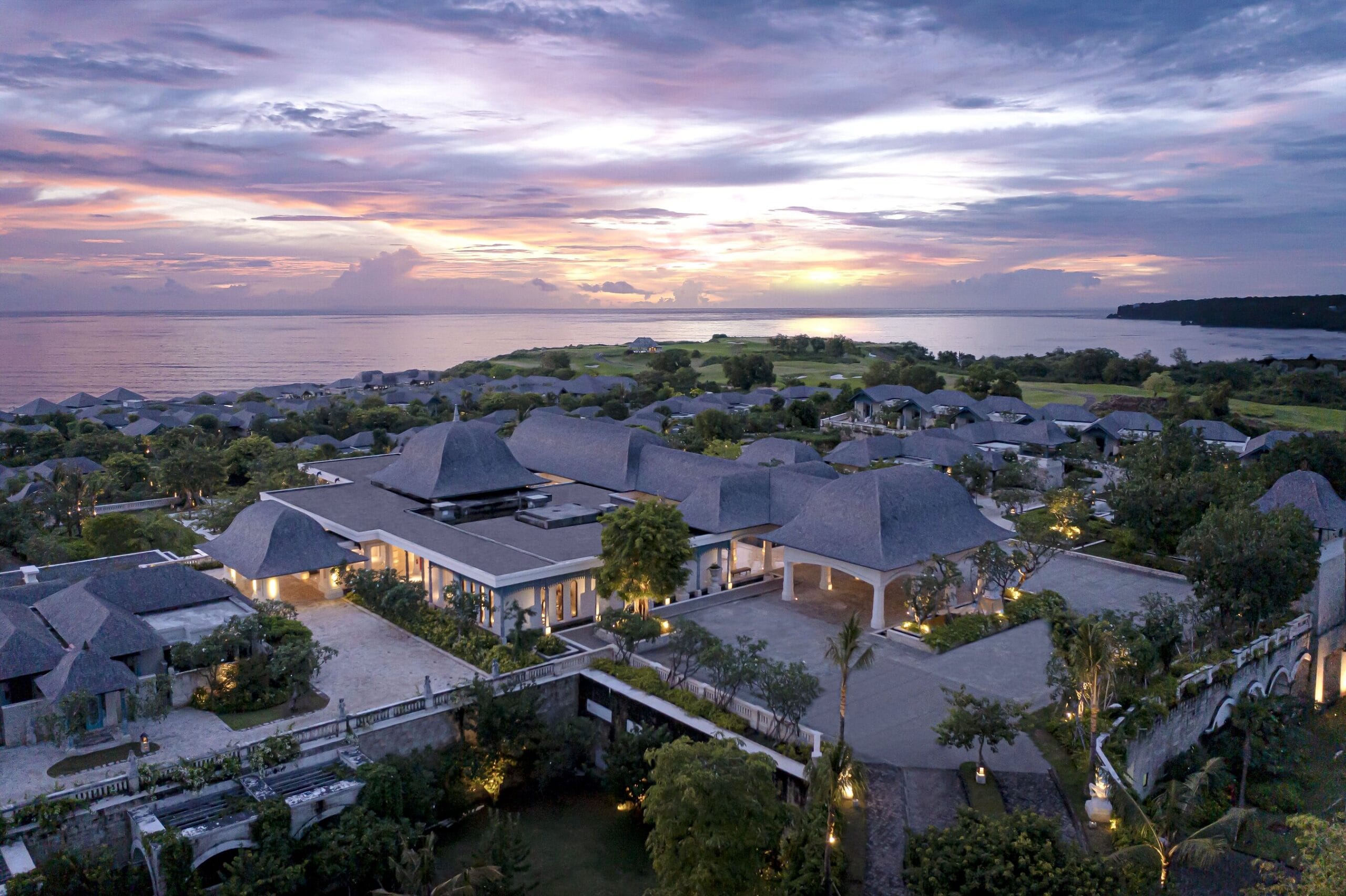
Photo: Jumeirah Group
Why visit
Why visit Bali
Bali’s appeal is that very different experiences sit within an hour or two of each other. In the highlands, the landscape is cultural as well as natural. The Supreme Water Temple of Pura Ulun Danu Batur stands on the edge of Lake Batur, the crater lake regarded as the origin of every spring and river on the island, and Bali has some 1,200 water collectives that still run the system. The philosophy behind it, Tri Hita Karana, draws together the realms of the spirit, the human world and nature, and shows in the daily offerings left on footpaths and doorways.
Ubud is the island’s cultural heart. Its museums sit mostly within walking distance of each other: Puri Lukisan, Ubud’s oldest, grew out of the Pitamaha artist cooperative of 1936, formed by the King of Ubud and the foreign artists Walter Spies and Rudolf Bonnet; the Neka Museum on its hillside holds traditional and contemporary Balinese art; and ARMA, to the south, stages dance performances in the evenings.
The coast supplies the other half. The Bukit cliffs near Uluwatu have the island’s best-known sea temple and a nightly Kecak show at sunset, and the surf at Canggu and Uluwatu is better in the dry season. Nusa Penida and Amed, offshore and on the north-east coast, are the diving and snorkelling areas.
Explore
What to see
UNESCO’s listing names a series of landscapes and temples rather than a single site. Besides Pura Ulun Danu Batur, they include the Subak Landscape of the Pakerisan Watershed, the oldest known irrigation system in Bali, and the Catur Angga Batukaru terraces, which are mentioned in a tenth-century inscription. Pura Taman Ayun, an eighteenth-century royal water temple, is the largest and most architecturally distinguished of the regional water temples. A culture guide to Bali’s rice terraces, water temples and rituals places these in context.
Other temples reward the effort. Pura Besakih, the Mother Temple, is the largest and holiest; go early and bring a guide. Tirta Empul is built around a sacred spring with two bathing places in use for about a thousand years, best visited at sunrise with a swimsuit. Pura Luhur Uluwatu perches on the cliffs above the surf break, with sparse railings, so take care.
Temple visits call for modest dress and a sarong, giving and receiving with the right hand, and care not to step on the daily offerings left on footpaths and entrances.
Hotels
Where to stay in Bali
Choose by area before choosing the hotel. The Ubud valleys are for rice terraces, forest and culture; the Bukit coast is for clifftop views and the ocean; and Seminyak is for the beach and the restaurants.
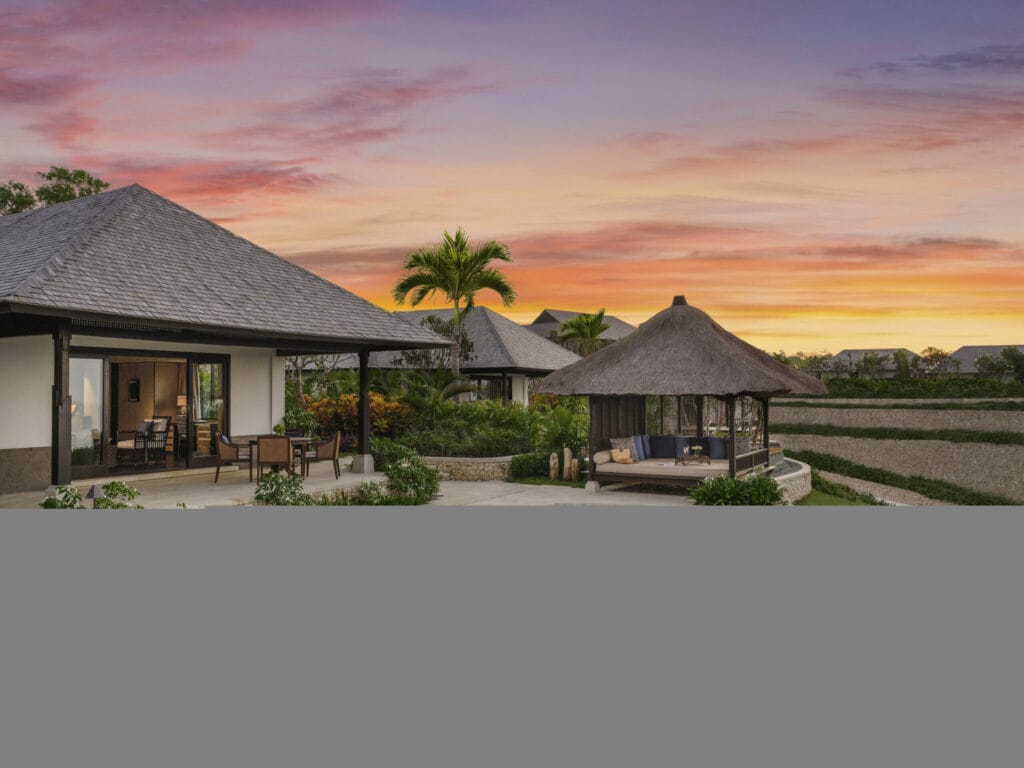
- AmandariAman · Kedewatan, Ubud
- Buahan, a Banyan Tree EscapeBanyan Tree · Payangan, north of Ubud
- Bvlgari Resort BaliBvlgari Hotels & Resorts · Uluwatu, Bukit Peninsula
- Capella Ubud, BaliCapella · Keliki, north of Ubud
- Desa Potato HeadPetitenget, Seminyak
- Four Seasons Resort Bali at SayanFour Seasons · Sayan, Ubud
- Hoshinoya BaliHOSHINOYA · Pakerisan valley, east of Ubud
- Mandapa, a Ritz-Carlton ReserveRitz-Carlton Reserve · Kedewatan, Ayung River valley, Ubud
Dining
Where to eat in Bali
Balinese flavour begins with base genep, a spice paste of shallots, garlic, galangal, turmeric and chillies, and runs through babi guling and bebek betutu, the island’s roast pig and slow-cooked duck. Much of the island’s ambitious cooking has gathered in and around Ubud, where chefs work with local farms and traditional methods.
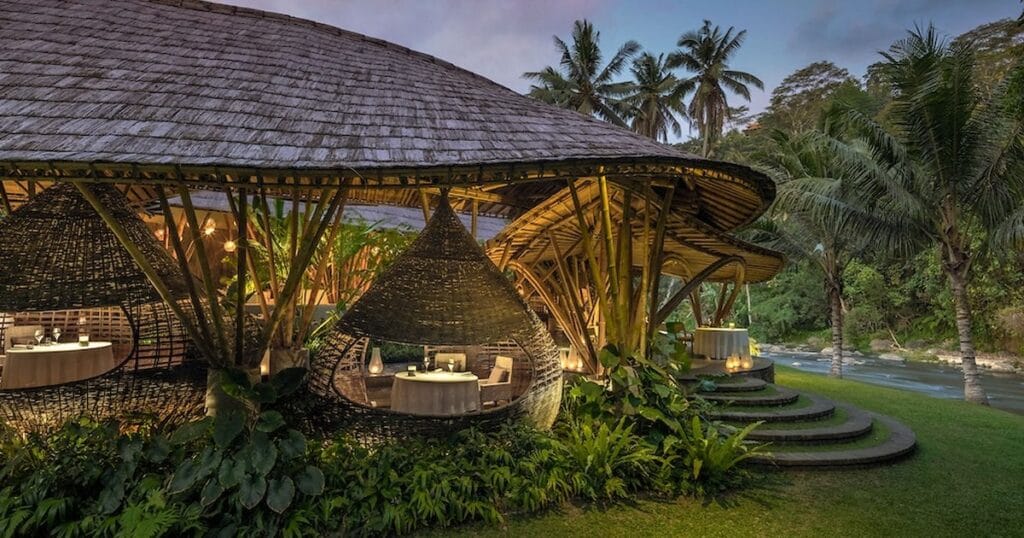 Contemporary · Kedewatan, Ubud (Ayung River valley)Kubu at MandapaMandapa's riverside restaurant, serving zero-waste tasting menus in private cocoons near Ubud.Explore →
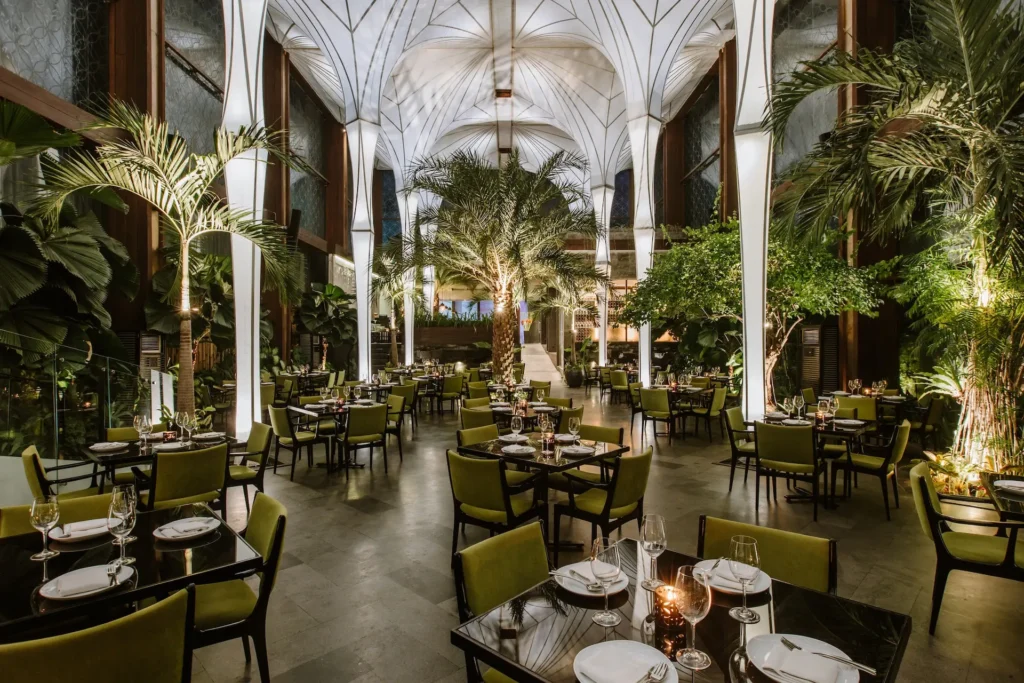 Indonesian · Petitenget, SeminyakMerah PutihExecutive chef Wiwik's modern Indonesian cooking on Jalan Petitenget in Bali.Explore →
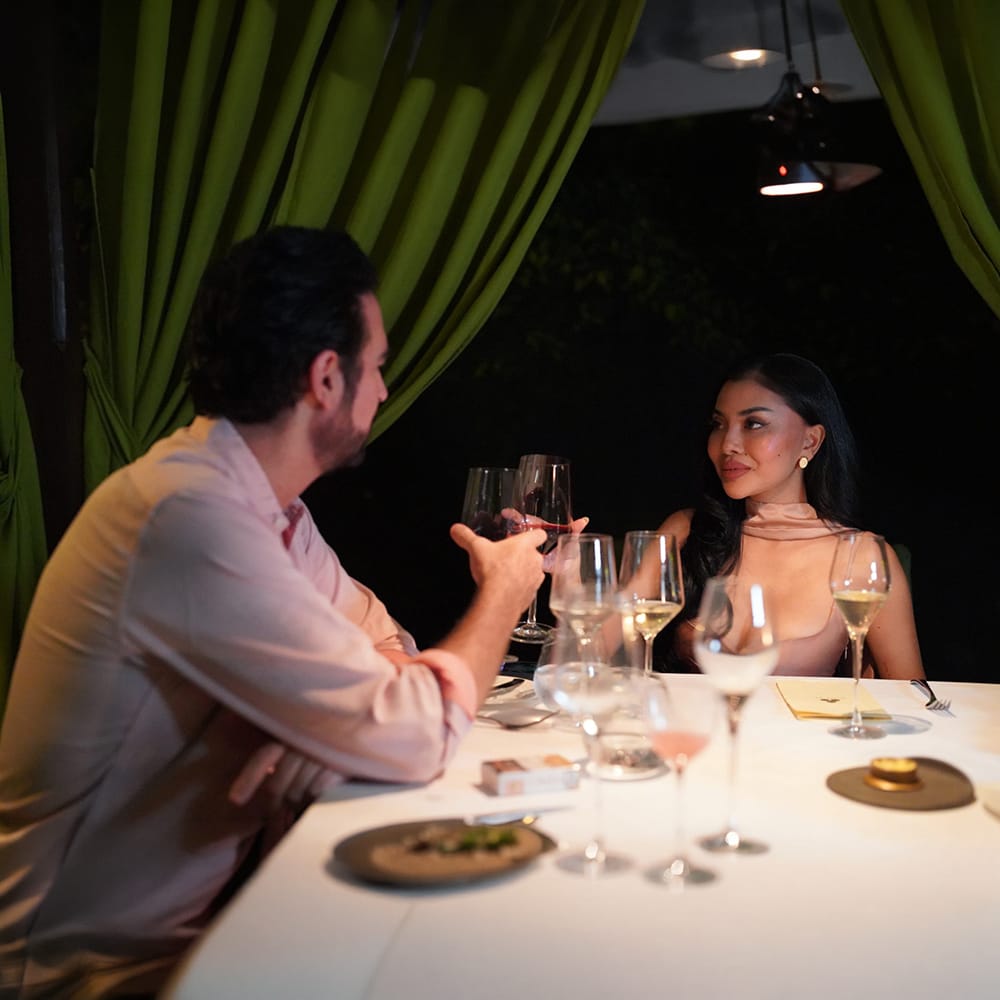 Contemporary · Sanggingan, UbudMozaicChris Salans and Blake Thornley's seasonal tasting menus in Ubud.Explore →
The Journal
Latest on Bali
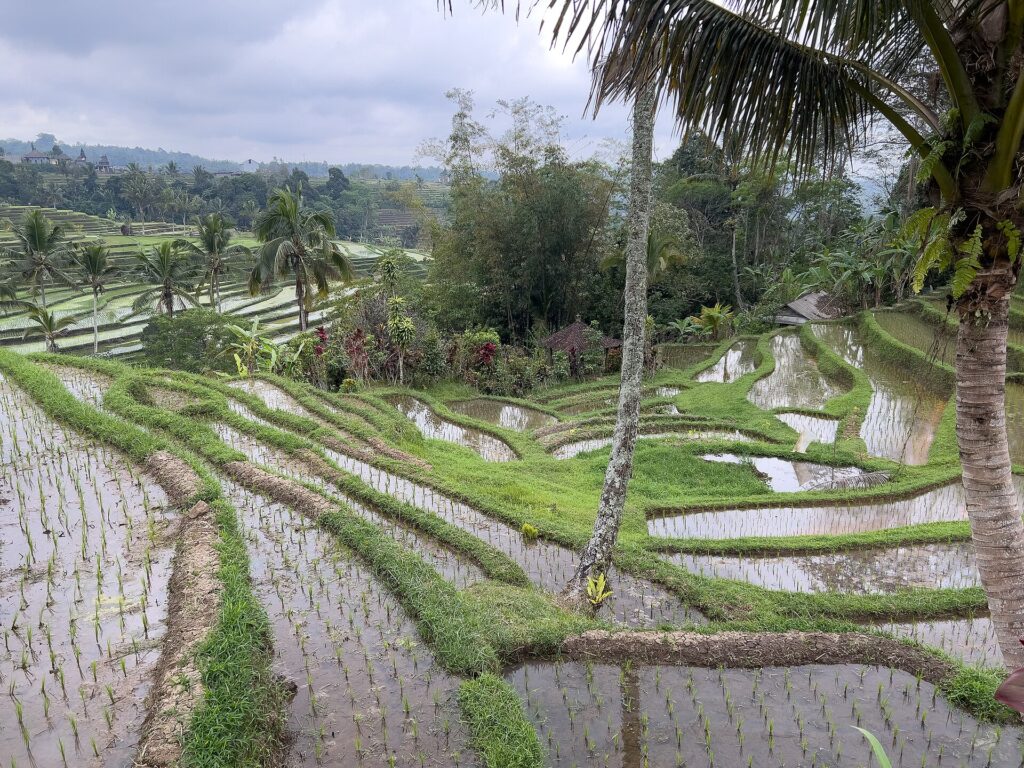
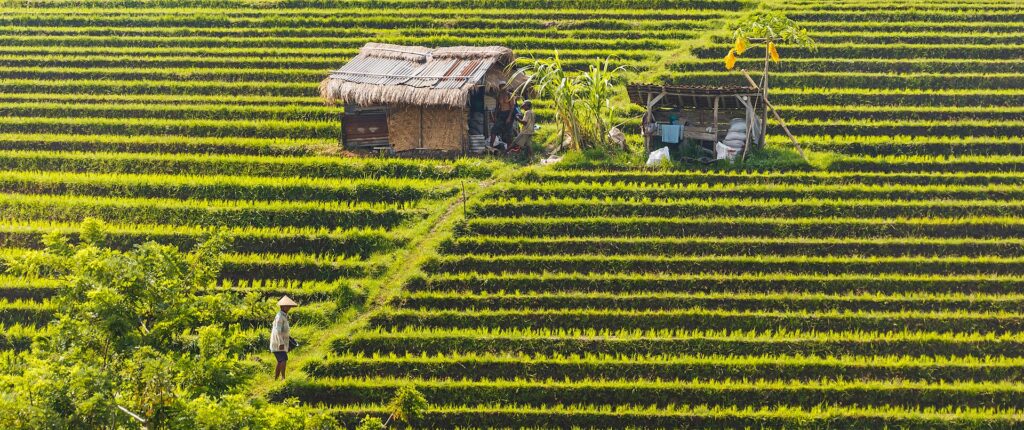 CultureSubak: The Water Temples and Rice Terraces Behind Bali’s Landscape4 October 2026
- Bali’s New Hotels: What Has Opened and What Is Coming in 2026 and 2027
- Desa Potato Head: How a Bali Beach Club Became a Near-Zero-Waste Village
- Cicada Resort Bali Ubud Joins Marriott’s 2026 Indonesia Openings
- Four Seasons Bali at Sayan Unveils Its First Reimagined Suites
- Buahan Opens in Bali With No Walls and No Doors
Before you go
Practical information
Best time to visit
The dry season runs roughly from April to October, with clear skies and lower humidity. April to May and September to October are the shoulder months, with fewer crowds. December to March brings rain, but also full waterfalls and green rice terraces. Divers and snorkellers get peak visibility from April to October around Nusa Penida and Amed. Nyepi, the Hindu New Year, usually falls in March, when the island goes quiet and everything closes, even the airport.
Getting around
Arrival at I Gusti Ngurah Rai International Airport can be crowded, with slow queues, so a pre-booked airport transfer or hotel pickup is the easy option. Taxis are plentiful, but some drivers tamper with meters. Bluebird is recommended for metered fares, and Gojek and Grab are generally more reliable. A private driver for the day is convenient, though journeys take longer than expected because of traffic. Self-driven scooters carry risks: accidents are common and insurance often does not cover them.
Read more
Distances shape where you stay. The northern Ubud resorts at Keliki and Payangan are 20 to 40 minutes from the town, and the Bukit is a long drive from the valleys, so plan to split a stay between areas rather than commute.
Practical notes
Bali is generally safe, with the main risks being petty theft in busy areas, scooter accidents and drink spiking in nightlife areas. Very cheap locally produced spirits can contain methanol. Carry a sarong for temples.
Continue exploring
More from Indonesia
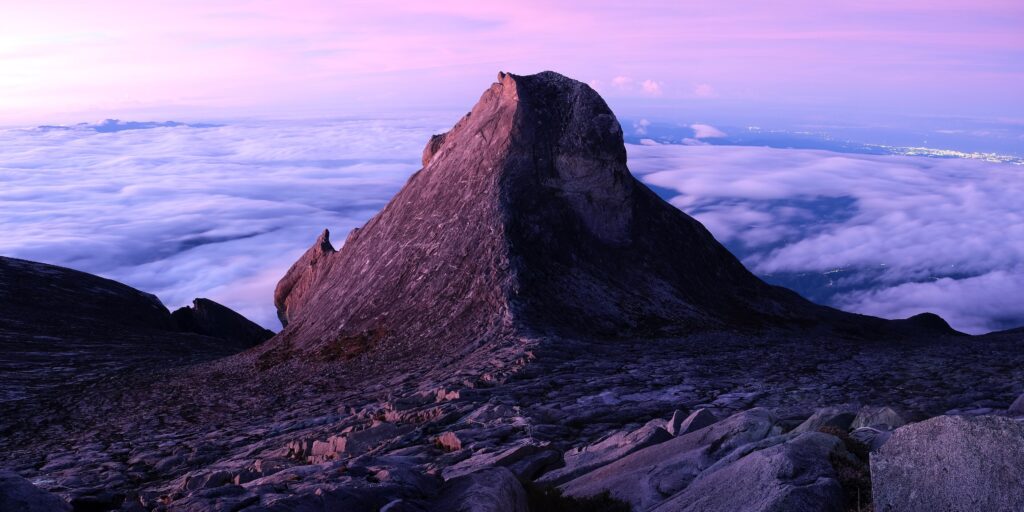 IndonesiaBorneoThe world's third-largest island, with Sabah's islands, rainforest and Mount Kinabalu, and the Niah Caves of Sarawak.Explore Borneo →
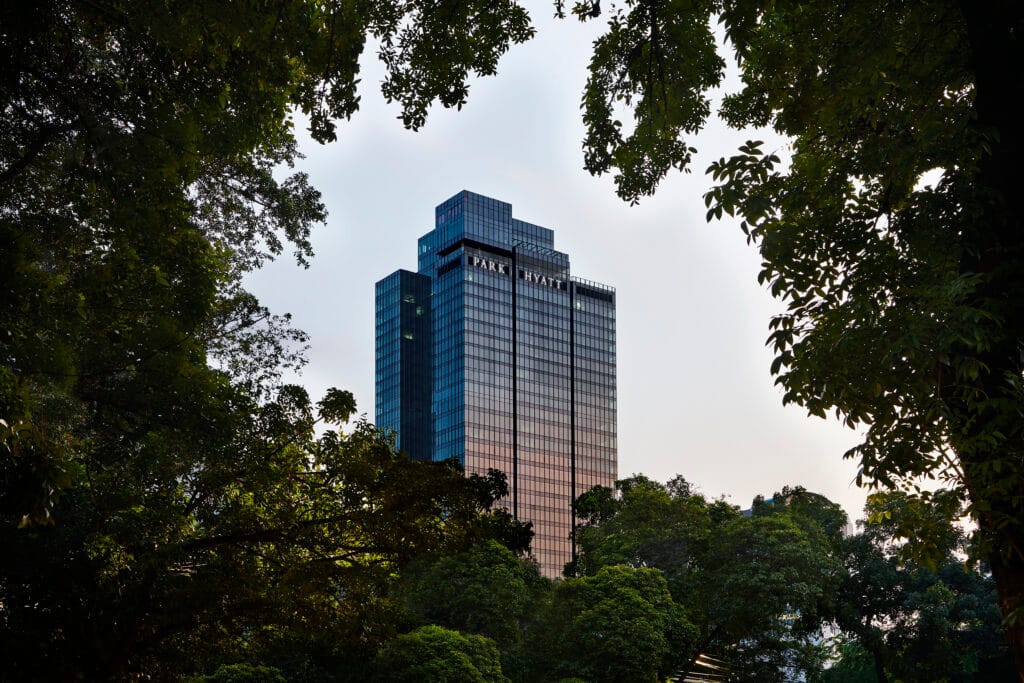 IndonesiaJakartaIndonesia’s capital: Dutch-era old town, garden suburbs, art museums and a run of new luxury hotels from Menteng to SCBD.Explore Jakarta →
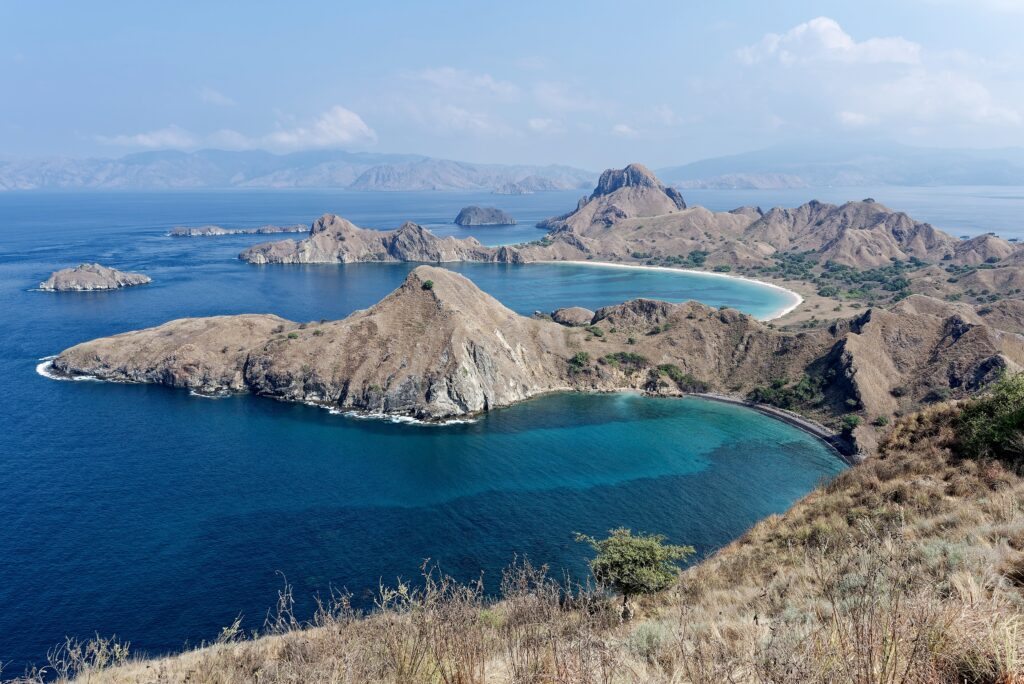 IndonesiaKomodo & FloresThe islands of the Komodo dragon and their reefs, reached from Labuan Bajo, with the volcanoes and villages of Flores beyond.Explore Komodo & Flores →