Borneo
Indonesia · Southeast Asia
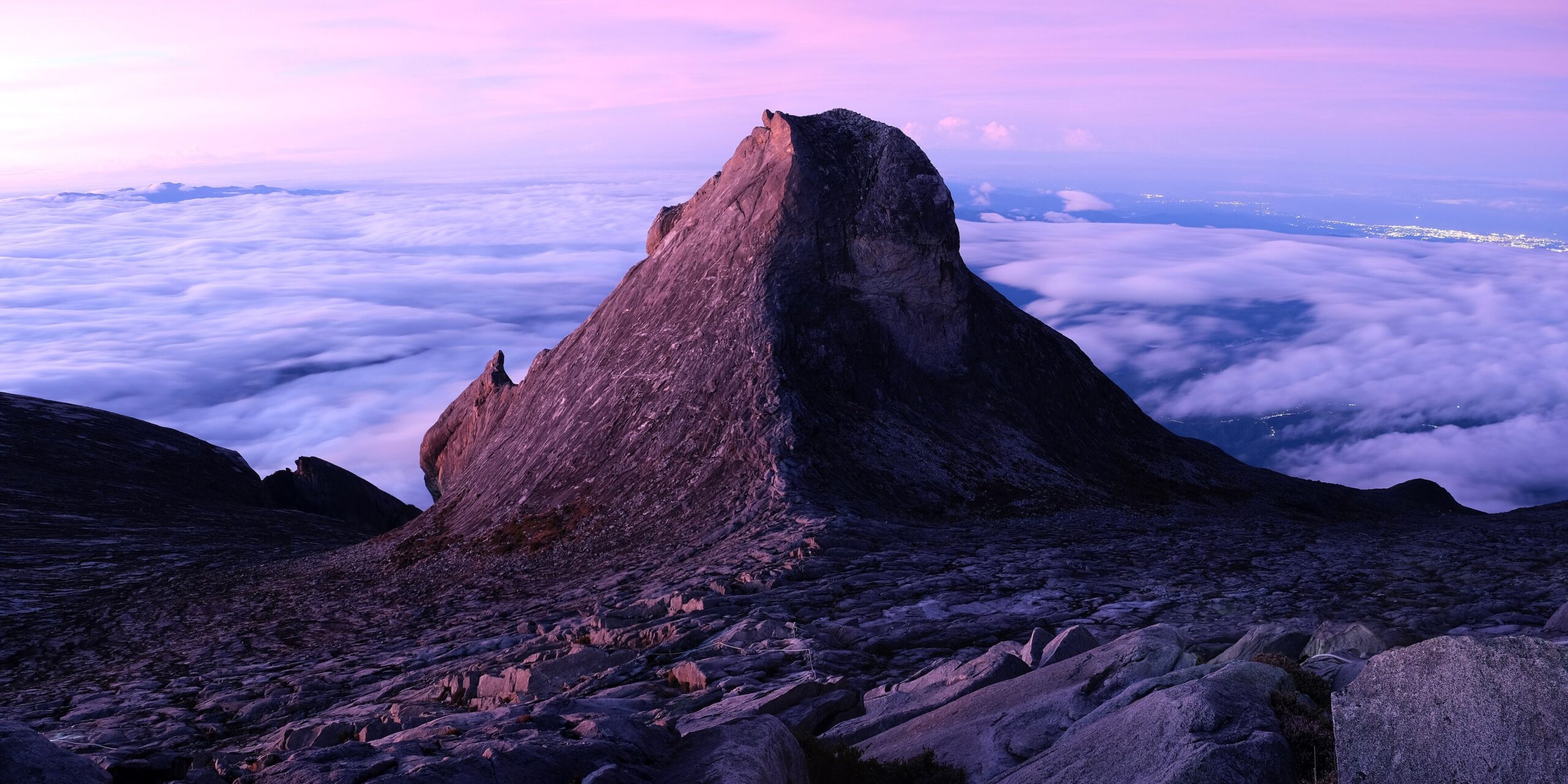
The world's third-largest island, with Sabah's islands, rainforest and Mount Kinabalu, and the Niah Caves of Sarawak.
Why visit
Why visit Borneo
Borneo’s rainforest and its islands are within reach of a city airport. Kinabalu Park, listed by UNESCO in 2000, covers 75,370 hectares from 152 metres to the summit of Mount Kinabalu at 4,095 metres, the highest mountain between the Himalayas and New Guinea. It holds at least half of Borneo’s plant species, with an estimated 5,000 to 6,000 vascular plants.
The Kinabatangan River is one of only two places on earth where ten primate species are found, and dawn and night cruises may show proboscis monkeys, rhinoceros hornbills and orangutans. A base near Kota Kinabalu puts you at the start of that journey rather than at the end of it.
Explore
What to see
Tunku Abdul Rahman Park, about three kilometres offshore from Kota Kinabalu, covers 50 square kilometres of five islands, Gaya, Manukan, Mamutik, Sapi and Sulug, with their reefs and surrounding sea. It was gazetted in 1974 as Sabah’s second national park, and offers snorkelling around Manukan, Gaya and Sulug, and about 20 kilometres of marked trails on Gaya, including a plank-walk across a mangrove swamp.
On the mainland, Sepilok’s orangutan rehabilitation centre is where you are most likely to see orangutans, though it draws many visitors at feeding times. Next door is the Rainforest Discovery Centre with a 28-metre canopy walkway, and the world’s only sun bear sanctuary opened to visitors nearby in 2014. Danum Valley has a 300-metre suspended walkway and night safaris, in virgin tropical forest with orangutans, proboscis monkeys and pygmy elephants. On the Kinabatangan River you can watch proboscis monkeys from a boat at dusk.
In Sarawak, UNESCO inscribed the Niah Caves in 2024 for what it calls the longest known records of human interaction with rainforest, with archaeological deposits, rock paintings and boat-shaped burials spanning tens of thousands of years; you can walk into the Great Cave. Further north-east, Gunung Mulu National Park is known for the evening bat exodus from Deer Cave.
Hotels
Where to stay in Borneo
The choice near Kota Kinabalu is between an island and a beach. Gaya Island Resort, one of YTL Hotels’ resorts, is set in Malohom Bay inside the marine park, with 120 villas and suites on a hillside between rainforest and mangrove. There are no cars: guests cover the resort on foot, by boardwalk and hill path, and Mount Kinabalu is visible on the horizon.
Dining
Where to eat in Borneo
Kota Kinabalu eats well and informally. Yee Fung Laksa, on Jalan Gaya, is known for a coconut-and-lemongrass laksa broth with shrimp and chicken, and is closed on Tuesdays. Fatt Kee Seafood Restaurant serves seafood noodle soup in tomato or tom yam broth, and Welcome Seafood Restaurant specialises in crabs, scallops and freshwater prawns. Check opening days before you go.
Experiences
Experiences in Borneo
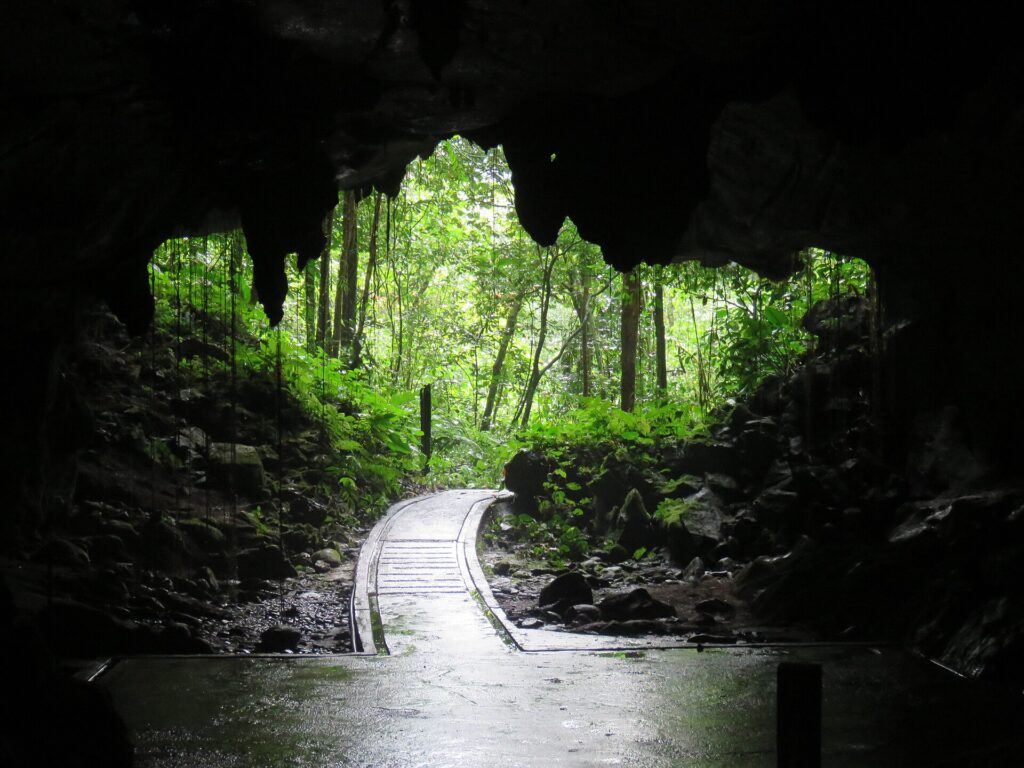 WildlifeWalk to Deer Cave at Mulu for the evening bat exodusA guided walk into Deer Cave in Gunung Mulu National Park, then, weather permitting, the evening flight of some two to three million bats.Explore →
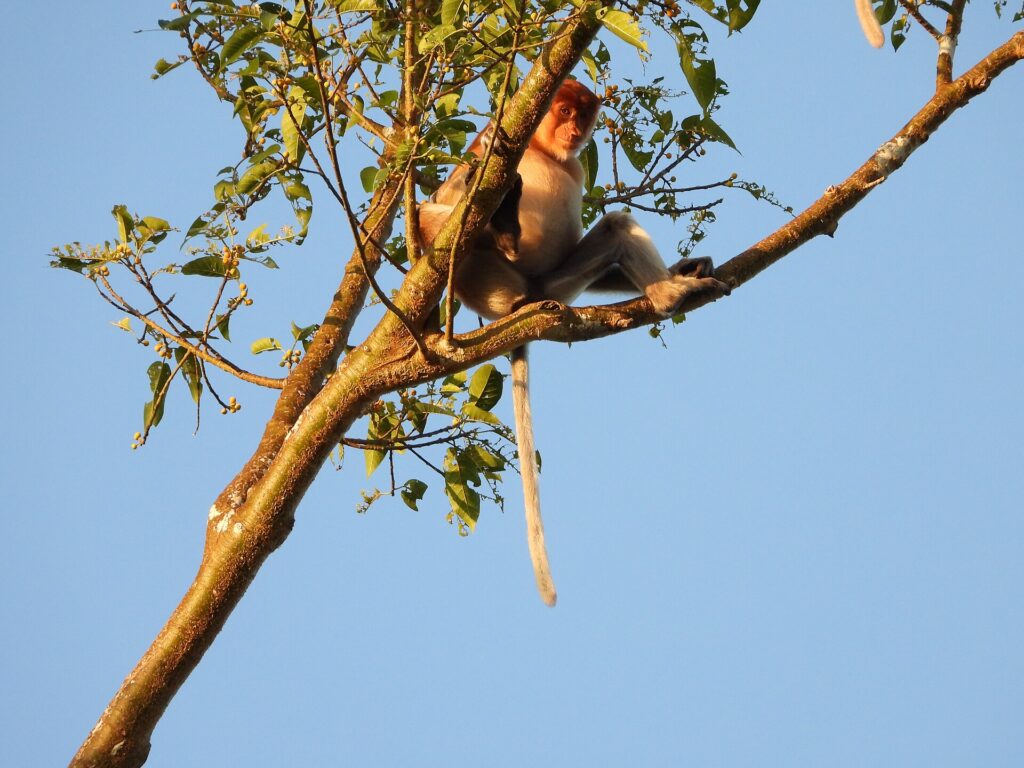 WildlifeWatch proboscis monkeys from a boat on the KinabatanganDawn and dusk boat safaris on Sabah's Kinabatangan river, for proboscis monkeys, hornbills and a chance of pygmy elephants.Explore →
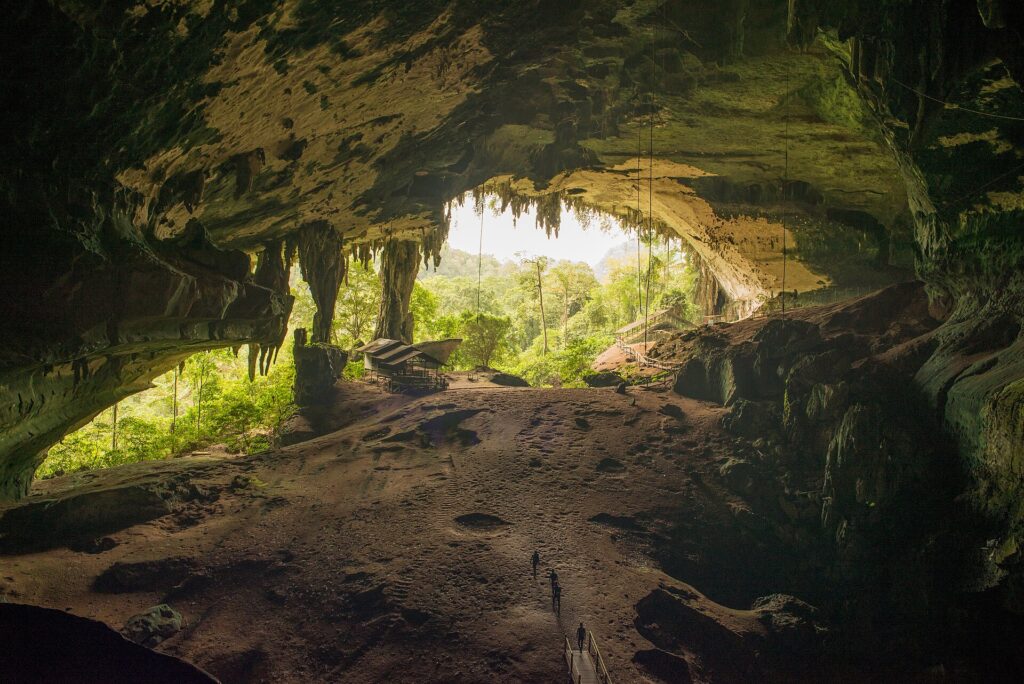 NatureWalk into the Great Cave of NiahA forest boardwalk walk to the very large mouth of the Great Cave and on through the dark to ancient rock paintings.Explore →
The Journal
Latest on Borneo
Before you go
Practical information
Best time to visit
Sabah can be visited all year round, with August and September the best months for beach days. Hawksbill and green turtles lay eggs on Lankayan Island from June to August.
Getting around
Kota Kinabalu is the gateway. Gaya Island Resort is a short speedboat crossing from the city, and Tunku Abdul Rahman Park is about three kilometres offshore. KK is a pleasant place to spend a few days recovering from jet lag before heading into the wilderness, with walkable streets and beaches a short trip away. Sepilok, the Kinabatangan and Danum Valley are separate trips from the city.
Practical notes
Sabah Parks lists opening hours for Tunku Abdul Rahman Park of 8am to 5pm every day, so day visits from the resorts should be planned around that. Check current access conditions for the Kinabatangan and Danum Valley with a licensed operator.
Continue exploring
More from Indonesia
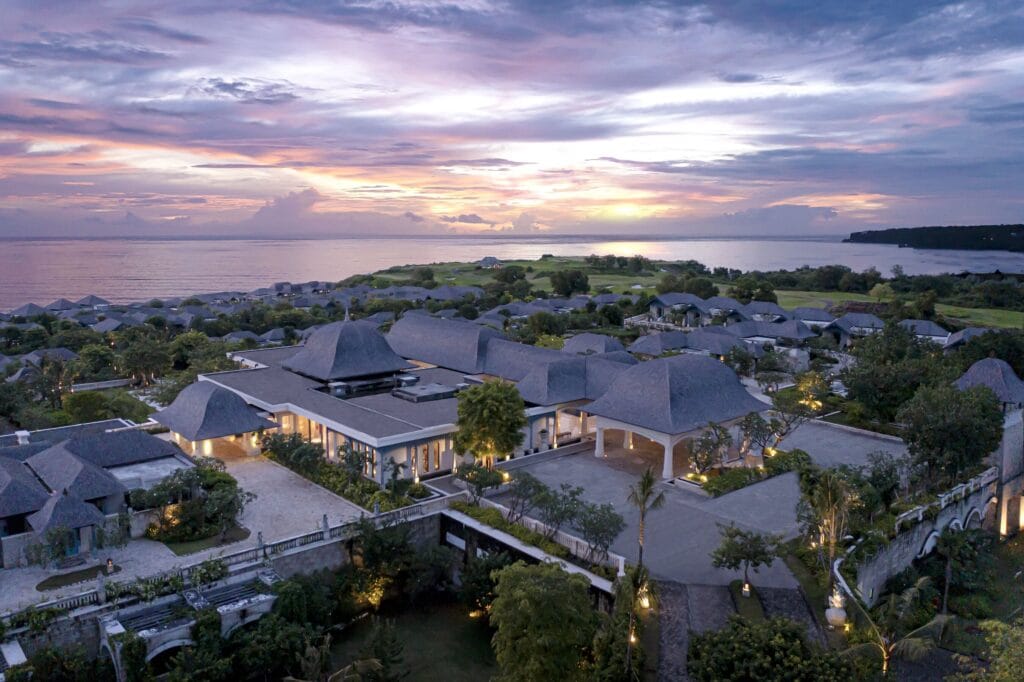 IndonesiaBaliAn island of water temples and rice terraces, with Ubud’s river valleys, the Bukit cliffs and Seminyak’s beach strip each holding a distinct set of hotels and restaurants.Explore Bali →
 IndonesiaJakartaIndonesia’s capital: Dutch-era old town, garden suburbs, art museums and a run of new luxury hotels from Menteng to SCBD.Explore Jakarta →
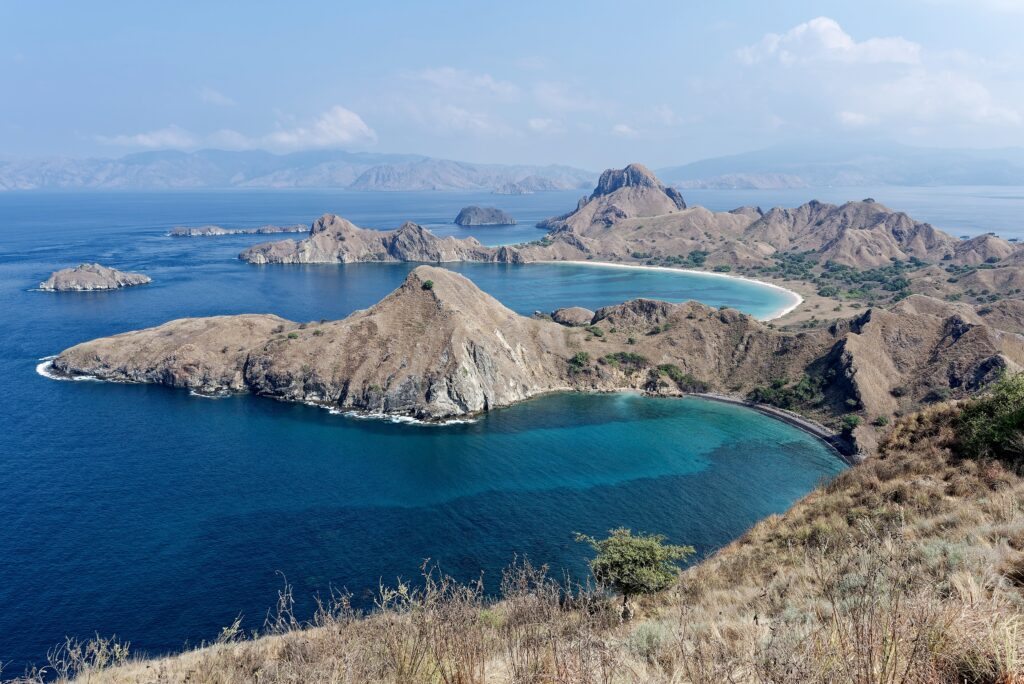 IndonesiaKomodo & FloresThe islands of the Komodo dragon and their reefs, reached from Labuan Bajo, with the volcanoes and villages of Flores beyond.Explore Komodo & Flores →