Singapore
Singapore · Southeast Asia
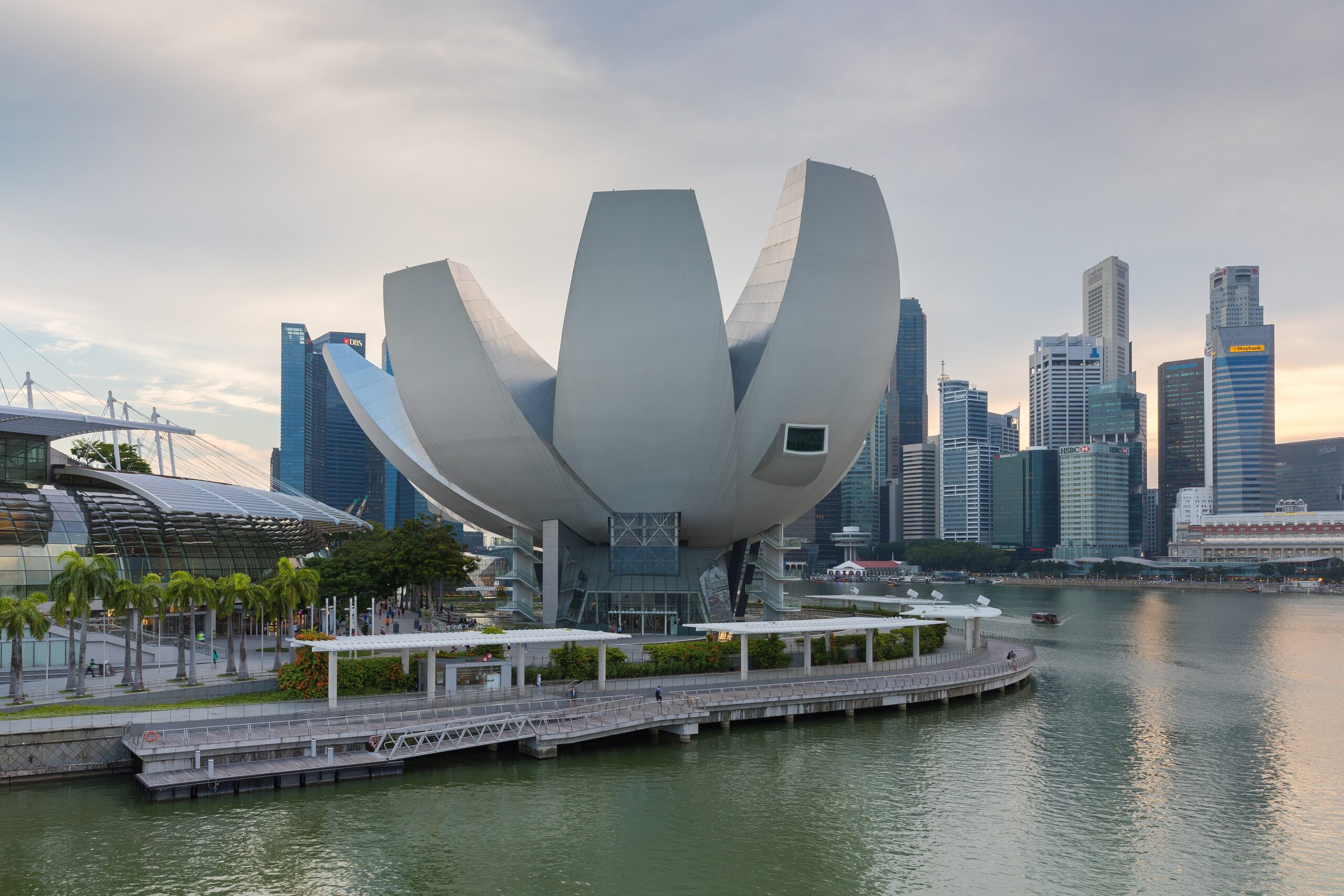
A compact city-state of gardens, hawker food, leading restaurants and landmark hotels, at the crossroads of Southeast Asia.
Why visit
Why visit Singapore
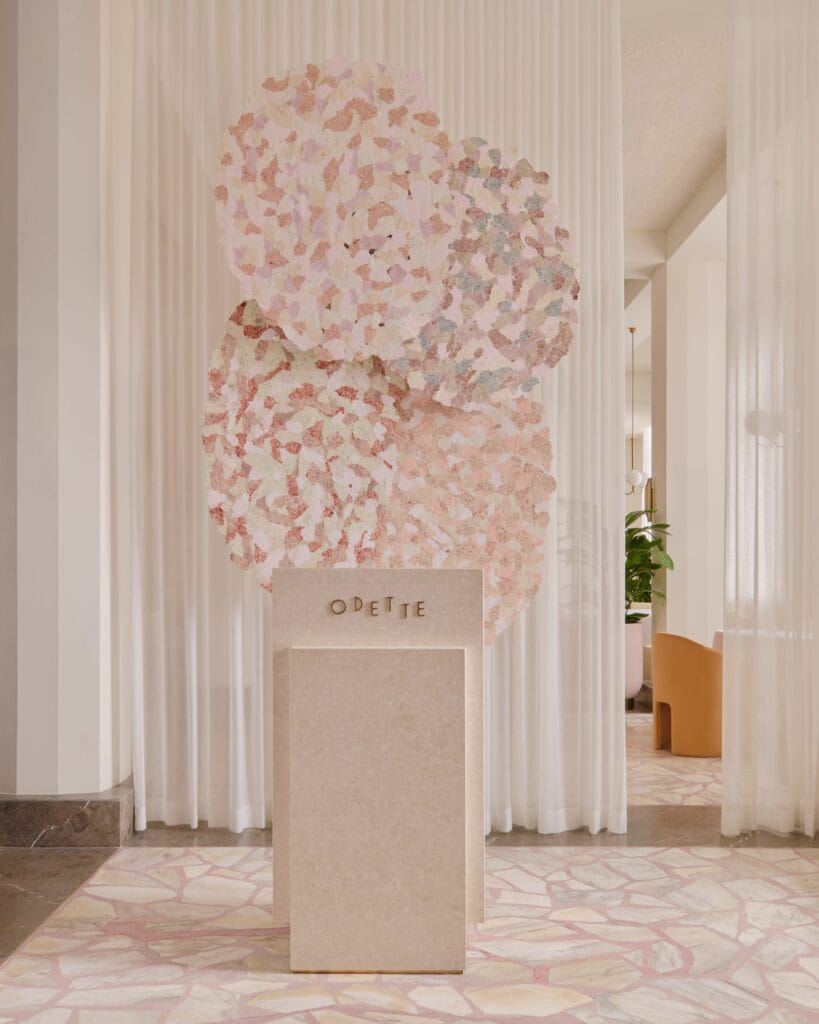
Go for the food first. Singapore's hawker centres, recognised by UNESCO in 2020, serve Hainanese chicken rice, laksa, char kway teow and satay at a few dollars a plate, and the same city has restaurants at the top of every Asian ranking, among them Odette. The Michelin Guide has covered both since 2016.
Go also for the way the city has built nature into itself: the Botanic Gardens, the Supertrees and glass domes of Gardens by the Bay, and towers covered in planting. And go because it is the natural gateway to the region, with direct flights to almost everywhere in Asia.
Explore
What to see
The National Gallery Singapore, in the former City Hall and Supreme Court, holds the leading collection of Southeast Asian modern art. The Botanic Gardens, with the National Orchid Garden, are at their best early in the morning. Gardens by the Bay is worth an evening for the lit Supertrees. Chinatown, Kampong Gelam around the Sultan Mosque and Little India each deserve a few hours on foot, as do the pastel shophouses of Joo Chiat and Katong. The Asian Civilisations Museum and the Peranakan Museum explain the trading history that made the city.
Hotels
Where to stay in Singapore
The Civic District has the grand addresses, led by Raffles Singapore, restored in 2019. Marina Bay has the large modern hotels with skyline views. Orchard Road is the shopping street, where NoMad Singapore is scheduled to open on 1 December 2026. Chinatown and Tanjong Pagar have smaller hotels in restored shophouses, close to the best bars. Sentosa, the resort island to the south, suits families and those who want a pool and a beach, at Raffles Sentosa or Capella.
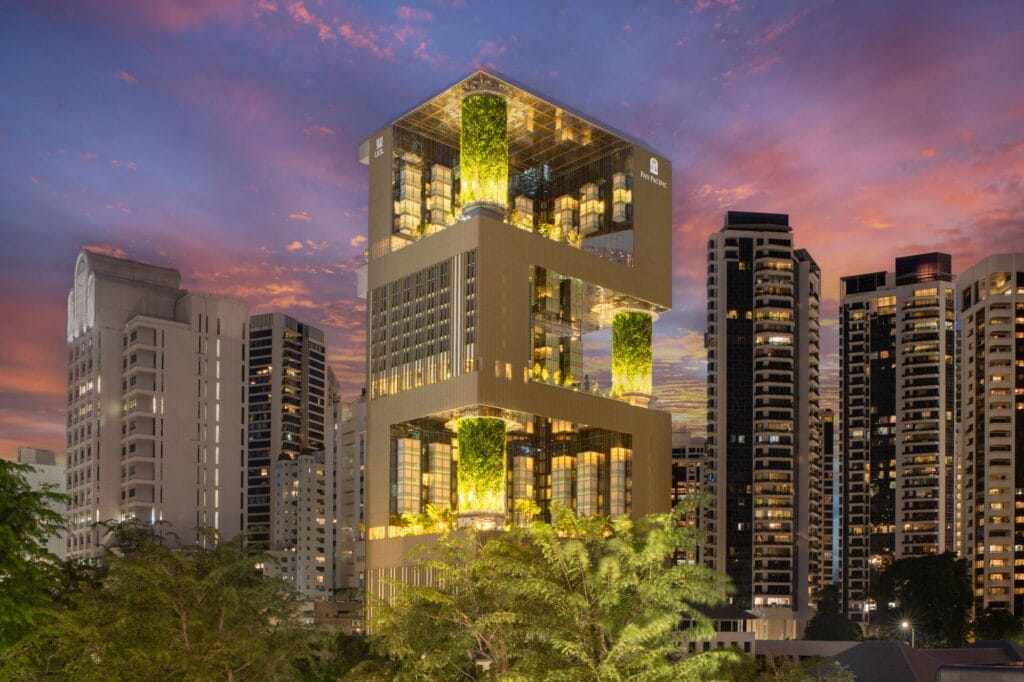 Claymore Road, Orchard RoadPan Pacific OrchardA planted tower by WOHA off Orchard Road: 347 rooms around four open-air terraces of forest, beach, garden and cloud.Explore →
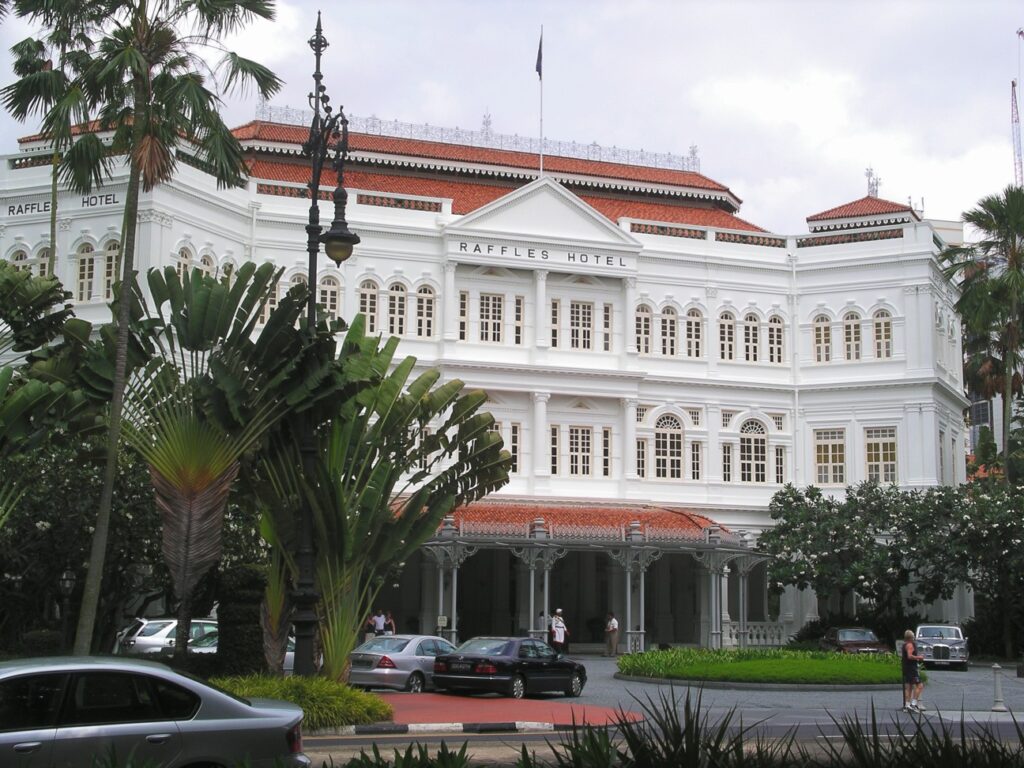 Raffles · Beach Road, Civic DistrictRaffles SingaporeThe 1887 grande dame of Singapore: 115 suites, palm courtyards, the Long Bar and a butler for every guest.Explore →
Dining
Where to eat in Singapore
Start at a hawker centre: Maxwell and Amoy Street in Chinatown, Tiong Bahru Market, Old Airport Road or Newton. Go at breakfast for kaya toast and coffee, and again for lunch. For Peranakan cooking, the cuisine of the Straits Chinese, try Candlenut or National Kitchen by Violet Oon at the National Gallery. The leading fine-dining rooms, including Odette, Les Amis and Zén, held three Michelin stars in the 2025 guide and need reservations weeks ahead; see our report on the 2026 guide. The bar scene, centred on Tanjong Pagar and Keong Saik Road, is among the strongest in Asia.
Experiences
Experiences in Singapore
The Journal
Latest on Singapore
- Michelin Guide Singapore 2026: André Chiang Returns With Two Stars
- Raffles Sentosa Opens as Singapore’s First All-Villa Resort
- Odette Named No.1 in Asia’s 50 Best Restaurants 2019
- Michelin Arrives in Singapore and Gives Stars to Two Hawker Stalls
- National Gallery Singapore Opens in the Former City Hall and Supreme Court
Before you go
Practical information
Best time to visit
Singapore lies one degree north of the equator. It is hot and humid all year, between 25 and 32 degrees, with showers in every month. February to April is the driest and sunniest period. November to January is the wettest. Chinese New Year, in January or February, and the Formula One night race, in late September or early October, are the busiest weeks, with hotel rates to match.
Getting around
Changi Airport is 20 to 30 minutes from the centre by taxi. The MRT, the metro, is clean, cheap and covers most places a visitor wants to go; contactless bank cards work at the gates. Taxis and ride-hailing cars are plentiful and inexpensive by the standards of other world cities. The central districts can be walked, in the morning and evening, under the covered five-foot ways of the shophouses.
Practical notes
English is the working language. Tap water is safe. The city is among the safest in the world, and its laws on litter, smoking and drugs are strictly enforced. Tipping is not expected; restaurants add a service charge. Dress is informal, though air-conditioning indoors is cold. Most visitors need two to four days, often at the start or end of a longer journey, for example aboard the Eastern & Oriental Express.
Continue exploring
More from Southeast Asia
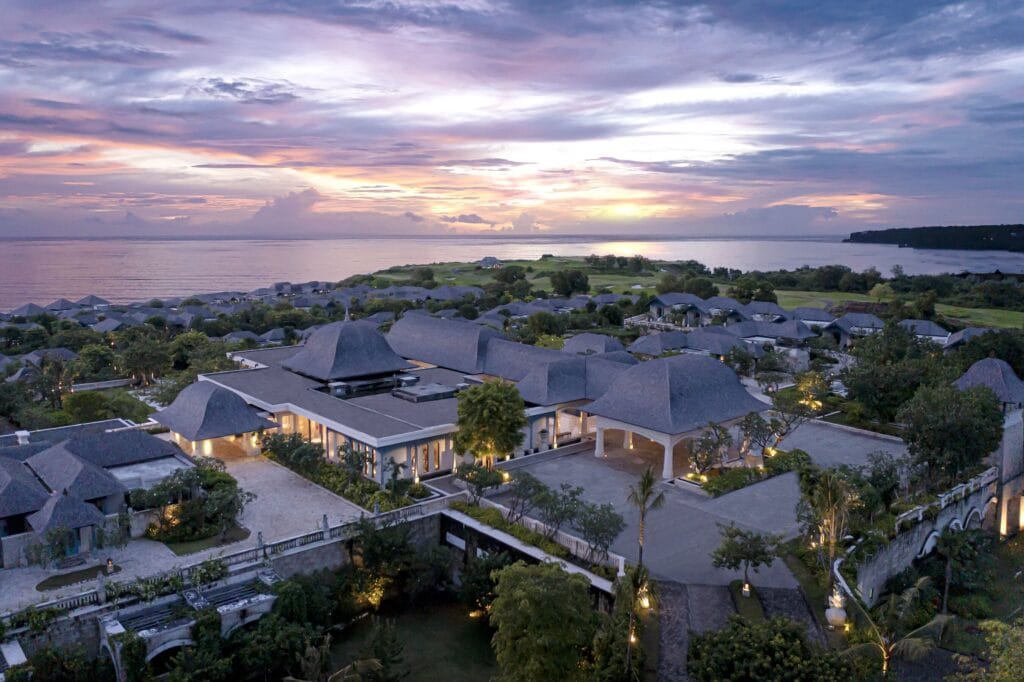 IndonesiaBaliIndonesia's island of temples, rice terraces and clifftop coastlines, with celebrated resorts and a fast-evolving dining scene.Explore Bali →
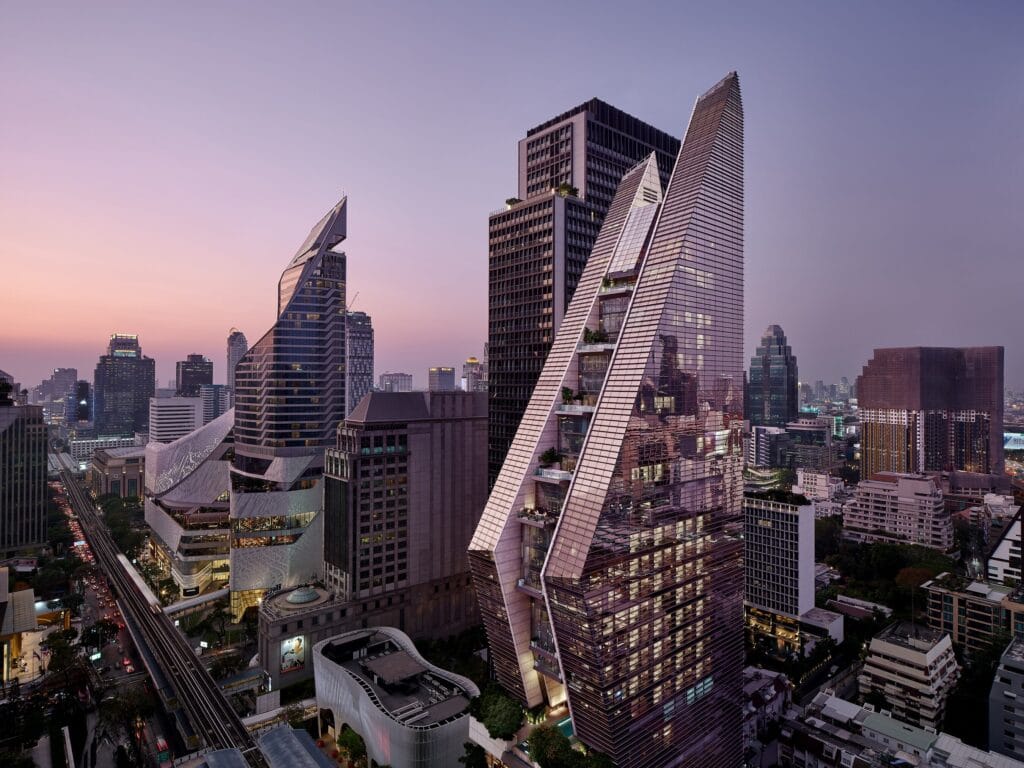 ThailandBangkokThailand's capital on the Chao Phraya, with glittering temples, legendary riverside hotels and an exciting food scene.Explore Bangkok →
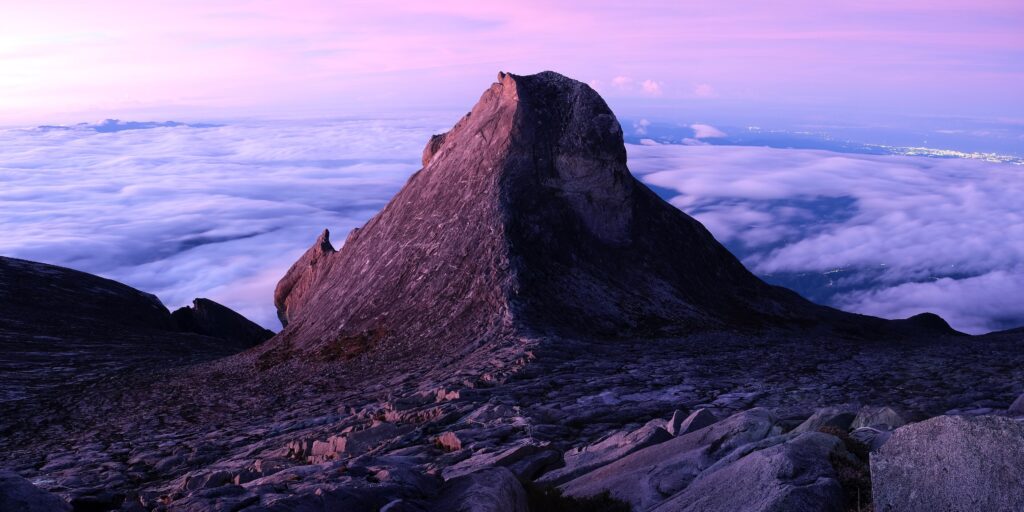 IndonesiaBorneoThe Indonesian side of Borneo, where river forests shelter orangutans and the history of their conservation began.Explore Borneo →