Phuket: Resorts, Beaches and Old Town
Thailand · Southeast Asia
Thailand's largest island: secluded west-coast resorts, the Sino-Portuguese streets of the old town and boats to Phang Nga Bay.
Photo: Mussi Katz / Wikimedia Commons
Why visit
Why visit Phuket
Go for resorts of a high order. Amanpuri, which opened on a headland above Pansea Beach in 1988, introduced the villa resort without a lobby, and the island has attracted ambitious hotels ever since.
Go also for what lies behind the beaches. Phuket’s old town has streets of Sino-Portuguese shophouses and a cooking shaped by its Chinese-Thai Baba community, which earned the island the title of UNESCO Creative City of Gastronomy in 2015.
Explore
What to see
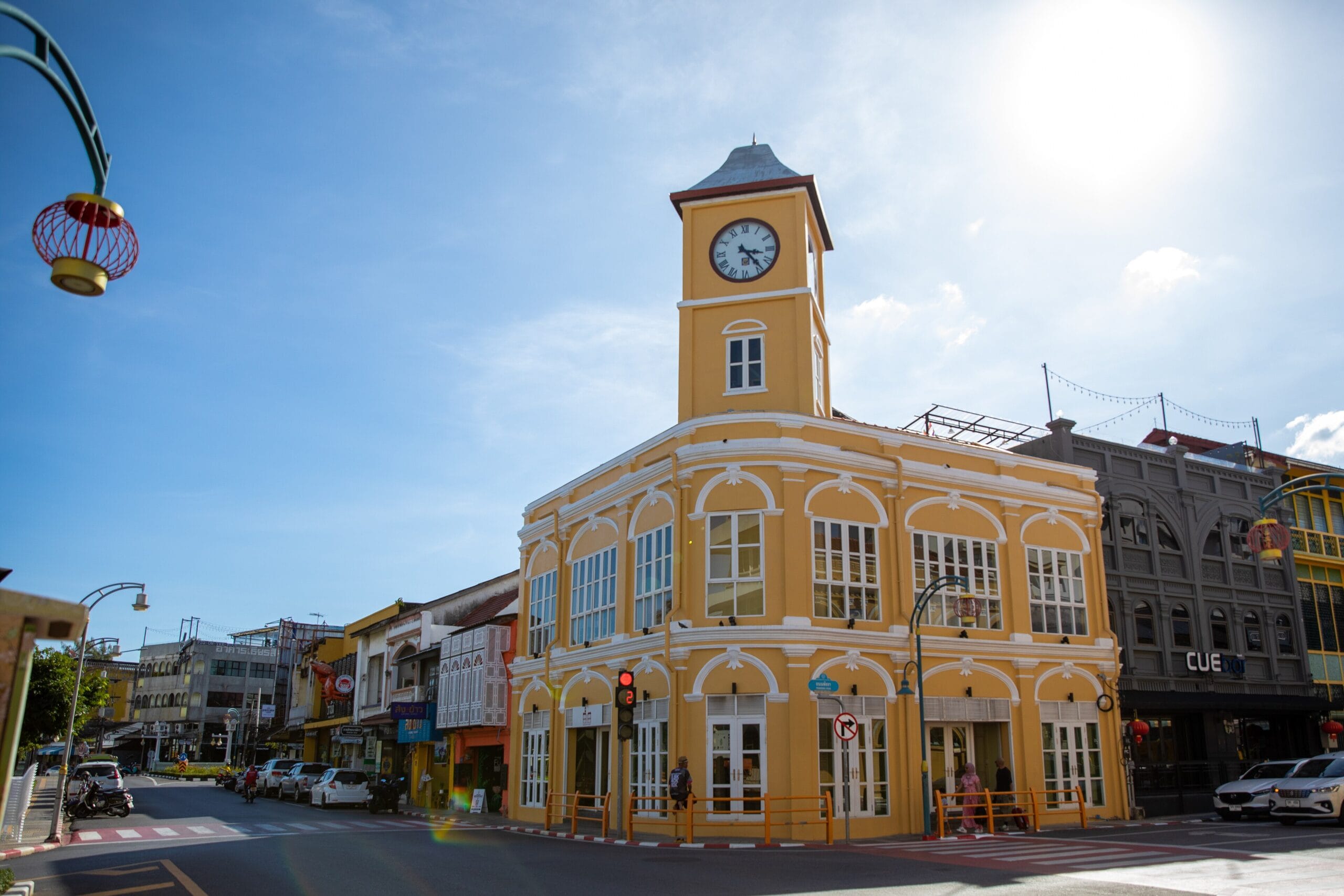
The old town is the place to spend half a day: Thalang, Dibuk, Krabi and Phang Nga roads are lined with shophouses and mansions from the tin boom in Sino-Portuguese style, many now cafés, small hotels and museums. Walking these streets is best in the morning, before the heat. It is busiest on Sunday evenings, when Thalang Road becomes a market.
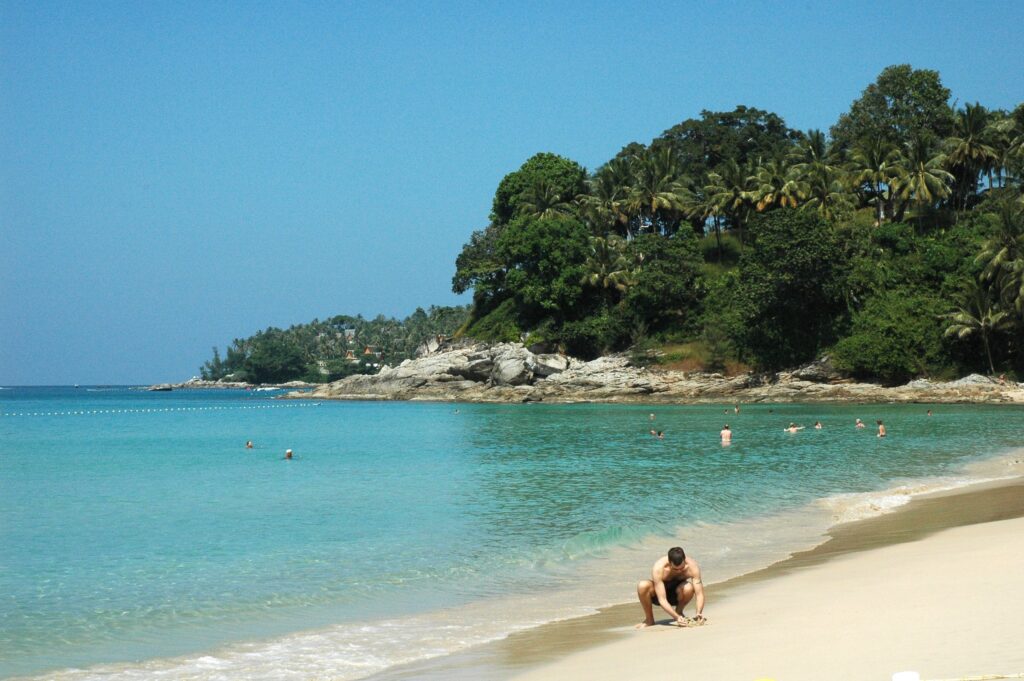
The west-coast beaches run from Mai Khao and Bang Tao in the north, through Surin and Kamala, to Kata and Nai Harn in the south. Laem Phromthep, the cape at the southern tip, is a favourite place at sunset. Wat Chalong is the island’s principal temple, and a seated Buddha 45 metres high looks over it from the hill above.
Phang Nga Bay, with limestone islands rising from a shallow sea, is reached by boat from the east coast.
Hotels
Where to stay in Phuket
Choose the bay before the hotel: the character of a stay depends on the stretch of coast. Amanpuri remains the reference, with its pavilions among the palms and a midnight-blue pool; it reopened in September 2026 after a seasonal refresh. Rosewood Phuket has 71 pool pavilions and villas on Emerald Bay in the south-west.
Banyan Tree Veya is a wellbeing retreat of 23 villas within Laguna Phuket at Bang Tao. Above Kamala, on the edge of the rainforest, Keemala has 38 pool villas built as tents, tree houses, clay cottages and bird’s nests, and holds two Michelin Keys. The Phuket guide compares the coasts.
 Aman · Pansea Beach, west coast of PhuketAmanpuriThe first Aman, opened in 1988 on a coconut plantation above Pansea Beach: Ed Tuttle's teak pavilions with roofs drawn from the temples of Ayutthaya, reached by walkways through the palms.Explore →
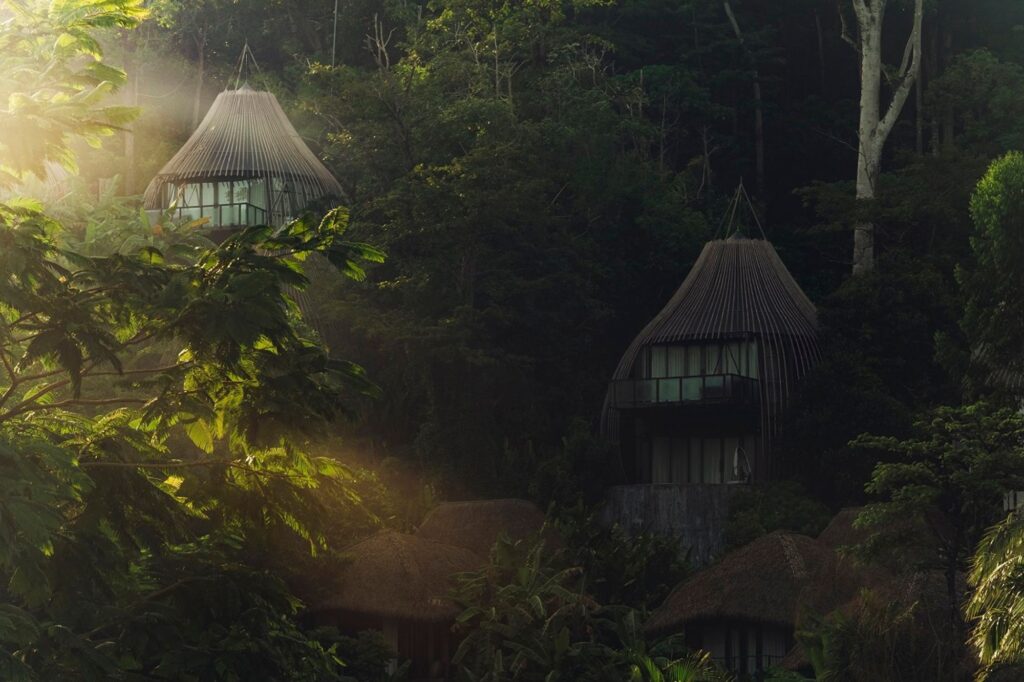 Kamala, west coast of PhuketKeemalaThirty-eight pool villas in four forms (tents, tree houses, clay cottages, bird's nests) on the rainforest slope above Kamala; two Michelin Keys.Explore →
 Rosewood · Emerald Bay, south-west coast of PhuketRosewood PhuketEmerald Bay, on Phuket's Patong Headland, passed through several developers and two hotel brands before Rosewood opened there in 2017, with 71 pool villas set as a village running from forest to beach.Explore →
Dining
Where to eat in Phuket
Phuket’s own cooking is Hokkien Chinese in origin and southern Thai in its heat: Hokkien noodles, pork braised with pepper and garlic, and dim sum for breakfast in the old town. Ta Khai, at Rosewood Phuket, serves Thai seafood in the style of a fishing village.

Experiences
Experiences in Phuket
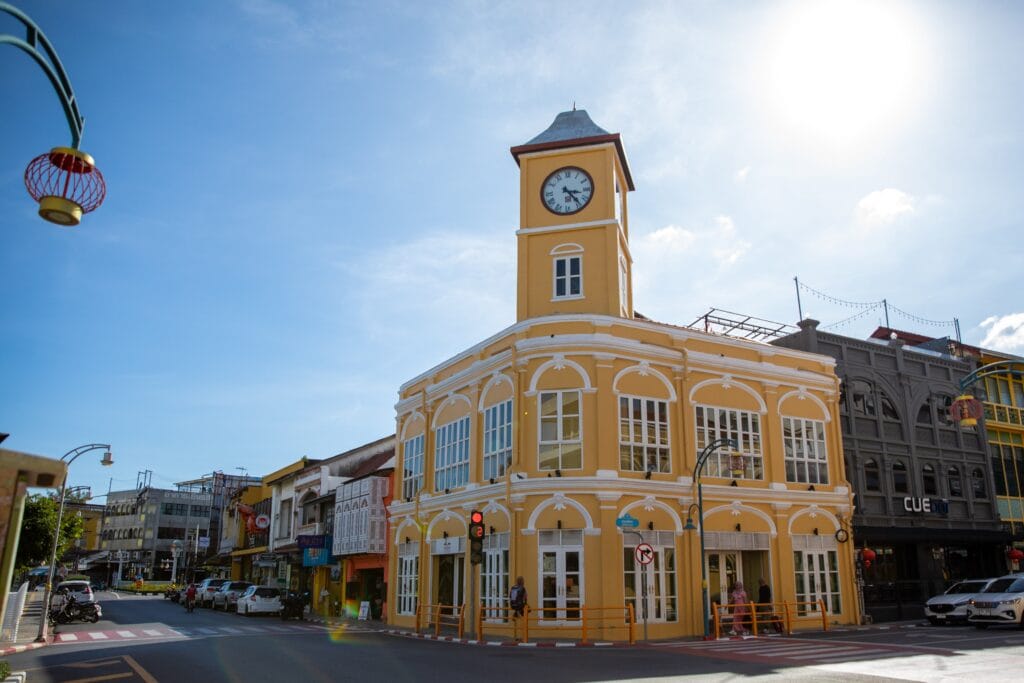 Cultural ImmersionWalk the Sino-Portuguese streets of Phuket Old TownA morning walk through the shophouse streets of Phuket's old tin-mining town, with a Baba breakfast.Explore →
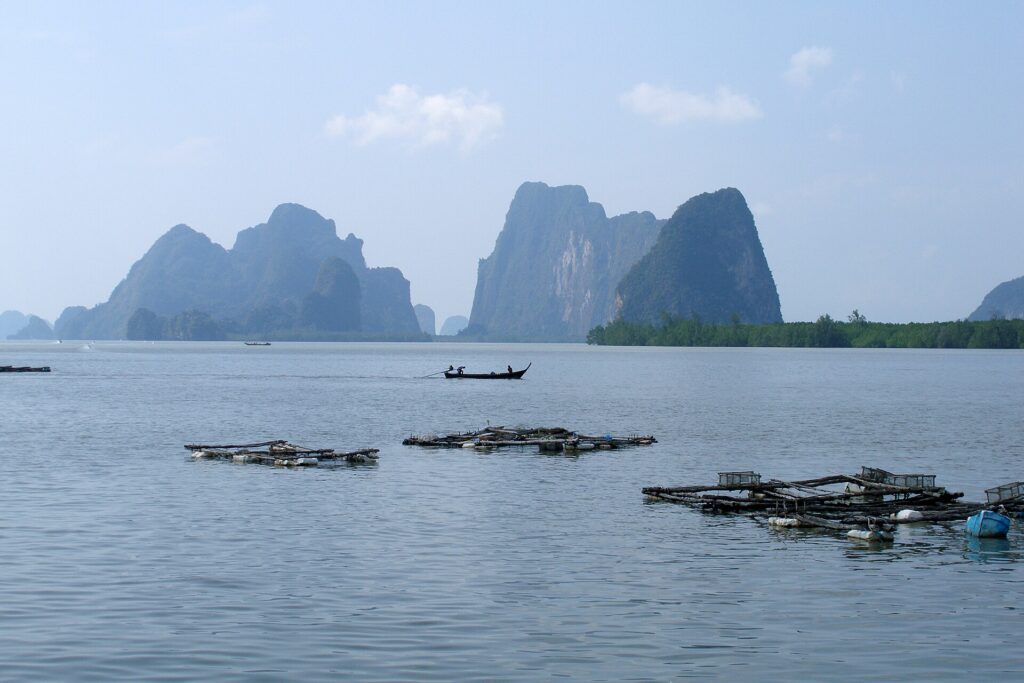 NaturePaddle into the hongs of Phang Nga BayCanoe through sea caves into lagoons hidden inside the limestone islands of Phang Nga Bay.Explore →
The Journal
Latest on Phuket
Before you go
Practical information
Best time to visit
The dry season runs from November to April, with calm seas on the west coast. The monsoon lasts from May to October, when swimming on the western beaches can be dangerous and prices fall. The Vegetarian Festival, a nine-day event of the Chinese community, follows the lunar calendar and falls in late September or October.
Getting around
Phuket International Airport is in the north of the island, with direct flights from much of Asia. There is little public transport, and resorts arrange cars. Distances are larger than they look: the airport to the southern beaches takes an hour or more. Boats to the bay and to neighbouring islands leave from piers on the east coast.
Practical notes
Red flags on the western beaches during the monsoon mean that swimming is forbidden. Half a day is enough for the old town.
Sources: Real Life Phuket: Amanpuri reawakens. Check the official websites for current information.
Continue exploring
More from Thailand
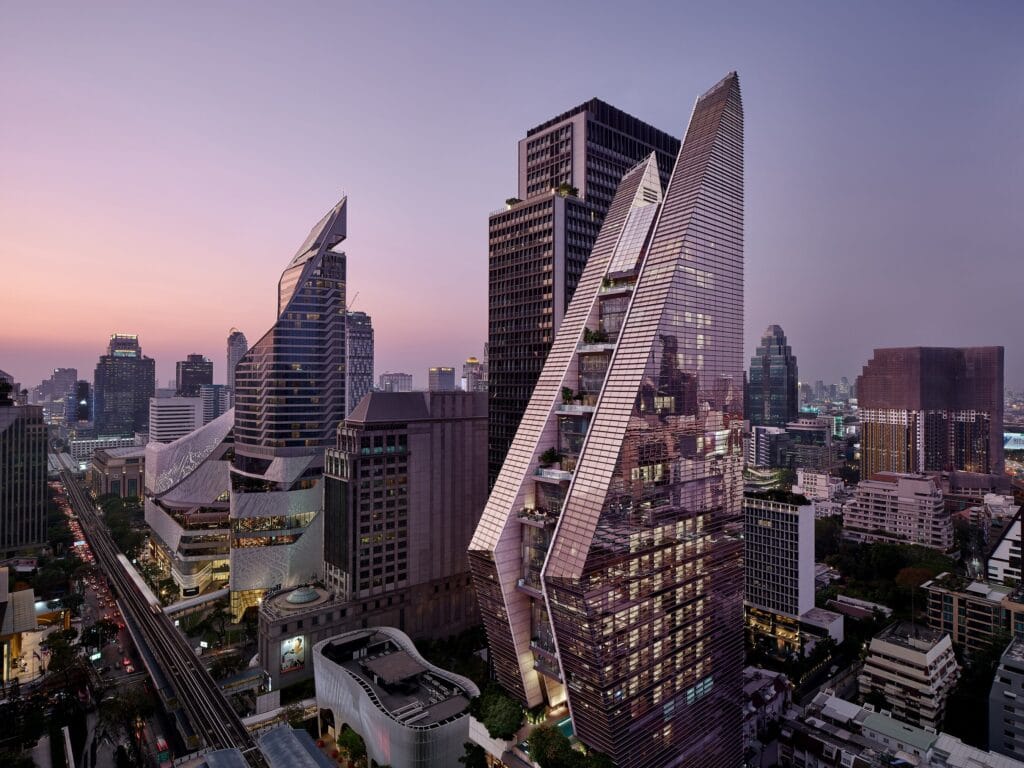 ThailandBangkokThailand’s river capital: the Grand Palace and Wat Pho on the east bank, Wat Arun opposite, a creative quarter along Charoen Krung and a restaurant scene that holds both of Thailand’s three-star kitchens.Explore Bangkok →
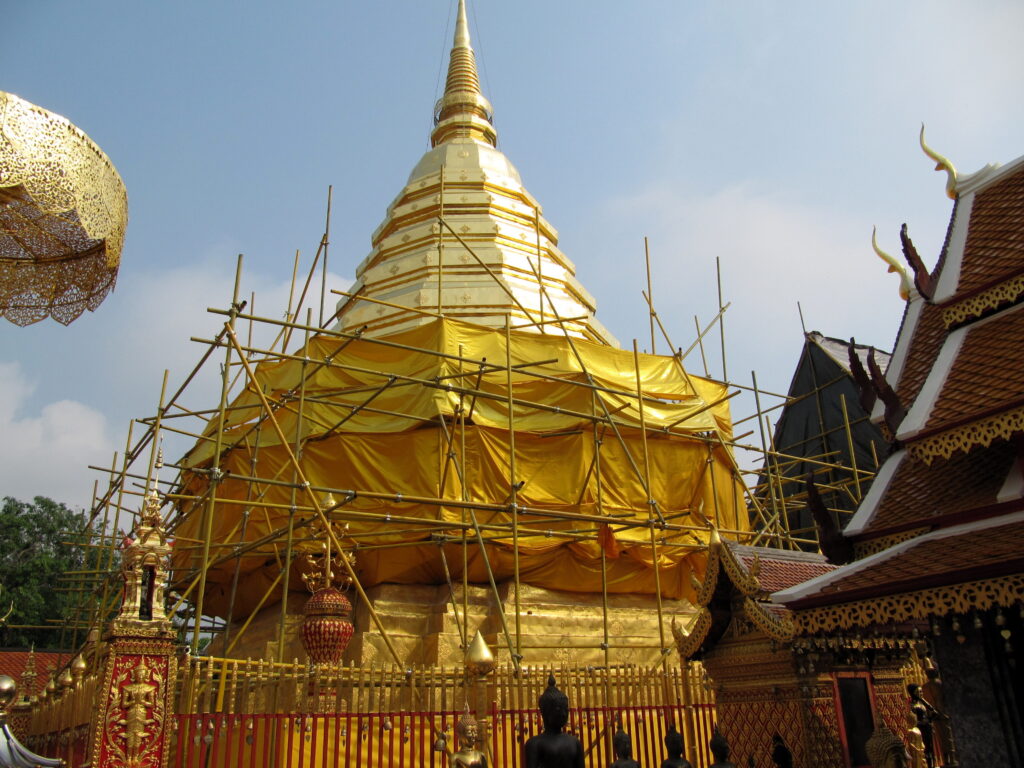 ThailandChiang Mai & Northern ThailandNorthern Thailand's old Lanna capital: a moated city of teak temples, the shrine on Doi Suthep, northern cooking and a rice-farm resort in the Mae Rim valley.Explore Chiang Mai & Northern Thailand →
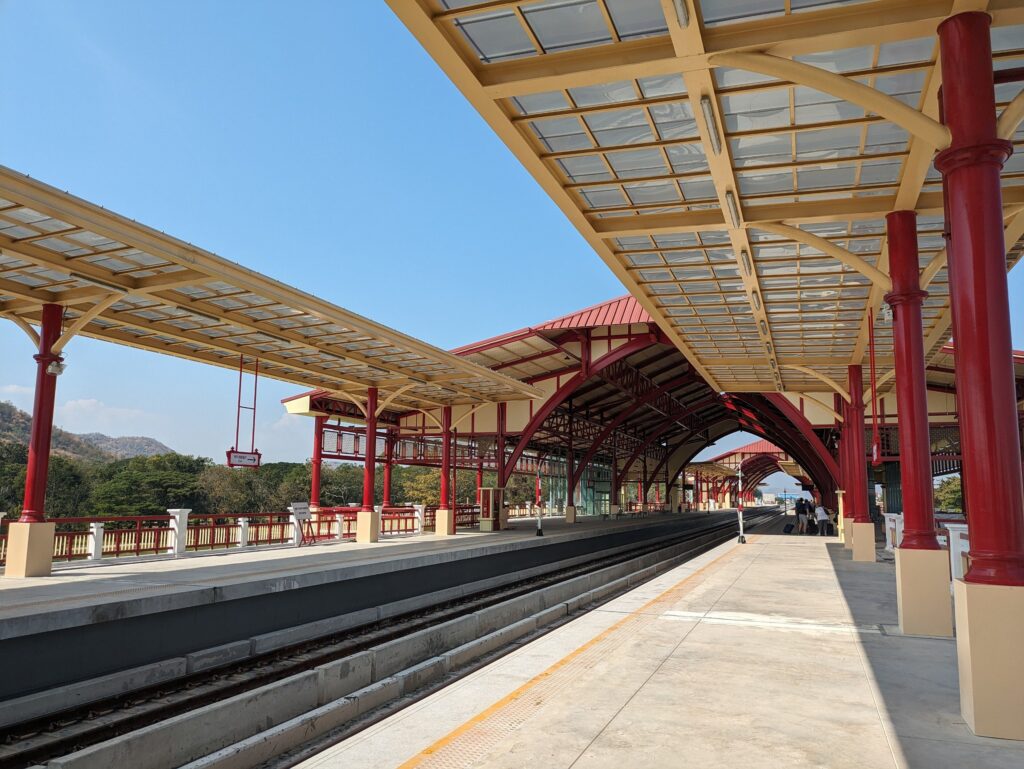 ThailandHua HinA Gulf of Thailand seaside town that began as a royal resort in the 1920s, home to the Railway Hotel and to Chiva-Som, Thailand's original health resort.Explore Hua Hin →