Phuket
Thailand · Southeast Asia
Thailand's largest island: secluded west-coast resorts, the Sino-Portuguese streets of the old town and boats to Phang Nga Bay.
Why visit
Why visit Phuket
Go for resorts of a high order. Amanpuri, which opened on a headland above Pansea Beach in 1988, introduced the villa resort without a lobby, and the island has attracted ambitious hotels ever since.
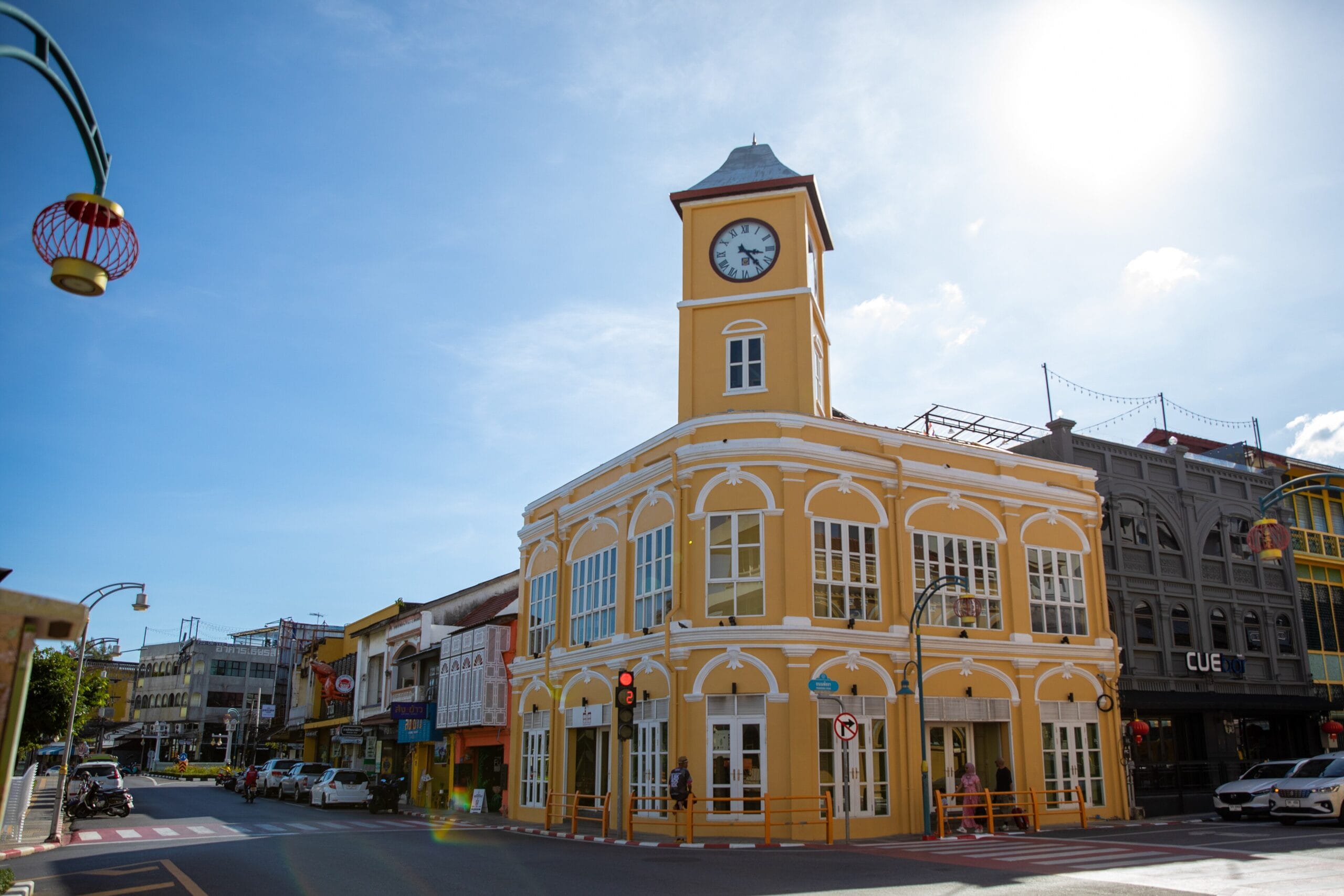
Go also for what lies behind the beaches. Phuket’s old town has streets of Sino-Portuguese shophouses and a cooking shaped by its Chinese-Thai Baba community, which earned the island the title of UNESCO Creative City of Gastronomy in 2015.
Explore
What to see
The old town is the place to spend half a day: Thalang, Dibuk, Krabi and Phang Nga roads are lined with shophouses and mansions from the tin boom in Sino-Portuguese style, many now cafés, small hotels and museums. It is busiest on Sunday evenings, when Thalang Road becomes a market.
The west-coast beaches run from Mai Khao and Bang Tao in the north, through Surin and Kamala, to Kata and Nai Harn in the south. Laem Phromthep, the cape at the southern tip, is a favourite place at sunset. Wat Chalong is the island’s principal temple, and a seated Buddha 45 metres high looks over it from the hill above.
Phang Nga Bay, with limestone islands rising from a shallow sea, is reached by boat from the east coast.
Hotels
Where to stay in Phuket
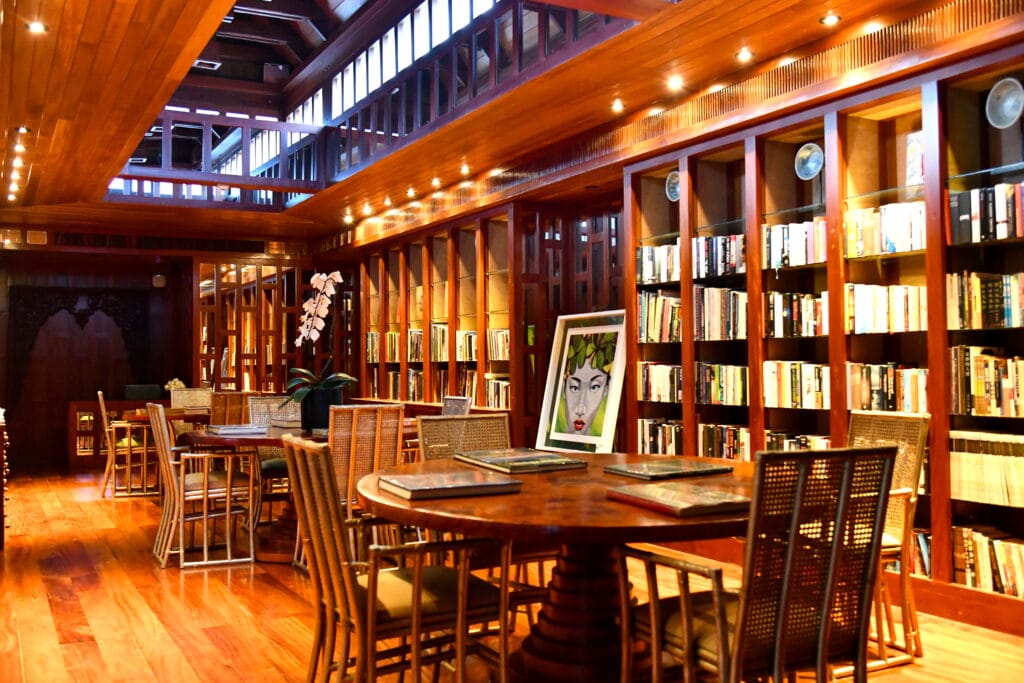
Choose the bay before the hotel: the character of a stay depends on the stretch of coast. Amanpuri remains the reference, with its pavilions among the palms and a midnight-blue pool; it reopened in September 2026 after a seasonal refresh. Rosewood Phuket has 71 pool pavilions and villas on Emerald Bay in the south-west.
Dining
Where to eat in Phuket
Phuket’s own cooking is Hokkien Chinese in origin and southern Thai in its heat: Hokkien noodles, pork braised with pepper and garlic, and dim sum for breakfast in the old town. Ta Khai, at Rosewood Phuket, serves Thai seafood in the style of a fishing village.
The Journal
Latest on Phuket
Before you go
Practical information
Best time to visit
The dry season runs from November to April, with calm seas on the west coast. The monsoon lasts from May to October, when swimming on the western beaches can be dangerous and prices fall. The Vegetarian Festival, a nine-day event of the Chinese community, follows the lunar calendar and falls in late September or October.
Getting around
Phuket International Airport is in the north of the island, with direct flights from much of Asia. There is little public transport, and resorts arrange cars. Distances are larger than they look: the airport to the southern beaches takes an hour or more. Boats to the bay and to neighbouring islands leave from piers on the east coast.
Practical notes
Red flags on the western beaches during the monsoon mean that swimming is forbidden. Half a day is enough for the old town.
Continue exploring
More from Thailand
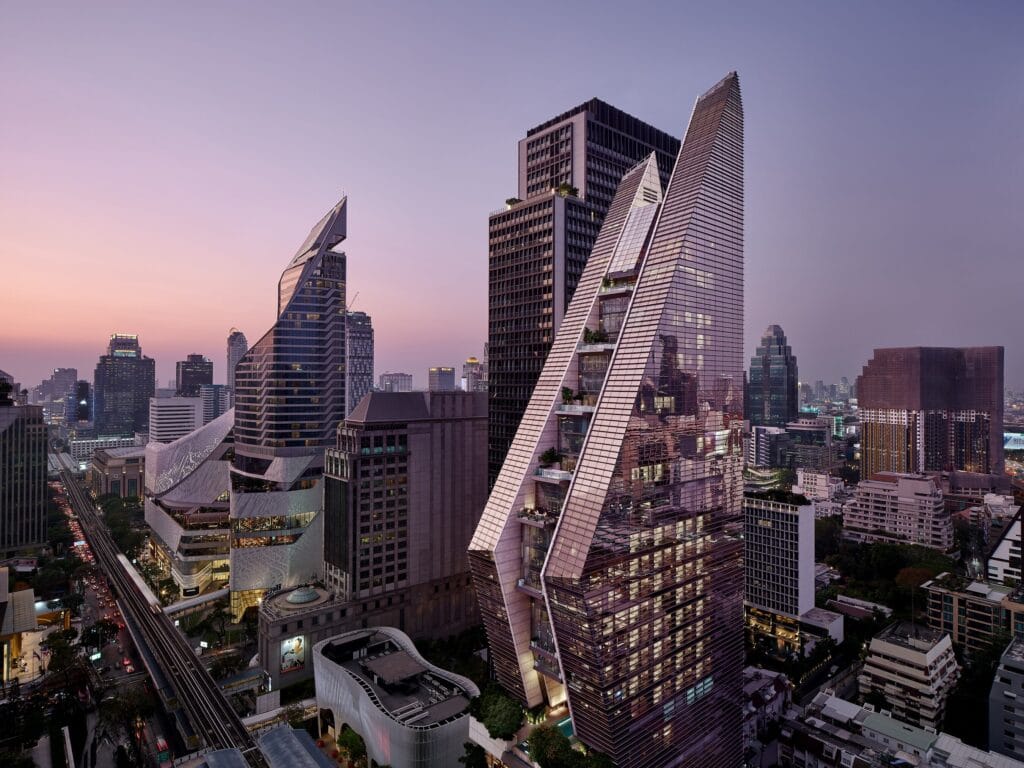 ThailandBangkokThailand’s river capital: the Grand Palace and Wat Pho on the east bank, Wat Arun opposite, a creative quarter along Charoen Krung and a restaurant scene that holds both of Thailand’s three-star kitchens.Explore Bangkok →ThailandHua HinA Gulf of Thailand seaside town that began as a royal resort in the 1920s, home to the Railway Hotel and to Chiva-Som, Thailand's original health resort.Explore Hua Hin →ThailandKoh SamuiThailand's second-largest island, on the Gulf side, with coconut lowlands, a granite interior and hillside wellness retreats such as Kamalaya.Explore Koh Samui →