Hanoi
Vietnam · Southeast Asia
Vietnam’s capital: a lakeside Old Quarter of trading streets, a French Quarter of colonial villas, the Metropole of 1901 and a citadel on UNESCO’s list.
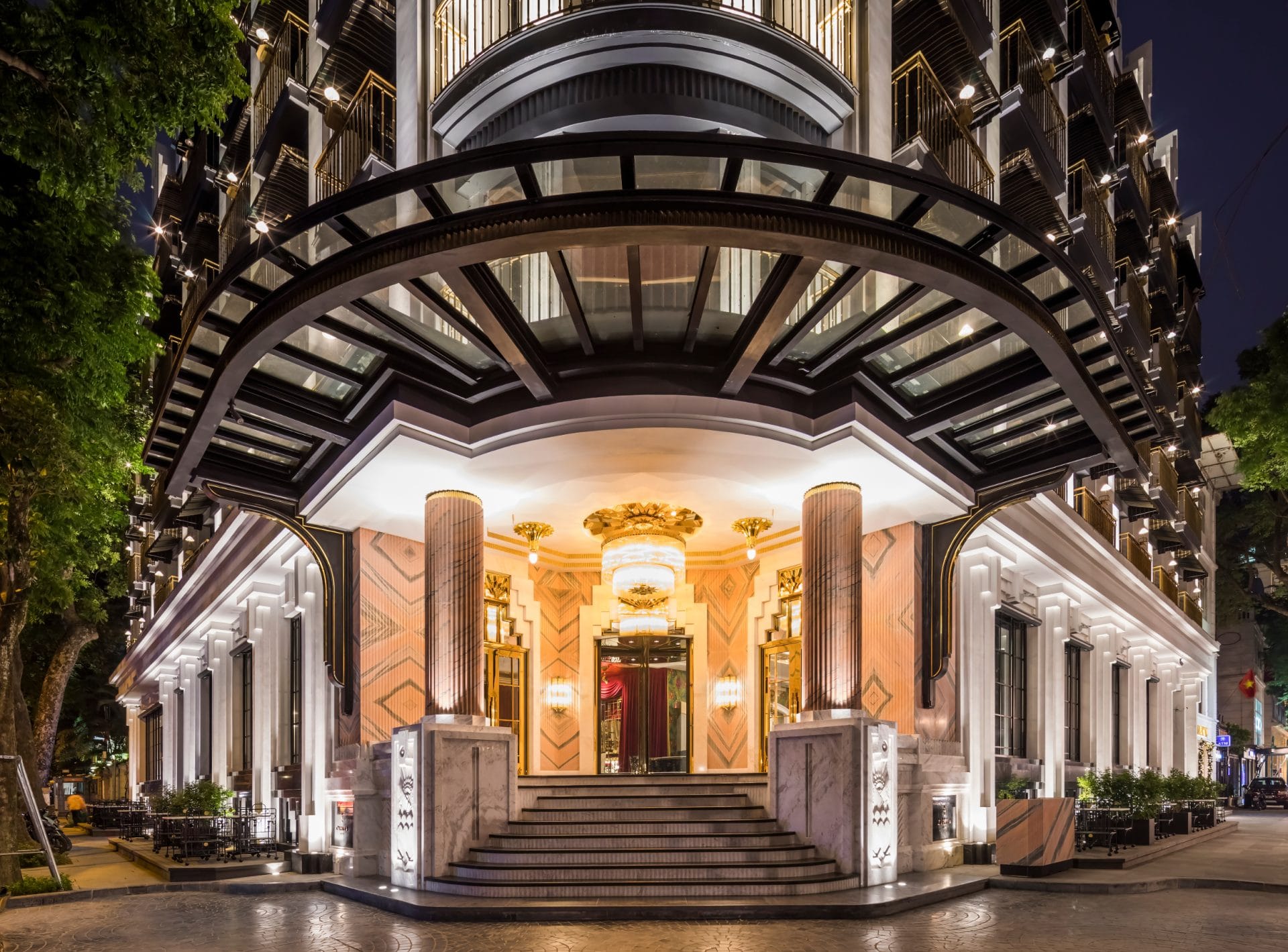
Photo: Capella Hanoi
Why visit
Why visit Hanoi
Hanoi is best understood on foot. The Old Quarter covers about one square kilometre and has 36 narrow streets, where since the fifteenth century artisans on each street have traded the goods it is named for, such as silver, bamboo and paper. Hang Bac is still the street of silversmiths, and Hang Ma, the street of decorative paper, turns red and white in December. Hoan Kiem Lake takes its name from a legend in which a giant golden turtle gave Emperor Lý Thái Tổ a magic sword.
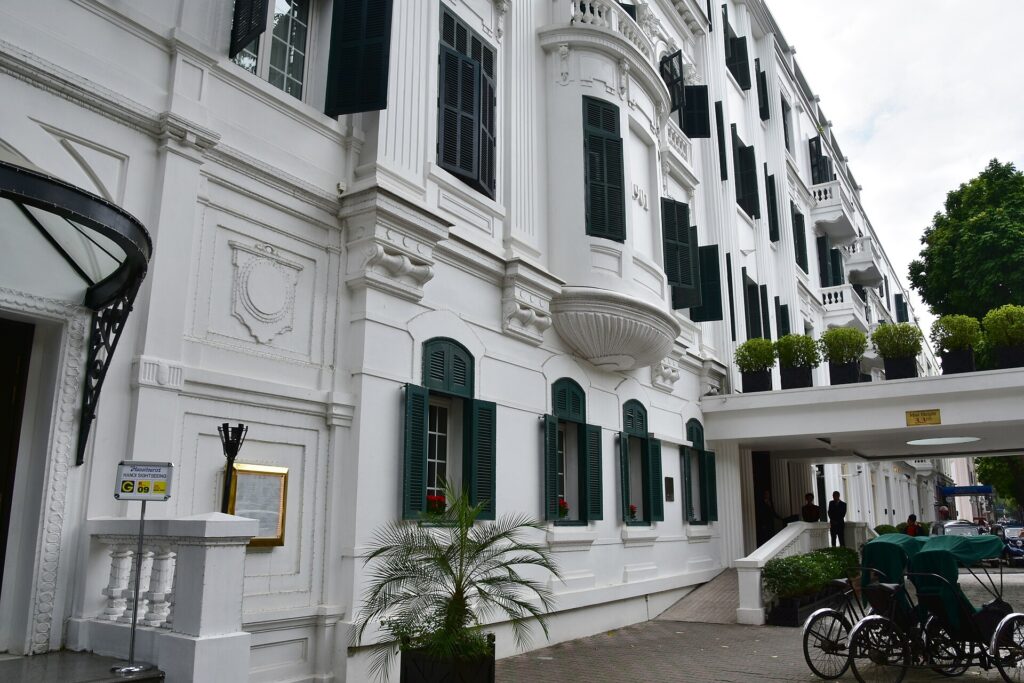
South and east of the lake, the French Quarter took shape after French forces seized the city in 1882. Its wide, tree-lined streets, pastel villas and neoclassical façades make it calmer and more orderly than the Old Quarter. The Opera House, built in 1911 on the model of the Palais Garnier, and St Joseph’s Cathedral, completed in 1886, are the landmarks. The Temple of Literature, dedicated to Confucius in 1070 and home to Hanoi’s first university from 1076, has five courtyards and turtle statues said to bring students luck.
Food is the other reason. Hanoi eats from early in the morning: pho on plastic stools, bun cha of grilled pork and noodles, cha ca of catfish marinated in turmeric and galangal, and egg coffee, whipped yolk over strong black coffee. A Michelin selection that includes street stalls and tasting menus is a sign of how seriously the city takes its table.
Explore
What to see
The Imperial Citadel of Thang Long is the deepest layer. Its Central Sector, covering 18.395 hectares, is the best-preserved part of the site, and a separate excavation at 18 Hoang Dieu has uncovered remains that reflect the culture of the lower Red River Valley. Nearby, the Ho Chi Minh Mausoleum was built between 1973 and 1975. The rules are strict: no shorts, no hats inside, no photographs and complete silence. It closes for about two months a year, typically October to November, so check before planning around it.
The Water Puppet Theatre traces its origins to the eleventh century, with puppeteers standing waist-deep in water and operating lacquered figures behind a screen. Hoa Lo Prison, built by the French in the 1890s, survives in part as a museum, and the Vietnam National Museum of History, an Indochinese-style building by Ernest Hébrard, covers the period up to 1945. A loop of the French Quarter’s main sights takes two to three hours, and early morning or late afternoon is best.
Beyond the centre, Trang An in Ninh Binh province, about 90 kilometres from Hanoi, is a limestone landscape of caves and rice fields reached by boat. Ha Long Bay is the coastal counterpart.
Hotels
Where to stay in Hanoi
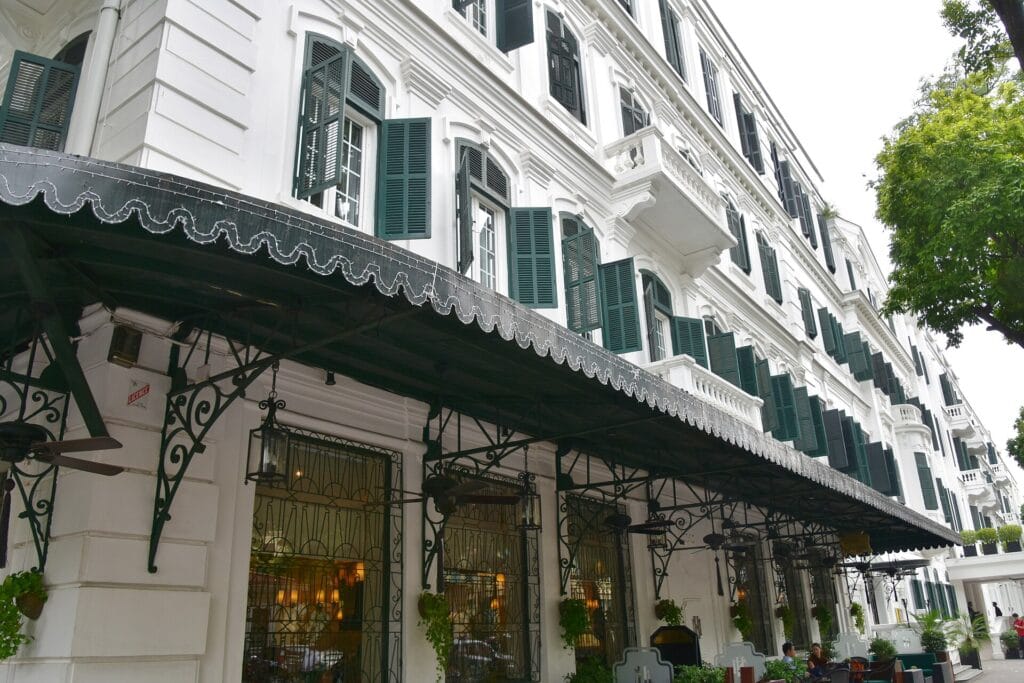
Hanoi’s three bases are quite different. The French Quarter is calm, walkable and close to the Opera House; the Old Quarter is the busiest and the most atmospheric; and West Lake, in Tay Ho, is residential, with a long lakeshore.
Dining
Where to eat in Hanoi
Noodle shops dominate Hanoi’s Michelin list, which says something about the city: Phở Bò Lâm serves beef phở and Phở Hà Hàng Hòm chicken, Chả Cá Thăng Long grills catfish, and Bánh Cuốn Gia Truyền Thanh Vân makes steamed rice rolls. Mammom serves home cooking from across the country. Check the current guide before you go.
 Contemporary · Van Mieu, Dong DaGiaSam Tran's seasonal Vietnamese tasting menu opposite Hanoi's Temple of Literature; one Michelin star.Explore →
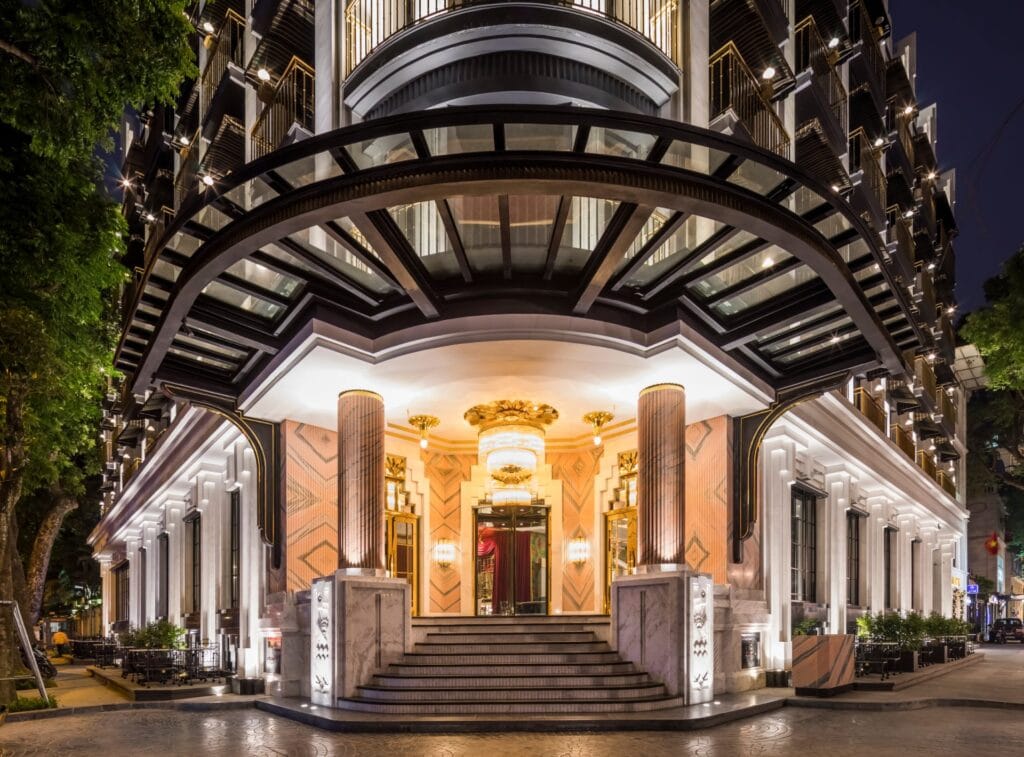
 Japanese · French Quarter, Hoan KiemHibana by KokiA 14-seat teppanyaki counter beneath Capella Hanoi; one Michelin star.Explore →
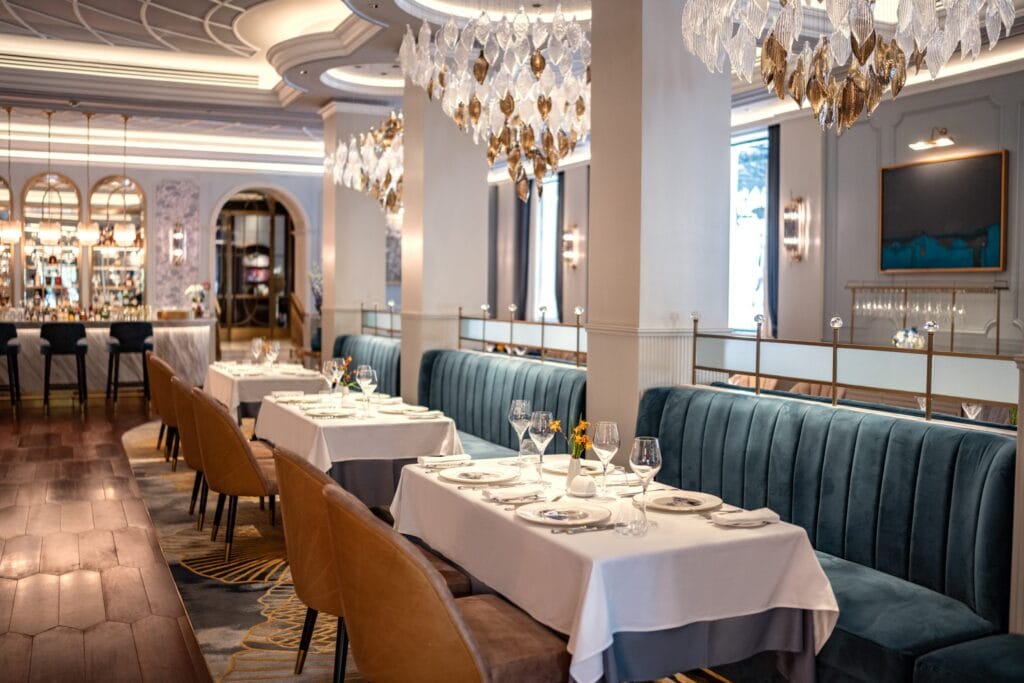 French · French Quarter, Hoan KiemLe BeaulieuThe French restaurant of Sofitel Legend Metropole Hanoi, on the same spot since 1901; Michelin Selected.Explore →
Experiences
Experiences in Hanoi
 NatureTake a rowing boat through the caves of Trang AnA two- to three-hour circuit by rowing boat through the flooded valleys and caves of Trang An, in Ninh Binh.Explore →
 Rail JourneyCross Vietnam aboard a luxury trainSJourney links Hanoi and Ho Chi Minh City in eight days and seven nights, stopping along the coast at Ninh Binh, Hue, Hoi An and Nha Trang.Explore →
The Journal
Latest on Hanoi
Before you go
Practical information
Best time to visit
October to December is the best window, with temperatures of about 18 to 25°C, low humidity and the clearest skies. March and April are second-best, with spring warmth and occasional drizzle. May to August is hot, often above 35°C and humid, and January to February is cool, usually 10 to 15°C, with mist and drizzle. Tet falls in that period, when many businesses close for up to a week. Bring a light layer for evenings from October to March.
Getting around
Noi Bai International Airport is about 30 kilometres north of the centre. Airport bus 86 serves the Opera House area, and Grab or a taxi takes about 45 minutes. Grab works for cars and motorbikes, and GrabBike is the fastest way across the city in traffic. Walking is best for the Old Quarter and French Quarter, and offline maps help in the narrow, not always well-marked streets of the Old Quarter. Cross roads at a steady, predictable pace and the motorbikes will flow around you.
Read more
Trains run from Hanoi station to Hue, Da Nang, Ho Chi Minh City and Lao Cai, for Sapa.
Practical notes
Dress and behave quietly at the Mausoleum, and check whether it is open, since it closes for about two months a year. Tet empties the city as residents travel home. For a longer Vietnam itinerary, Ha Long Bay is the coastal counterpart to Hanoi.
Continue exploring
More from Vietnam
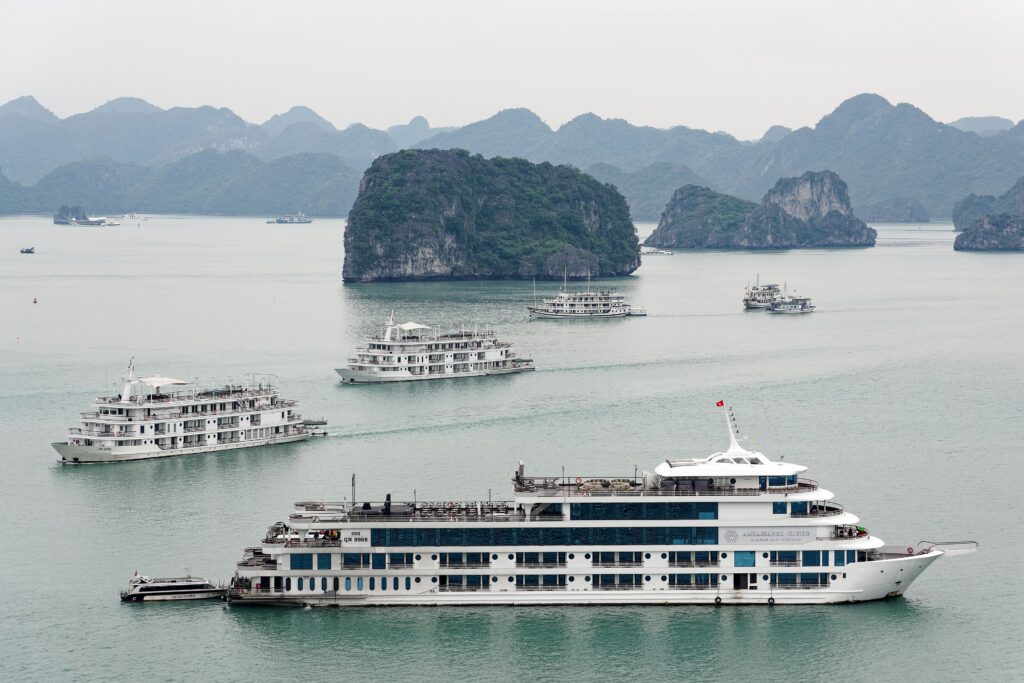 VietnamHa Long BayVietnam's limestone bay of towers and caves in Quang Ninh, a World Heritage site best seen on an overnight cruise.Explore Ha Long Bay →
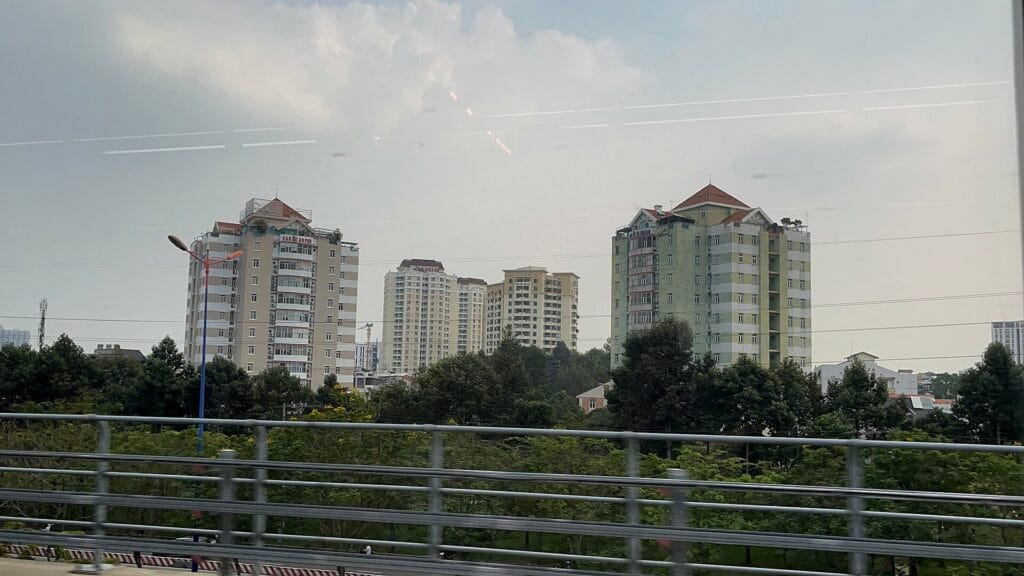 VietnamHo Chi Minh CityVietnam’s southern metropolis: French-colonial landmarks at the head of Dong Khoi, a new metro line, Michelin-listed street stalls and the gateway to the Mekong Delta.Explore Ho Chi Minh City →
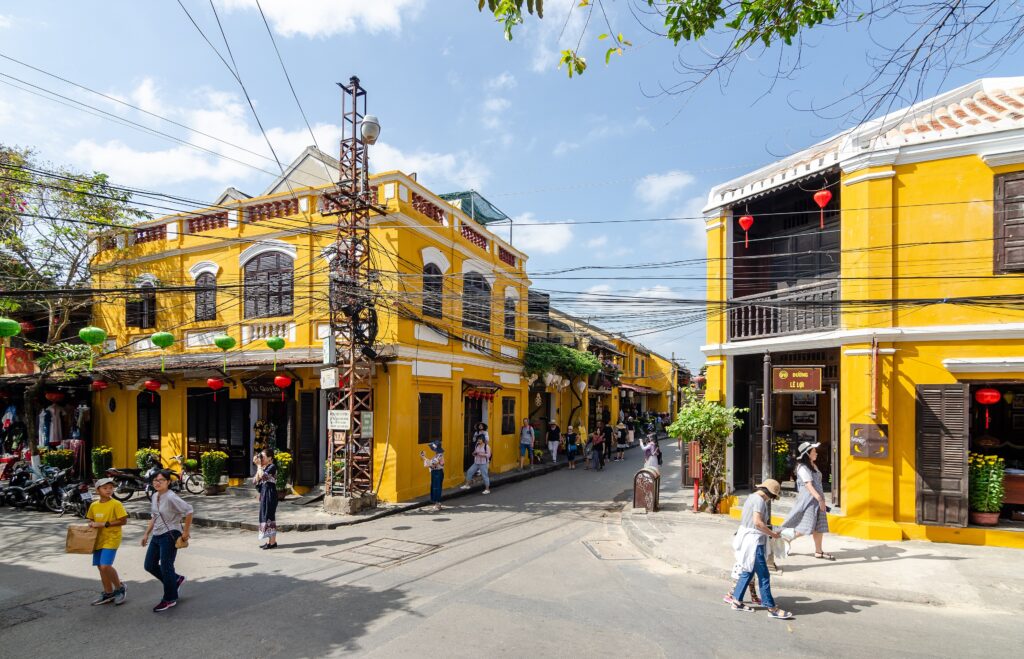 VietnamHue & Hoi AnThe imperial citadel and tombs of Hue and the old merchant port of Hoi An, linked by the coast road through Da Nang.Explore Hue & Hoi An →