Tohoku in Summer: Nebuta Floats, Matsushima Bay, Hiraizumi and a Working Farm Stay
Tohoku in August: the Nebuta, Kanto and Tanabata festivals, Matsushima Bay, the Pure Land temples of Hiraizumi and a farm stay below Mount Iwate.
Photo: Suicasmo / Wikimedia Commons CC BY-SA 4.0 Resized
Tohoku is a cooler, more cultural Japan in summer. Its great festivals are staged in August on the streets of working cities, and the bays, temples and farmland around them reward a slower week.
Three festivals in a week
In early August, three of the region’s best-known festivals fall within days of each other. In Aomori, the Nebuta Festival sends giant illuminated paper floats, hauled by people and not machines, along a route of about three kilometres, accompanied by dancers in bell-trimmed costumes. In Akita, the Kanto Festival has performers balancing bamboo poles hung with paper lanterns, in a show of strength and skill. In Sendai, Tanabata fills the downtown shopping arcades with handmade paper streamers to celebrate the legend of two star-crossed lovers.
Dates vary by year but sit in early August, and the three together drew more than four million visitors in August 2024. Watching from the roadside is free in Akita and Aomori, while reserved seats for Nebuta should be booked early. Aomori is about three hours from Tokyo by Shinkansen, Akita is reachable by the Akita Shinkansen, and Sendai is about ninety minutes away. For the festival in Aomori, see the lantern floats.
Coast and temples
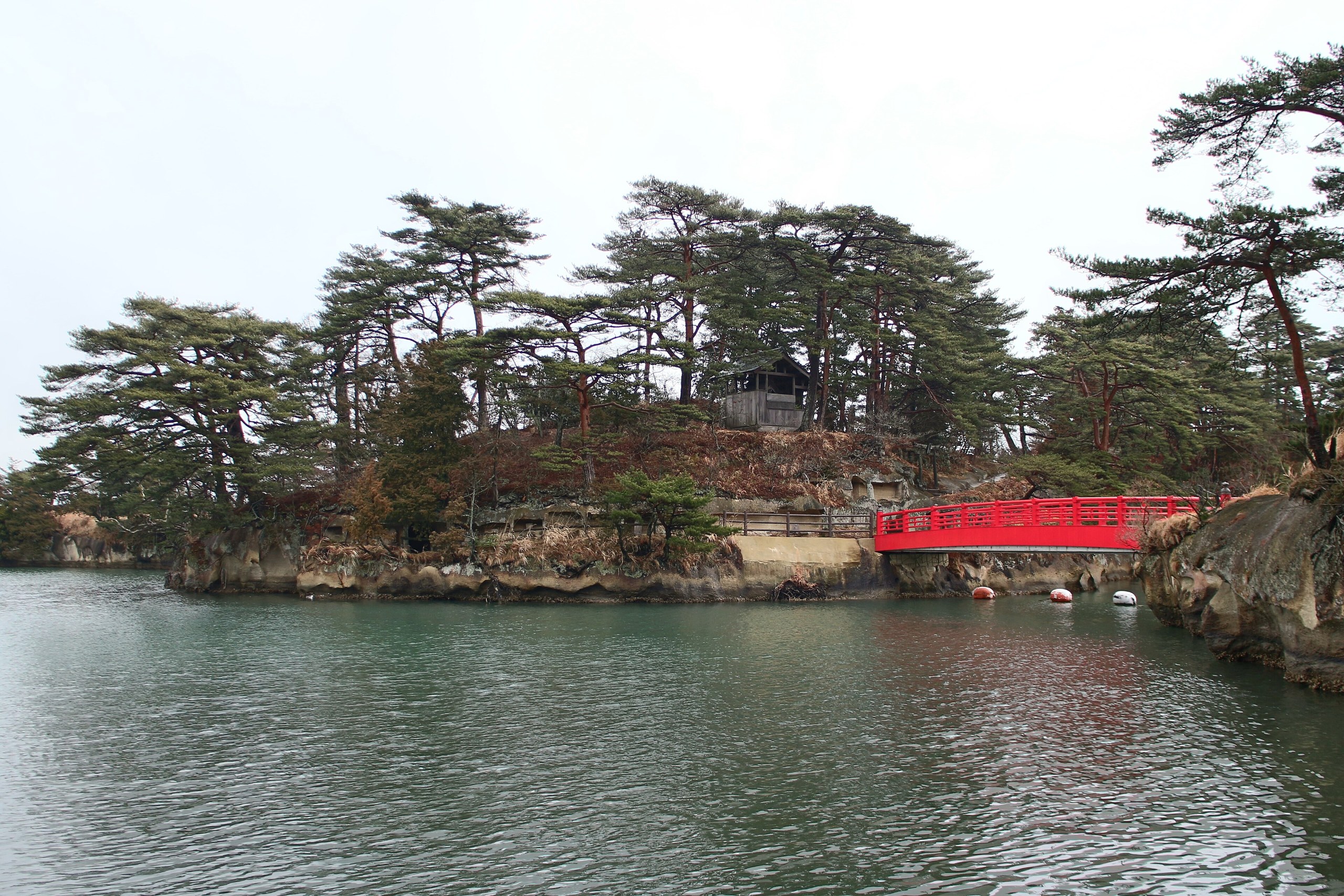
Matsushima Bay, north-east of Sendai, has some 260 islands and is counted among the Three Most Scenic Spots of Japan; the poet Matsuo Basho struggled to describe it. Cruises run all year, and the little temple of Godaido on its islet, built in 1604, is the bay’s symbol. Cruising among the pine islets is the classic outing.
Further inland, Hiraizumi was the administrative centre of northern Japan in the eleventh and twelfth centuries, when it rivalled Kyoto. Its temples and gardens were laid out as an earthly image of the Pure Land of Amida Buddha, and UNESCO lists the site. The Konjikido of Chuson-ji, richly gilded, is the only surviving twelfth-century temple building. Visit Chusonji and the Pure Land temples of Hiraizumi.
Where to stay
Azuma Farm Koiwai offers a very different base: timber buildings by Shiro Miura on a working farm below Mount Iwate, with wood-fired sauna pavilions and a farm kitchen. Continue south to Nikko and Lake Chuzenji.
Sources: JNTO: Japan’s Tohoku region announces dates for three summer festivals; JNTO: Experience awesome summer festivals in Tohoku; JNTO: Matsushima; UNESCO: Hiraizumi. Check the official websites for current information.
Stay
Hotels in this guide
Experiences
Experiences in Tohoku
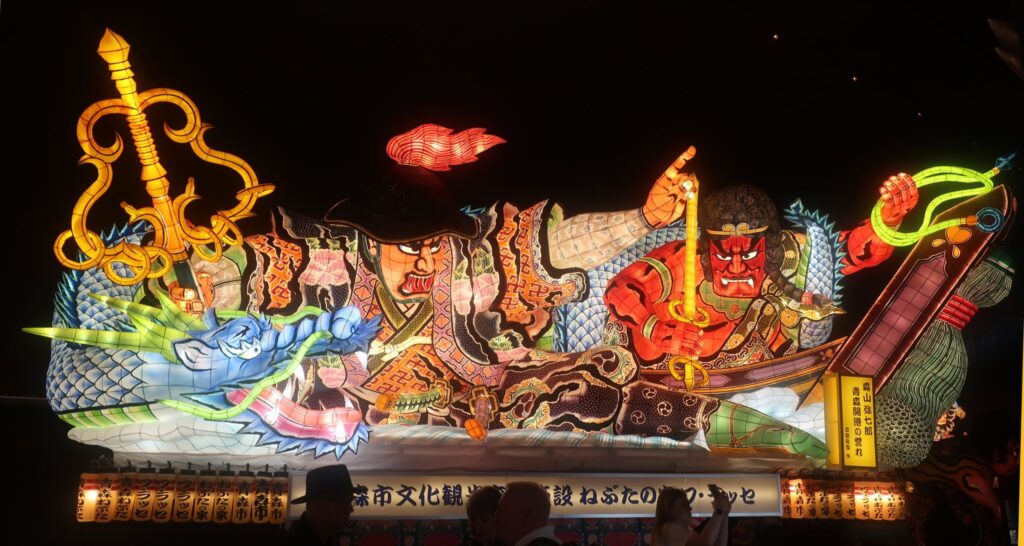 EventTohokuSee the lantern floats of the Aomori Nebuta FestivalGiant lantern floats and haneto dancers in the streets of Aomori each August.
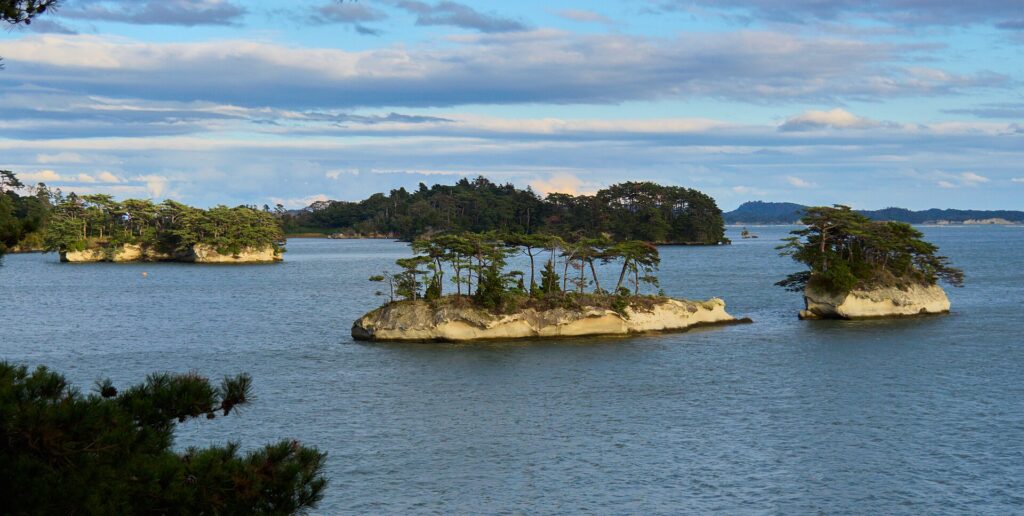 Cruise & MaritimeTohokuCruise among the pine islets of Matsushima BayAn hour's cruise among some 260 pine-covered islets, under an hour from Sendai.
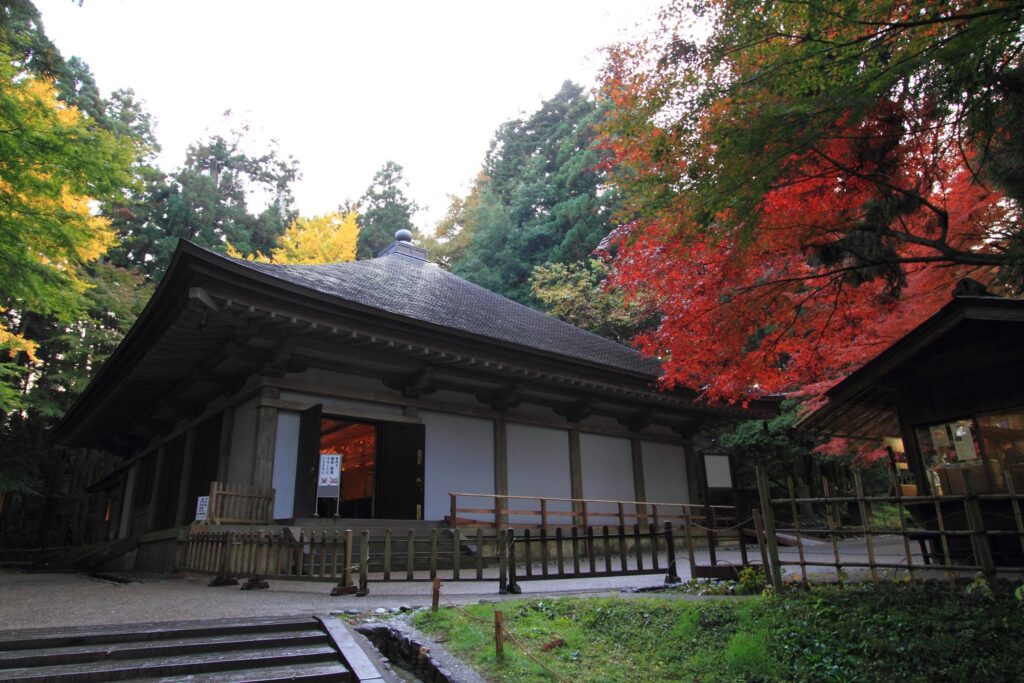 SpiritualTohokuVisit Chusonji and the Pure Land temples of HiraizumiThe Golden Hall of Chuson-ji and the Pure Land gardens of a UNESCO site in Iwate.
Journal
From the Journal
 Feature · TravelAomori and Around: Jomon Villages, Beech Forests and the Tip of HonshuAt the northern end of Honshu, Aomori holds a Jomon-era settlement, the world's largest virgin beech forest.October 8, 2026
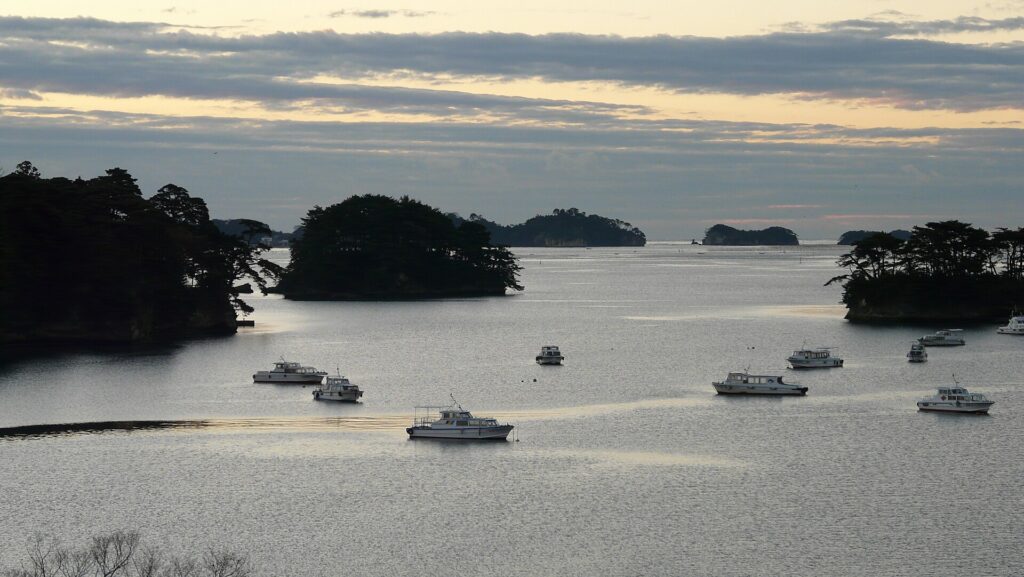 Feature · TravelMiyagi Beyond Sendai: Matsushima, a Fish Market, a Gorge and an Island of CatsEight places in Miyagi Prefecture.October 8, 2026
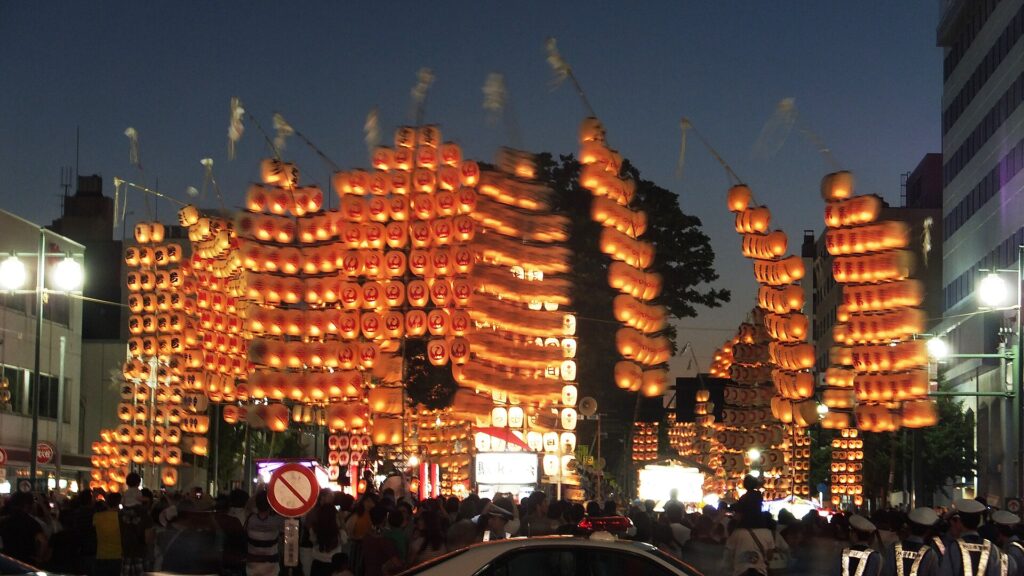 Feature · TravelTohoku’s Three August Festivals: Nebuta, Kanto and TanabataIn the first week of August the north-east of Japan holds three festivals within days of each other.October 8, 2026