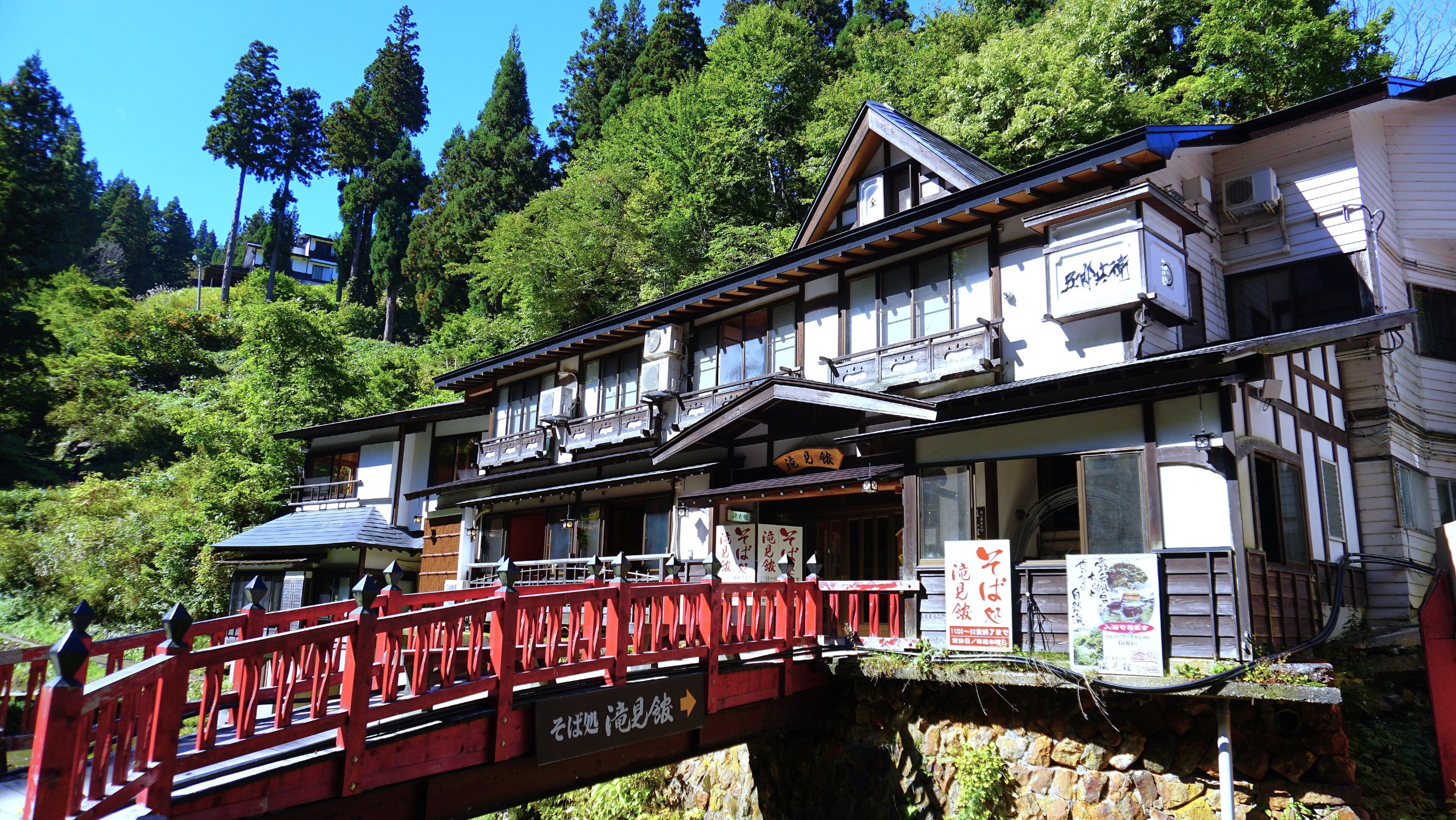
Tohoku
Japan · East Asia
Japan's north-east: six prefectures of mountains, onsen and festivals, from Matsushima Bay to the Pure Land temples of Hiraizumi.
Photo: 掬茶 / Wikimedia Commons CC BY-SA 4.0 Resized
Why visit
Why visit Tohoku
Go for three things that Tohoku does with particular weight. The first is Hiraizumi, which UNESCO inscribed in 2011 as the first cultural World Heritage property in the region. The second is Matsushima, counted among Japan’s Three Most Scenic Views. The third is the summer festival season, led by the Big Three of Nebuta in Aomori, Kanto in Akita and Tanabata in Sendai.
Distances are long, so travel here rewards choosing one or two areas rather than the whole region in a single trip.
Explore
What to see
For about a hundred years in the twelfth century the Northern Fujiwara ruled northern Japan from Hiraizumi, until they fell to Minamoto no Yoritomo in the autumn of 1189. Five sites are inscribed: Chusonji, Motsuji, the Kanjizaio-in ruins, the Muryokoin ruins and the sacred Mount Kinkeisan. Chusonji’s Konjiki-do, completed in 1124, is a gold-decorated hall dedicated to Amitabha that holds the remains of four Northern Fujiwara rulers. Motsuji’s garden pond is thought to evoke the realm of Yakushi Nyorai. Pure Land belief imagined a western paradise, and the gardens were laid out as an attempt to build it on earth; Chusonji and the Pure Land temples is the place to start.
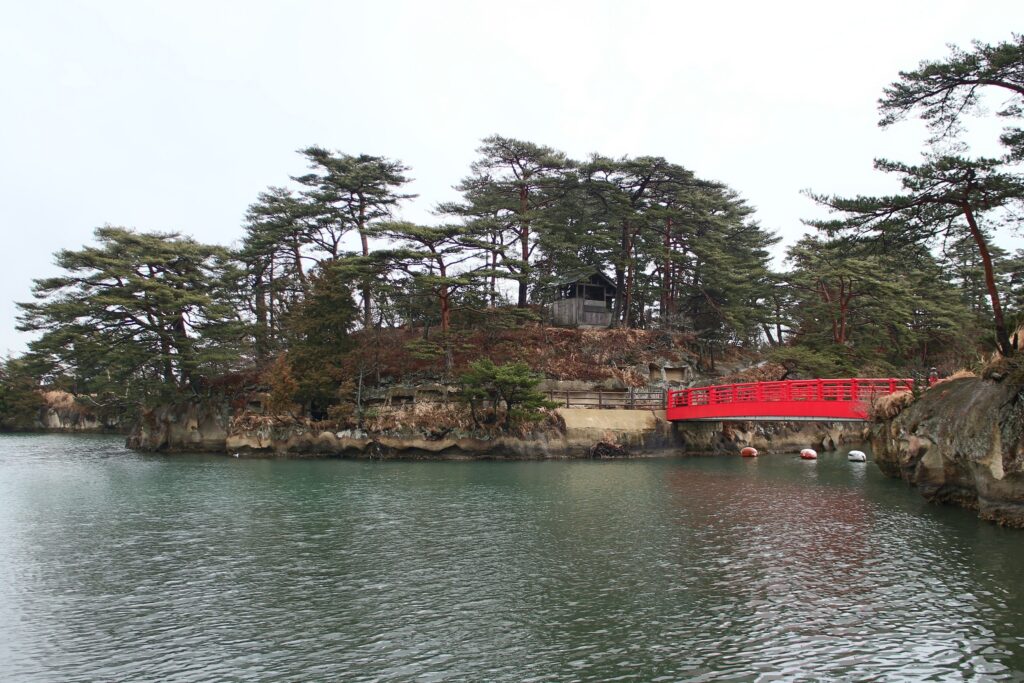
Matsushima Bay, in Miyagi prefecture, has more than 260 pine-covered islets, and the way to see them is by boat on a cruise among the islets.
The Nebuta Festival fills Aomori city in early August with more than twenty large lantern floats based on kabuki and mythical stories, carried by dancers called haneto with flutes and drums. On the last night the floats are carried on boats around Aomori Bay under fireworks. It was designated an Important Intangible Folk Cultural Property in 1980; the lantern floats are worth planning a trip around.
Elsewhere, Mount Zao in Yamagata is known for its winter snow monsters, Ginzan Onsen for its hot-spring village, and Hirosaki for its castle.
Hotels
Where to stay in Tohoku
Tohoku rewards rural bases over city hotels. Azuma Farm Koiwai, a 24-room retreat on a working farm at the foot of Mount Iwate in Iwate prefecture, is a quiet base in the same prefecture as Hiraizumi. In Sendai, the region’s largest city, a city hotel makes sense for a night before heading to Matsushima.
Dining
Where to eat in Tohoku
Sendai is the home of gyutan, grilled beef tongue. Keishiro Sano founded the restaurant Aji Tasuke in 1948 and served the tongue thinly sliced, salted and grilled over charcoal, with barley rice and tail soup; the dish then spread across the city. Gyutan Sumiyaki Rikyu is one of the Sendai restaurants that serve it. Among the city’s other tables, Sendai Washoku KUON is a small Japanese restaurant in Kokubuncho. For a broader menu, Saishun offers regional dishes with seasonal Tohoku ingredients, charcoal-grilled items and local sake. OKYTO’s guide to eating in Sendai describes all three. Along the coast, seafood from the Sanriku waters is the draw.
Experiences
Experiences in Tohoku
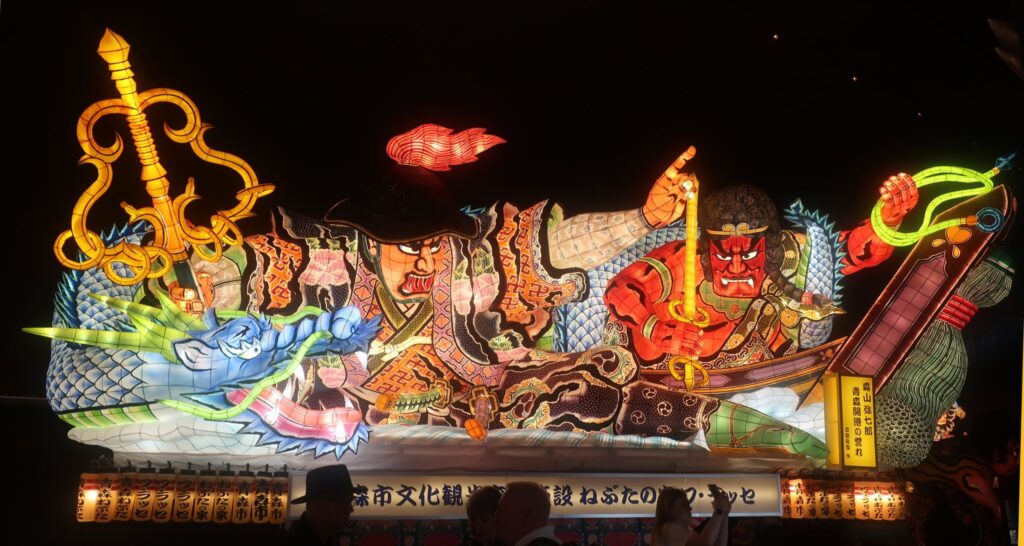 EventSee the lantern floats of the Aomori Nebuta FestivalGiant lantern floats and haneto dancers in the streets of Aomori each August.Explore →
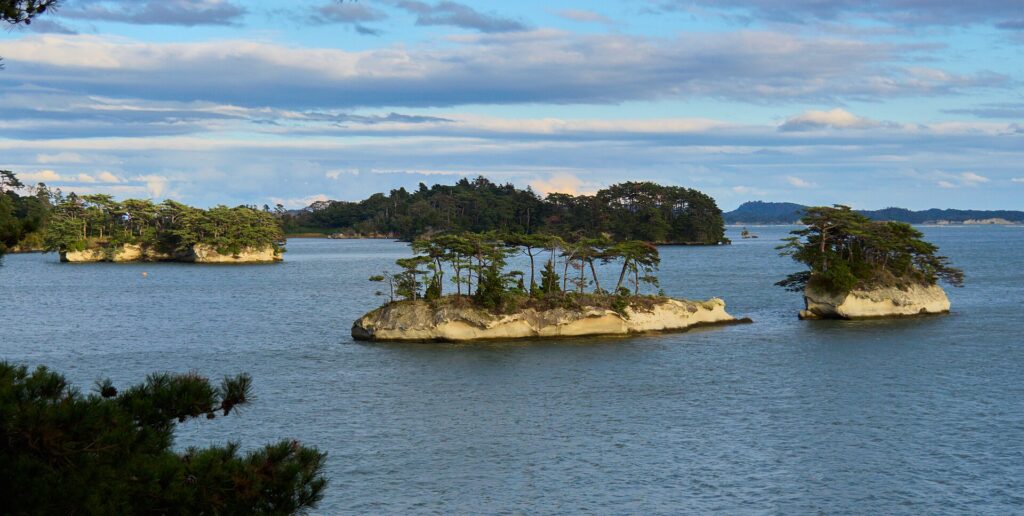 Cruise & MaritimeCruise among the pine islets of Matsushima BayAn hour's cruise among some 260 pine-covered islets, under an hour from Sendai.Explore →
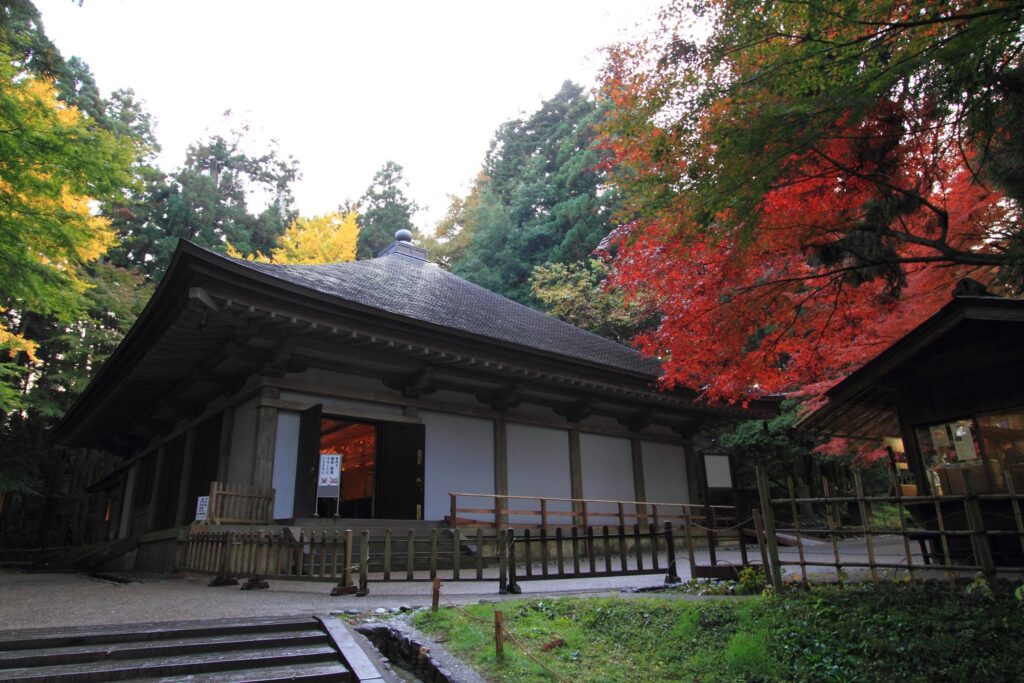 SpiritualVisit Chusonji and the Pure Land temples of HiraizumiThe Golden Hall of Chuson-ji and the Pure Land gardens of a UNESCO site in Iwate.Explore →
The Journal
Latest on Tohoku

Before you go
Practical information
Best time to visit
Summer is for the festivals; Nebuta runs for six nights in early August. Winter is harsh in the interior, and the Zao snow monsters and the Yokote Kamakura snow-hut festival are among the winter draws.
Getting around
Sendai is the region’s main transport and cultural hub, and most itineraries start there. The distances between Aomori, Hiraizumi and Matsushima are long, so choose one or two areas per trip. Check current rail and bus services before you travel.
Practical notes
Festival dates and temple access change, so confirm them with the organisers and the municipal tourism offices before booking.
Continue exploring
More from Japan
 JapanIse-ShimaA national park on Mie's Shima Peninsula, where Japan's most sacred shrine stands near the pearl rafts of Ago Bay and a hot-spring Aman.Explore Ise-Shima →
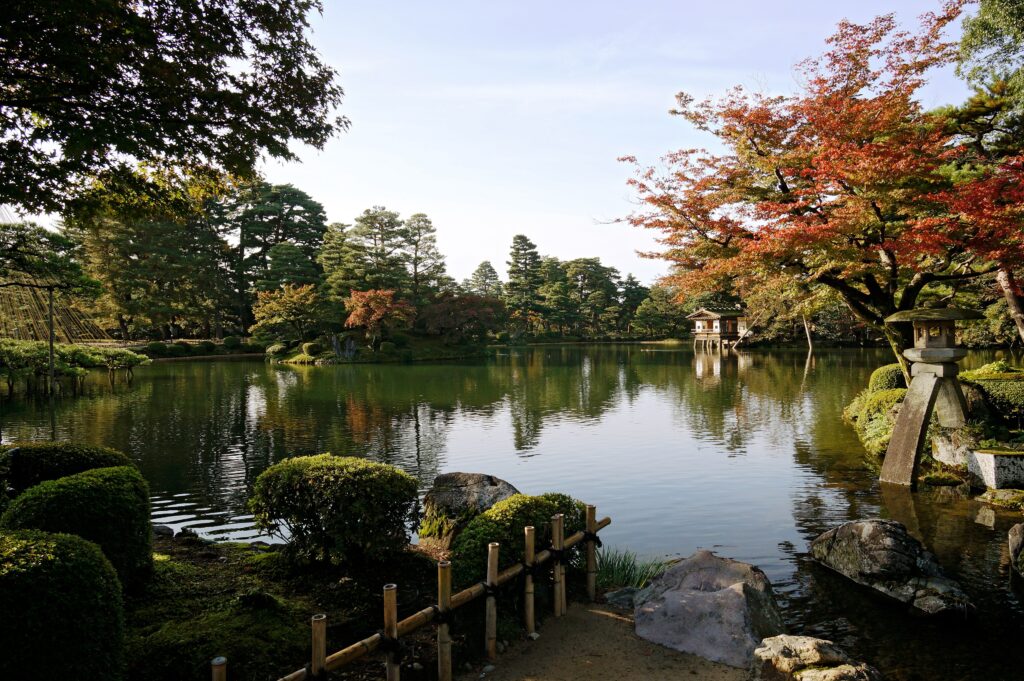 JapanKanazawaA feudal castle town that was never bombed: Kenrokuen garden, teahouse districts, gold leaf workshops and SANAA's 21st Century Museum, two and a half hours from Tokyo by shinkansen.Explore Kanazawa →
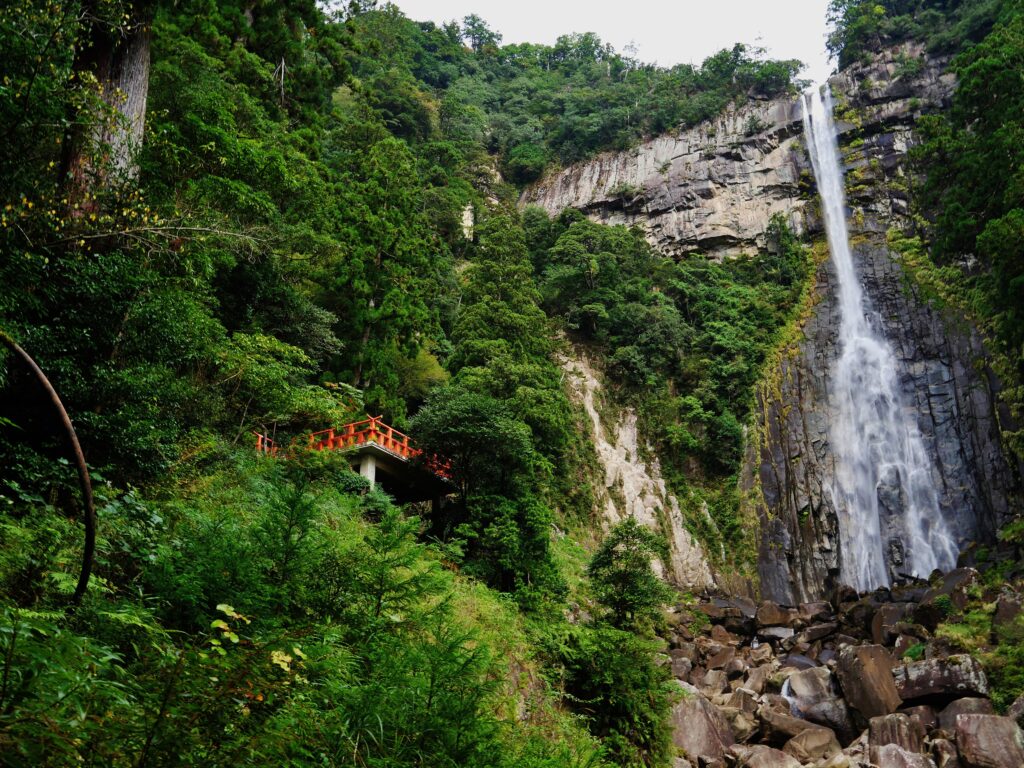 JapanKumanoThe Kii Peninsula's sacred mountains and pilgrimage routes: Nachi Falls, the Kumano shrines and a tuna-port ryokan on Nachi Bay.Explore Kumano →