Nikko and Lake Chuzenji: Shrines, Waterfalls and Lakeside Hotels
A weekend from Tokyo: Nikko's World Heritage shrines in the cedar forest, then the lake, waterfalls and onsen hotels of Chuzenji.
Photo: Syced / Wikimedia Commons
Nikko works as a weekend because it has two distinct halves that follow the climb of the road. In the town, the Tokugawa shoguns’ mausoleum complex sits among old cedars; a few hundred metres higher, Lake Chuzenji offers water, mountains and a very different mood. Together they make one of the easiest and best short escapes from Tokyo.
The shrines in the forest
The Shrines and Temples of Nikko, a World Heritage site since 1999, consist of two Shinto shrines and a Buddhist temple, Toshogu, Futarasan and Rinno-ji, with 103 buildings spread across forested slopes. Many date from the 17th century, and the complex is tied to Tokugawa Ieyasu, whose mausoleum is the centrepiece. They are still in religious use, which gives the visit a purpose beyond the architecture. The cedars around the buildings were planted in the early 17th century and are as much a part of the place as the lacquer and gold leaf. A walk from Toshogu to Rinno-ji takes most of a morning at an unhurried pace.
In autumn, the leaves around the shrines turn later than those at the lake, in early to mid-November.
Up to Lake Chuzenji
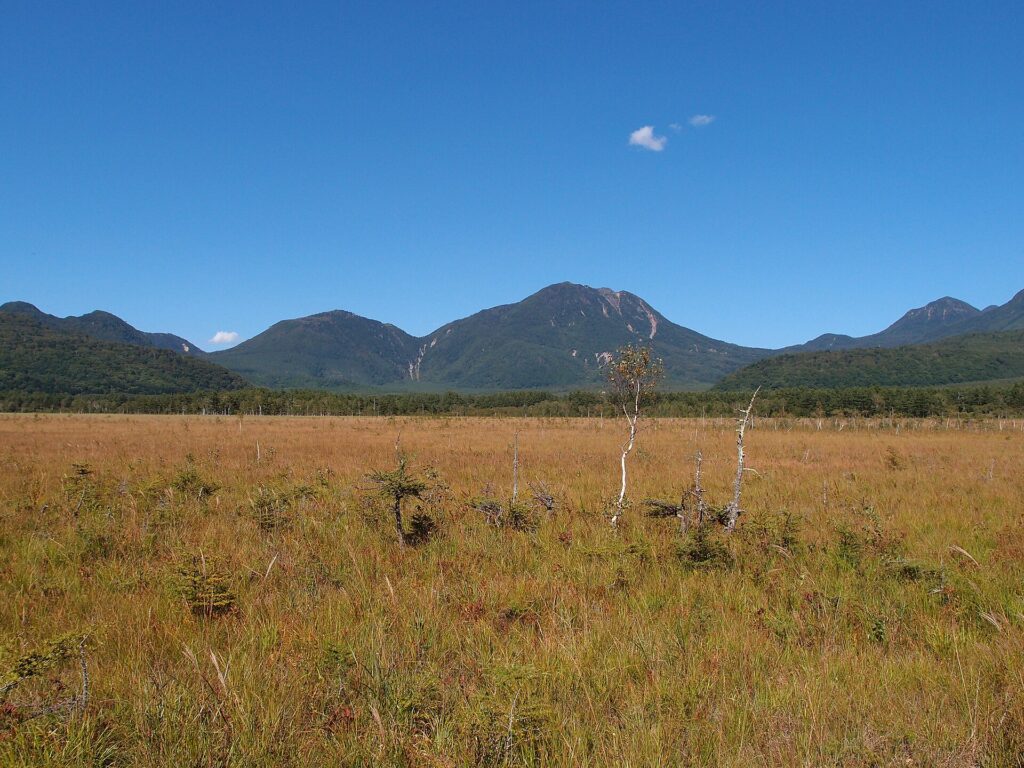
From the town, the road climbs 400 metres up the Irohazaka, a pair of one-way roads with 48 numbered hairpin bends, to Lake Chuzenji at 1,269 metres. Behind it rises Mount Nantai, a volcano that formed the lake and, through its overflow, Kegon Falls, a drop of 97 metres. Kegon Falls can be seen from the base or from the Akechidaira ropeway, which lifts you above the lake for a wider view. Ryuzu Falls lies at the far end of the lake, where a stream spills down an old lava bed. In autumn the higher ground colours first, from early October at the moor and Ryuzu, and a couple of weeks later at the lake. The Irohazaka road is congested on weekends and holidays, so go on a weekday or take the bus.
Where to stay
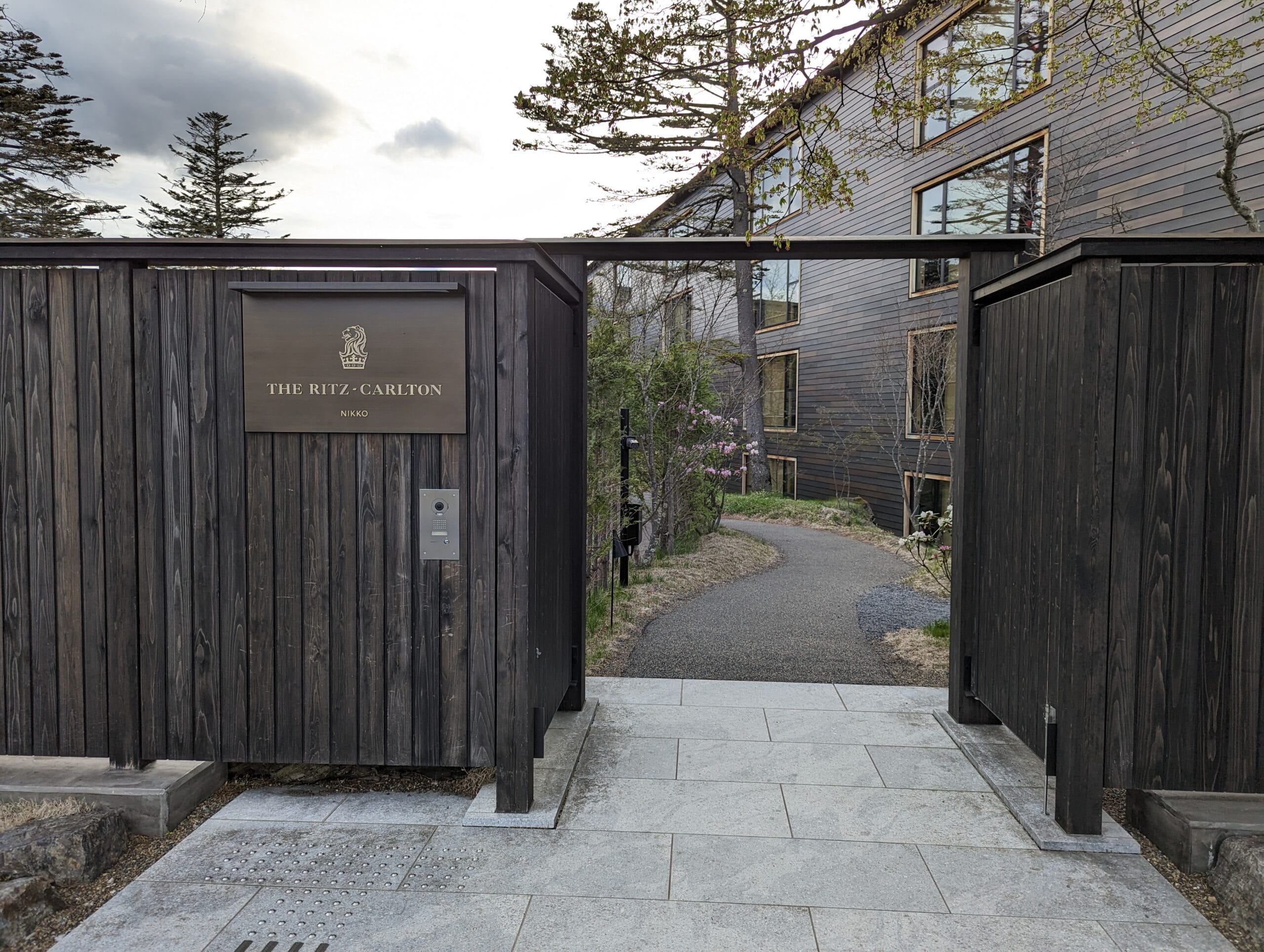
The lake is the place to stay, since it gives the mountain air and the evenings. The Ritz-Carlton, Nikko, which opened in 2020, is a modern lakeside hotel with balconies over the water or Mount Nantai and hot-spring baths, and suits travellers who want comfort and views. Chuzenji Kanaya Hotel is the more traditional choice, a lodge-style hotel with an open-air onsen bath and a French dining room.
How to do it from Tokyo
Tobu’s limited express trains take around two hours from Asakusa to Tobu Nikko Station, which is close to the main sights. A two-night stay works best: one night in the town for the shrines, one at the lake for the waterfalls, the lake edge and an onsen. Add a third night if you wish to continue north; the onward route to the temples of Hiraizumi, and to the pine islets of Matsushima Bay, makes a longer trip across Tohoku. The Chusonji and Hiraizumi temples are a natural first stop.
Sources: UNESCO: Shrines and Temples of Nikko; Japan Experience: Lake Chuzenji and Kegon Falls; Japan Food Guide: Nikko autumn foliage. Check the official websites for current information.
Experiences
Experiences in Nikko
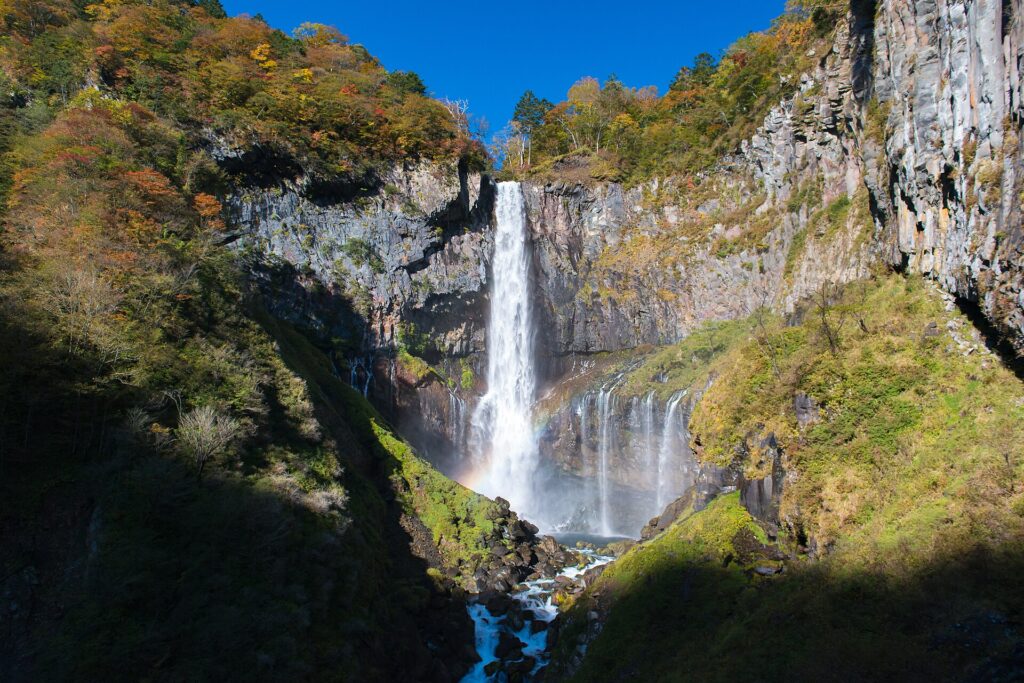 NatureNikkoSee Kegon Falls drop from Lake ChuzenjiA 97-metre fall from Lake Chuzenji, ranked among Japan's three most beautiful waterfalls.
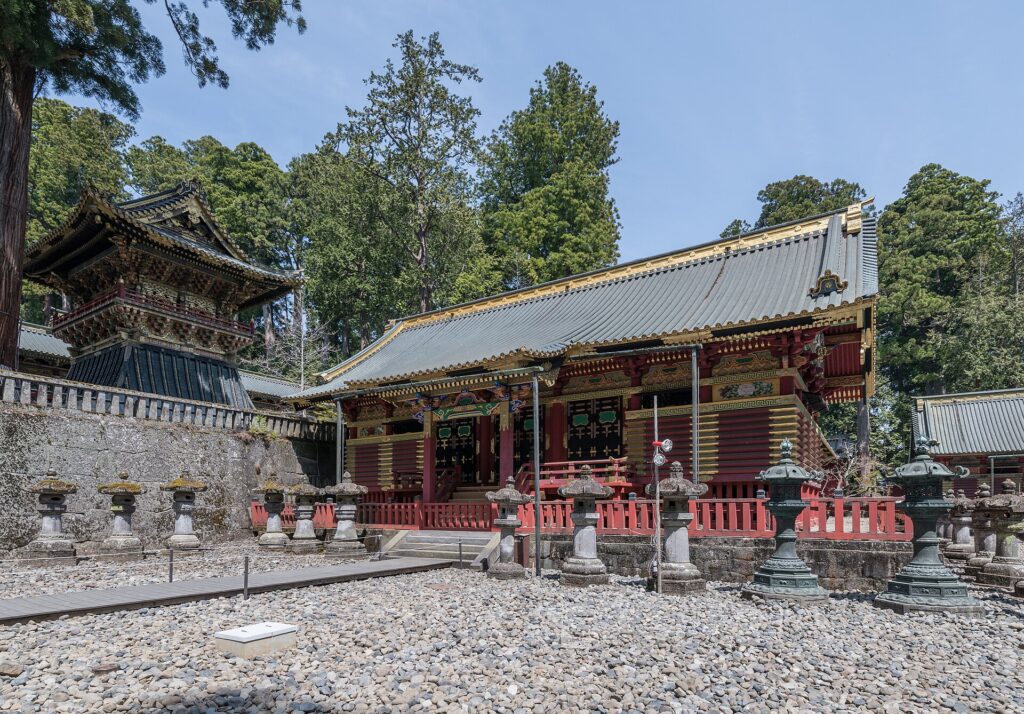 SpiritualNikkoWalk the shrines and temples of Nikko, from Toshogu to RinnojiA UNESCO World Heritage group of 103 shrine and temple buildings in the forests of Nikko.
Journal
From the Journal
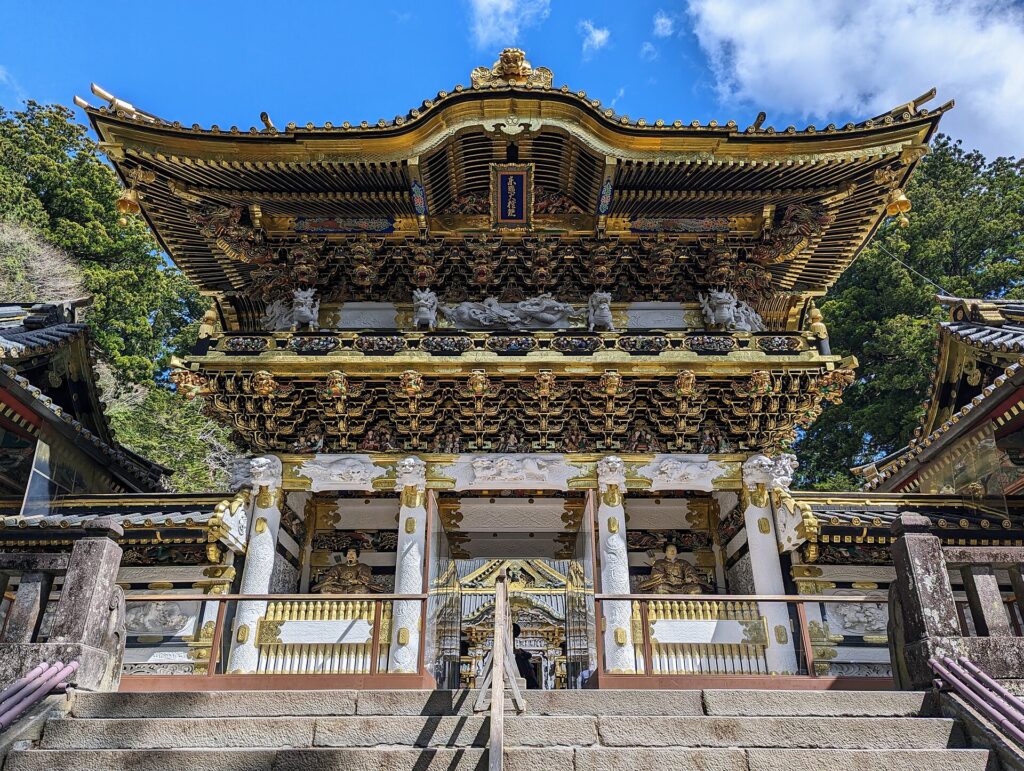 Feature · TravelNikko’s World Heritage Site Explained: Two Shrines, One Temple and a Forest of CedarsUNESCO inscribed the Shrines and Temples of Nikko in 1999.October 8, 2026
 Feature · TravelNikko Beyond the Shrines: Ice Houses, Moorland and White Water in Two DaysTochigi's tourism board proposes a summer weekend that skips the temples: a lake, a marsh, a night walk.October 8, 2026
 Feature · TravelOku-Nikko: Lake Chuzenji, the Moor of Senjogahara and the Embassy VillasBehind the shrines of Nikko lies one of Japan's oldest national parks.October 8, 2026