Kyoto Tea, Machiya and Ritual: A Guide to the City’s Living Crafts
A short guide to Kyoto's living crafts: tea, the machiya townhouse, kaiseki and the Gion festival.
Kyoto’s crafts are not kept in museum cases. They survive because people still use them: a tea room, a wooden townhouse, a seasonal meal, a festival float. The quickest way into the city is to take part in one of them.
Tea as the way in
Chanoyu, the Japanese tea ceremony, is the discipline from which much of Kyoto’s craft culture grew: the tea room, the bowl, the lacquer, the kimono worn to it, the sweets and the garden all trace back to it. Seeing it once teaches you how to look at everything else. Taking part in a tea ceremony is more useful than watching one, and a small private session says more than a large demonstration.
The machiya
The machiya, Kyoto’s long, narrow wooden townhouse, was built to a plan that shows an intelligent response to climate. Small courtyards act as natural air conditioners: warm air rises from the sunlit garden and draws cooler air through the house, while the narrow street frontage hides rooms that run deep into the plot. Tatami rooms, timber beams and an old well are the details that remain.
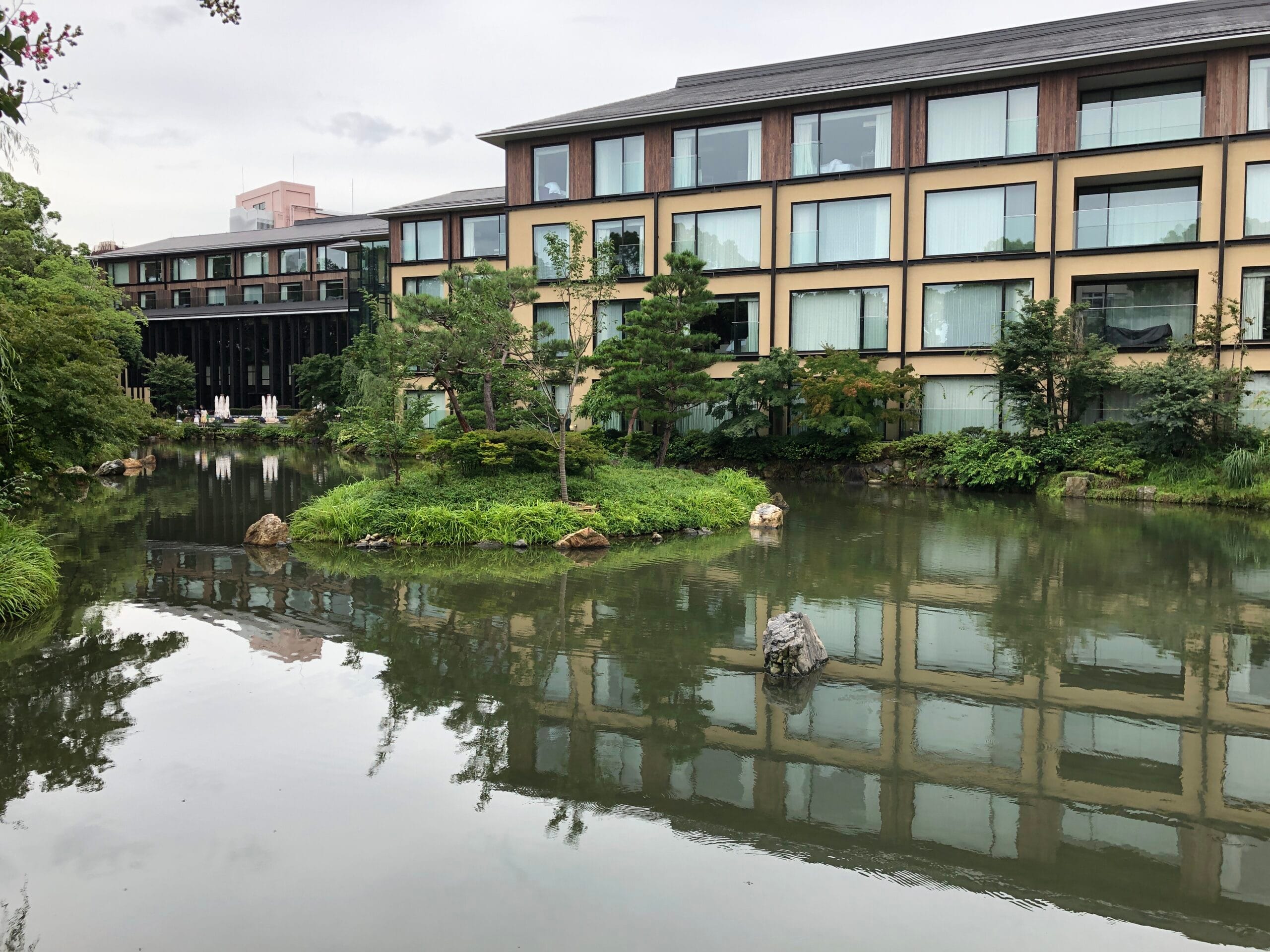
For a hotel that works with the same traditions, Hoshinoya Kyoto is a riverside, ryokan-style retreat in Arashiyama, and Four Seasons Hotel Kyoto is organised around an old pond garden.
Kaiseki, dining as ritual
Kaiseki is the formal, multi-course meal that grew alongside tea. It is built on season, restraint and the way each dish is set on its vessel, so the pottery and lacquer matter as much as the food. Dining on kaiseki is best planned as the main event of an evening rather than as one stop among several.
The festival calendar
Gion Matsuri is the public side of the same culture. It began in 869 as a prayer to end a plague and now runs through July, with the great float procession on 17 July and a second on 24 July. The floats, some exceeding 25 metres, are decorated with textiles, and the festival is registered as UNESCO intangible cultural heritage. To see them up close, see the floats of Gion Matsuri in the evenings before the procession.
Where to stay
For a base close to Gion and the tea houses, consider Imperial Hotel, Kyoto in the restored Yasaka Kaikan, or Capella Kyoto in the Miyagawa-cho geiko district.
Sources: Japan Food Guide: Gion Festival 2026; Japan Travel: Kyoto Machiya and Textiles Museum. Check the official websites for current information.
Stay
Hotels in this guide
Continue
More guides to Kyoto
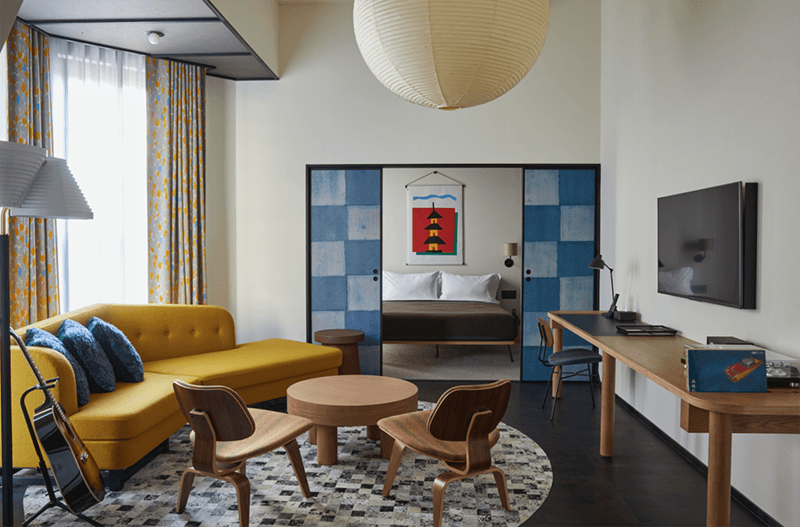 Kyoto · Design & ArchitectureKyoto Architecture Through Its Hotels: Kengo Kuma, a 1926 Exchange and a Rebuilt RyokanKyoto's recent hotels read as architecture: Kengo Kuma's three, a 1926 telephone exchange.
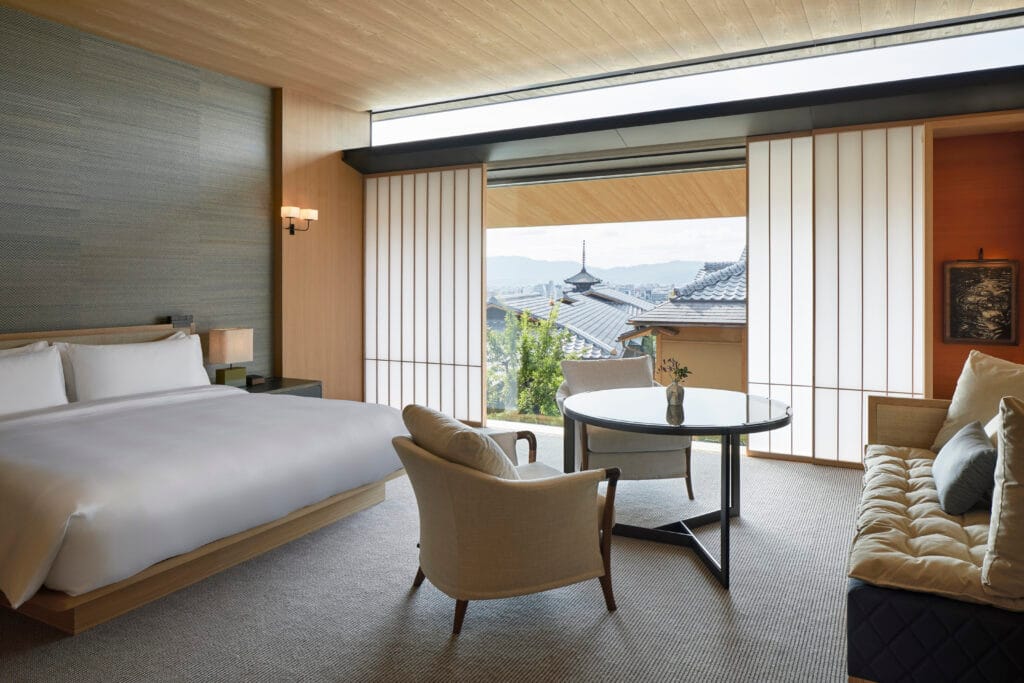 Kyoto · Where to StayWhere to Stay in Kyoto’s Higashiyama: A Guide to the Hotels Beside the TemplesWhere to stay on Kyoto's eastern hillside, from Kengo Kuma's Banyan Tree to the restored Yasaka Kaikan in Gion.
Experiences
Experiences in Kyoto
Journal
From the Journal
 Feature · TravelKyoto’s Decade of New Hotels, and How to Choose Between ThemFrom Four Seasons in 2016 to Capella and the Imperial in 2026.October 3, 2026Feature · Design & ArchitectureHoshinoya Kyoto and Hoshinoya Tokyo: One Architect, Two Ways to Reinvent the RyokanOn the Oi River in Arashiyama the ryokan is rebuilt around a century-old house.October 8, 2026Feature · Design & ArchitectureKyoto’s Machiya: The Wooden Townhouses and How to Stay in OneThe narrow wooden houses of Kyoto's merchants were shop, workshop and home in one long plan.October 4, 2026