Osaka
Japan · East Asia
Japan’s merchant city: Dotonbori’s neon and canal, an Expo legacy, new Dojima and Umeda hotels and a Michelin list that puts three-star kitchens alongside takoyaki.
Why visit
Why visit Osaka
Osaka is a city to eat in. Okonomiyaki is a savoury pancake cooked on a teppan, with some restaurants letting you cook your own, and kushi-katsu in Shinsekai is skewered, lightly battered and deep-fried meat, cheese and vegetables. Takoyaki, octopus-filled batter balls, are sold from stalls around Dotonbori. At the top end, three restaurants hold three Michelin stars, among them Kashiwaya Osaka Senriyama, and 66 have one star.
The city also has places to digest. Nakanoshima, an island beside the Dojima River, has some of Osaka’s best architecture, including the black-cube Nakanoshima Museum of Art, and Dojima next to it was the centre of the rice trade. Tenma, to the north-east, has Japan’s longest covered shopping arcade, Tenjinbashisuji, at 2.6 kilometres and more than 600 shops. Shinsekai, developed in 1912 around the Tsutenkaku tower, is the lower-town district of the south.
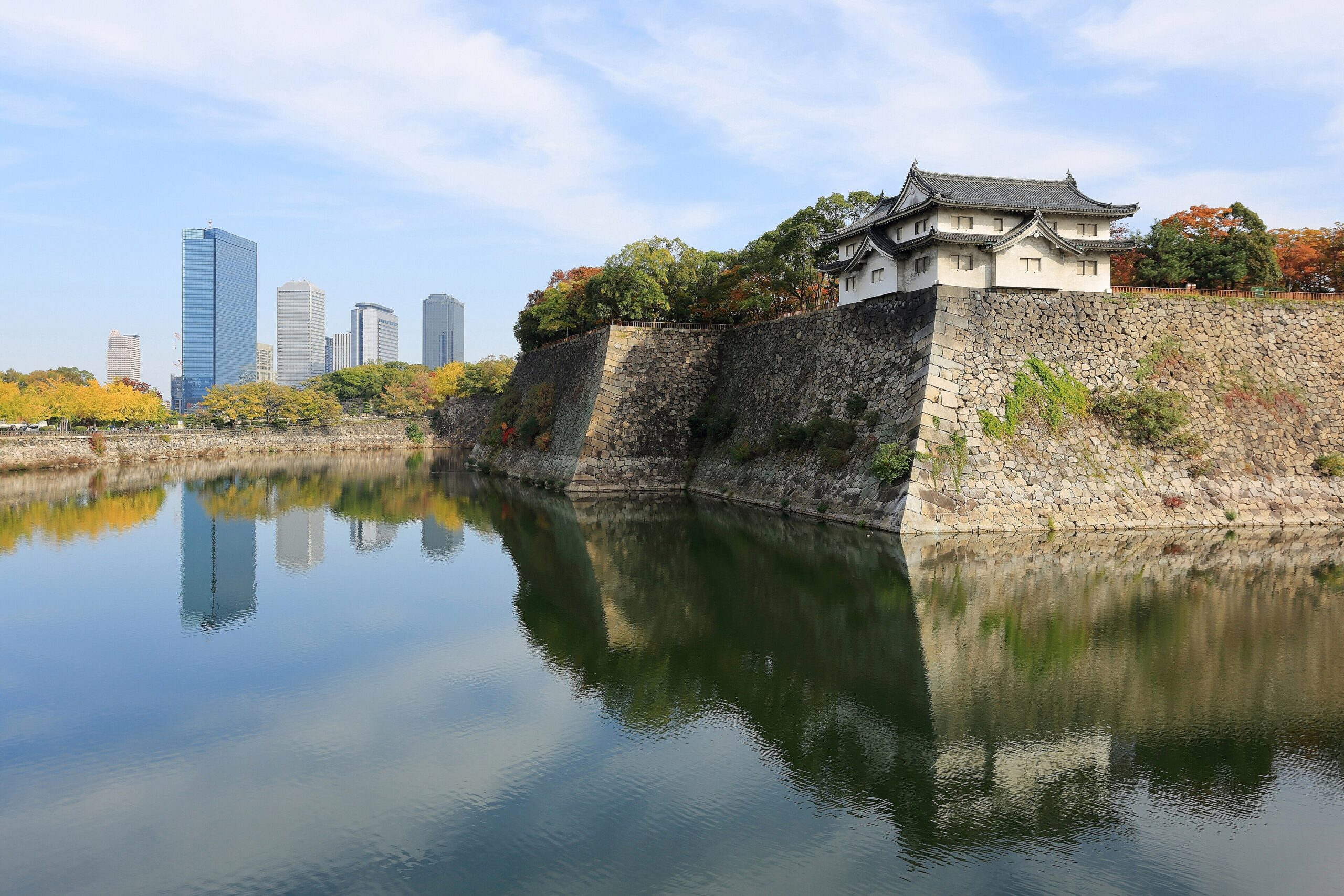
Osaka Castle, built on the grounds of an earlier castle that belonged to Toyotomi Hideyoshi, stands in a calm park at the heart of the city, and Shitennoji, in Tennoji, is described as Japan’s oldest temple.
Explore
What to see
Dotonbori is the centre of night-time Osaka. It has been downtown Osaka’s place to be since the seventeenth century, with the neon Glico man by Ebisu Bridge. The canal was built in 1612 and completed in 1615, and the first Glico sign went up in 1935; the current sixth version dates from 2014 and uses LEDs. It is lit after sunset until midnight, though the hours can be shortened. Plan two to three hours for a walk and a meal.
Osaka Castle’s rebuilt keep is a museum about Hideyoshi’s life. Shinsaibashi and Midosuji form the main fashion street, with Amerika-mura to the west. The 40-storey Umeda Sky Building has an observatory, and the Floating Garden Observatory sits 173 metres up. For cherry blossoms in spring and autumn leaves, the castle park is the place to go.
Hotels
Where to stay in Osaka
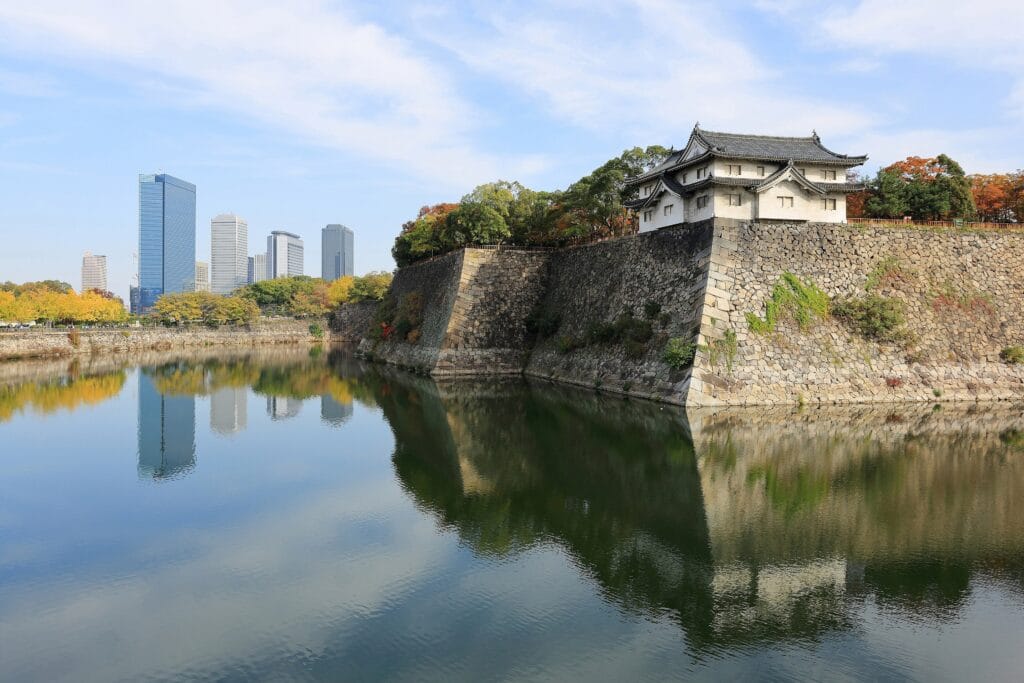
The north, around Umeda and Dojima, suits business and a short stay, with Minami an easy subway ride away. For nightlife and street food, stay near Namba and Dotonbori.
Dining
Where to eat in Osaka
Osaka’s 2026 MICHELIN Guide lists 235 restaurants, and three have three stars, among them Kashiwaya Osaka Senriyama, whose chef Hideaki Matsuo received the guide’s Mentor Chef Award. Twelve have two stars, among them Teruya, newly promoted from one star. Japanese cooking dominates the new stars, with sushi, tempura, Chinese and French cooking also represented. Stars change annually, so check the current guide.
Experiences
Experiences in Osaka
The Journal
Latest on Osaka
Before you go
Practical information
Best time to visit
Spring (March to May) and autumn (September to November) are the best times, with cherry-blossom season in spring drawing large crowds. Summer, especially July and August, is hot, humid and rainy, with typhoon season peaking in August or September, and winter (December to February) is cold with occasional snow.
Getting around
Kansai International Airport is on a man-made island in Osaka Bay, about 48 kilometres south-west of the centre, and Itami Airport handles domestic flights about 15 kilometres north. From Kansai, the JR Haruka Limited Express runs to Shin-Osaka in about 48 minutes, and the Nankai rapi:t and Nankai Airport Express run to Namba. Osaka has nine subway lines, but visitors mostly need the red Midosuji Line, north to south, and the green Chuo Line, east to west. IC cards such as Icoca, Suica and Pasmo work on trains, subways and buses.
Read more
Osaka Metro, Nankai and Kintetsu stations in Namba are separate, so pick the one nearest your route, and check your last train before a late evening in Dotonbori. Shin-Osaka is where Shinkansen trains from other Japanese cities arrive.
Practical notes
Check the Glico sign’s lighting hours for your date. Kyoto is half an hour away by train.
Continue exploring
More from Japan
 JapanIse-ShimaA national park on Mie's Shima Peninsula, where Japan's most sacred shrine stands near the pearl rafts of Ago Bay and a hot-spring Aman.Explore Ise-Shima →
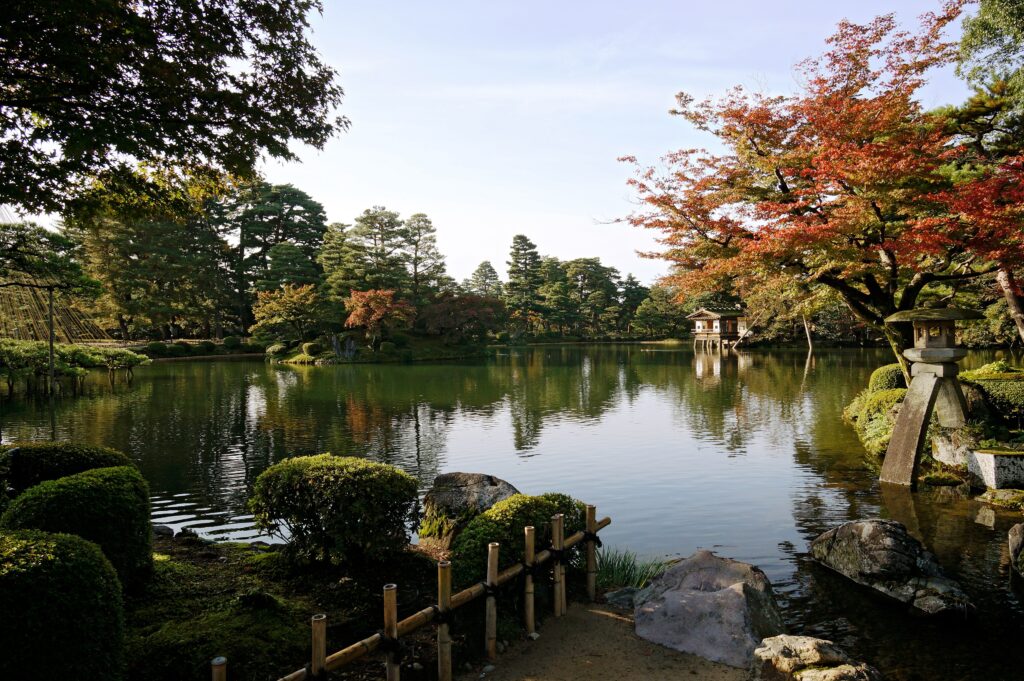 JapanKanazawaA feudal castle town that was never bombed: Kenrokuen garden, teahouse districts, gold leaf workshops and SANAA's 21st Century Museum, two and a half hours from Tokyo by shinkansen.Explore Kanazawa →
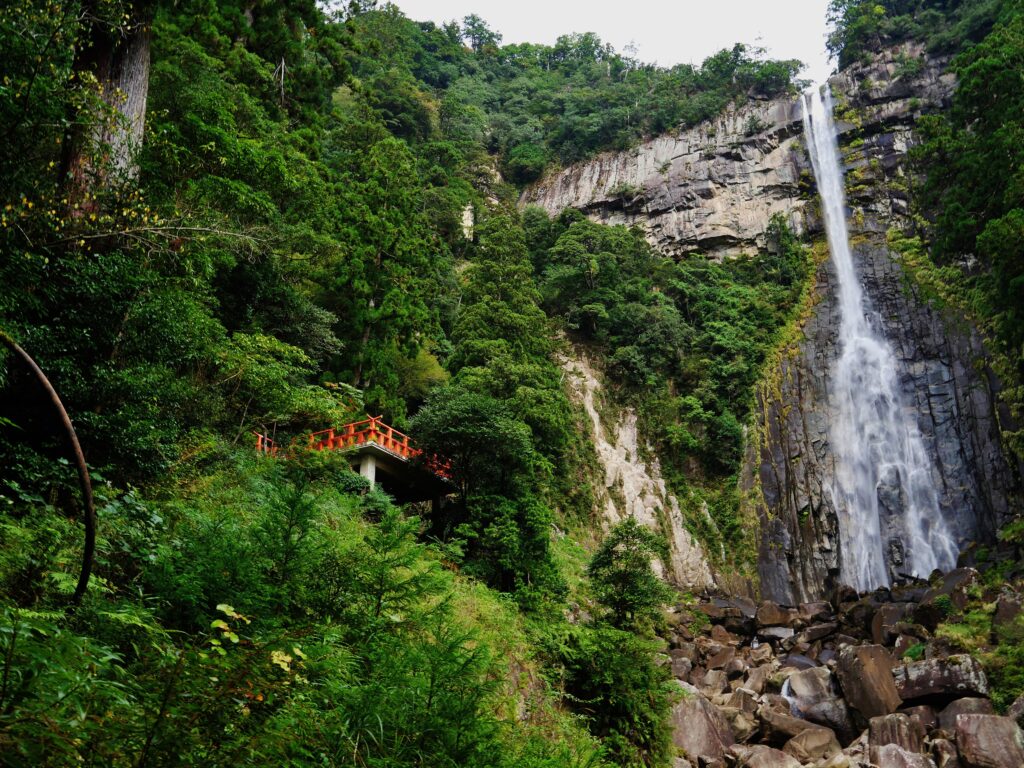 JapanKumanoThe Kii Peninsula's sacred mountains and pilgrimage routes: Nachi Falls, the Kumano shrines and a tuna-port ryokan on Nachi Bay.Explore Kumano →