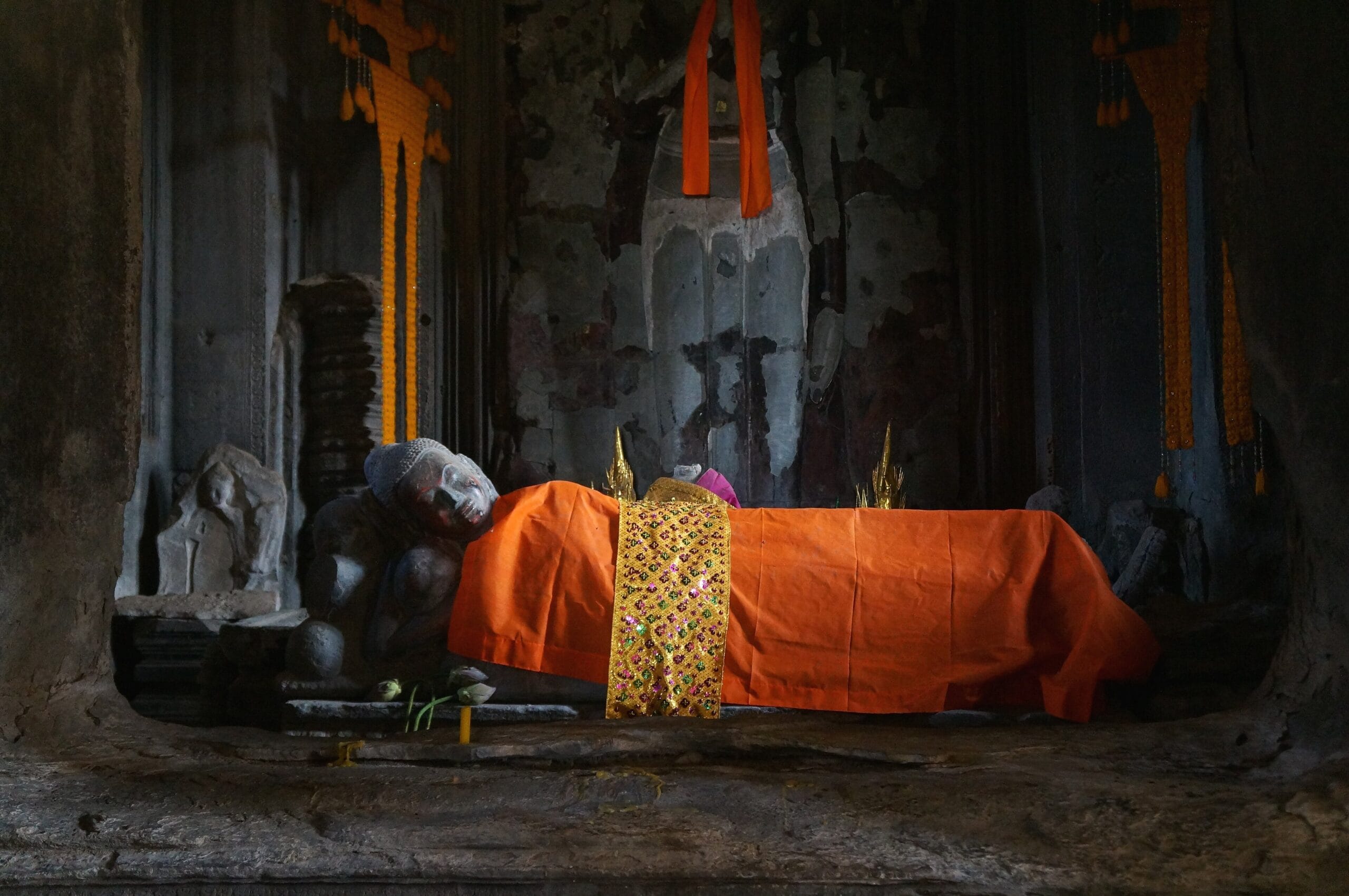
Siem Reap
Cambodia · Southeast Asia
The gateway to Angkor: Angkor Wat, the faces of the Bayon and temples in the forest, with the Tonle Sap lake to the south.
Why visit
Why visit Siem Reap
Go for Angkor Wat, built by Suryavarman II in the first half of the twelfth century: a moat 190 metres wide, three rising enclosures, a central tower 65 metres high and nearly 1,800 carved figures of celestial women on its walls.
Go also for what lies around it. Angkor Thom and the Bayon, Ta Prohm in the grip of tree roots, and the small pink temple of Banteay Srei each show a different side of Khmer building. Our guide to three days among the temples gives an order in which to see them.
Explore
What to see
Angkor Wat. Best in the afternoon, when the light falls on its western face, and again at dawn.
Angkor Thom. The walled city of Jayavarman VII, entered by the south gate, with the Bayon at its centre and the Terrace of the Elephants nearby.
Ta Prohm. Left much as it was found, with the roots of great trees over its walls.
Banteay Srei. A tenth-century temple of pink sandstone to the north, small in scale and finely carved.
Further out. The tenth-century capital of Koh Ker, to the north-east, has a seven-tiered pyramid and few visitors. To the south, the Tonle Sap is the largest lake in Southeast Asia, with floating villages and flooded forest.
Hotels
Where to stay in Siem Reap
Siem Reap has hotels at every level, from colonial-era grand hotels to small resorts among the rice fields. Many travellers combine Angkor with the capital, where Rosewood Phnom Penh looks over the Mekong, or with the forest camp of Shinta Mani Wild in the Cardamom Mountains.
Dining
Where to eat in Siem Reap
Khmer cooking is milder than Thai and makes much use of freshwater fish from the Tonle Sap, lemongrass and prahok, a fermented fish paste. Amok, fish steamed in coconut and spices, is the dish most visitors try first.
Experiences
Experiences in Siem Reap
The Journal
Latest on Siem Reap
- Angkor Wat and Beyond: Planning Three Days Among the Temples
- Aqua Mekong: A River Journey Between Saigon and Angkor
- Raffles Grand Hotel d’Angkor Reopens After Six Months of Renovation
- Bill Bensley Opens the Third Shinta Mani in Siem Reap, With Ten Villas
- Park Hyatt Siem Reap Opens in the Former Hotel de la Paix
Before you go
Practical information
Best time to visit
November to February is cool and dry and is the high season. From June to October there are afternoon showers, green rice fields, full moats and far fewer people.
Getting around
Siem Reap's new international airport, opened in 2023, lies about an hour from the town. Distances between temples are too great to walk. Most visitors hire a car, or a tuk-tuk for the nearer temples, with a licensed guide. River ships such as Aqua Mekong run between Vietnam and Cambodia by the Mekong and the Tonle Sap.
Practical notes
Passes are sold for one, three or seven days at the official ticket office and are checked at each temple; current validity rules and prices should be confirmed before travelling. Shoulders and knees must be covered at the upper level of Angkor Wat.
Continue exploring
More from Southeast Asia
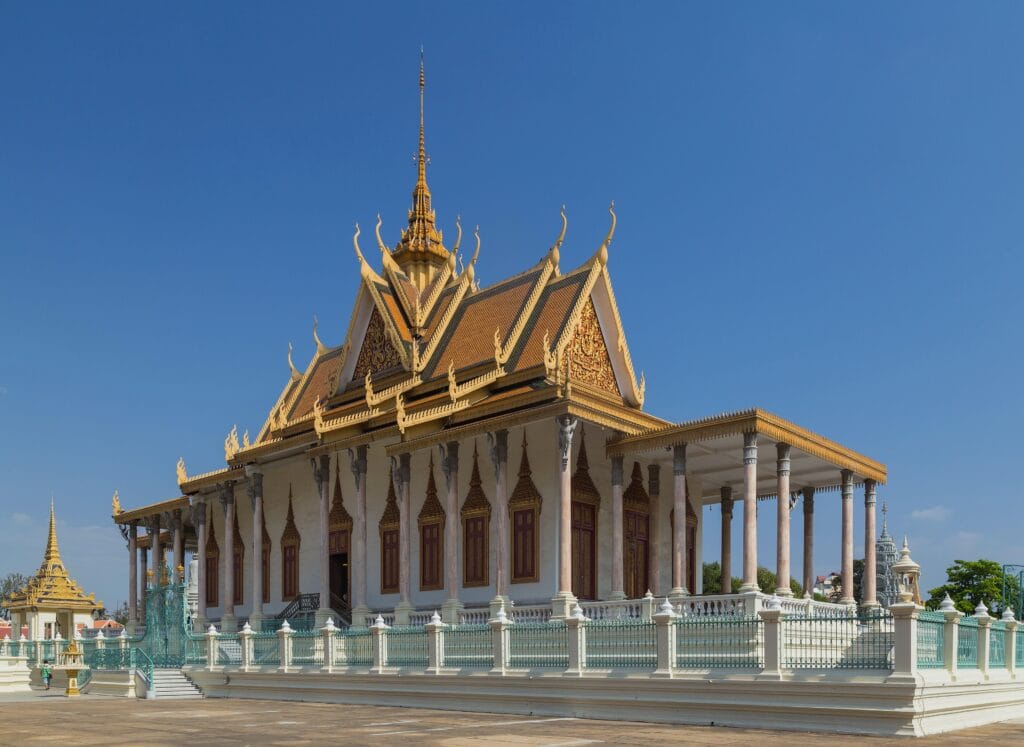 CambodiaPhnom PenhCambodia's riverside capital: the Royal Palace and Silver Pagoda, the National Museum of Khmer sculpture and the modern buildings of Vann Molyvann.Explore Phnom Penh →CambodiaSouthern CambodiaCambodia's south-west: a private island off Ream National Park and a forest camp in the Cardamom Mountains.Explore Southern Cambodia →
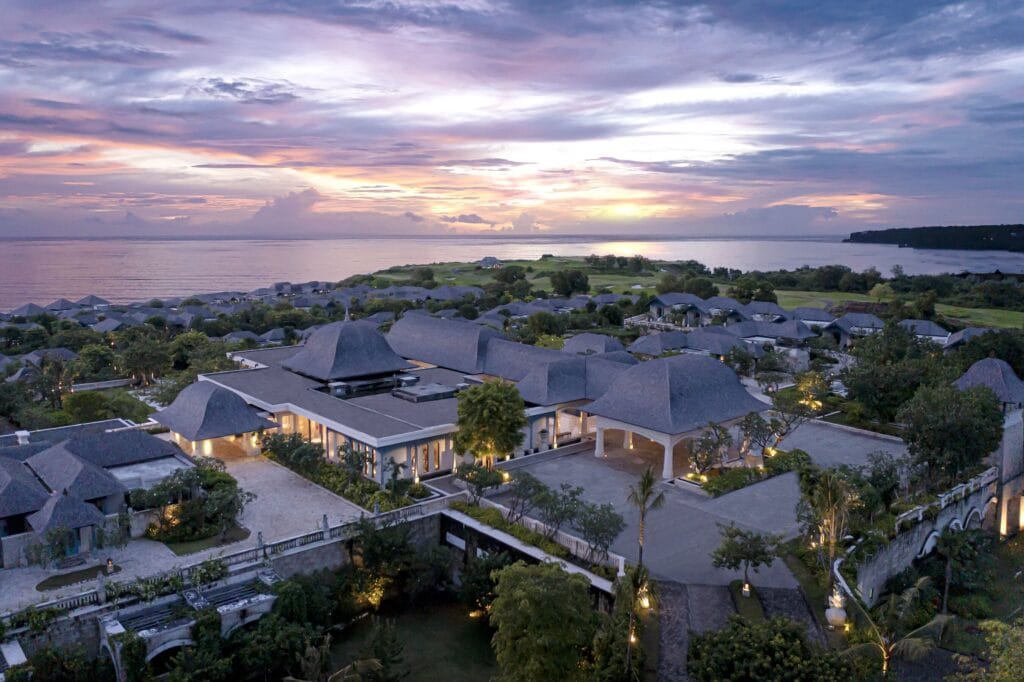 IndonesiaBaliIndonesia's island of temples, rice terraces and clifftop coastlines, with celebrated resorts and a fast-evolving dining scene.Explore Bali →