Kuala Lumpur
Malaysia · Southeast Asia
A green, multicultural capital of street food, colonial arcades and record-breaking towers, with new hotels at gentle prices.
Why visit
Why visit Kuala Lumpur
Go for the food, which stands comparison with Singapore’s at a lower cost: nasi lemak, char kway teow, banana-leaf rice, satay and durian in season. The MICHELIN Guide has covered the city since late 2022, and the 2026 edition gives Dewakan two stars.
Go also for the mixture of architecture, from the Moorish arches of the old railway station and the Sultan Abdul Samad Building to the Islamic Arts Museum and the towers of the city centre, and for hotels of the first rank at rates that compare favourably with Hong Kong or Singapore.
Explore
What to see
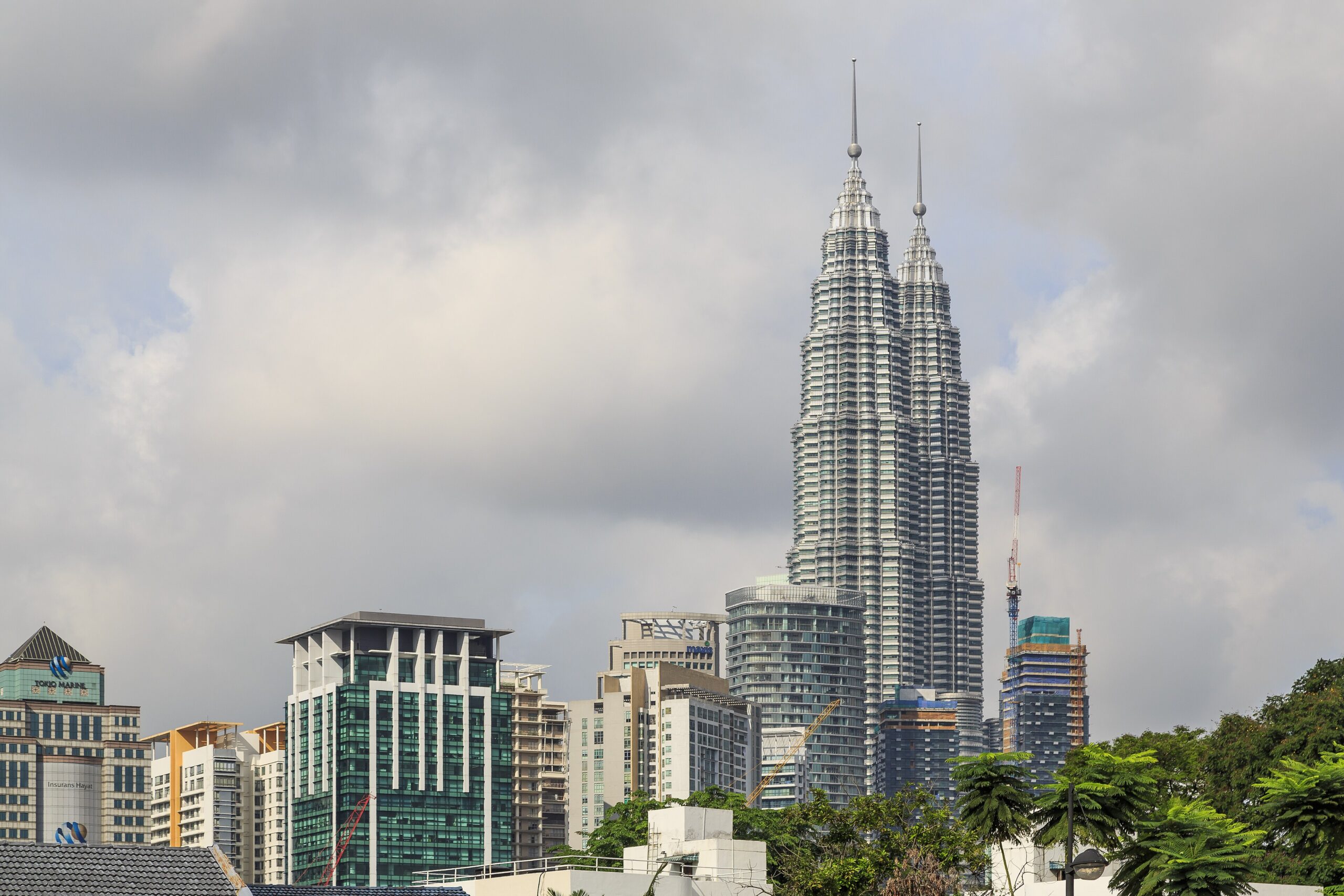
The Islamic Arts Museum Malaysia has one of the finest collections of its kind in Asia, beside the Lake Gardens and the National Mosque. Merdeka Square and the surrounding colonial buildings mark the old centre. The Petronas Towers, by Cesar Pelli, are best seen from the park at their foot at dusk.
The Batu Caves, a Hindu shrine in a limestone hill, are half an hour north. Chinatown and the restored shophouses of Kwai Chai Hong, the Thean Hou Temple and the weekend markets fill the rest of a visit.
Hotels
Where to stay in Kuala Lumpur
The Golden Triangle, between the Petronas Towers and Bukit Bintang, holds most of the leading hotels, including the Four Seasons and, from late 2026, the Waldorf Astoria on Jalan Raja Chulan, with 268 residential-style suites.
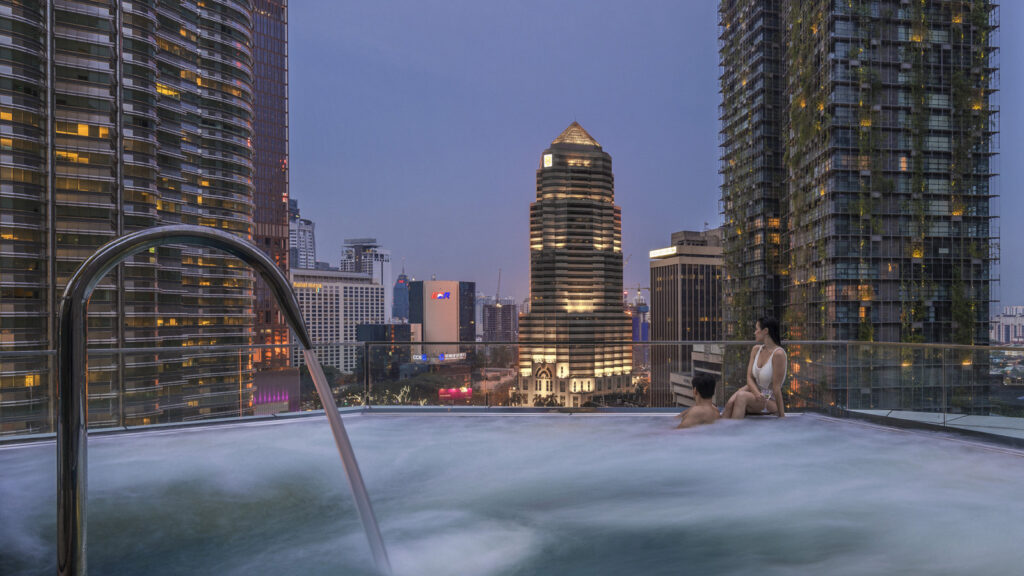 Four Seasons · Golden Triangle, KLCCFour Seasons Hotel Kuala Lumpur209 rooms and suites in a 65-storey tower beside the Petronas Towers and KLCC Park, with Yun House and Bar Trigona.Explore →
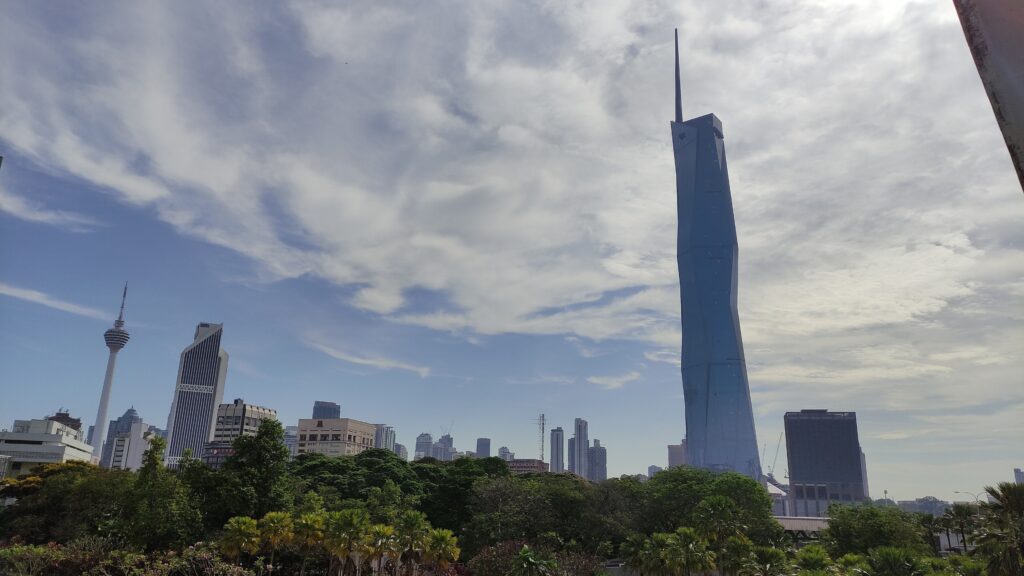
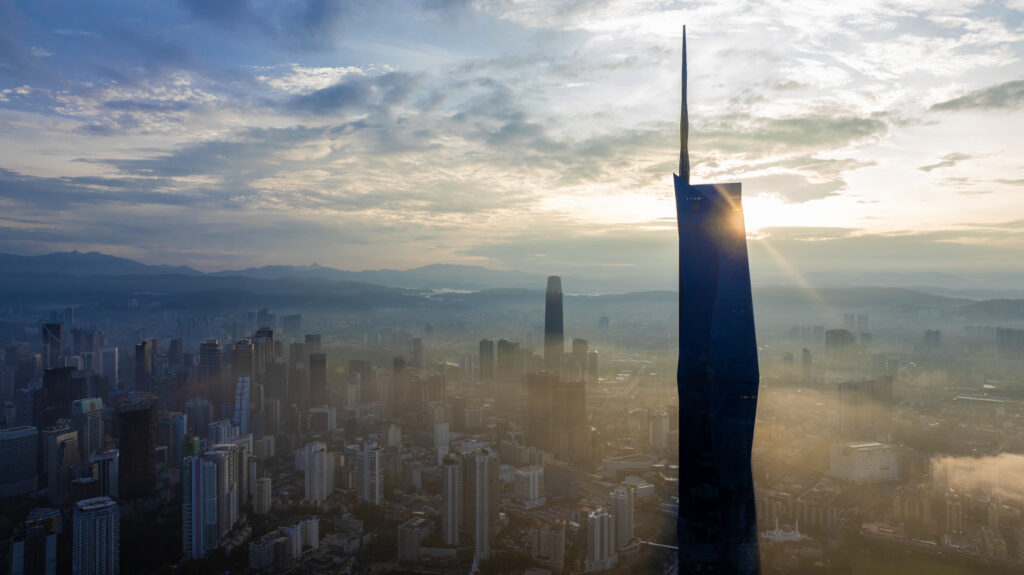 Park Hyatt · Merdeka 118, beside Stadium MerdekaPark Hyatt Kuala LumpurPark Hyatt Kuala Lumpur occupies the top floors of Merdeka 118, beside the stadium where Malaya's independence was declared, and G.A Group fitted it out as a traditional Malay house stretched upwards.Explore →
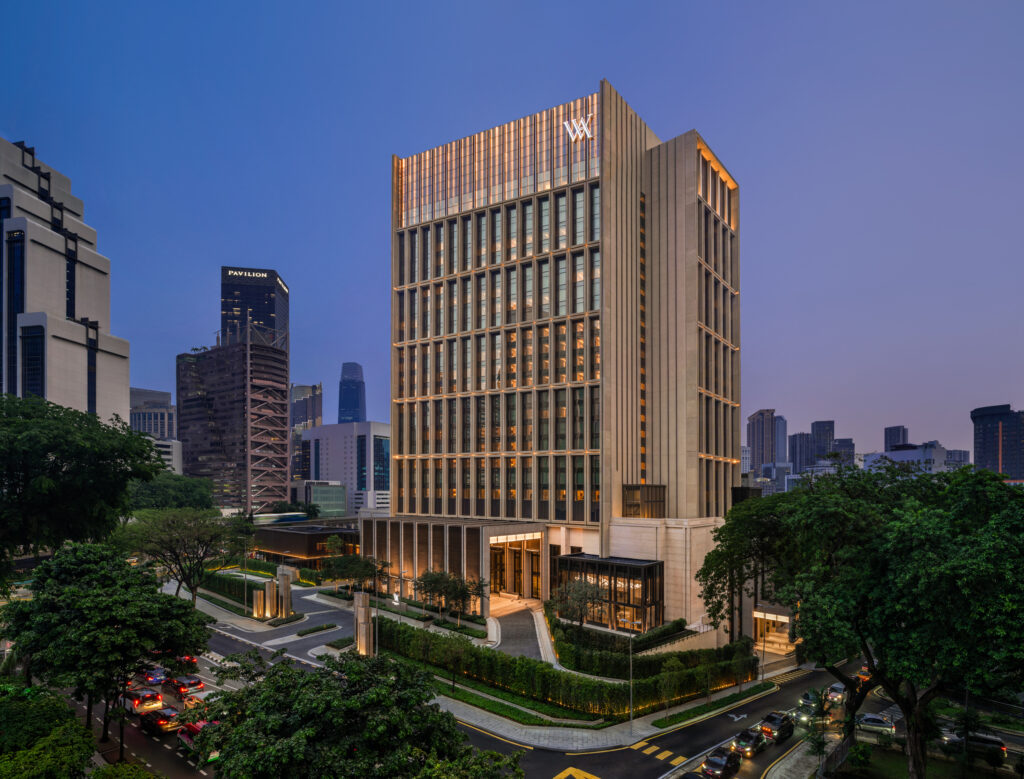 Waldorf Astoria · Golden Triangle, Bukit BintangWaldorf Astoria Kuala LumpurThe brand's first hotel in Malaysia: 268 suites in the Golden Triangle, with a clock and an art collection drawn from the Islamic Arts Museum Malaysia.Explore →
Dining
Where to eat in Kuala Lumpur
Start with hawker food: Jalan Alor in the evening, the coffee shops of Chinatown and Pudu for breakfast, Kampung Baru for Malay dishes and Brickfields for South Indian food on banana leaf. Contemporary Malaysian cooking is found at Dewakan, which works with ingredients from the country’s forests and coasts and holds two Michelin stars in the 2026 guide; Akar Dining and Terra Dining are among the new one-star addresses, and Molina, on the 51st floor of The FACE Style hotel, looks across the skyline. Beta, on Jalan Perak, tells the story of Malaysia’s regional cooking course by course; Chim by Chef Noom, in an office tower in Imbi, won a Michelin star after opening in 2024; and DC. by Darren Chin occupies a 1970s building in Taman Tun Dr Ismail. Ratings change each year, so check the current guide. The cocktail bars of Chinatown, in old shophouses around Petaling Street, are among the best in the region.
Experiences
Experiences in Kuala Lumpur
The Journal
Latest on Kuala Lumpur
- Waldorf Astoria Kuala Lumpur Prepares for a Late-2026 Malaysian Debut
- Park Hyatt Kuala Lumpur Celebrates Elle & Vire’s 80th Anniversary with an Afternoon Tea
- Waldorf Astoria Kuala Lumpur Sets a 30 October Opening
- W Kuala Lumpur Serves a Parisian Afternoon Tea with Fauré Le Page
- Park Hyatt Kuala Lumpur Opens High in Merdeka 118
Before you go
Practical information
Best time to visit
The city is hot and humid all year, around 32 degrees by day, with heavy showers on most afternoons. May to July and December to February are somewhat drier. Ramadan brings night food markets across the city, and Chinese New Year, Deepavali and Thaipusam, with its procession to the Batu Caves in January or February, are all celebrated on a large scale.
Getting around
The airport express train reaches KL Sentral in about half an hour. Within the city, ride-hailing cars are cheap and the most convenient way to move, though traffic is heavy at rush hours. The LRT, MRT and monorail lines are useful for the centre. Covered walkways link the main shopping district of Bukit Bintang with the Petronas Towers. The heat makes long walks tiring; go out early and late.
Practical notes
English is widely spoken. Malaysia is a Muslim-majority country and dress should be modest when visiting mosques, though the city itself is relaxed. Alcohol is available in hotels, restaurants and bars. Tipping is not expected. Many travellers combine the city with Penang, Langkawi or a rail journey on the Eastern & Oriental Express.
Continue exploring
More from Southeast Asia
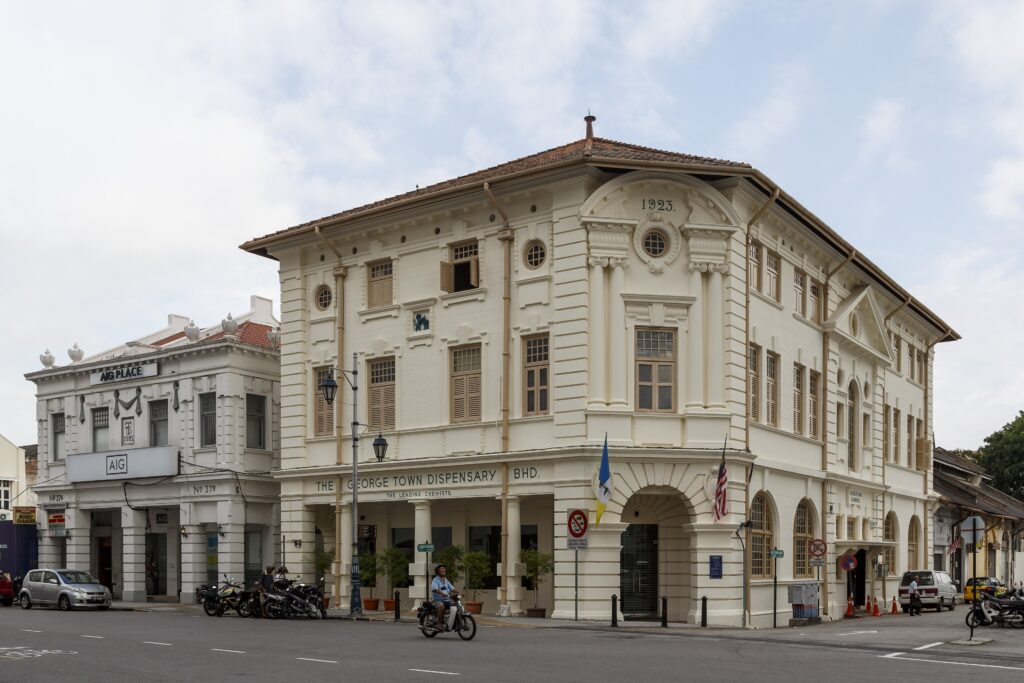 MalaysiaPenangGeorge Town's shophouses, clan halls and temples, a heritage hotel on the sea front and the most celebrated street food in Malaysia.Explore Penang →
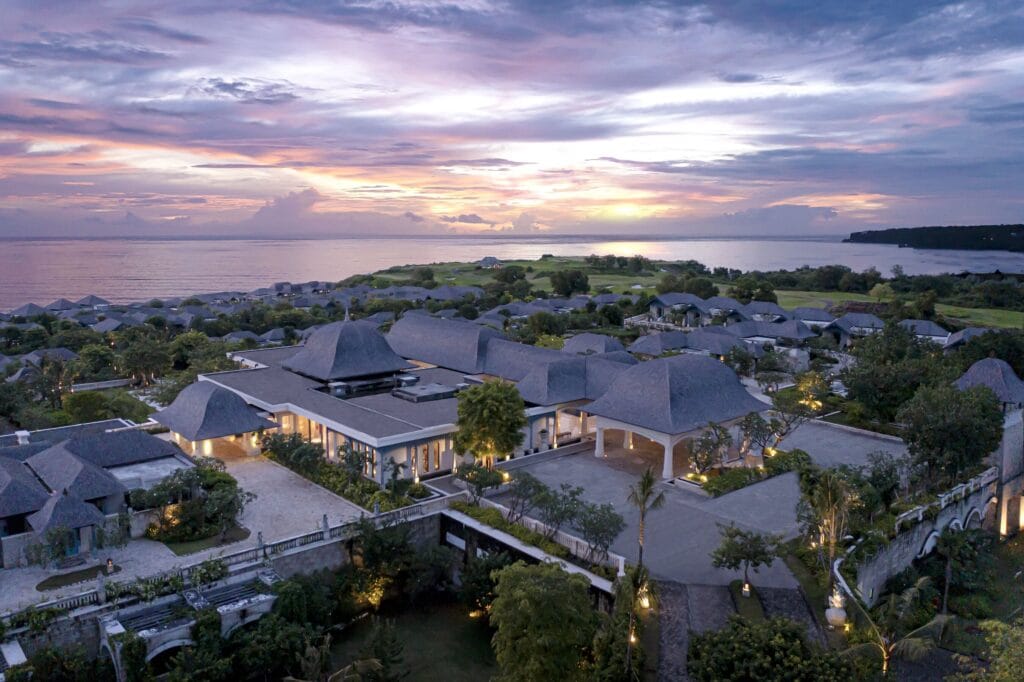 IndonesiaBaliAn island of water temples and rice terraces, with Ubud’s river valleys, the Bukit cliffs and Seminyak’s beach strip each holding a distinct set of hotels and restaurants.Explore Bali →
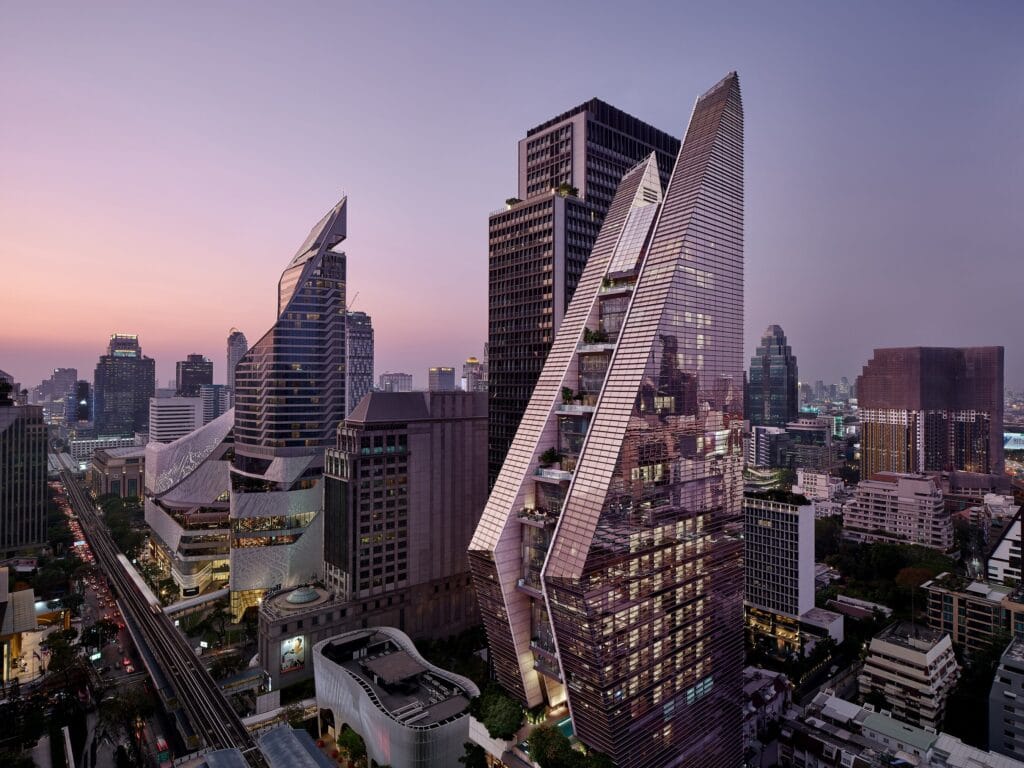 ThailandBangkokThailand’s river capital: the Grand Palace and Wat Pho on the east bank, Wat Arun opposite, a creative quarter along Charoen Krung and a restaurant scene that holds both of Thailand’s three-star kitchens.Explore Bangkok →