Penang
Malaysia · Southeast Asia
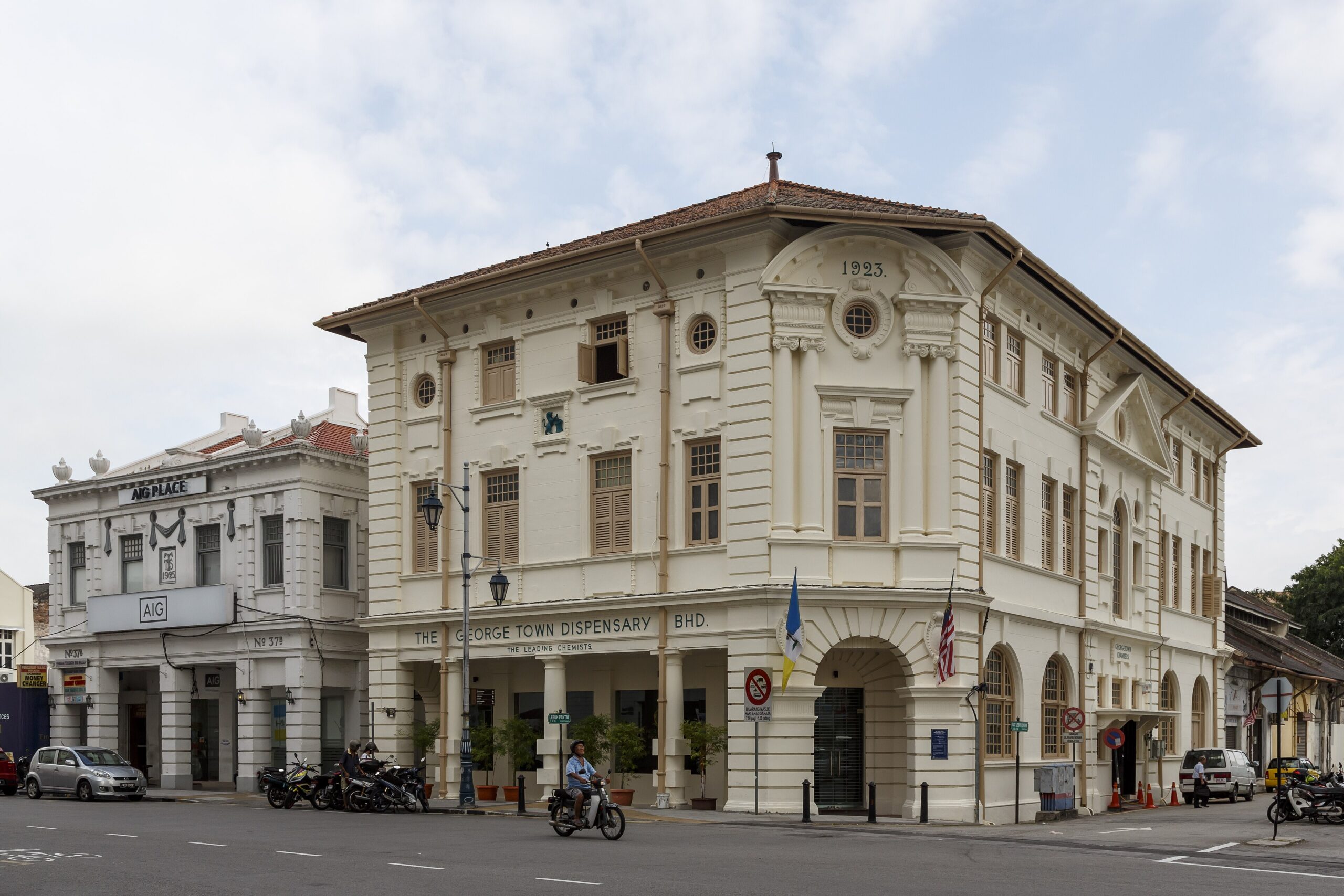
George Town's shophouses, clan halls and temples, a heritage hotel on the sea front and the most celebrated street food in Malaysia.
Photo: CEphoto, Uwe Aranas / Wikimedia Commons CC BY-SA 3.0
Why visit
Why visit Penang
Go for an old Asian port that was not pulled down. George Town is a grid of shophouses, with the monuments of each trading community standing among them, and it is small enough to see on foot. A morning spent walking the old streets of George Town shows how closely temples, mosques, churches and clan halls sit together.
Go also for the food. Penang is regarded by Malaysians as the country’s capital of eating, and the Michelin Guide has covered it since its first Malaysian edition; check the current guide for the listings. The best meals are still the simplest ones, eaten at a hawker stall or a corner coffee shop.
Explore
What to see
Khoo Kongsi. The most elaborate of the Hokkien clan halls, hidden in its own square behind the houses.
The Blue Mansion. The indigo house of the merchant Cheong Fatt Tze, now a small hotel shown on guided tours.
The Pinang Peranakan Mansion. A town house that shows how the Straits Chinese lived.
The Street of Harmony. An Anglican church, a Chinese temple, a Hindu temple and a mosque along one road.
The clan jetties. Houses on stilts along wooden piers on the waterfront.
Street art. The murals painted by Ernest Zacharevic in 2012, and those that followed.
Beyond the town. Penang Hill, climbed by a funicular railway, and the temple of Kek Lok Si at its foot.
Hotels
Where to stay in Penang
Stay in one of two places. The old town puts the shophouses, clan halls and hawker lanes at the door, and many of its old houses, the Blue Mansion among them, have become small hotels with a few rooms each. The sea front on the northern edge is quieter and more formal.
Dining
Where to eat in Penang
The dishes to try are char kway teow, flat rice noodles fried over fierce heat; asam laksa, a sour fish soup with thick noodles; Hokkien prawn noodles; and nasi kandar, rice with a choice of curries. They are sold from stalls in coffee shops and at open-air hawker centres, and breakfast in a kopitiam, with strong coffee and kaya toast, is part of the local routine.
Experiences
Experiences in Penang
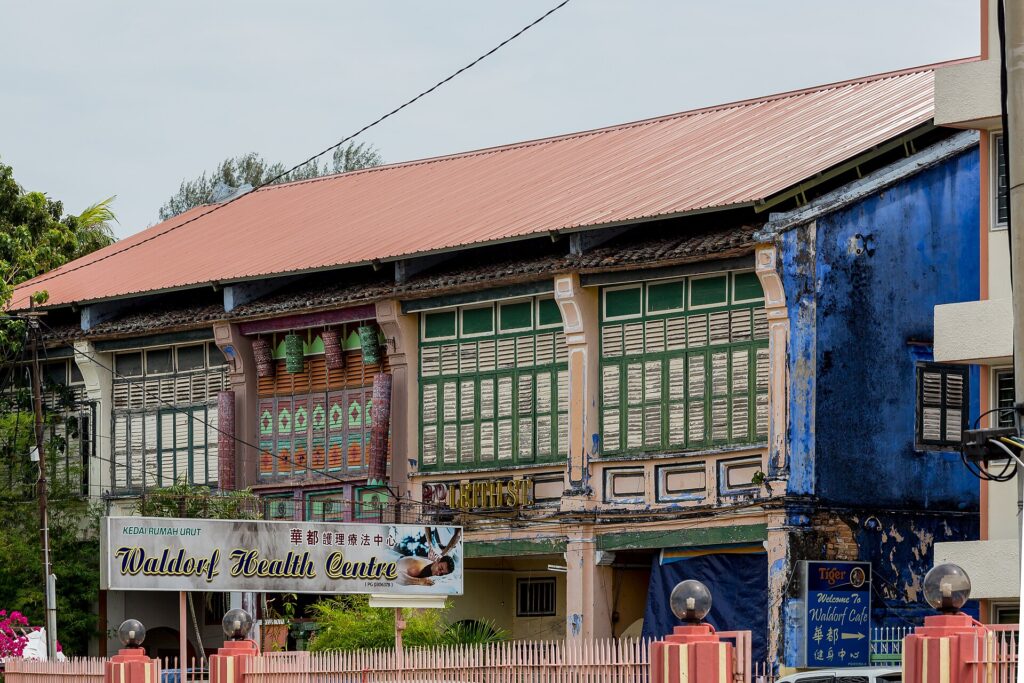 Cultural ImmersionWalk the old streets of George Town, and eat as you goA day's walk through George Town's clan halls, temples, mansions and jetties, punctuated by Penang's street food.Explore →
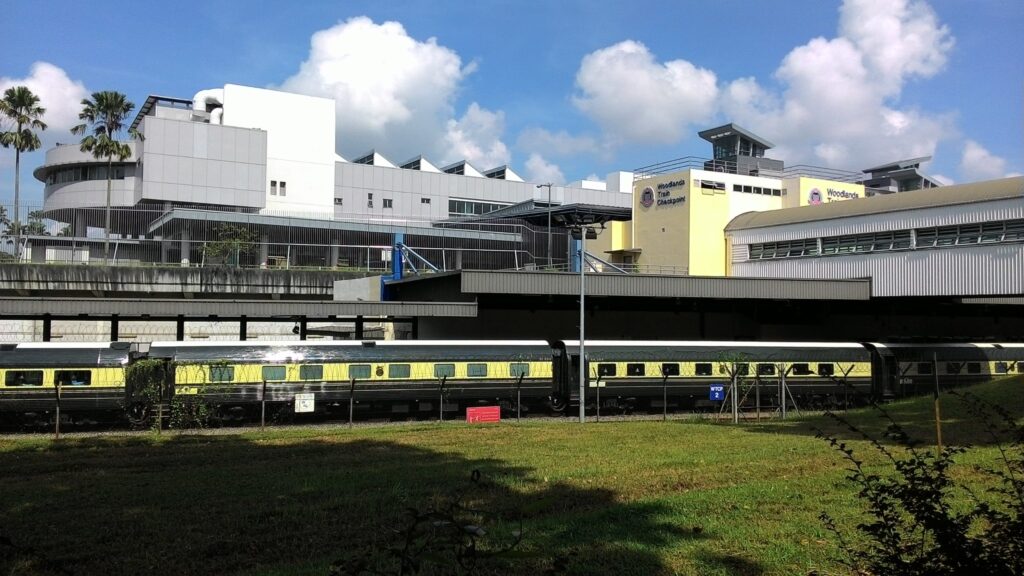 Rail JourneyRide the Eastern & Oriental Express through MalaysiaBelmond's green-and-cream sleeper train leaves Singapore for three nights on the Malay Peninsula, by the west coast in one season and through the jungle interior in the other. The observation car is where the journey happens.Explore →
The Journal
Latest on Penang
Before you go
Practical information
Best time to visit
Penang is hot at any season. The heaviest rain falls from September to November. The old town is best walked early and late in the day, with the middle hours given to museums, coffee shops and the hotel.
Getting around
Penang has an international airport, and is reached from Kuala Lumpur by train to Butterworth and a ferry across the strait. The old town is walked. For a longer journey, Belmond’s Eastern & Oriental Express travels the peninsula from Singapore.
Practical notes
Two or three days suit the old town and the hill. Hawker stalls keep their own hours, and many close one day a week. Dress modestly in temples and mosques, and check opening times for the clan halls before setting out.
Continue exploring
More from Southeast Asia
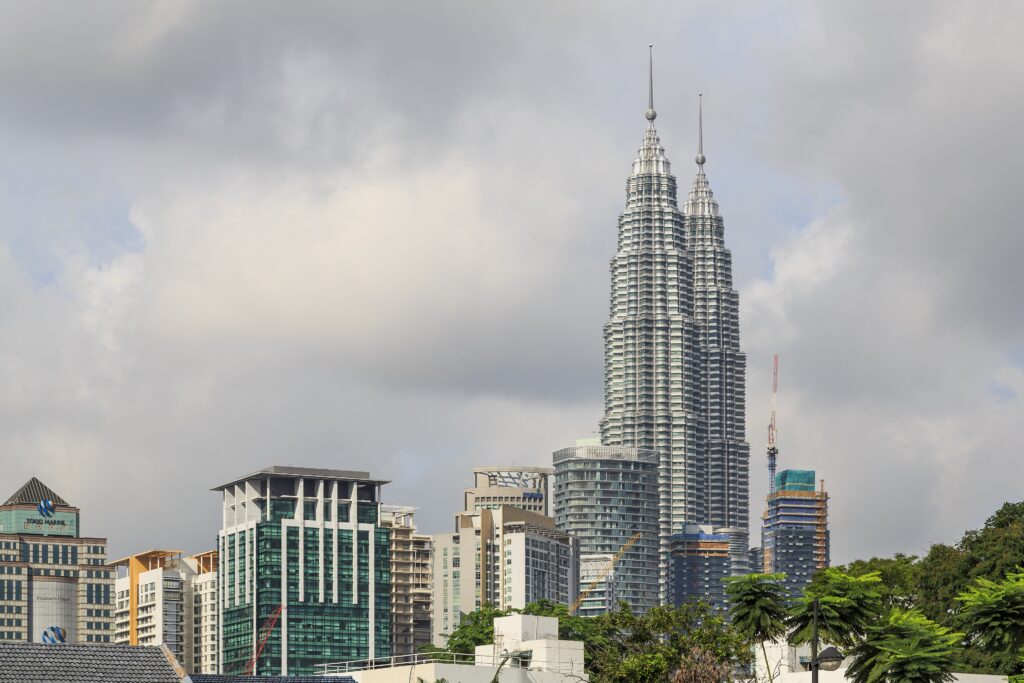 MalaysiaKuala LumpurA green, multicultural capital of street food, colonial arcades and record-breaking towers, with new hotels at gentle prices.Explore Kuala Lumpur →
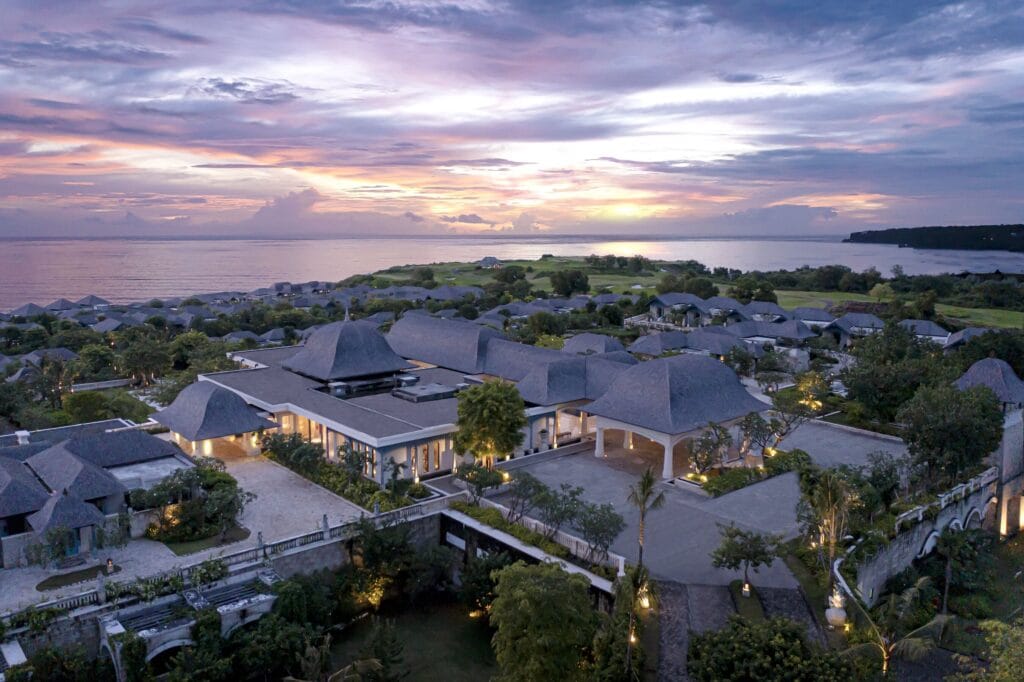 IndonesiaBaliAn island of water temples and rice terraces, with Ubud’s river valleys, the Bukit cliffs and Seminyak’s beach strip each holding a distinct set of hotels and restaurants.Explore Bali →
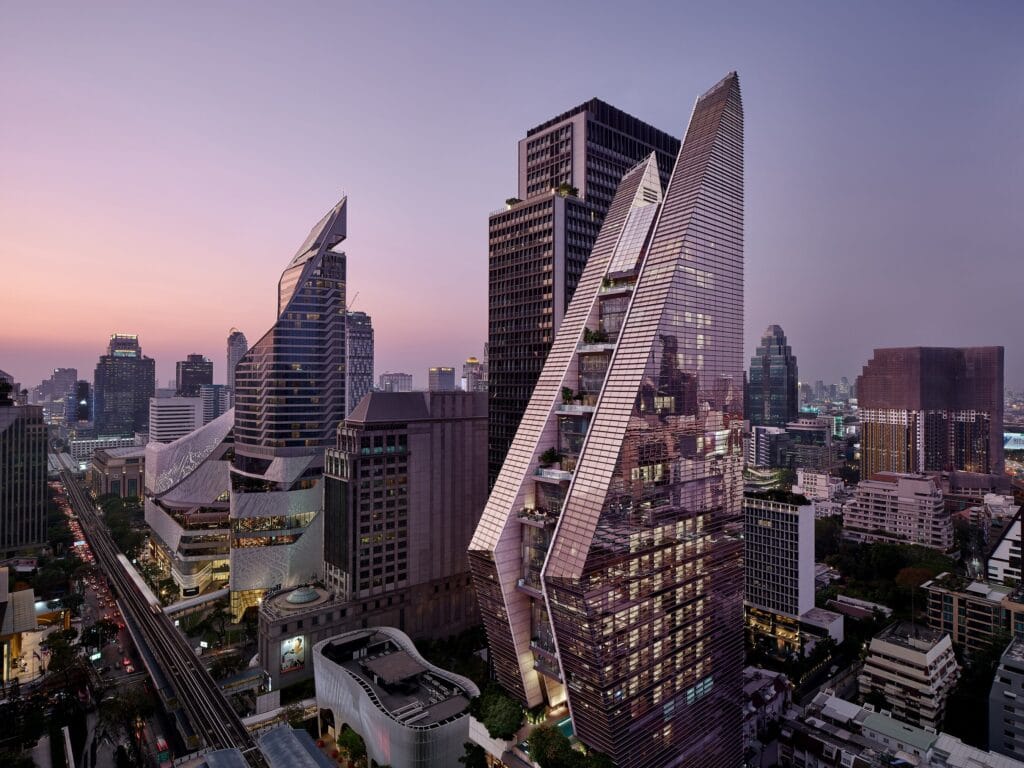 ThailandBangkokThailand’s river capital: the Grand Palace and Wat Pho on the east bank, Wat Arun opposite, a creative quarter along Charoen Krung and a restaurant scene that holds both of Thailand’s three-star kitchens.Explore Bangkok →