Xi’an
China · Greater China
China's old imperial capital: the Terracotta Army, a 14-kilometre Ming wall and the start of the Silk Road.
Why visit
Why visit Xi’an
No other Chinese city shows the early empire so directly. The Terracotta Army, found by farmers digging a well in 1974, is an army of thousands of life-size clay soldiers buried with the First Emperor around 210 BC, each face individually modelled. It is one of the great archaeological sights of the world and the reason most travellers come.
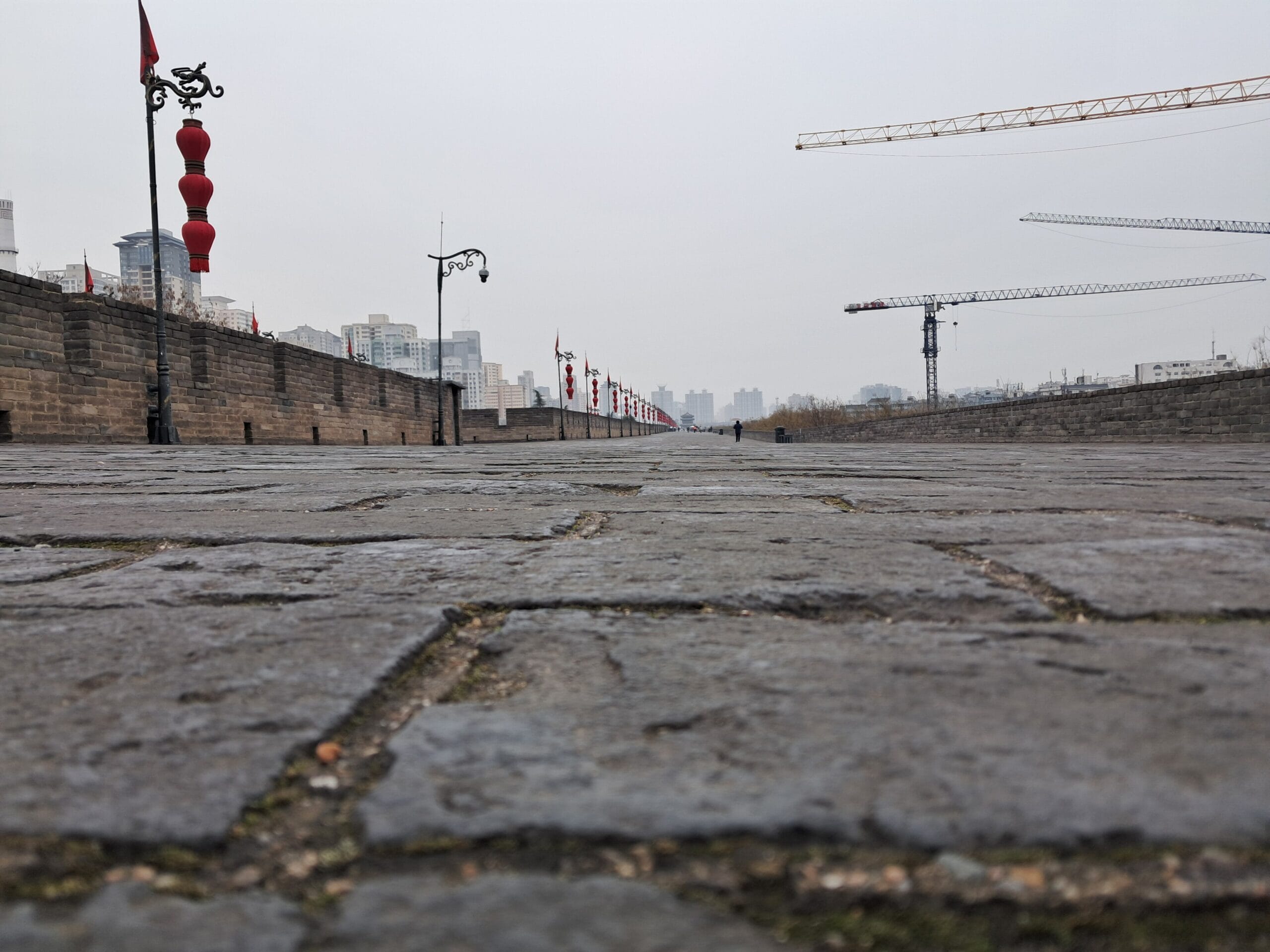
The city itself rewards a second day. Its Ming wall is complete and can be walked or cycled for its whole length, two brick pagodas survive from Tang Chang’an, and the lanes of the Muslim Quarter behind the Drum Tower recall the merchants who arrived along the Silk Road. Xi’an is an old capital that still eats, prays and trades in its old centre.
Explore
What to see
The Terracotta Army. Three roofed pits east of the city. Pit 1, the largest, is about 230 metres long and holds the infantry in eleven corridors; Pit 2 has the cavalry and archers, and Pit 3 is the small command post. The visit to the Terracotta Army is best made at opening time, before the tour buses arrive.
The city wall. Begun in 1370, 12 metres high and 12 to 14 metres wide at the top. Cycling the full circuit is the best way to understand the plan of the old city.
Giant Wild Goose Pagoda. A brick pagoda begun in 652, 64 metres high, south of the wall. The Small Wild Goose Pagoda, begun in 707, stands in a quieter garden.
The Muslim Quarter and Great Mosque. Food lanes behind the Drum Tower, and a mosque founded in the Tang period and laid out as a series of Chinese courtyards.
Shaanxi History Museum and the Stele Forest. The province’s main collection, and a library of inscribed stone tablets kept in a former Confucian temple.
Huaqing Hot Springs. A hot-spring site at the foot of Mount Li, on the road to the Terracotta Army.
Hotels
Where to stay in Xi’an
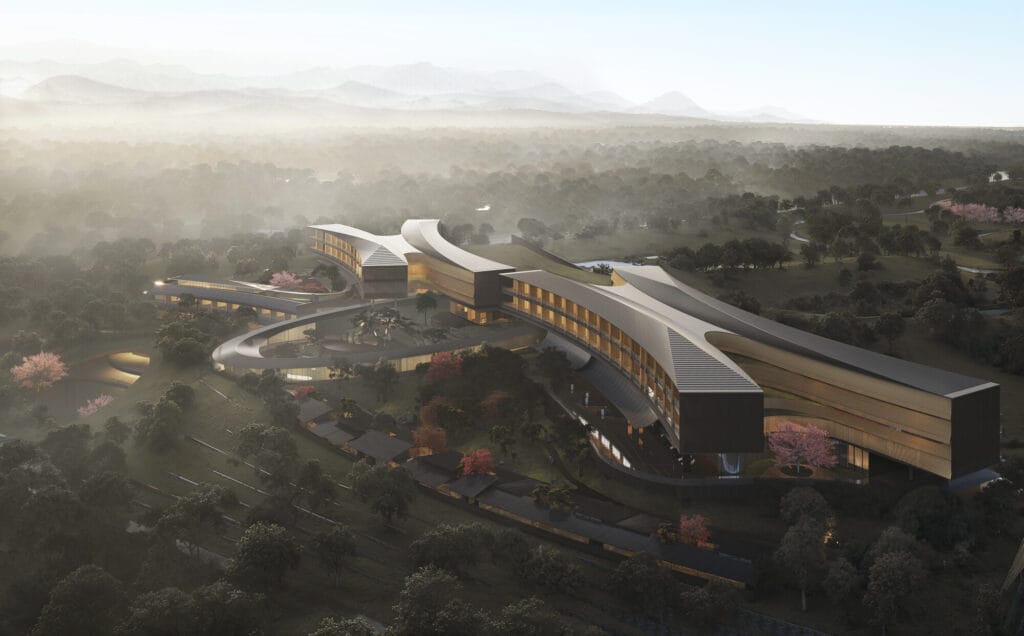
Inside the walls, the old centre puts the Bell Tower, the Muslim Quarter and the wall within walking distance, which suits first visits. Sofitel Legend People’s Grand Hotel, a state guesthouse of 1953 on Renmin Square, is the historic choice.
Dining
Where to eat in Xi’an
Xi’an’s cooking is based on wheat and lamb. The dishes to try are roujiamo, a flatbread filled with chopped stewed meat; yangrou paomo, a lamb soup into which diners crumble flatbread; wide hand-pulled biangbiang noodles; and liangpi, cold noodles dressed with vinegar and chilli oil. The lanes of the Muslim Quarter are the usual place to eat them, and a good way to spend an evening after the wall.
Experiences
Experiences in Xi’an
Before you go
Practical information
Best time to visit
Spring and autumn are the most comfortable seasons. Summers are hot and humid and winters cold and dry; most of the year’s rain falls between July and late October. January averages around freezing and July about 27°C. Chinese public holidays bring very large crowds to the Terracotta Army, and winter is the quietest season for the pits, though cold.
Getting around
Xi’an Xianyang International Airport lies north-west of the city, and high-speed trains link Xi’an with Beijing, Zhengzhou, Chengdu and other cities. The metro covers the centre and the main stations. The Terracotta Army is outside the city to the east, by metro and shuttle bus, taxi or a booked car, and needs half a day with transport.
Practical notes
Allow two full days: one for the Terracotta Army and Huaqing, one for the wall, the pagodas and the Muslim Quarter. The Terracotta Army uses a real-name system with daily limits: tickets must be reserved online in advance through the museum’s official channels, and a passport serves as the ticket for foreign visitors. Other major sights may also require reservation, so check each before travelling. Ignore the touts near the car park who say the pits are closed.
Continue exploring
More from China
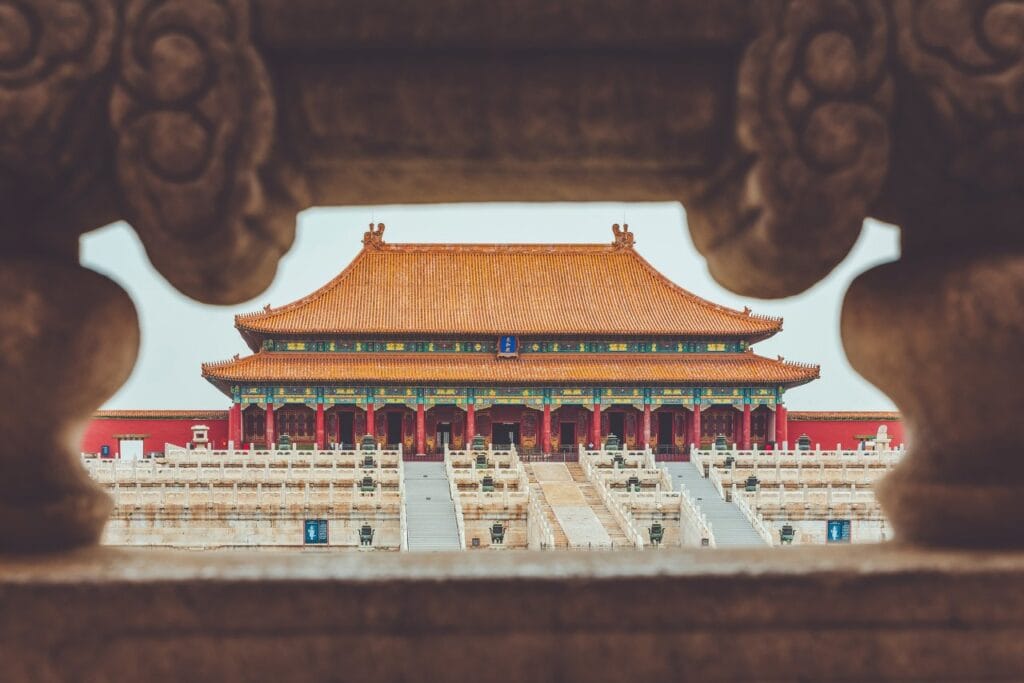 ChinaBeijingChina’s capital, laid out on a 7.8-kilometre Central Axis, with surviving hutong lanes, a contemporary-art district in a former East German-designed factory complex and a Michelin list led by Chaozhou and Taizhou kitchens.Explore Beijing →
 ChinaChengduThe capital of Sichuan: pandas, teahouses and the first three-star kitchen in the city’s Michelin Guide, with Leshan, Sanxingdui and Mount Qingcheng within a day’s reach.Explore Chengdu →
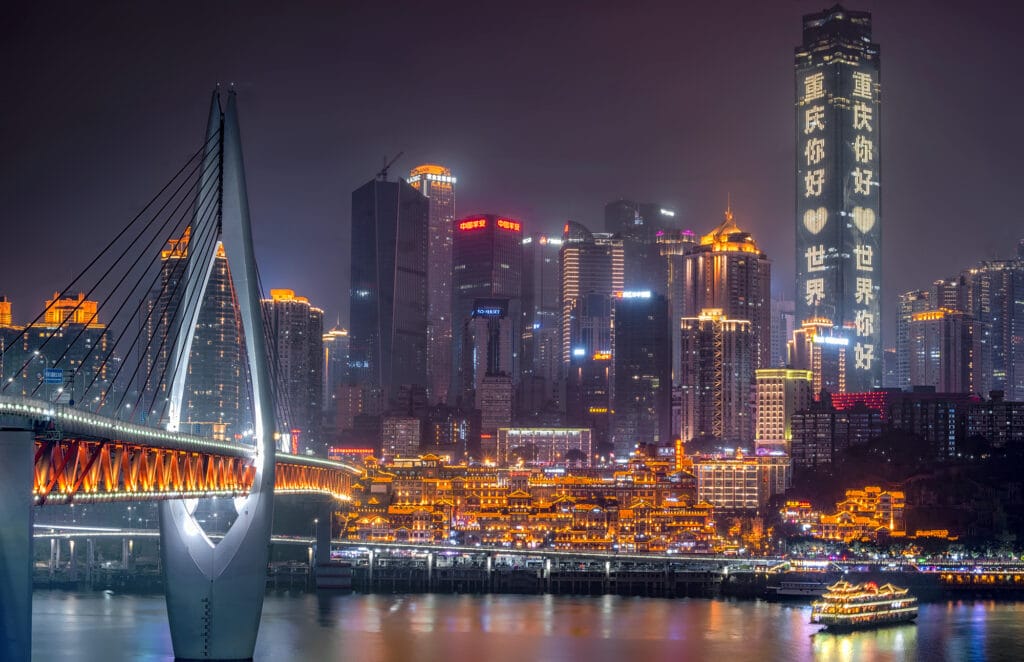 ChinaChongqingA municipality built on steep hills where the Jialing meets the Yangtze, known for hot pot, riverfront towers and the Dazu rock carvings.Explore Chongqing →