Luxury Shopping in Tokyo: A Guide to Ginza’s Flagships and Where to Stay Nearby
Ginza as a district of architecture: flagships by Renzo Piano, Jun Aoki and Toyo Ito, department-store food halls, and the quiet hours to shop.
Photo: UggBoy♥UggGirl / Wikimedia Commons CC BY 2.0
Ginza is where Tokyo’s luxury houses build their most ambitious stores, and the buildings are worth seeing even if you buy nothing.
The buildings
Many of Ginza’s best-known facades play with light. Maison Hermès, by Renzo Piano, uses square glass blocks that let in daylight and make the building resemble a large Japanese paper screen at night. Louis Vuitton Matsuya Ginza, by Jun Aoki, takes its facade from the house pattern; Aoki also designed the sail-like Maison Osaka Midosuji, presented in 2020. Tokyu Plaza Ginza, by Nikken Sekkei, fills a city block with glass that evokes Edo kiriko cut glass, and its rooftop terrace has views over the district. The Mikimoto main store, by Hiroshi Naito, uses about 40,000 pieces of glass, while Toyo Ito’s Mikimoto Ginza 2 has windows of varied shapes inspired by the foam of pearl shells.
Ginza Six, by Yoshio Taniguchi and opened in 2017, is the largest retail space in the district, with a free roof garden and the Kanze Noh Theater in the basement. The Kabukiza, rebuilt in 2013 by Kengo Kuma, is worth seeing from outside even without a ticket; single-act tickets allow you to watch one act of a kabuki programme.
Cartier’s flagship of about 1,000 square metres reopened in 2016 after two years of renovation, with a rebuilt façade and interiors by Bruno Moinard.
How to shop it
Chuo-dori becomes a pedestrian zone on weekends and national holidays, from noon until 5 or 6 pm, with benches and parasols on the road. Weekday mornings are the quietest time for shops and galleries. Ginza Mitsukoshi’s basement food hall is a good place for edible souvenirs, and Matsuya is a quieter department store known for craft exhibitions. Most large stores offer tax-free shopping above a minimum purchase, so bring your passport.
Some of the fashion houses also feed their customers. BEIGE Alain Ducasse, on the tenth floor at 3-5-3 Ginza, serves in a room of beige tones inspired by Coco Chanel, and Gucci Osteria da Massimo Bottura is on the fourth floor at 6-6-12 Ginza; both hold one Michelin star. For a quicker meal between shops, Ginza Ten-ichi has served tempura on Namiki-dori since 1930, Ginza HARU CHAN Ramen specialises in shio ramen, and GINZA KATSUKAMI II turns tonkatsu into a set menu.
Ginza is also one of the city’s densest districts for starred dining. L’Osier, with three stars, is named after the willows that once symbolised Ginza, and Harutaka, also with three, is Harutaka Takahashi’s sushi counter in Ginza 8-chome. Two-star rooms include Sushi Kanesaka, Ginza Kojyu, where Toru Okuda cooks at a counter made from a 700-year-old cypress, Tempura Kondo, Lionel Beccat’s ESqUISSE and Ginza Shinohara, while FARO, Zurriola, Dominique Bouchet Tokyo and Trois Visages hold one star each.
Where to stay nearby
Marunouchi is a short walk from Ginza. The Peninsula Tokyo overlooks the Imperial Palace, and Four Seasons Hotel Tokyo at Marunouchi is an intimate hotel near Tokyo Station. Closer in, IHG has signed a Noted Collection hotel in Ginza, a new building planned for 2029.
The district is described in the Marunouchi and Otemachi guide. For the wider design picture, see a design-led guide to Tokyo, and for restaurants in the districts beyond Ginza, where to eat in Tokyo by neighbourhood.
Sources: Go Tokyo: Ginza architecture walk; Have a Good Holiday: Things to do in Ginza. Check the official websites for current information.
Stay
Hotels in this guide
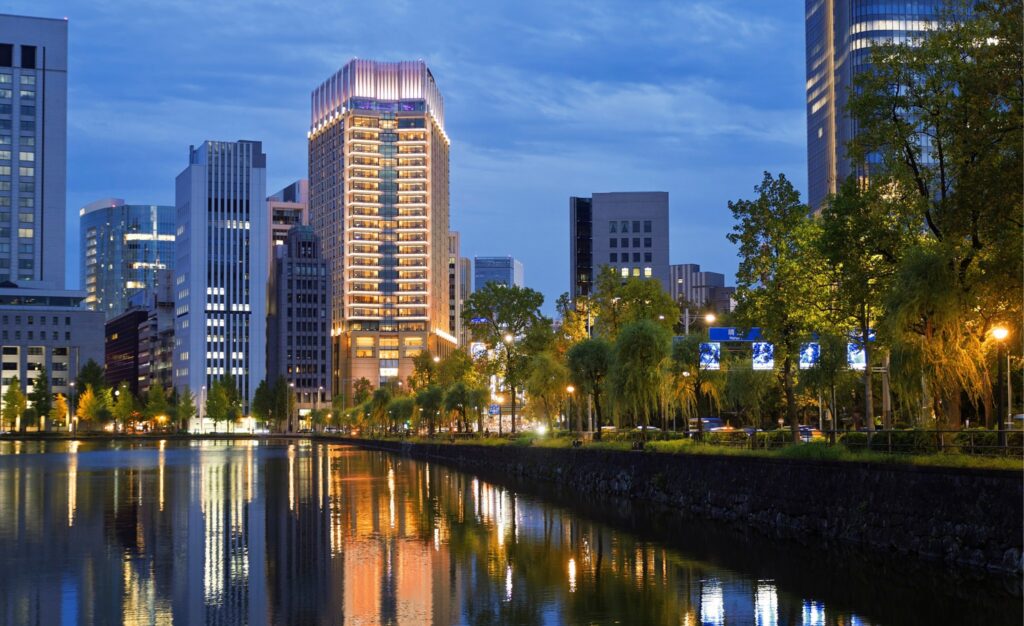 Tokyo · The PeninsulaThe Peninsula TokyoOn the corner where the film studio Nikkatsu opened a luxury hotel in 1952.
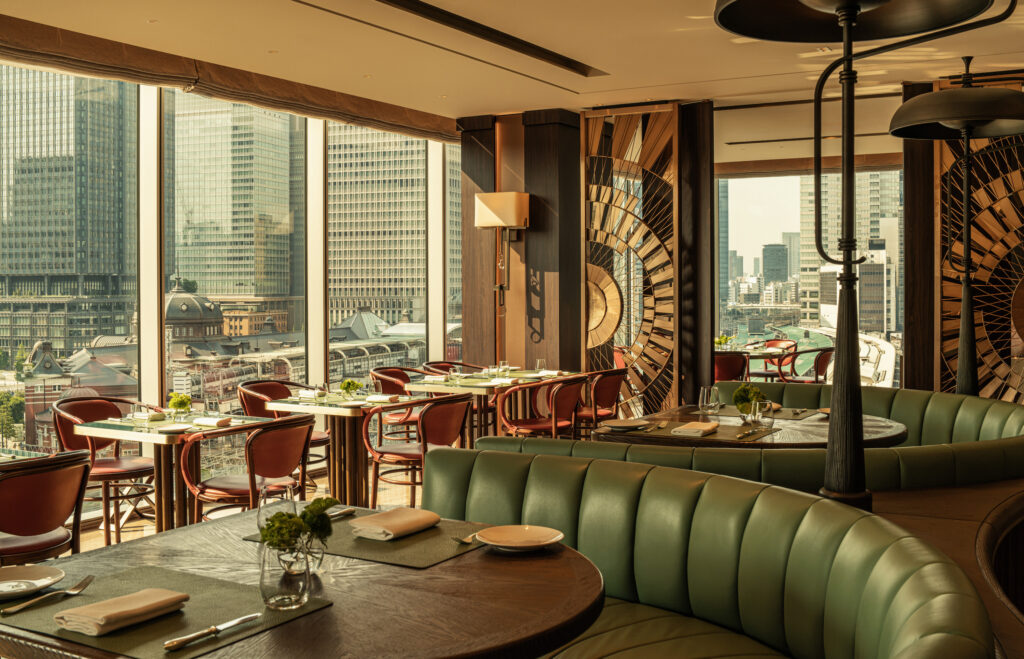 Tokyo · Four SeasonsFour Seasons Hotel Tokyo at MarunouchiFour Seasons Hotel Tokyo at Marunouchi, a hotel of 57 rooms in a tower joined to Tokyo Station.
 TokyoPalace Hotel TokyoOn the moat facing the Imperial Palace gardens, the hotel a group of Japanese companies opened in 1961.
Continue
More guides to Tokyo
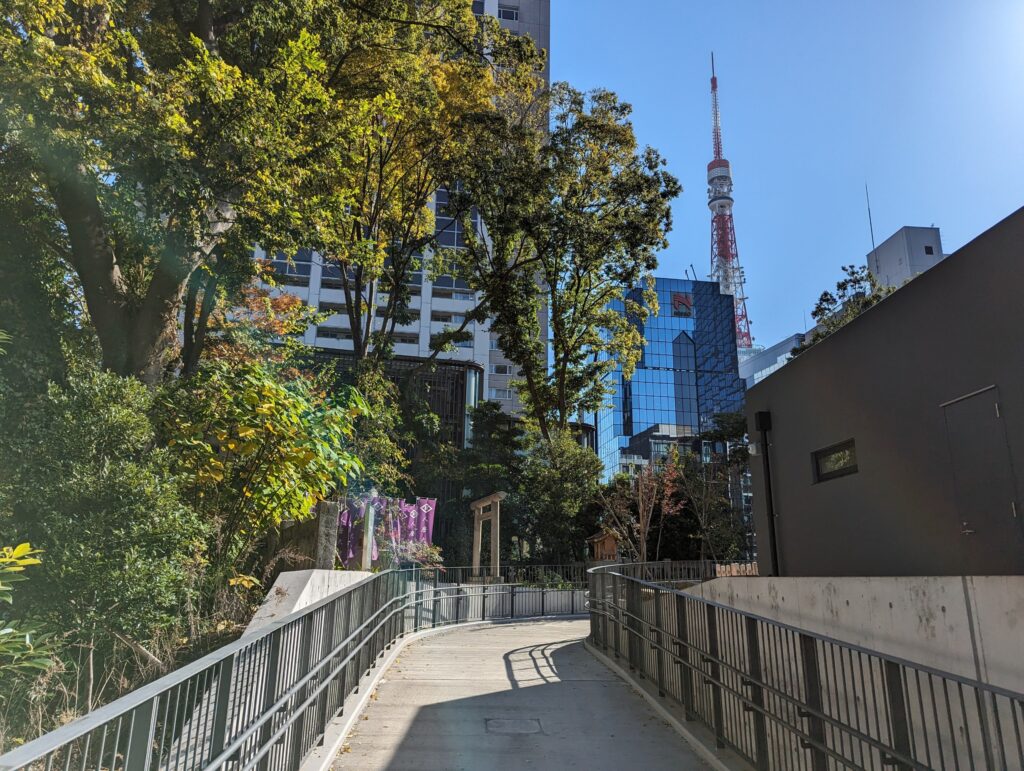 Tokyo · Culture & ArtContemporary Art and Culture in Tokyo: teamLab, Kusama, Azabudai Hills and ShibuyaTokyo's contemporary art by district: Roppongi and Azabudai Hills, the Kusama museum.
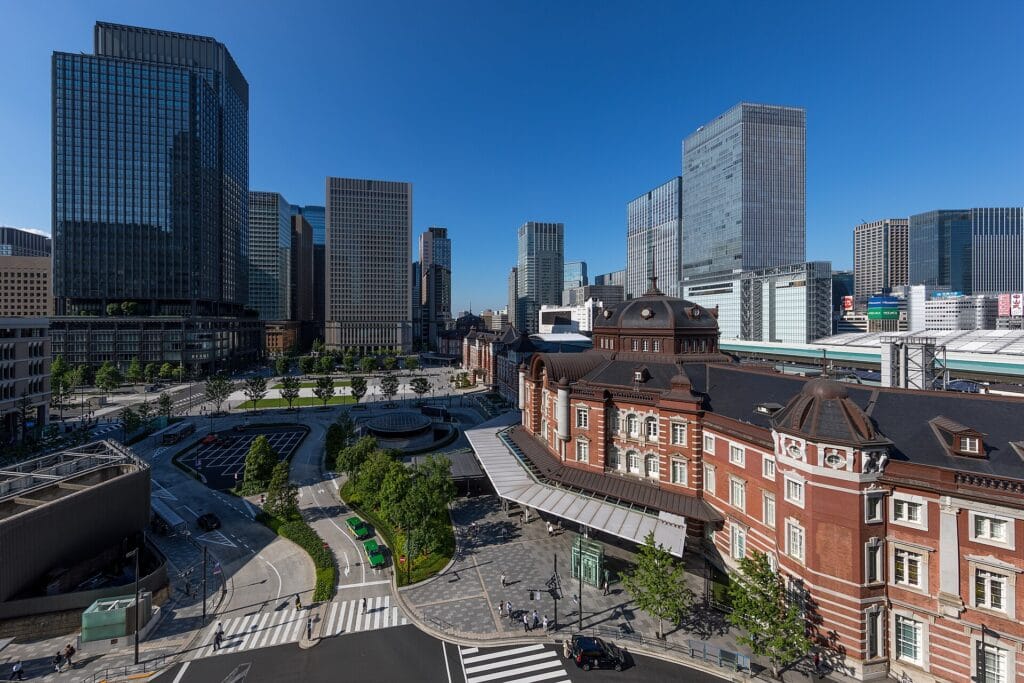 Tokyo · NeighbourhoodTokyo’s Marunouchi and Otemachi: A Neighbourhood Guide to the Hotels by the Imperial PalaceMarunouchi and Otemachi, Tokyo's quiet business district beside the Imperial Palace: a neighbourhood of brick.
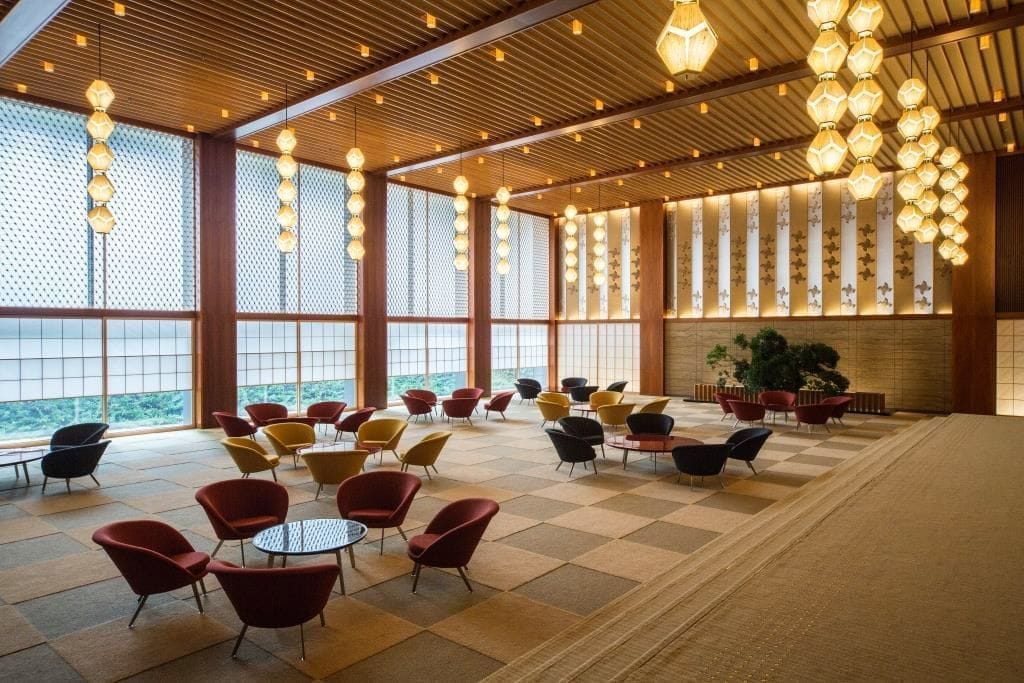 Tokyo · Design & ArchitectureWhere to Stay in Tokyo for Design: A Guide to the City’s Most Considered HotelsTokyo hotels chosen for their architecture and interiors.
Experiences
Experiences in Tokyo
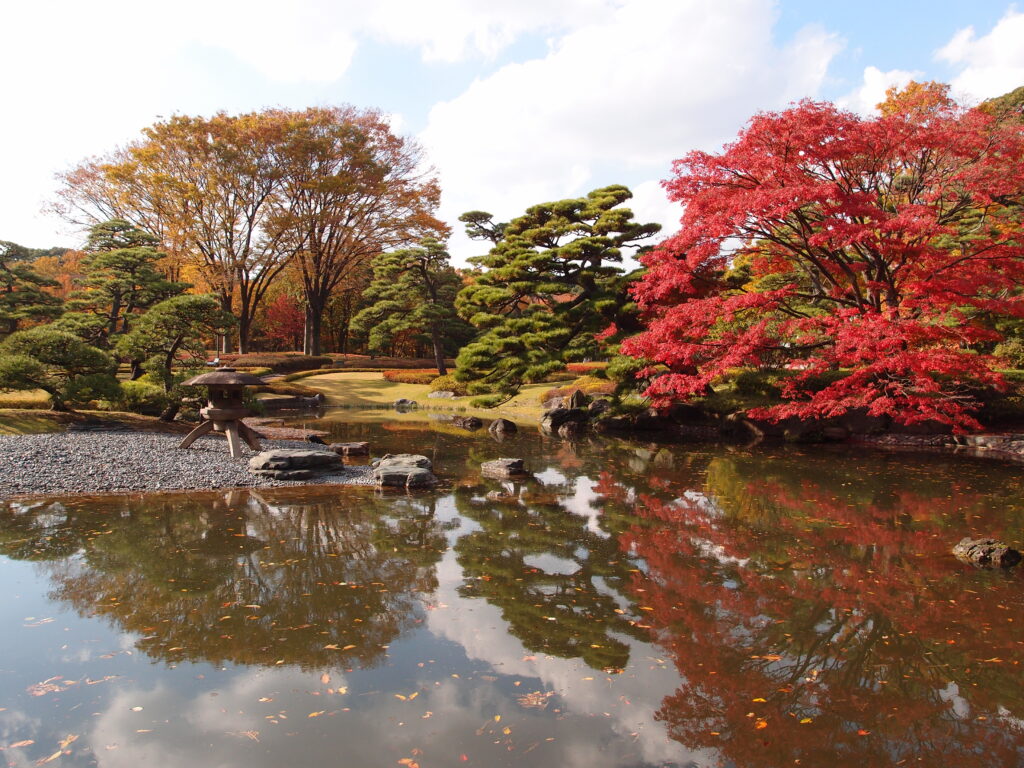 Cultural ImmersionTokyoWalk the East Gardens of the Imperial Palace, on the ruins of Edo CastleWalls, moats and the keep base of the shoguns' castle, now a free garden by Tokyo Station.
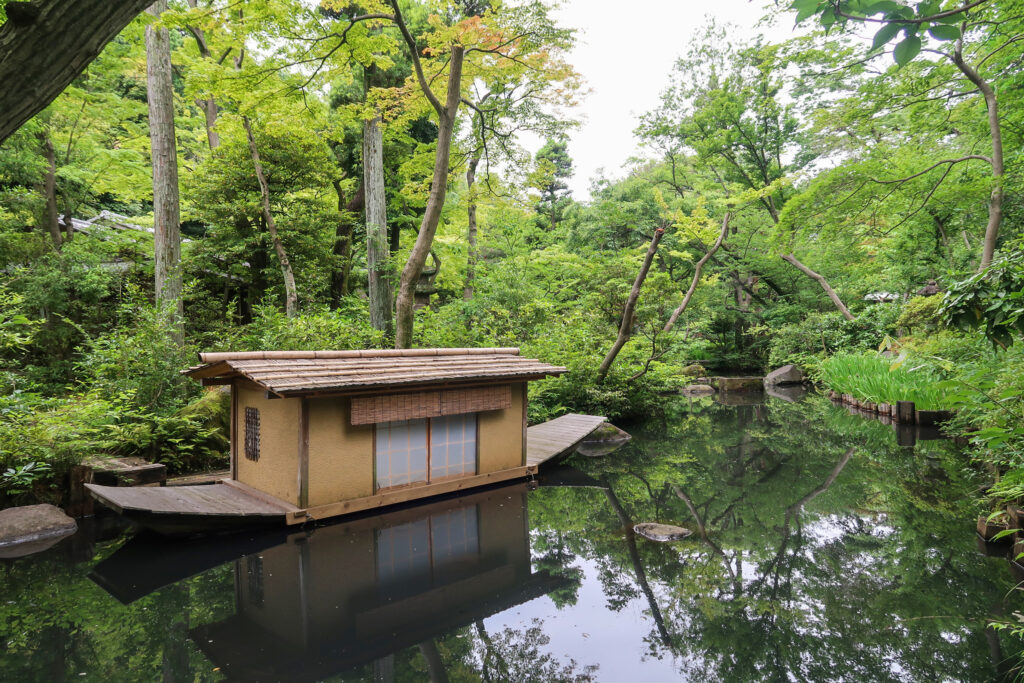 Cultural ImmersionTokyoWalk Omotesando’s architecture to the garden of the Nezu MuseumAndo, Ito, SANAA and Herzog & de Meuron on Omotesando, then Kengo Kuma's Nezu Museum and garden.
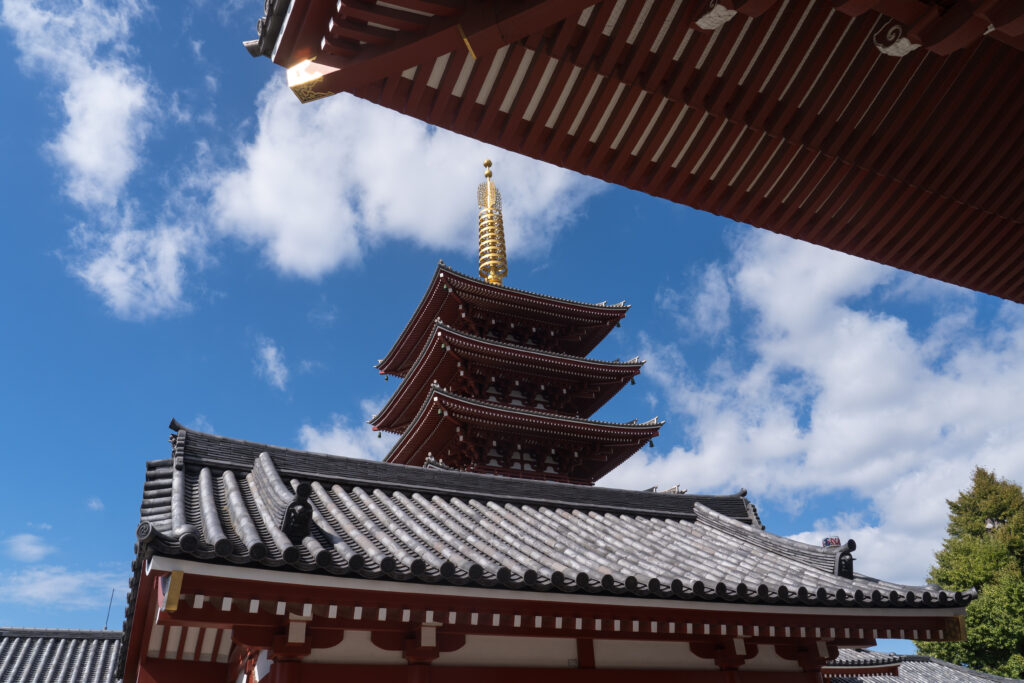 Cultural ImmersionTokyoSee Senso-ji and old Asakusa early in the morningTokyo's oldest temple at dawn, before the crowds, and the old streets of the low city.
Journal
From the Journal
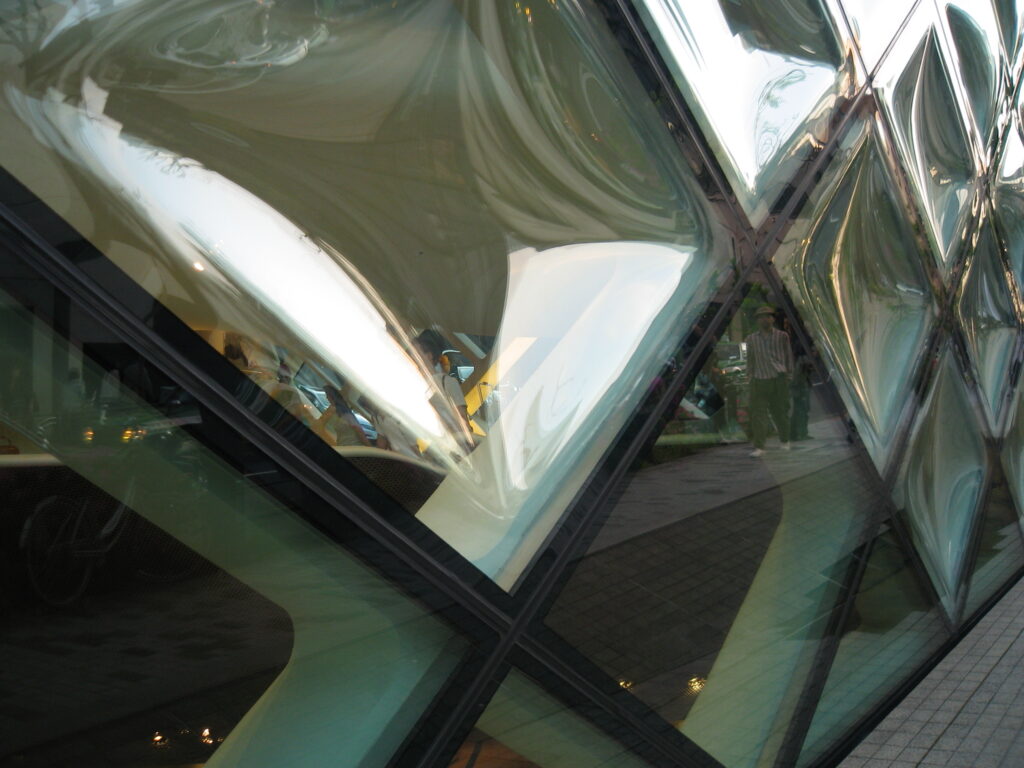 Feature · StyleTokyo’s Flagship Architecture: Ginza and Aoyama ComparedCartier's granite and cedar screens, Hermès's glass blocks, Chanel's lit tower.October 8, 2026
 Feature · Design & ArchitectureYoshio Taniguchi, the Quiet Architect of the Okura and Ginza SixYoshio Taniguchi, born in Tokyo in 1937 and dead in December 2024, rebuilt the Okura Tokyo.October 8, 2026
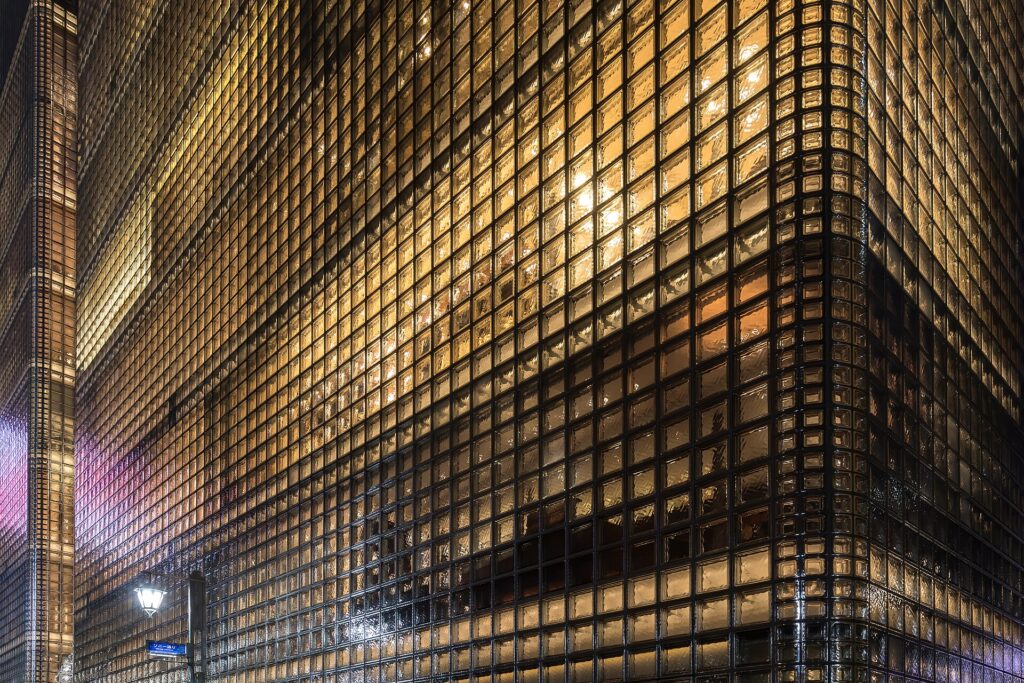 Feature · Design & ArchitectureMaison Hermès Ginza: Renzo Piano’s Lantern of Glass BlocksOn a narrow lot on Harumi-dori, Renzo Piano wrapped Hermès's Tokyo home in about 13,000 glass blocks.October 8, 2026