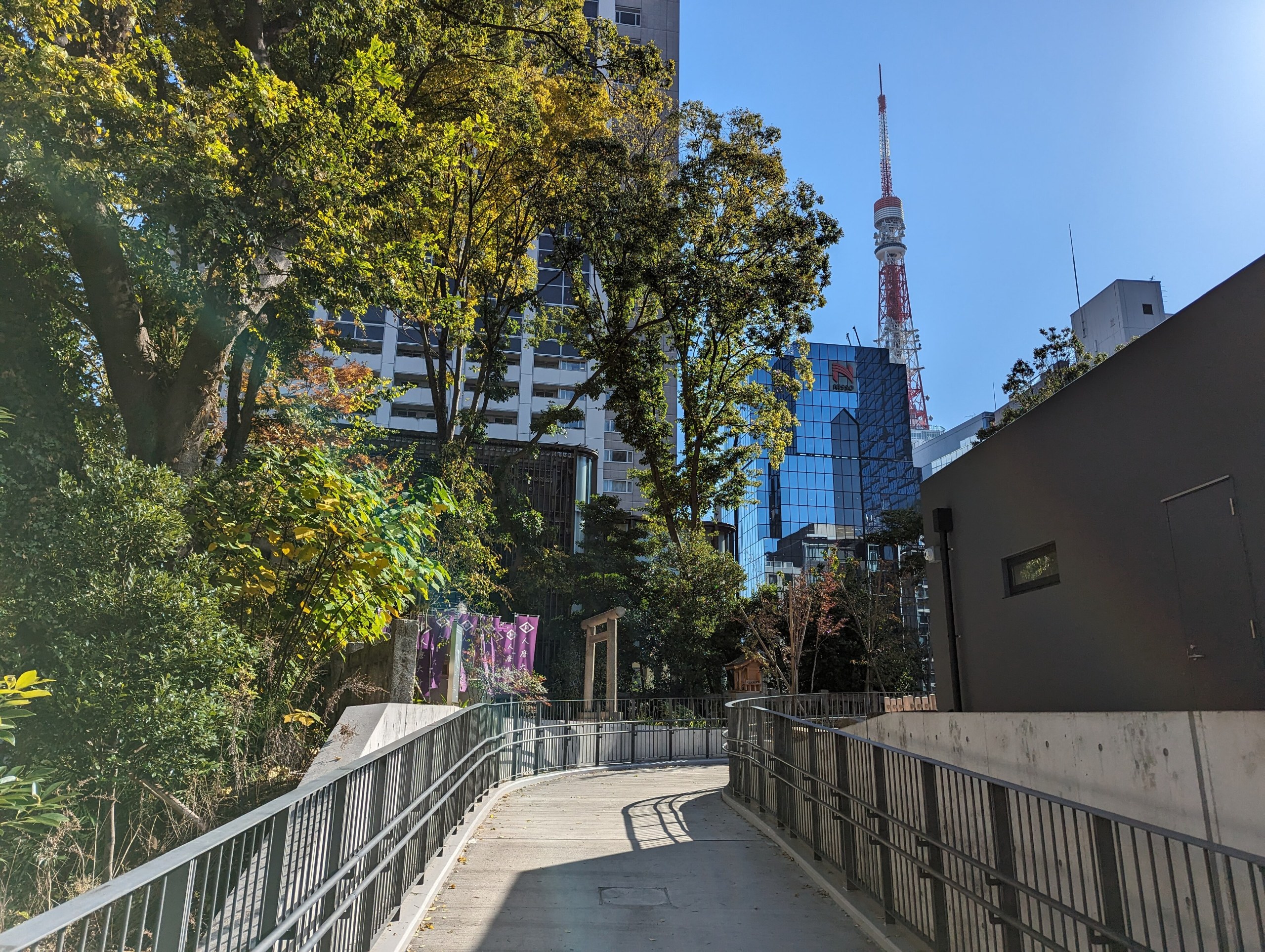
Contemporary Art and Culture in Tokyo: teamLab, Kusama, Azabudai Hills and Shibuya
Tokyo's contemporary art by district: Roppongi and Azabudai Hills, the Kusama museum, and the design landmarks of Shibuya and Yoyogi.
Photo: Syced / Wikimedia Commons
Tokyo does not have an art quarter so much as several overlapping ones, each with its own character: museums run by property developers, small single-artist spaces, and public architecture that doubles as a gallery. The best way to see it is by district, with a day for each rather than a list of venues.
Roppongi and Azabudai Hills
Roppongi is the established centre of contemporary art, with the Mori Art Museum on the upper floors of Roppongi Hills, the National Art Center and the museums of the so-called Art Triangle within walking distance of each other. A few minutes away, Azabudai Hills, a Mori Building development opened in 2023 with a tower of about 330 metres designed with Pelli Clarke & Partners and Thomas Heatherwick, brought teamLab Borderless to a new home. The immersive digital museum has no fixed route, with works that move between rooms and visitors.
It is also the best district for staying: Janu Tokyo is in the same development, which makes a morning at the museum and an evening in the area easy.
For dinner in Roppongi, L’Atelier de Joël Robuchon is on the second floor of Roppongi Hills Hillside, and Édition Koji Shimomura is on the ground floor of Roppongi T-Cube; both hold one Michelin star.
A museum for one artist
The Yayoi Kusama Museum, in Shinjuku, opened in 2017. It is small, with about 200 visitors a day, and tickets are booked in advance for a 90-minute slot. Exhibits rotate about twice a year, so check the programme before reserving. It rewards those who want a close look at one artist’s work, in contrast to the scale of the developer museums.
Shibuya and Yoyogi: design as public art
Shibuya is the city’s showcase for design in public space. The Tokyo Toilet project, commissioned by the Nippon Foundation, asked 16 architects and designers, among them Tadao Ando, Shigeru Ban, Kengo Kuma, Fumihiko Maki and Toyo Ito, to rethink public toilets in 17 locations, with the aim of making them clean, safe and accessible to everyone. A walk through the neighbourhood’s small parks to find them is a surprising way to see the area. Shibuya Sky, the open-air deck on top of Shibuya Scramble Square, shows the city from 230 metres, and Kengo Kuma’s timber-clad National Stadium belongs to the same architectural story.
For a quieter base, Trunk(Hotel) Yoyogi Park sits at the edge of the park, away from the crowds.
Toranomon: art in the towers
A short ride from Roppongi, Toranomon Hills holds TOKYO NODE, a gallery and event space on the 45th floor of its station tower, which opened with an exhibition of immersive work in 2023. The district is a good example of how Tokyo‘s developers now treat culture as part of the city: art on the upper floors, hotels below. The Tokyo EDITION, Toranomon is the hotel to know here.
Nearby, on the second floor of Forest Tower in Atago, Daigo serves shojin ryori, Buddhist temple cuisine, and holds one Michelin star.
Combining the districts
A balanced three-day plan gives one day each to Roppongi and Azabudai, to Shibuya and Yoyogi, and to the single-artist and smaller museums in the north and east of the city. Seasonal festivals, such as Roppongi Art Night and the spring art fair, add to the programme when the dates align. For a wider view of the city’s architecture and interiors, see the design-led guide to Tokyo.
Sources: Tokyo Tokyo: Digital art and new openings in Tokyo; The Best Japan: Yayoi Kusama Museum; STIRworld: The Tokyo Toilet. Check the official websites for current information.
Stay
Hotels in this guide
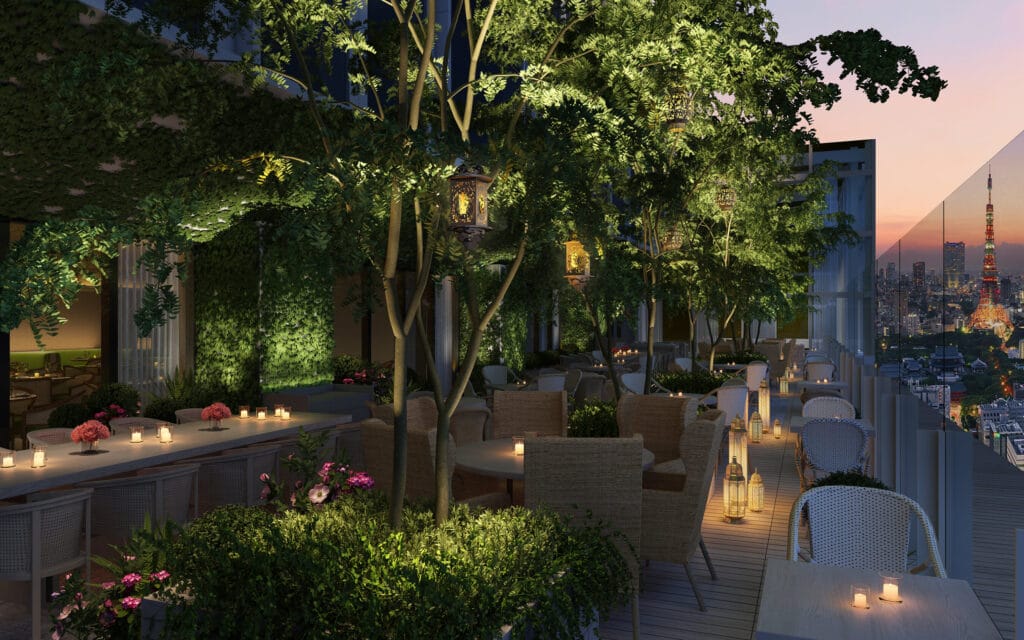 Tokyo · EDITIONThe Tokyo EDITION, ToranomonThe Tokyo EDITION, Toranomon begins on the 31st floor of a Mori Trust office tower.
Continue
More guides to Tokyo
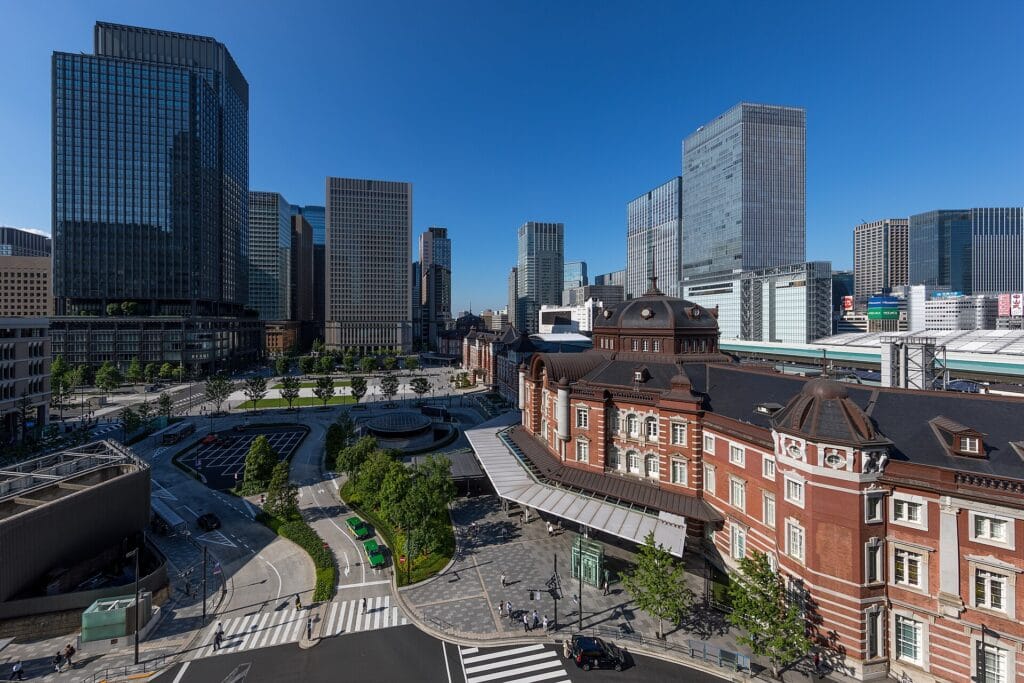 Tokyo · NeighbourhoodTokyo’s Marunouchi and Otemachi: A Neighbourhood Guide to the Hotels by the Imperial PalaceMarunouchi and Otemachi, Tokyo's quiet business district beside the Imperial Palace: a neighbourhood of brick.
 Tokyo · Craft & ShoppingLuxury Shopping in Tokyo: A Guide to Ginza’s Flagships and Where to Stay NearbyGinza as a district of architecture: flagships by Renzo Piano, Jun Aoki and Toyo Ito.
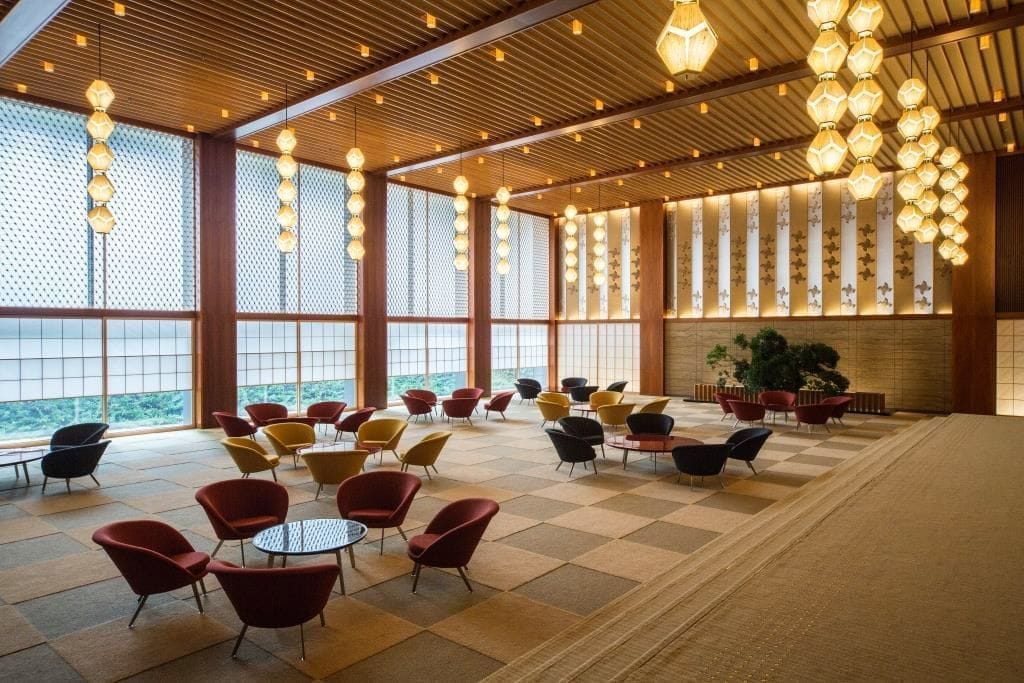 Tokyo · Design & ArchitectureWhere to Stay in Tokyo for Design: A Guide to the City’s Most Considered HotelsTokyo hotels chosen for their architecture and interiors.
Experiences
Experiences in Tokyo
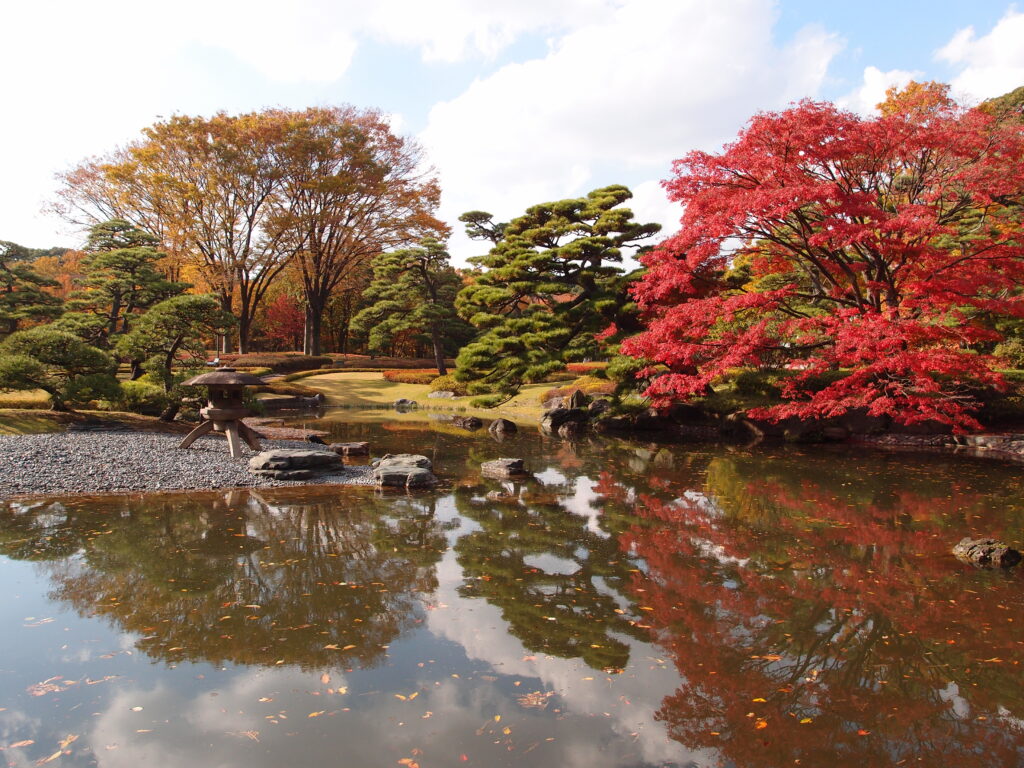 Cultural ImmersionTokyoWalk the East Gardens of the Imperial Palace, on the ruins of Edo CastleWalls, moats and the keep base of the shoguns' castle, now a free garden by Tokyo Station.
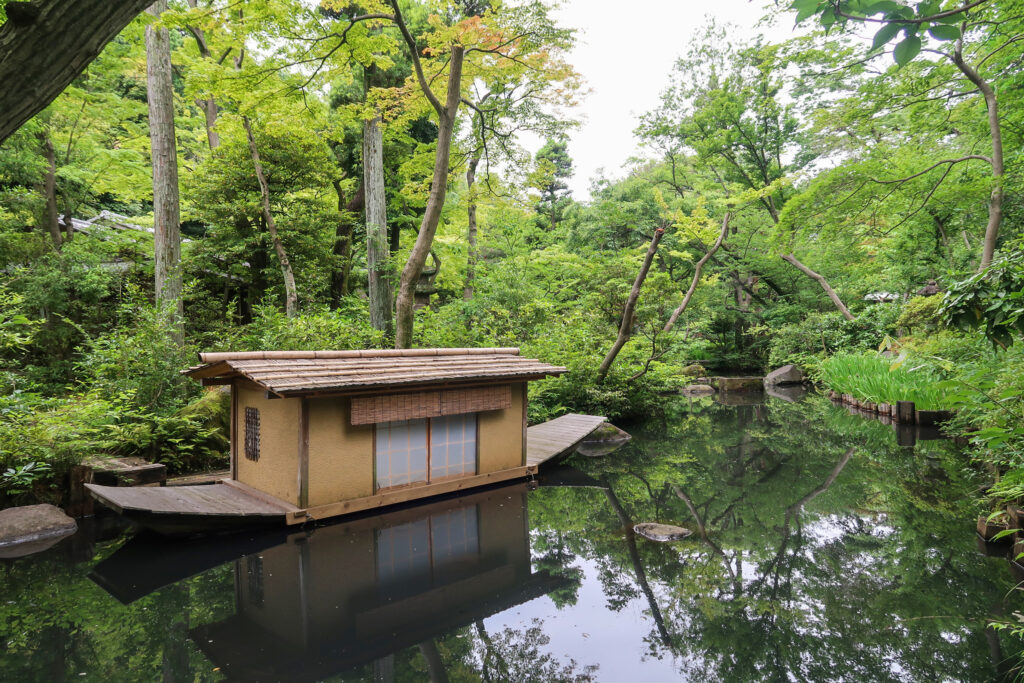 Cultural ImmersionTokyoWalk Omotesando’s architecture to the garden of the Nezu MuseumAndo, Ito, SANAA and Herzog & de Meuron on Omotesando, then Kengo Kuma's Nezu Museum and garden.
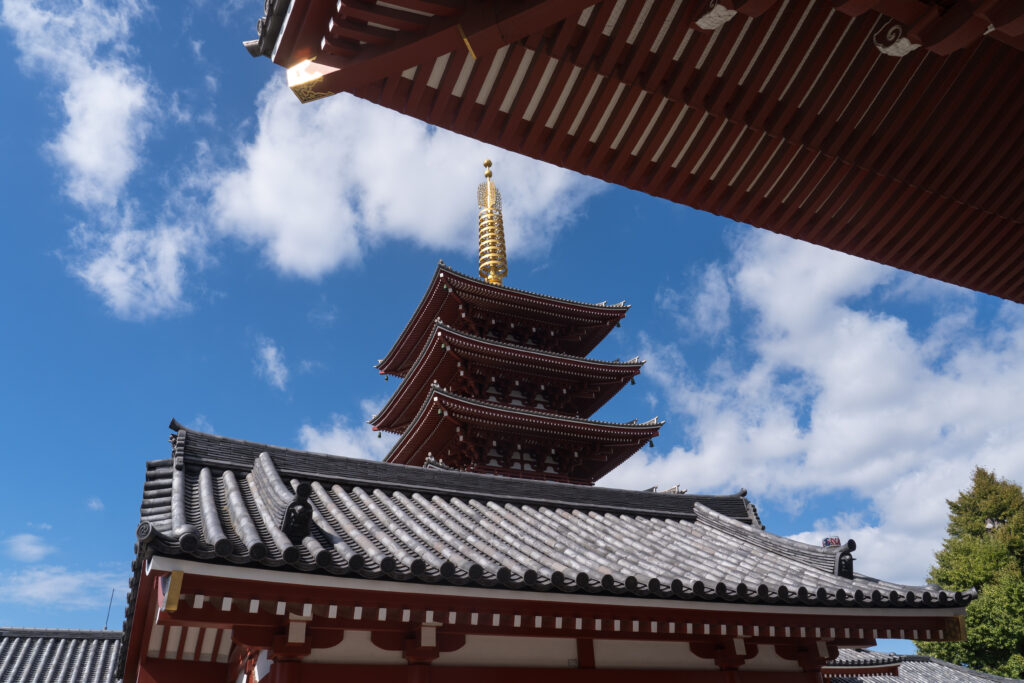 Cultural ImmersionTokyoSee Senso-ji and old Asakusa early in the morningTokyo's oldest temple at dawn, before the crowds, and the old streets of the low city.
Journal
From the Journal
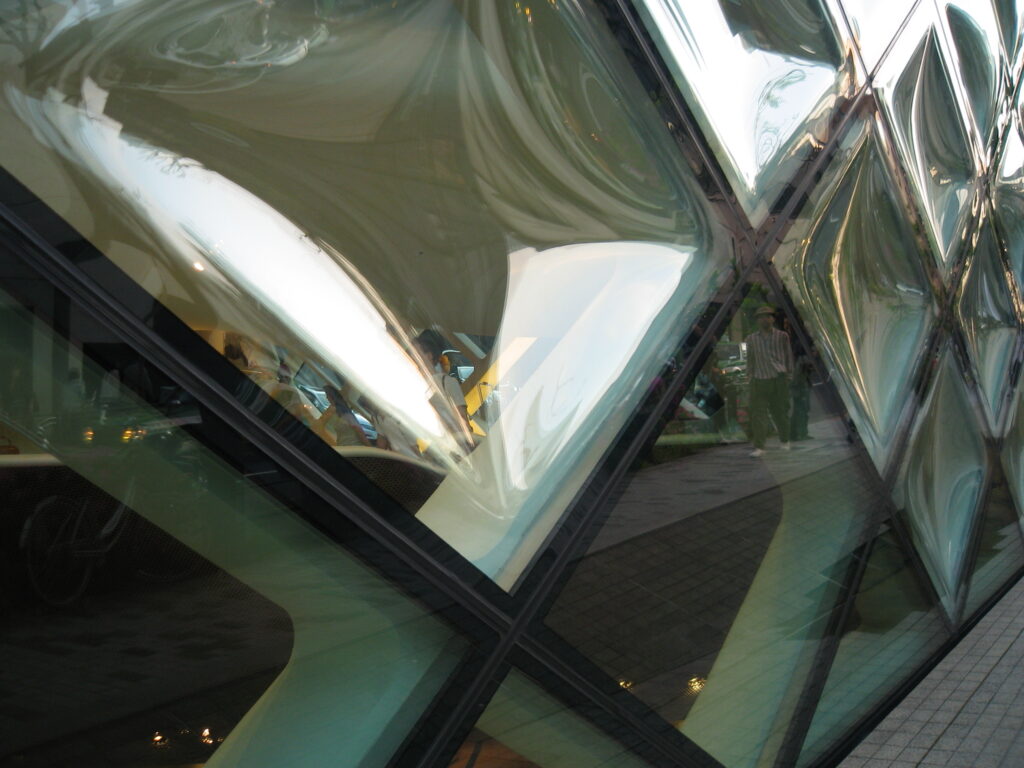 Feature · StyleTokyo’s Flagship Architecture: Ginza and Aoyama ComparedCartier's granite and cedar screens, Hermès's glass blocks, Chanel's lit tower.October 8, 2026
 Feature · Design & ArchitectureYoshio Taniguchi, the Quiet Architect of the Okura and Ginza SixYoshio Taniguchi, born in Tokyo in 1937 and dead in December 2024, rebuilt the Okura Tokyo.October 8, 2026
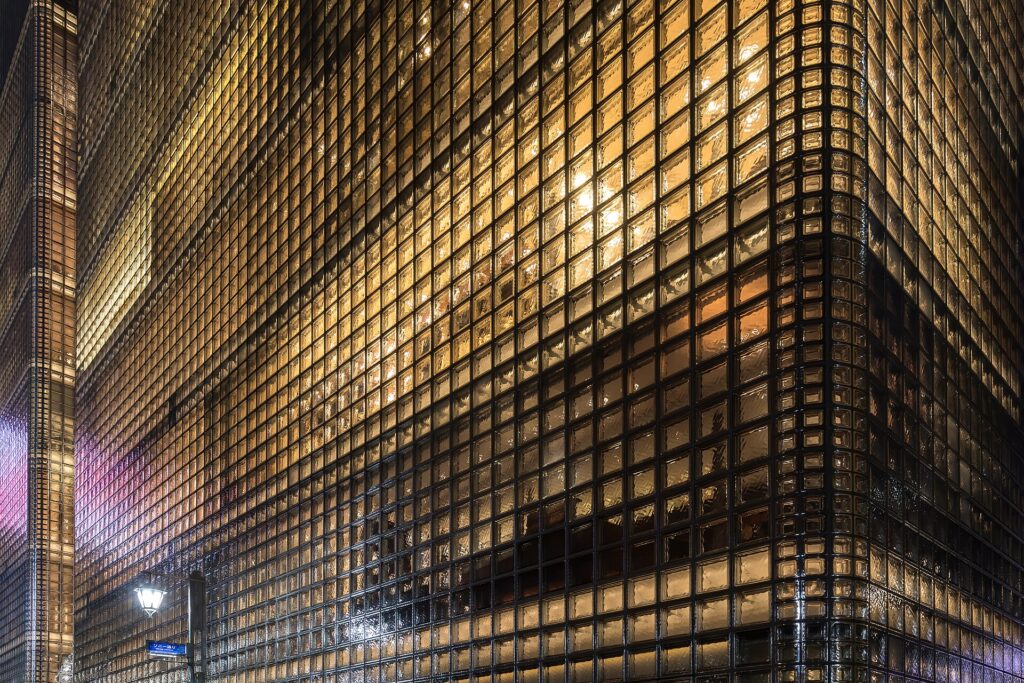 Feature · Design & ArchitectureMaison Hermès Ginza: Renzo Piano’s Lantern of Glass BlocksOn a narrow lot on Harumi-dori, Renzo Piano wrapped Hermès's Tokyo home in about 13,000 glass blocks.October 8, 2026