Maldives
Maldives · South Asia
Indian Ocean atolls where each resort has an island to itself, from the Malé atolls to the quieter north and south.
Why visit
Why visit Maldives
The appeal is the one-island-one-resort model, which the Maldives has taken further than anywhere. The island is the hotel: a house reef within a few steps of the villa, no town to leave for. At the most intimate end, Soneva Secret has 14 villas, each with a butler and a private chef.
The other reason is range. A short speedboat from the airport leads to a large resort with many places to eat, while a seaplane flight away is an island built around a single idea, such as the wellbeing programme at Joali Being. The same country can offer a lively family resort and a hideaway for two, and the real decision is which of the two you want.
Explore
What to see
Most of what there is to see is underwater, and it varies by atoll. Baa is a UNESCO Biosphere Reserve with manta ray gatherings in the summer months. North and South Ari are known for manta rays and whale sharks, Raa for snorkelling and diving, Lhaviyani for large beaches and exceptional diving, and Vaavu for strong dive sites and nurse sharks. Noonu, further north, is known for spinner dolphins.
Surf breaks in North Malé and at Niyama in Dhaalu are best from May to October. Above water, art has arrived: the Fari Islands in North Malé hold Amarta, a Skyspace by James Turrell.
Hotels
Where to stay in Maldives
Choose by atoll and by what you want the island to do. South Malé Atoll, close to the airport, suits shorter stays and food-led resorts: Waldorf Astoria Maldives Ithaafushi spreads across three linked islands with around 120 villas, each with a private pool, and is reached by yacht from the airport.
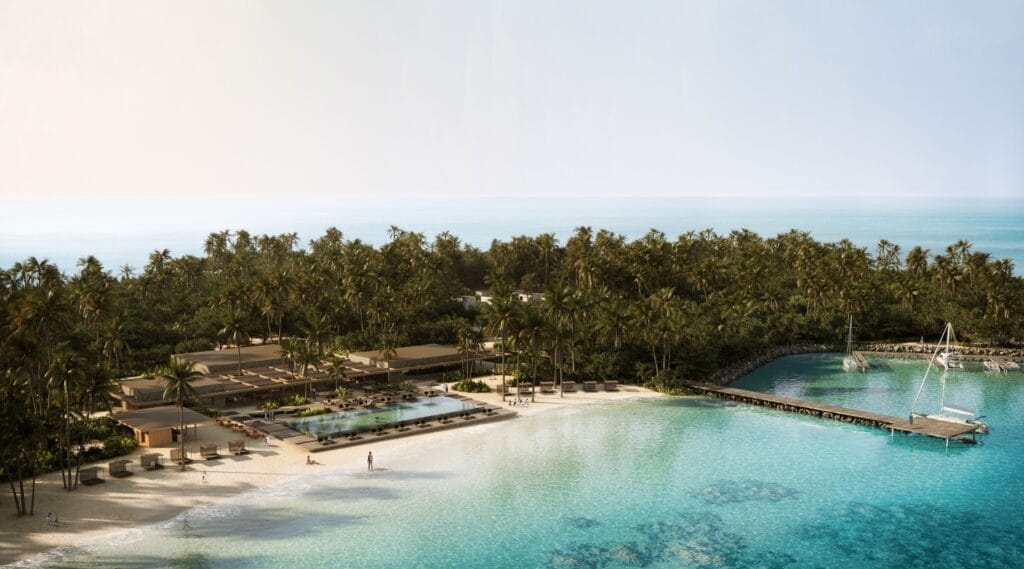 Fari Islands, North Malé AtollPatina Maldives, Fari IslandsLow, modernist villas by Studio MK27 in North Malé Atoll, with a James Turrell Skyspace and a shared marina village.Explore →
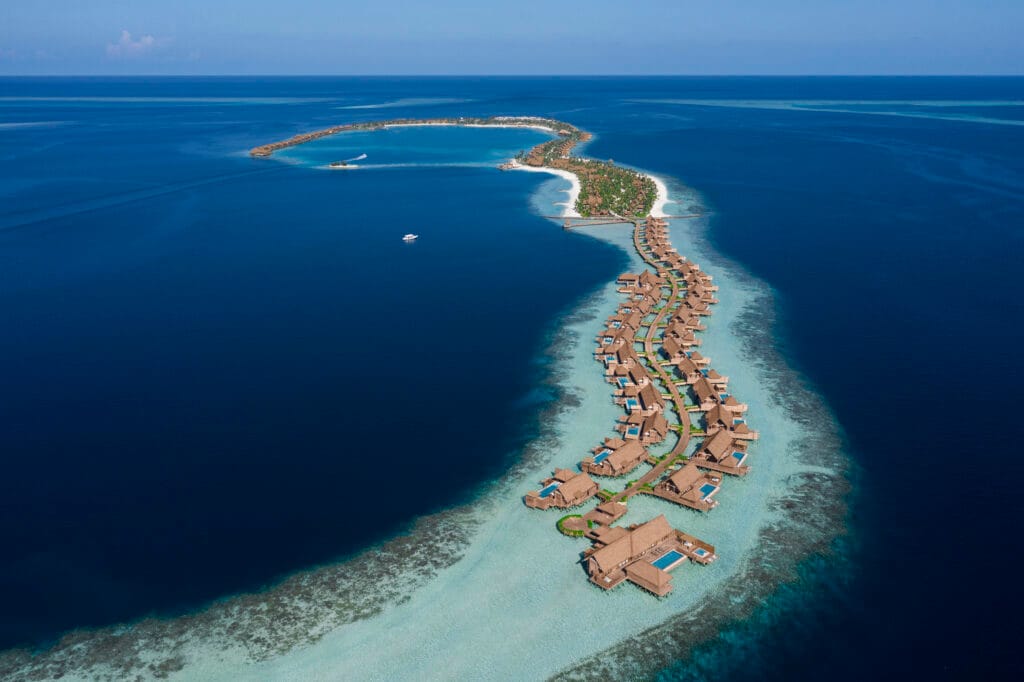 Ithaafushi, South Malé AtollWaldorf Astoria Maldives IthaafushiA large all-villa resort close to Malé, notable for 11 restaurants and bars including one by Dave Pynt of Burnt Ends.Explore →
Dining
Where to eat in Maldives
Dining is usually part of the stay, so the resort’s restaurants matter more than anything on the island next door. Larger resorts treat it as a feature: at Ithaafushi, Terra serves seven-course seasonal tasting menus in bamboo dining pods in the treetops, and the island also has an overwater Chinese restaurant, a contemporary Japanese izakaya and a barbecue restaurant from the chef behind Burnt Ends in Singapore.
The Journal
Latest on Maldives
Before you go
Practical information
Best time to visit
January to March is the dry north-east monsoon, with 10 to 11 hours of sunshine a day. Mid-May to November is the wetter south-west monsoon; December and April are transitional. Temperatures stay between about 25 and 32°C all year, and March and April are the warmest months.
Read more
The wet season has its own reward: visibility drops as plankton blooms, which draws manta rays and whale sharks. Southern atolls are wetter than northern ones.
Getting around
Speedboat is the usual transfer for North and South Malé atolls, with journeys of about 15 to 45 minutes to the North Malé resorts. Hotels farther afield and not too far south are usually reached by seaplane, which flies only in daylight. Southern atolls such as Gaafu Alifu usually need a domestic flight followed by a speedboat. Transfers between atolls normally pass through Velana International Airport in Malé.
Read more
Because seaplanes do not fly after dark, a late international arrival may mean a night in Malé. Leave a generous buffer when booking onward flights.
Practical notes
Choose the atoll first, then the resort (the guide to where to stay compares them by atoll): transfers between atolls are rarely direct, and seaplanes cannot fly after dark. The Maldives is a Muslim country, so cover up when visiting local islands and check the rules on alcohol and beachwear before you go.
Continue exploring
More from South Asia
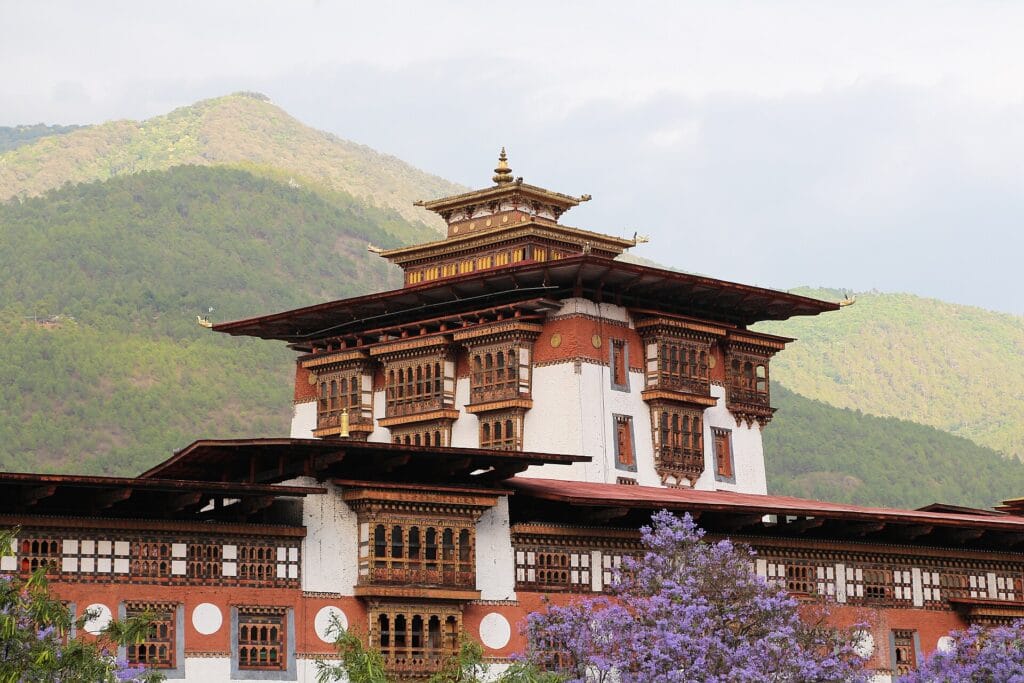 BhutanBhutanA Himalayan kingdom of dzongs, valleys and festivals, travelled lodge to lodge from Paro to Bumthang.Explore Bhutan →
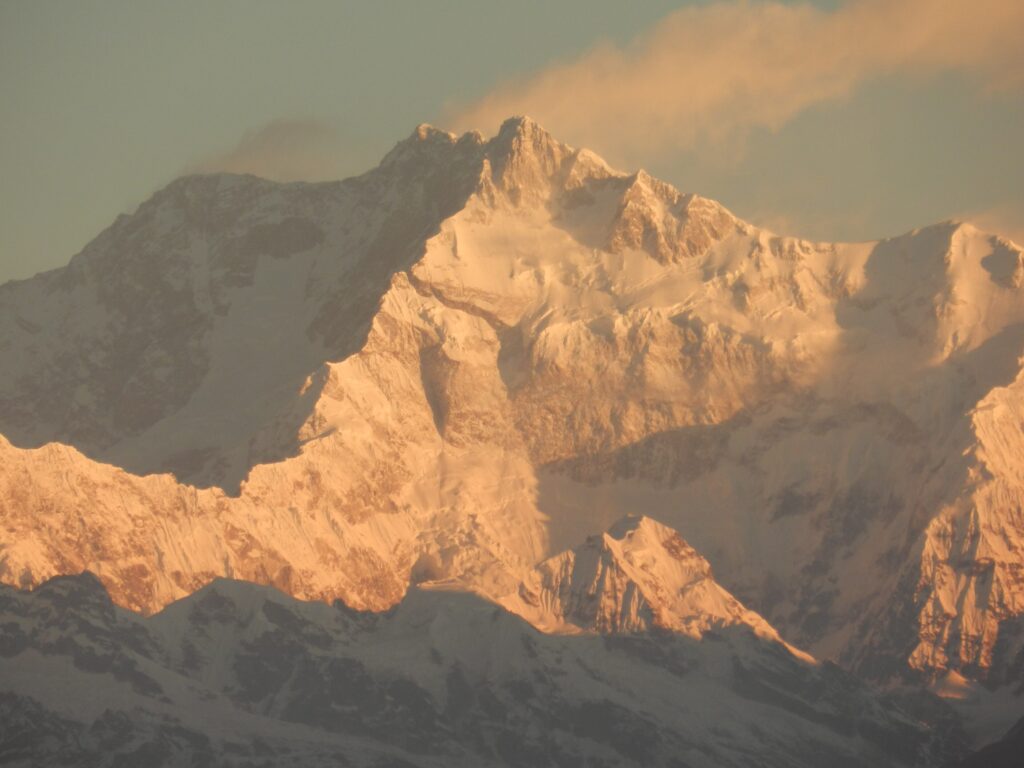 IndiaDarjeelingTea estates, a World Heritage mountain railway and views of Kangchenjunga from a ridge in northern Bengal.Explore Darjeeling →
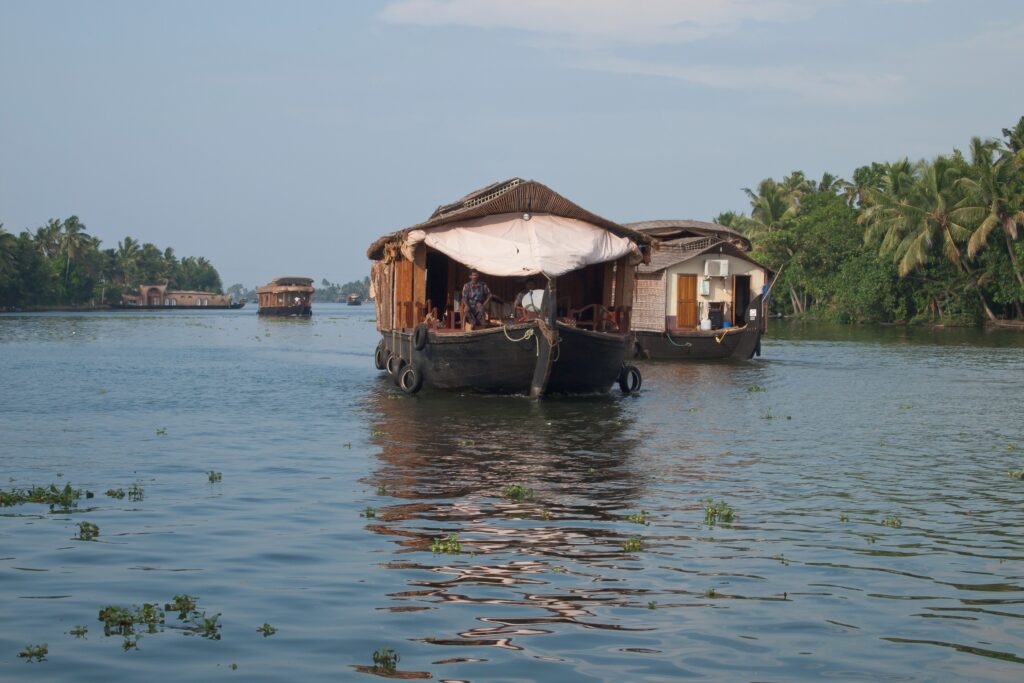 IndiaKeralaBackwaters, the old port of Kochi, the tea hills of Munnar and Ayurveda, on the south-west coast of India.Explore Kerala →