Kerala
India · South Asia
Backwaters, the old port of Kochi, the tea hills of Munnar and Ayurveda, on the south-west coast of India.
Why visit
Why visit Kerala
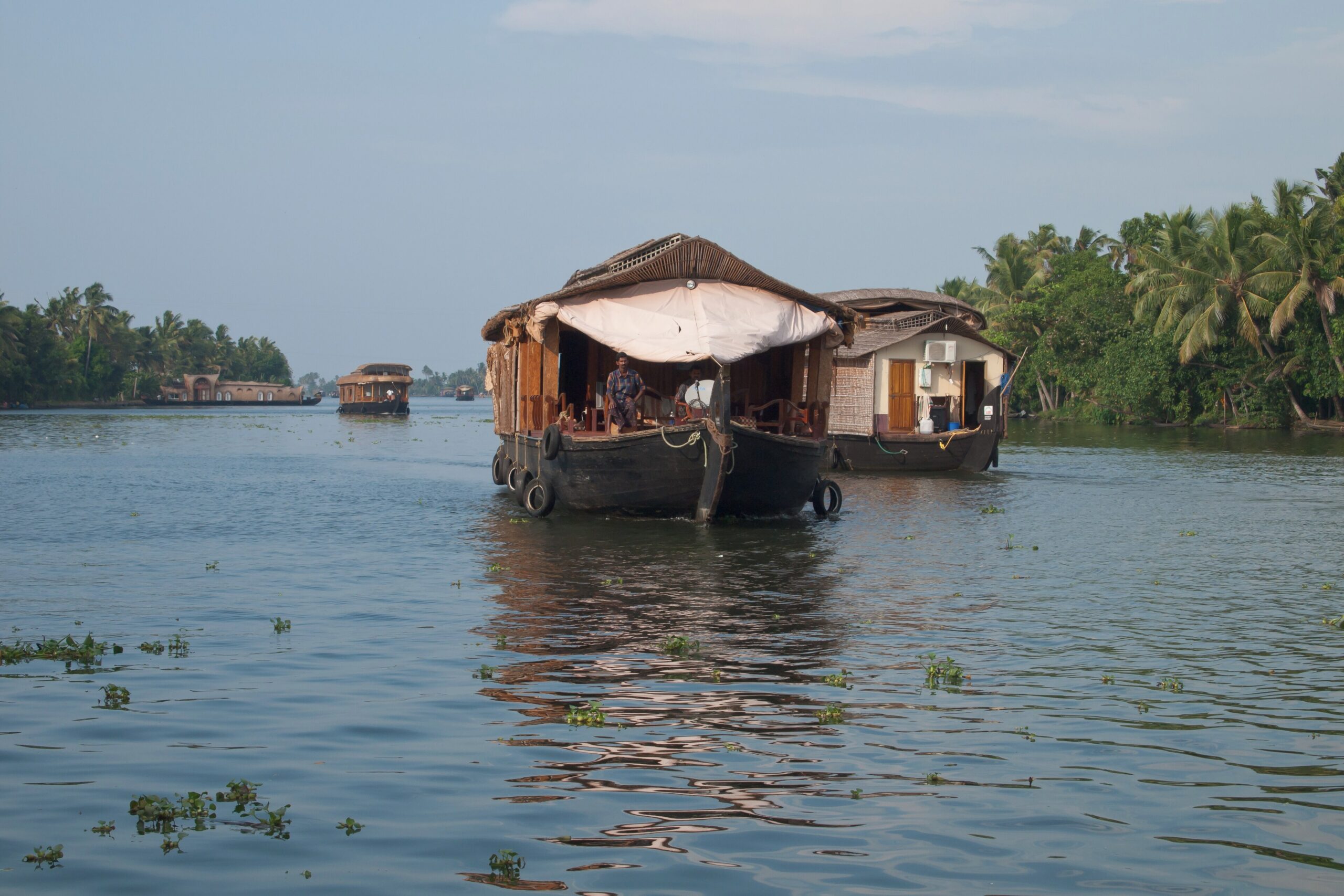
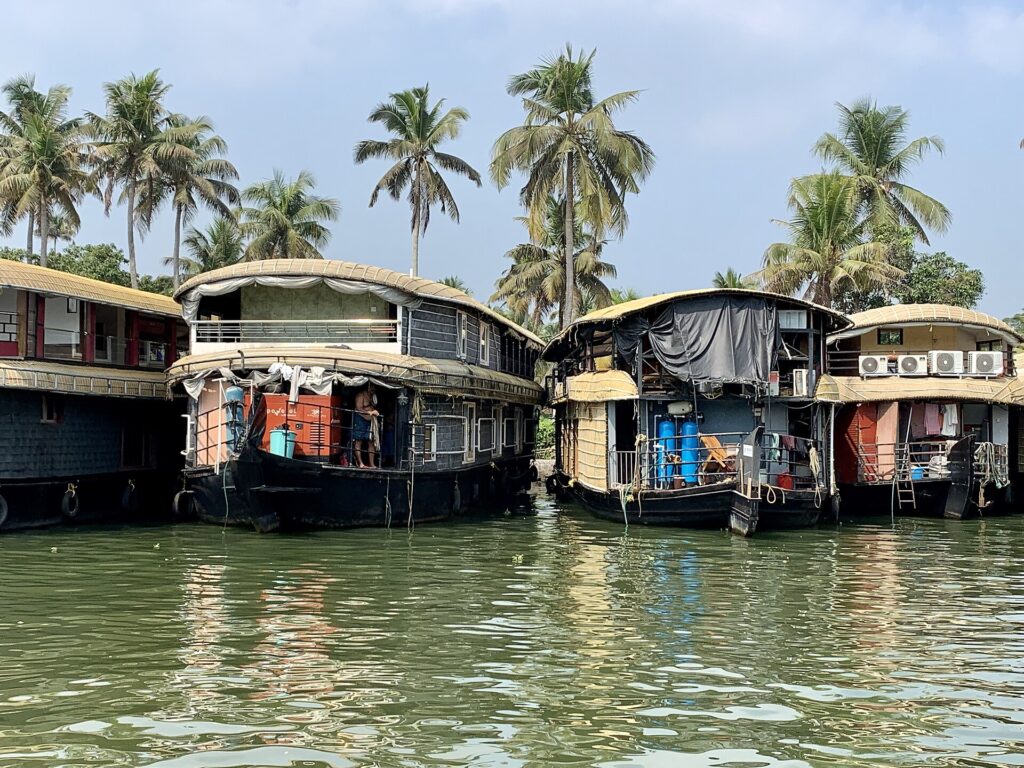
Go for the water. The backwaters run parallel to the coast for most of the length of the state, and a night on a kettuvallam houseboat, a converted rice barge, is the classic way to see the villages and paddy fields of Kuttanad, where farming is carried on below sea level.
Go also for Ayurveda. Kerala kept the tradition alive through its physician families and institutions such as the Arya Vaidya Sala at Kottakkal, founded in 1902. A stay of two or three weeks under a doctor’s supervision is the serious way to approach it, and it changes how the rest of the state is seen: more slowly, and with fewer plans.
Explore
What to see
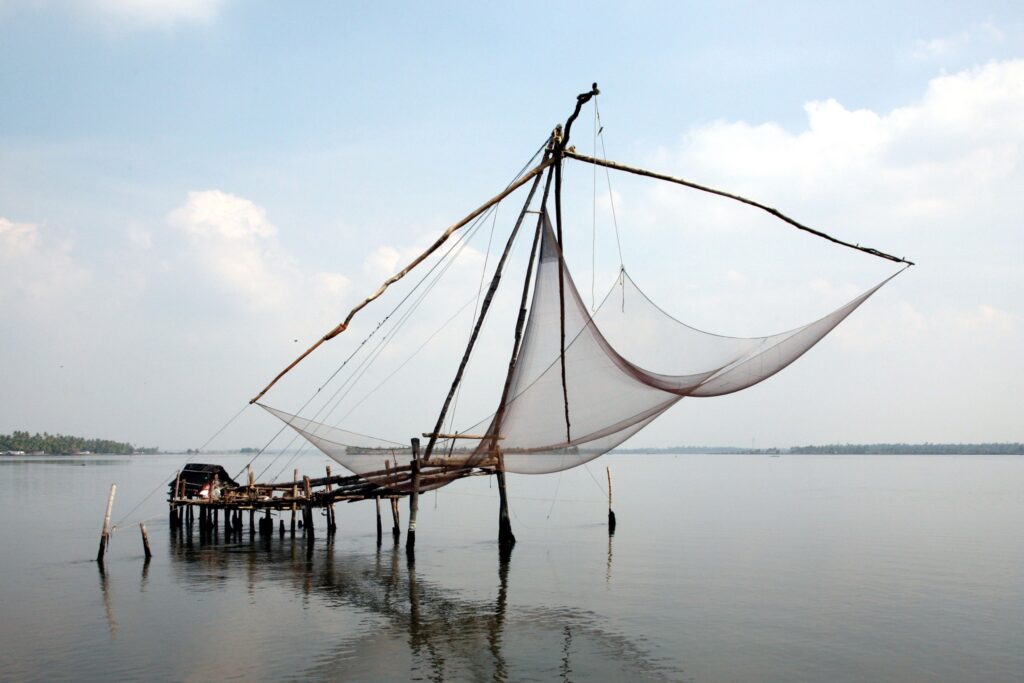
Fort Kochi and Mattancherry. The Portuguese were granted the site in 1503 and built the first European fort in India. The Dutch followed in 1663 and the British in 1795. St Francis Church, where Vasco da Gama was first buried, the cantilevered Chinese fishing nets on the shore, Mattancherry Palace and the Paradesi Synagogue in Jew Town are all within a short distance.
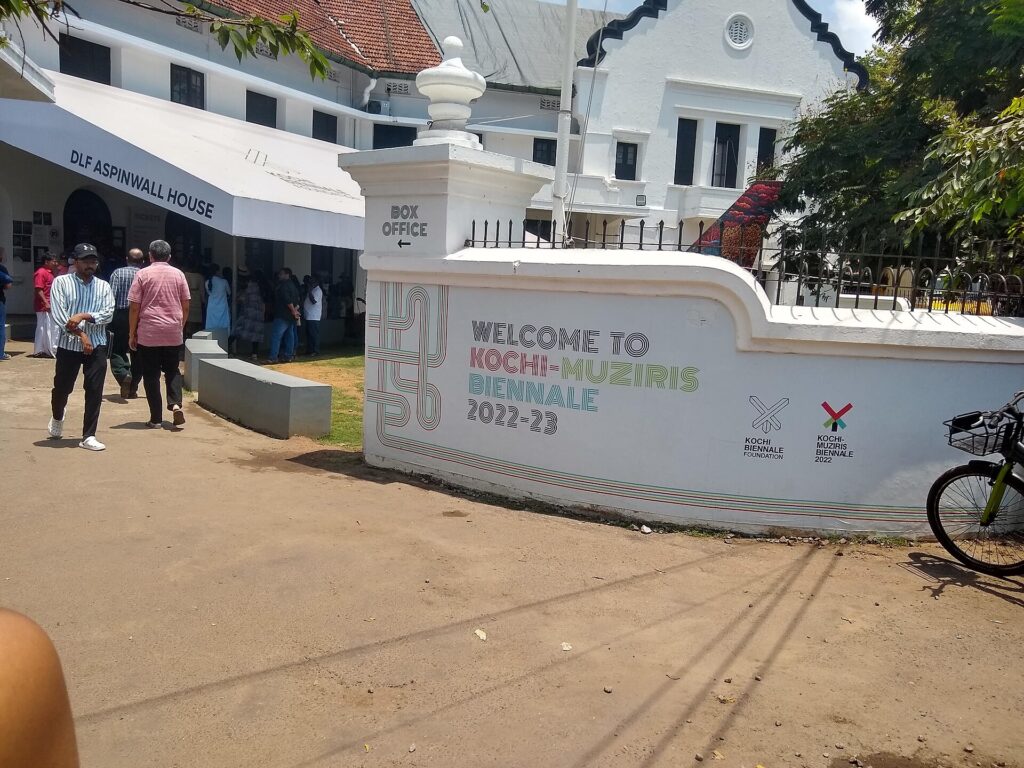
Kochi-Muziris Biennale. Held roughly every two years, it fills old warehouses and Aspinwall House with contemporary art. The sixth edition ran from December 2025 to March 2026; check for the next before planning around it.
The backwaters. Vembanad, the largest lake in Kerala, lies between Kochi and Alappuzha. Houseboats leave from Alappuzha and Kumarakom, and smaller canals reward a quiet canoe more than a large boat.
Munnar. A hill town at about 1,500 metres, roughly 130 kilometres from Kochi, where three rivers meet among tea estates first planted in the late nineteenth century. Eravikulam National Park, nearby, protects the Nilgiri tahr, a mountain goat. The blue neelakurinji flower blooms on these hills about once every twelve years.
Hotels
Where to stay in Kerala
Kerala suits three kinds of stay. In Fort Kochi, heritage hotels occupy old Portuguese, Dutch and British houses, within walking distance of the sights. On the backwaters, lakeside resorts at Kumarakom and around Alappuzha trade a town for water and quiet. In the hills, a planter’s bungalow among the tea estates offers cool air and a slower pace.
Dining
Where to eat in Kerala
Kerala cooks with coconut, curry leaves, black pepper and fish from the sea and the backwaters. Rice is the staple. Typical dishes are fish curry soured with tamarind, lacy rice pancakes called appam served with stew, and the sadya, a vegetarian feast of many small dishes served on a banana leaf. Houseboat crews cook the fish and rice of the lake. In Kochi, The Rice Boat, the Taj Malabar’s restaurant in the form of a wooden houseboat on the harbour, cooks Kerala seafood, and in Thiruvananthapuram Villa Maya occupies an eighteenth-century mansion built for the consorts of the Travancore kings.
Before you go
Practical information
Best time to visit
December to February is the dry, cooler season and the busiest. The south-west monsoon arrives in June. The monsoon month of Karkidakam, from mid-June to mid-July, is traditionally regarded as the season for Ayurvedic treatment, when the hills and backwaters are at their greenest and the coast is quiet.
Getting around
Cochin International Airport serves Kochi and the centre of the state. Ferries and buses link Fort Kochi with Ernakulam, the modern city on the mainland. Alappuzha and Kumarakom are reached by road from Kochi, and Munnar by a winding mountain road of about 130 kilometres that takes longer than the distance suggests.
Practical notes
Kerala is a state of 900 kilometres of coast, not a single place: a week allows Kochi, a night on the backwaters and two or three days in the hills. An Ayurvedic programme is a separate journey: programmes of one to several weeks are usual, and the regime of diet, rest and early nights does not combine with sightseeing. Seek a qualified practitioner and follow their advice.
Continue exploring
More from India
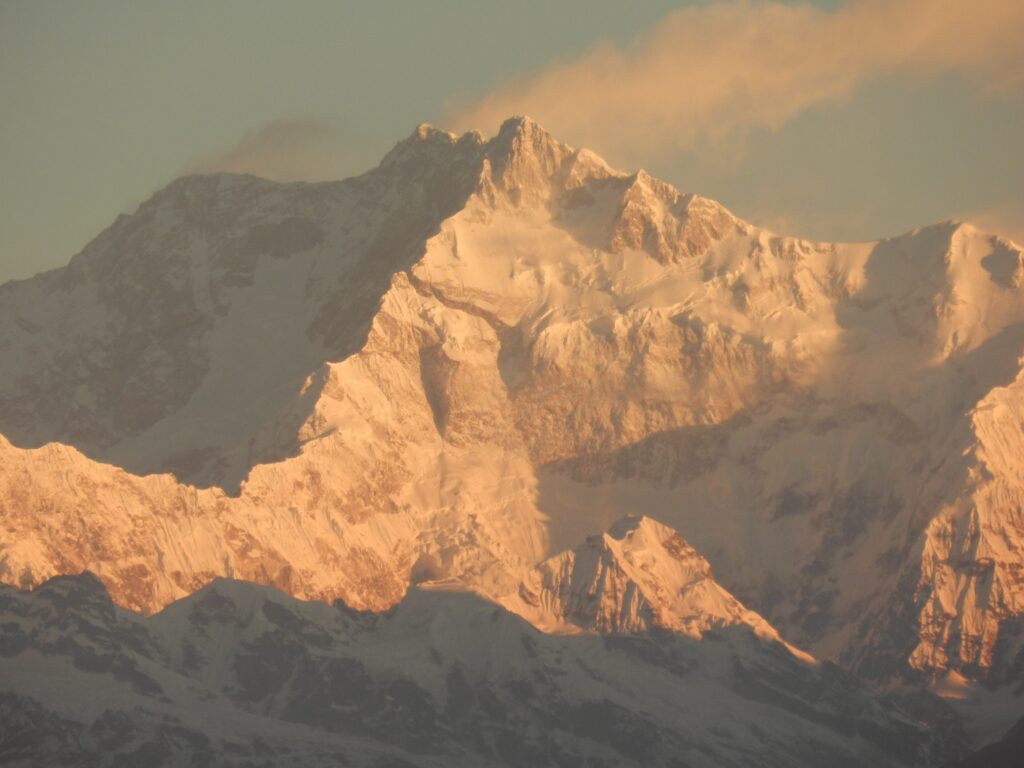 IndiaDarjeelingTea estates, a World Heritage mountain railway and views of Kangchenjunga from a ridge in northern Bengal.Explore Darjeeling →
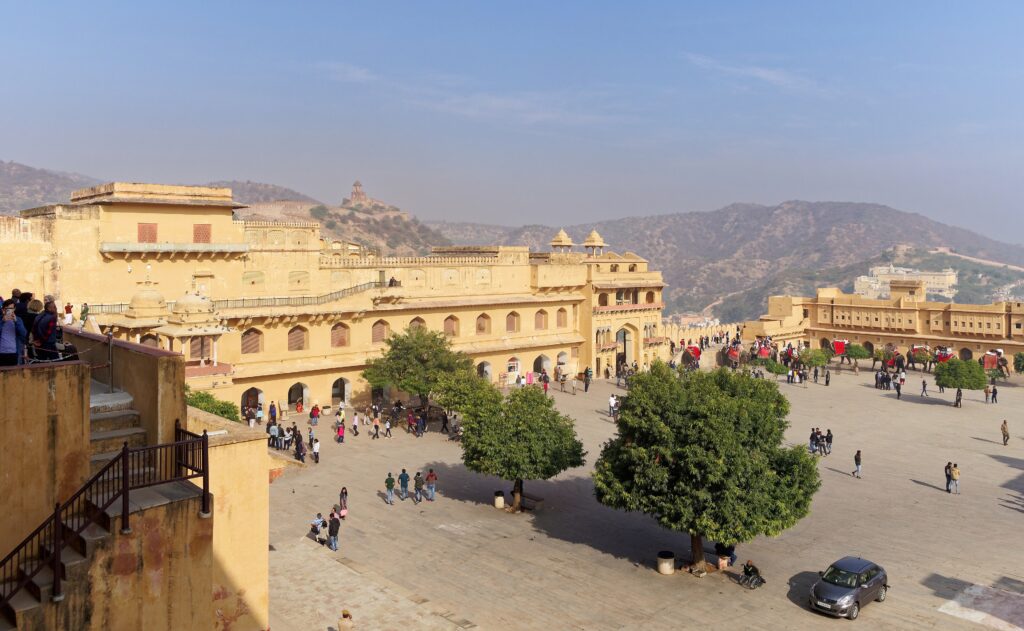 IndiaRajasthanIndia's north-west of forts and lakes: the Rajput hill forts, Jaipur's walled city, a fourteenth-century fort near Ranthambore and a private island on Udai Sagar.Explore Rajasthan →
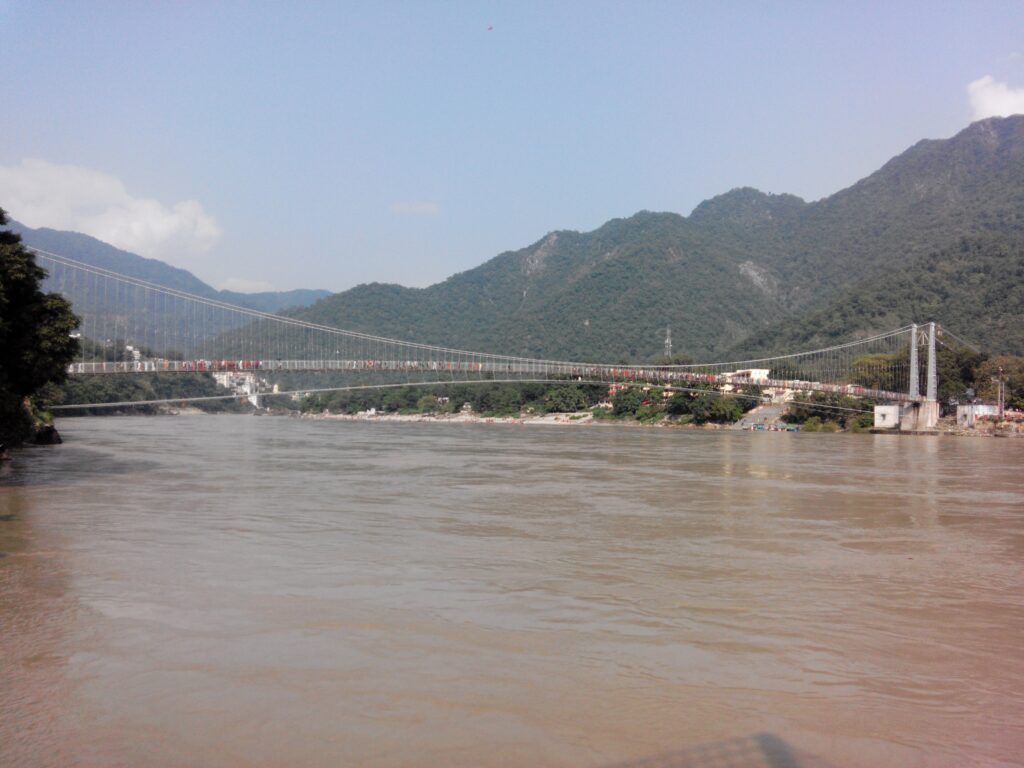 IndiaRishikeshWhere the Ganges leaves the Himalayan foothills: ashrams and evening aarti, the Beatles Ashram, a September-to-June rafting season and two wellness retreats nearby.Explore Rishikesh →