Bhutan
Bhutan · South Asia
A Himalayan kingdom of dzongs, temples and valley villages, crossed by a restored 403-kilometre walking trail.
Why visit
Why visit Bhutan
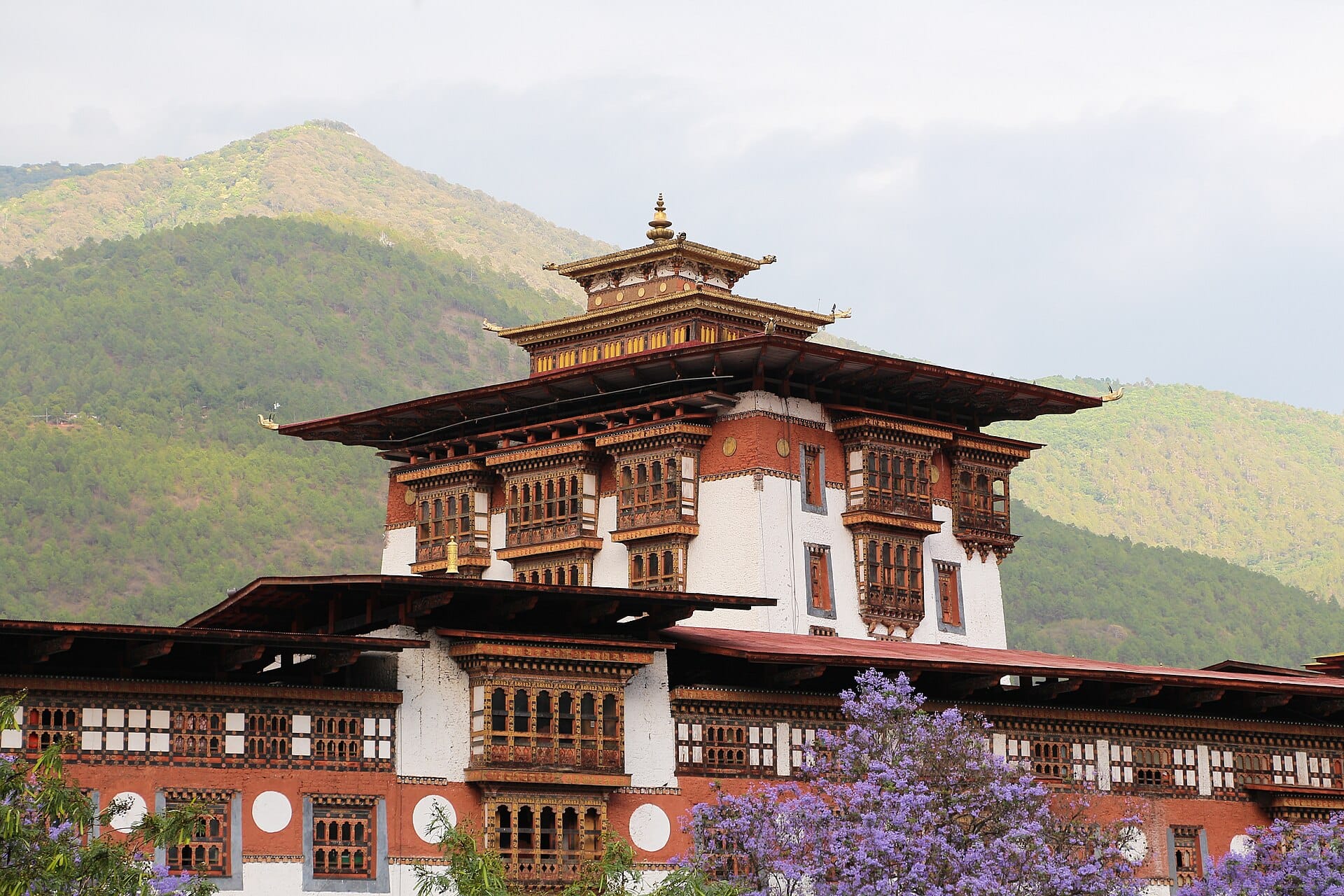
Bhutan is a small Himalayan kingdom whose landscape and traditions are still closely tied together: terraced valleys, rhododendron forest, remote villages, and fortress-monasteries known as dzongs that served as centres of both faith and administration.
The most rewarding way to see it is slowly. The Trans Bhutan Trail, restored from 2018 and reopened as a 403-kilometre route between Haa in the west and Trashigang in the east, passes four dzongs and twenty-one temples, and turns a country crossing into a walk.
Explore
What to see
The dzongs and temples along the old route are the cultural heart of a visit, from the western valley of Haa to the eastern town of Trashigang. The landscape changes from rice terraces to high forest, reaching between 3,900 and 4,000 metres at the trail’s highest point. Many visitors combine a walk of a few days with time in the towns and valleys on either side.
Before you go
Practical information
Best time to visit
Spring, from February to May, and autumn, from September to November, are usually mild, dry and sunny, and are the best seasons for walking.
Getting around
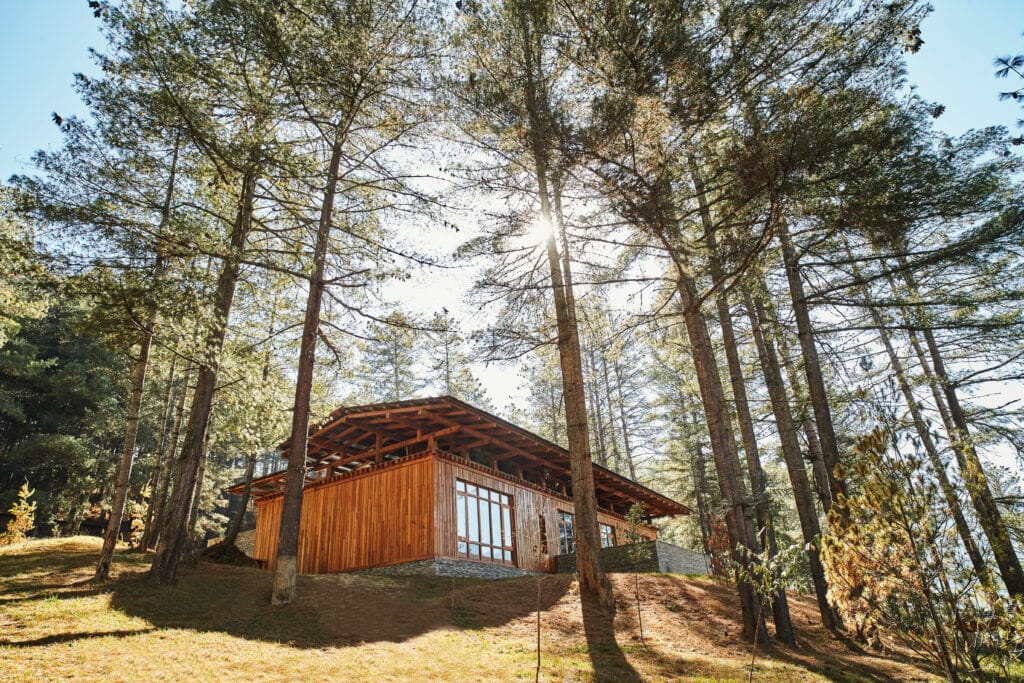
International visitors walking the Trans Bhutan Trail must be accompanied by a local guide. Accommodation along the route ranges from homestays and guesthouses to lodges and hotels, and many itineraries are arranged in sections with road access.
Practical notes
Entry rules, visitor fees and guide requirements are set by Bhutan’s authorities and change, so confirm them well before planning a trip. Altitude on the higher stages can be significant; build in time to acclimatise.
Continue exploring
More from South Asia
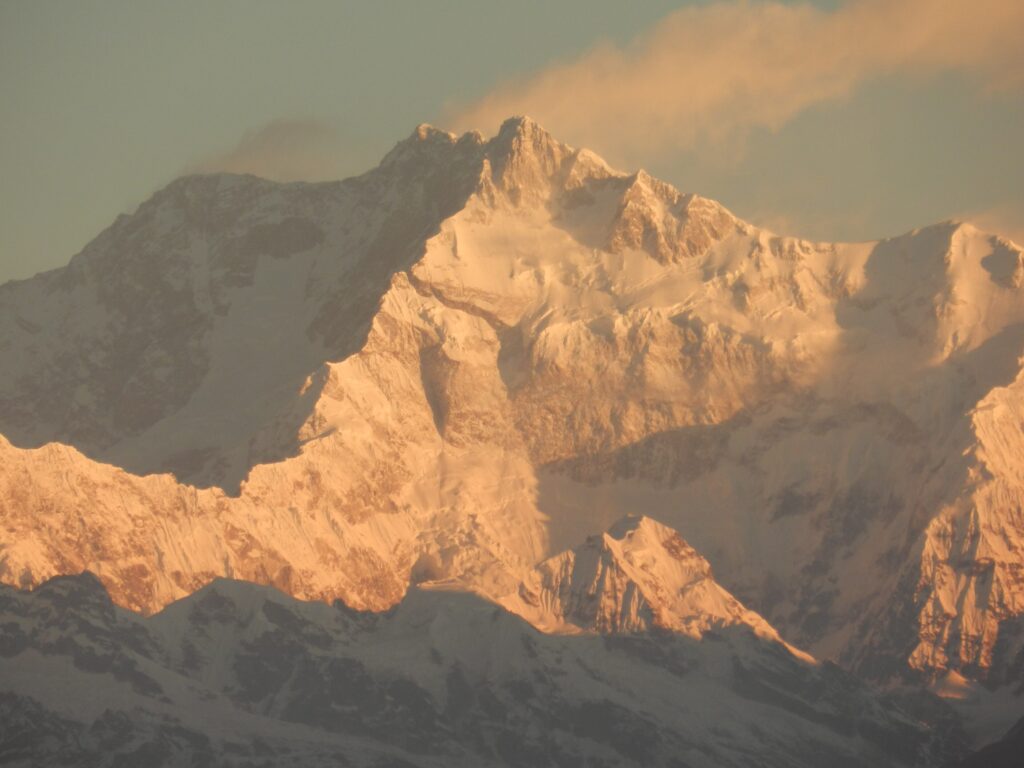 IndiaDarjeelingTea estates, a World Heritage mountain railway and views of Kangchenjunga from a ridge in northern Bengal.Explore Darjeeling →
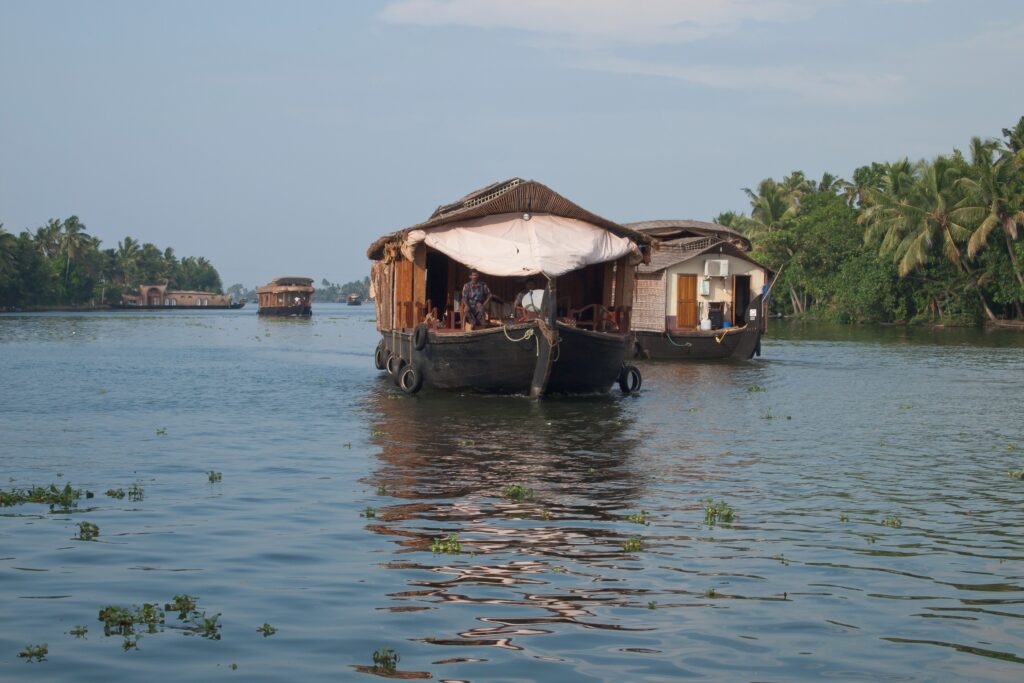 IndiaKeralaBackwaters, the old port of Kochi, the tea hills of Munnar and Ayurveda, on the south-west coast of India.Explore Kerala →
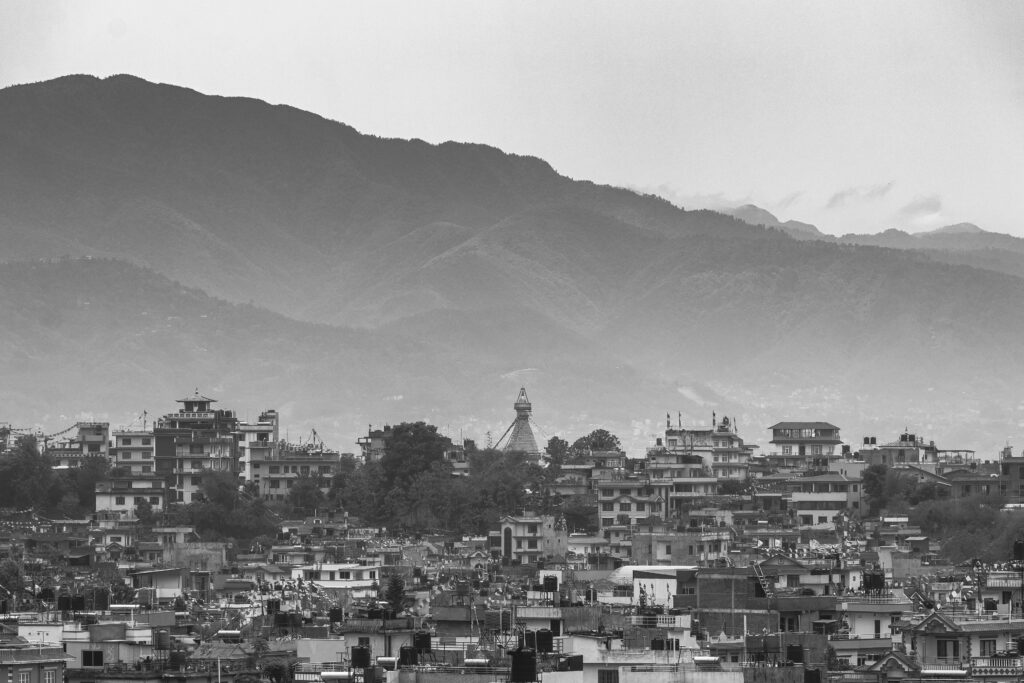 NepalNepalTemple cities in the Kathmandu Valley, the Everest trail and the high desert valley of Mustang.Explore Nepal →