Yogyakarta
Indonesia · Southeast Asia
Java's court city: a working sultan's palace, batik and gamelan, and the base for Borobudur and Prambanan.
Why visit
Why visit Yogyakarta
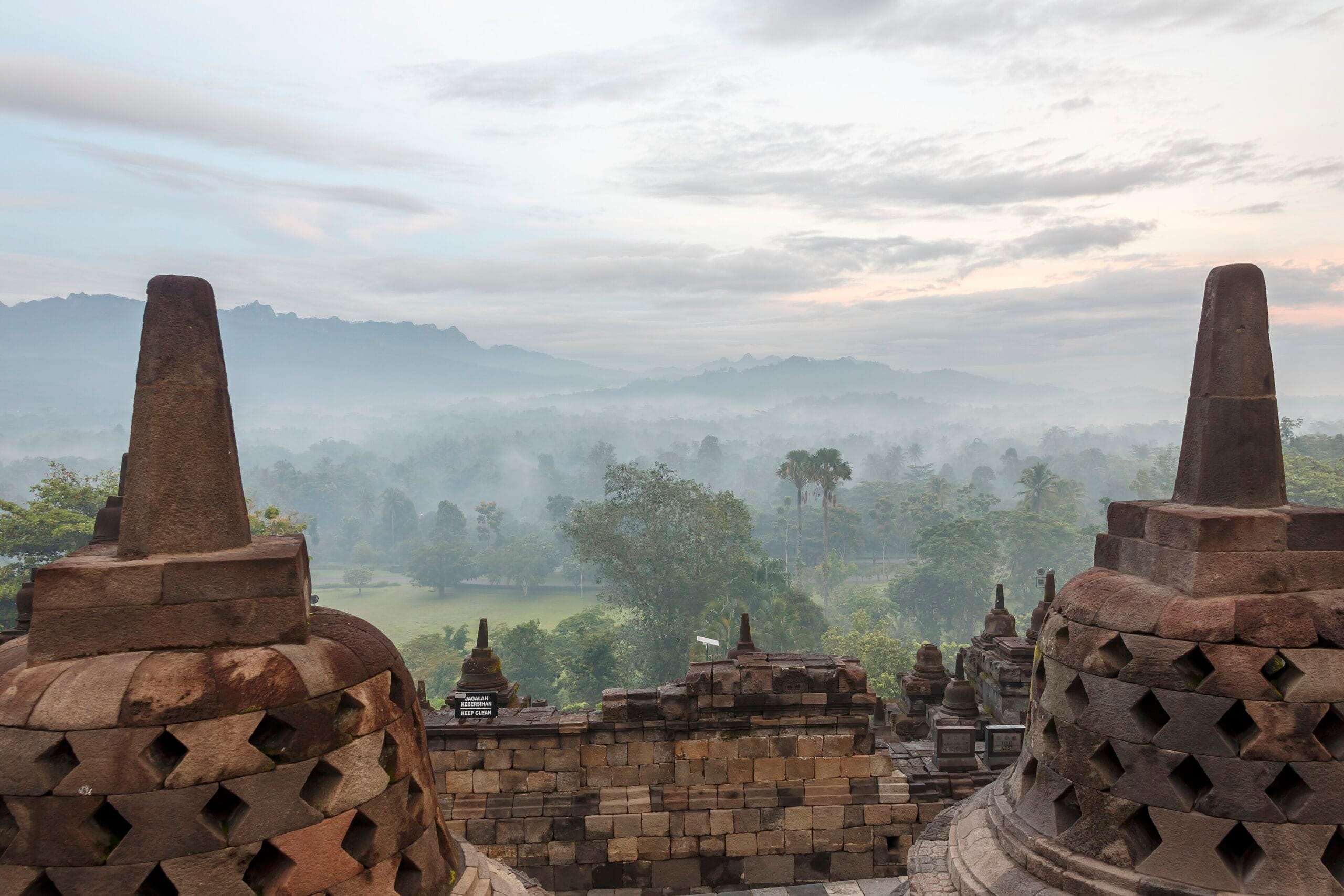
Go for two of the great monuments of Asia within an hour of each other. Borobudur is the largest Buddhist monument in the world, and climbing it is now limited and booked ahead. Prambanan, built in the same century, is a group of Hindu towers of which the tallest rises 47 metres.
Go also for a living Javanese court. The Kraton keeps its retainers, its orchestras and its dancers, and the city around it is the centre of batik, silverwork and the shadow theatre. Our guide to Yogyakarta sets out three days.
Explore
What to see
The Kraton. The sultan's palace, a sequence of courtyards and open pavilions in the Javanese style, with a museum and regular performances of gamelan, dance and shadow puppetry.
Taman Sari. The water castle, a pleasure garden of pools and pavilions built for the first sultan from 1758.
Malioboro. The main street on the city's axis, lined with batik shops, stalls and markets.
Borobudur. A hill encased in carved stone, climbed level by level. See our guide to the new rules.
Prambanan. The ninth-century Hindu temples, with the Ramayana performed on an open-air stage nearby. Our account of an evening there explains how to plan it.
Merapi. One of the most active volcanoes in Indonesia stands on the northern horizon.
Hotels
Where to stay in Yogyakarta
The best-known hotel in the region is Amanjiwo, built of local limestone facing Borobudur across the plain, a considerable drive from the city. In Yogyakarta itself there are large international hotels and smaller houses in the old quarters near the Kraton.
Dining
Where to eat in Yogyakarta
The city's dish is gudeg, young jackfruit stewed slowly with palm sugar and coconut milk until dark and sweet, served with rice, chicken and egg. Sellers of jamu, the herbal drinks of Java, are part of the street life.
Experiences
Experiences in Yogyakarta
Before you go
Practical information
Best time to visit
The dry season runs from June to September, and May and October are usually fair. The wettest months fall around the turn of the year. July and August are busy with domestic and European visitors, and the climb of Borobudur can sell out.
Getting around
Yogyakarta International Airport, opened in stages in 2019 and 2020, lies to the west in Kulon Progo, well outside the city. Trains link Yogyakarta with Jakarta, Surabaya and nearby Solo. The centre is seen on foot and by becak, the cycle rickshaw. The temples need a car and driver, or in the case of Prambanan a commuter train or city bus.
Practical notes
Three days allow for the city and both monuments. Climbing Borobudur needs a separate climb ticket with a guide and a timed slot, and visitors wear special sandals; access and quotas have changed several times, so check the official ticketing before booking. The Kraton opens in the morning and closes in the early afternoon, and performances follow a weekly timetable. Dress modestly at the palace and the temples.
Continue exploring
More from Indonesia
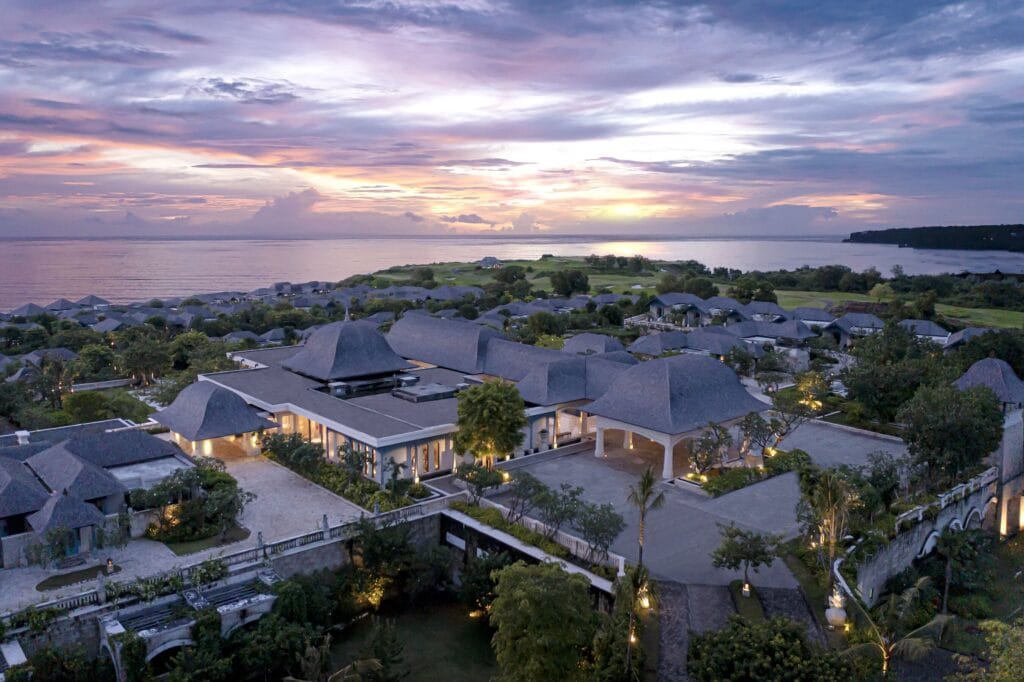 IndonesiaBaliIndonesia's island of temples, rice terraces and clifftop coastlines, with celebrated resorts and a fast-evolving dining scene.Explore Bali →
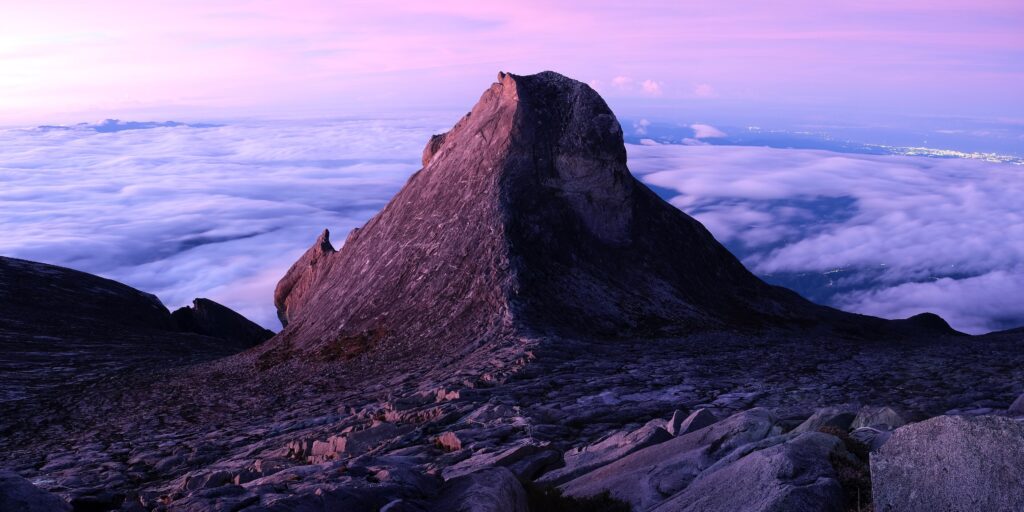 IndonesiaBorneoThe Indonesian side of Borneo, where river forests shelter orangutans and the history of their conservation began.Explore Borneo →
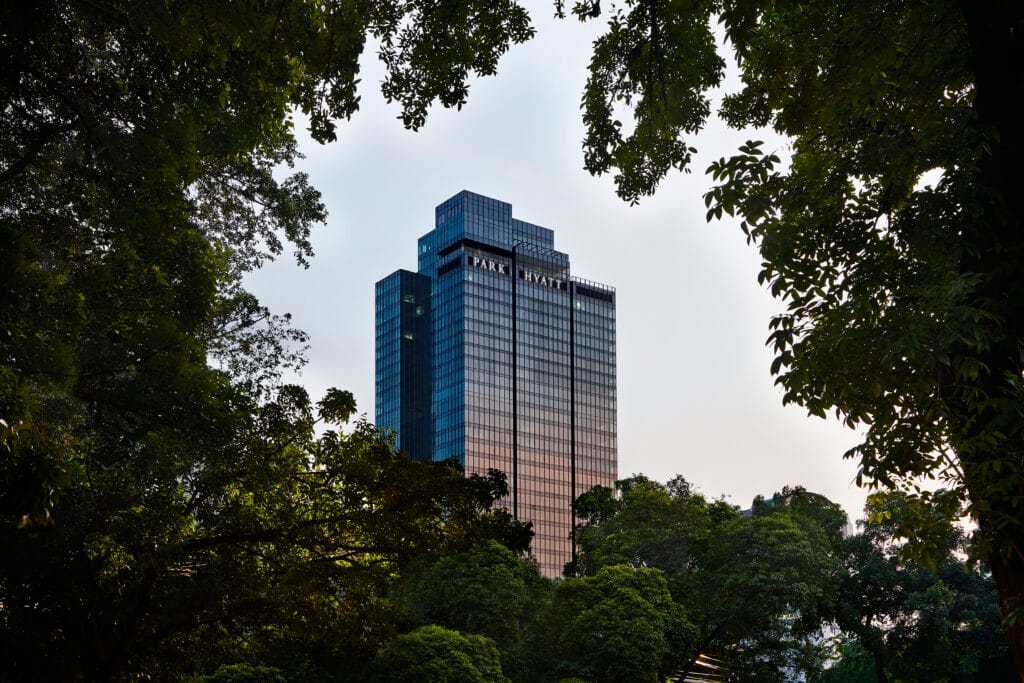 IndonesiaJakartaIndonesia's sprawling capital, where Dutch colonial heritage, modern towers and a rich culinary mosaic come together.Explore Jakarta →