
Chongqing
China · Greater China
A municipality built on steep hills where the Jialing meets the Yangtze, known for hot pot, riverfront towers and the Dazu rock carvings.
Why visit
Why visit Chongqing
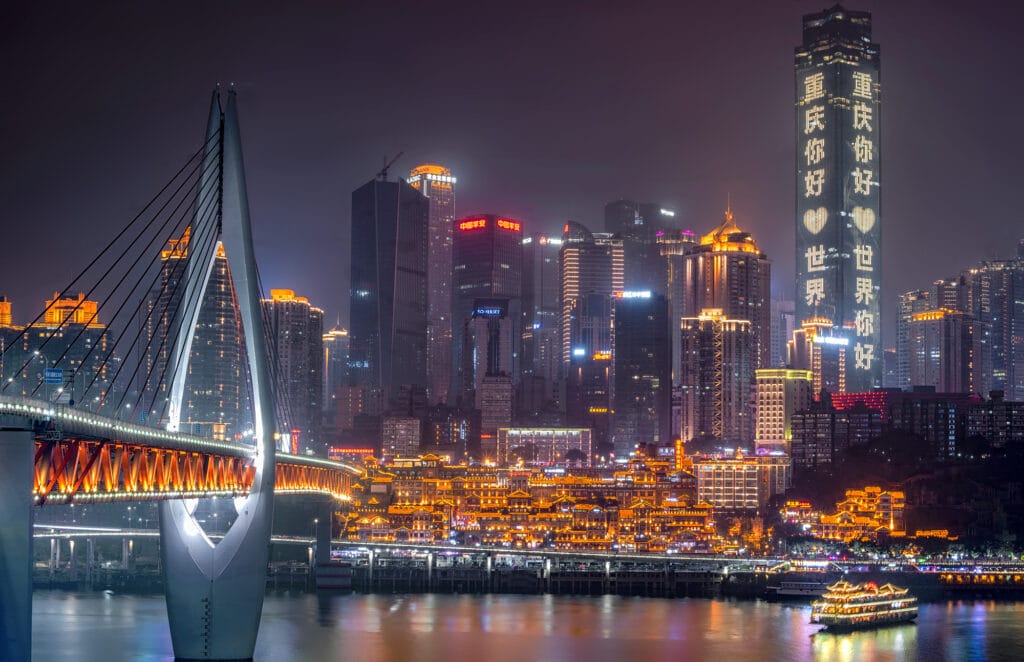
Chongqing is the city to see vertical China. Hotels here sit in towers above the rivers: the reception of InterContinental Chongqing Raffles City is on level 42, in the Crystal, an enclosed sky bridge across four towers some 250 metres above the ground, and Niccolo Chongqing has its check-in lobby on the 62nd floor. Regent Chongqing is the exception, presented by its operator as the city’s first urban resort, with a waterfront setting.
It is also the more direct partner of Chengdu in Sichuan’s cuisine. Chongqing cooking is bold, generous and fiery, and the gastronomic guide explains where to begin.
Explore
What to see
Hongya Cave is a stilted complex of eleven floors built against a cliff above the Jialing River, lit by neon at night, with shops and street food. Ciqikou Ancient Town, known as Little Chongqing, has Ming and Qing wooden buildings and teahouses, and more than a thousand years of history. Liziba Station is a rail station built within a residential block, with trains passing through the building. Jiefangbei is the commercial centre, and the Yangtze cable car crosses the river as a sightseeing ride.
The Crystal’s viewing deck, 250 metres above the city, looks over the meeting of the rivers. Day trips go to the Dazu Rock Carvings, a UNESCO site of carvings from the ninth to thirteenth centuries, reached by coach in about an hour and forty minutes, and to the Wulong Karst, known for giant limestone bridges and deep gorges.
Hotels
Where to stay in Chongqing
The choice is between three waterfronts. Regent Chongqing, on the Jiangbeizui waterfront, has 202 rooms, all with views of the rivers. Niccolo Chongqing occupies the top ten floors of Tower 1 at Chongqing IFS, with 252 rooms and interiors by Hirsch Bedner Associates.
Dining
Where to eat in Chongqing
Hot pot is the first order, and Chongqing’s version is built on beef tallow, dried chillies and Sichuan pepper. Underground City Old Hot Pot serves old-style hot pot in a former air-raid shelter, and Sister Pei’s has a branch on the 11th floor of Hongya Cave, known for its rainbow beef. Yuwei Xiaoyu Hot Pot, on Pipa Hill Street, was featured in the documentary series A Bite of China.

Before you go
Practical information
Best time to visit
March to May and September to November are the best seasons. Summers are very hot, from mid-June to mid-September, and outdoor sightseeing downtown is best avoided then. Late November to December is recommended for red autumn leaves in the Three Gorges, and Wulong is pleasantly cool from May to October.
Getting around
Jiangbei International Airport serves most major cities, and the high-speed train from Chengdu takes about 75 minutes. The city has 12 rail transit lines. Chaotianmen Dock, beside Raffles City, is the departure point for Yangtze cruises, which take four to five days to Yichang. Dazu is reached by coach from Caiyuanba Bus Station in about 1 hour 40 minutes.
Practical notes
Many restaurants use QR codes for ordering and payment, so have Alipay or WeChat Pay ready. Wear sturdy shoes, since the city is steep.
Continue exploring
More from China
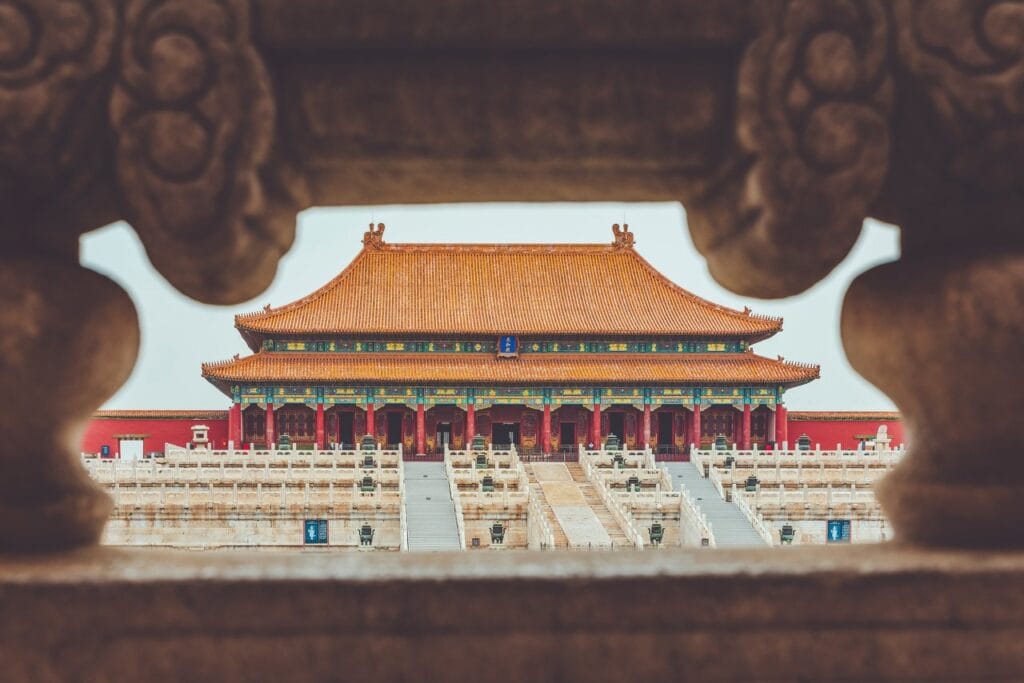 ChinaBeijingChina’s capital, laid out on a 7.8-kilometre Central Axis, with surviving hutong lanes, a contemporary-art district in a former East German-designed factory complex and a Michelin list led by Chaozhou and Taizhou kitchens.Explore Beijing →
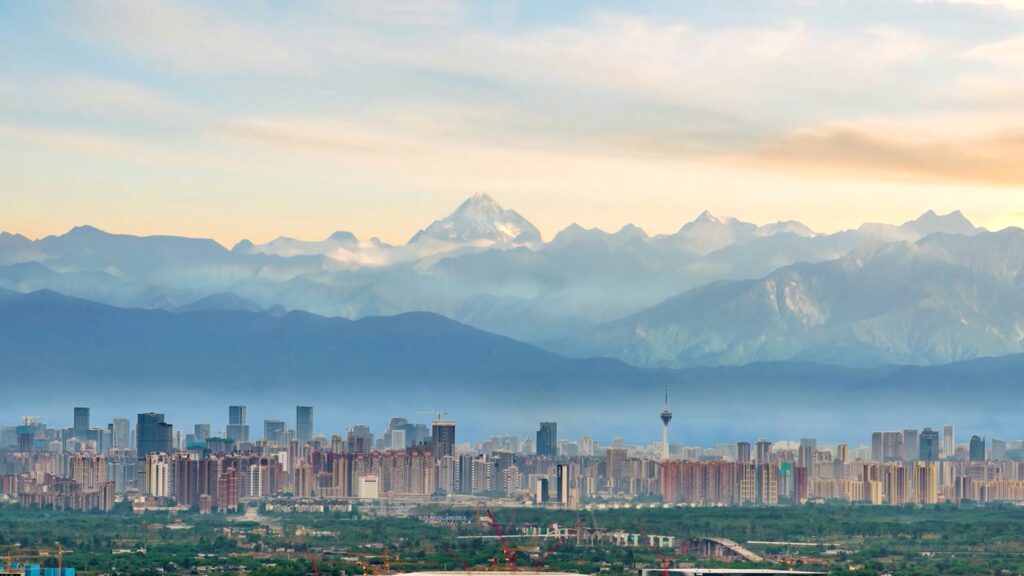 ChinaChengduThe capital of Sichuan: pandas, teahouses and the first three-star kitchen in the city’s Michelin Guide, with Leshan, Sanxingdui and Mount Qingcheng within a day’s reach.Explore Chengdu →
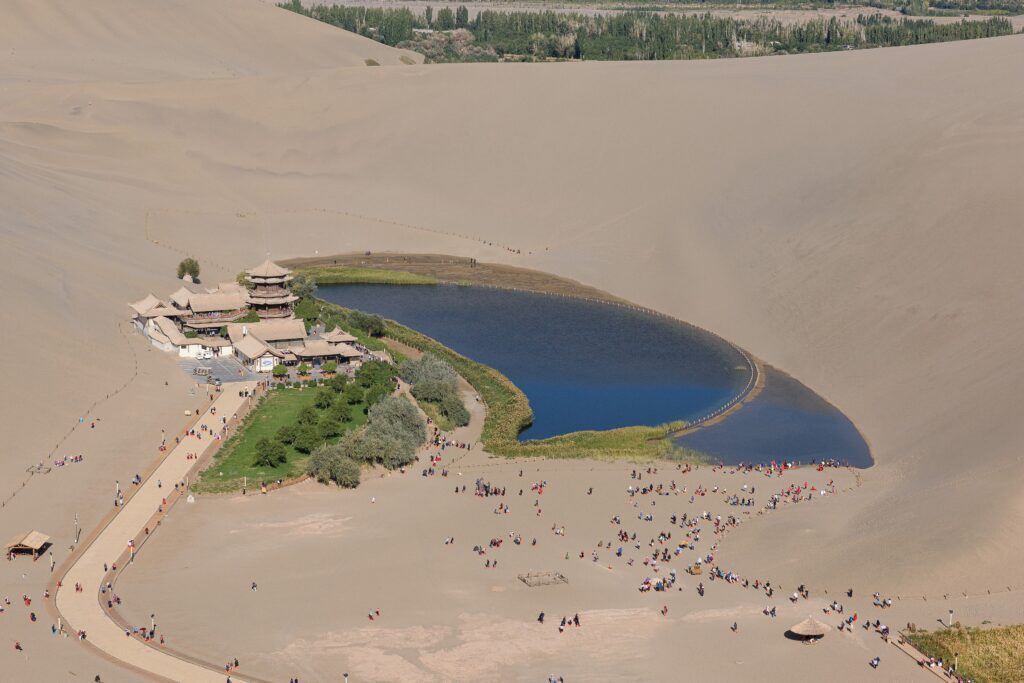 ChinaDunhuangA Silk Road oasis in Gansu, where Buddhist cave paintings, singing dunes and the ruined gates of the Han frontier lie within a day of one another.Explore Dunhuang →