Jakarta
Indonesia · Southeast Asia
Indonesia’s capital: Dutch-era old town, garden suburbs, art museums and a run of new luxury hotels from Menteng to SCBD.
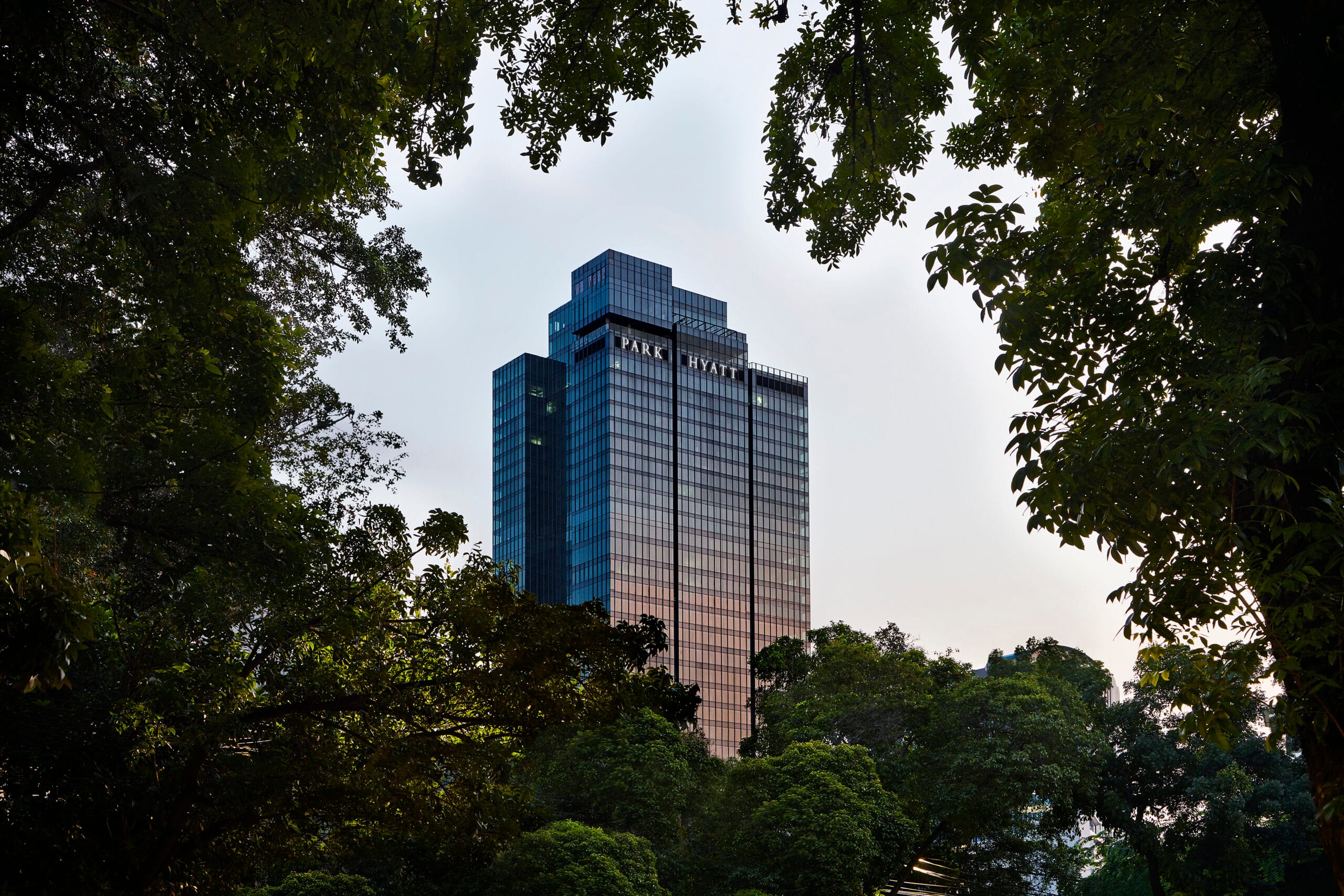
Photo: Park Hyatt Jakarta
Why visit
Why visit Jakarta
Jakarta is where Indonesia’s range is easiest to taste and see without crossing the archipelago. Padang restaurants from West Sumatra, Javanese and Sundanese cooking and Betawi dishes such as soto Betawi, a beef stew, all coexist in the city, and the street-food hub of Jalan Sabang serves gado-gado, nasi goreng and lamb satay.
The city’s past is layered. In Kota Tua, the Dutch quarter founded in the seventeenth century, Fatahillah Square is surrounded by museums, and the Jakarta History Museum occupies the former Stadhuis of Batavia, completed in 1710 and believed to be modelled on the Dam Palace in Amsterdam. To the south, Glodok is the old Chinatown. Further on, the National Monument is a 137-metre marble obelisk, and Istiqlal is the largest mosque in Southeast Asia.
And it has an art museum. Museum MACAN opened in 2017 in Kebon Jeruk, built around the collection of Haryanto Adikoesoemo: about 800 works amassed over some 25 years, around half of them Indonesian. It is billed as Indonesia’s first museum of modern and contemporary art.
Explore
What to see
Spend a morning in Kota Tua, where weekends bring street performers, bicycle rentals and food vendors to Fatahillah Square, and the Wayang Museum and the Fine Arts Museum stand beside the History Museum. In Glodok, the Jin De Yuan temple is a quiet point in a busy market district.
Elsewhere, the National Museum holds antiquities and ethnographic collections, with ceramics and royal regalia as highlights, and Istiqlal can be visited by non-Muslims in appropriate dress outside prayer times. Taman Ismail Marzuki is the cultural centre for drama, dance and music. The Thousand Islands, a national park of around 600 islands, can be reached by ferry from Ancol Marina; ferries leave around 8 or 9am and return around 1.30 to 2pm.
Hotels
Where to stay in Jakarta
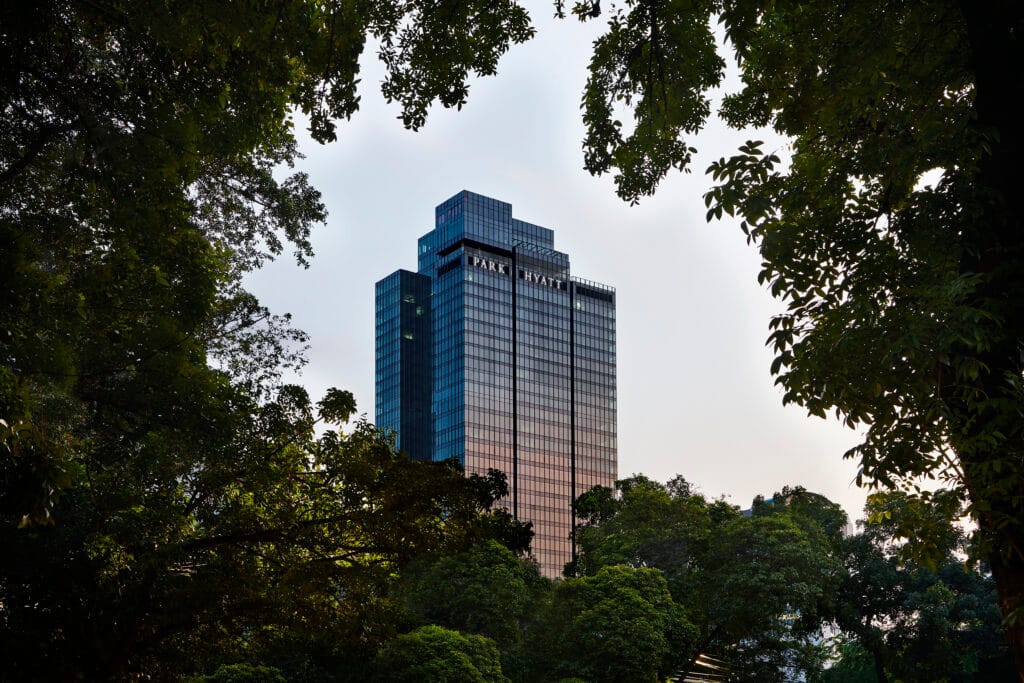
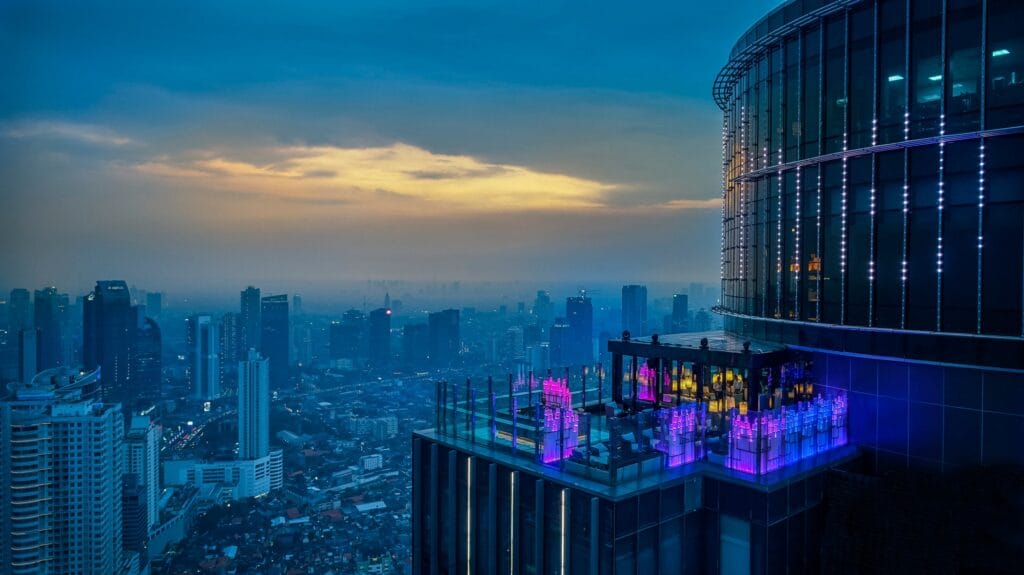
Jakarta’s hotels cluster in three areas, and the choice is mostly about traffic. Menteng and the Bundaran HI roundabout put you in the old centre, with the colonial buildings, museums and embassies; the business districts of Kuningan and Sudirman are close to offices and shopping towers; and Kemang is where expatriates go for restaurants and nightlife.
Dining
Where to eat in Jakarta
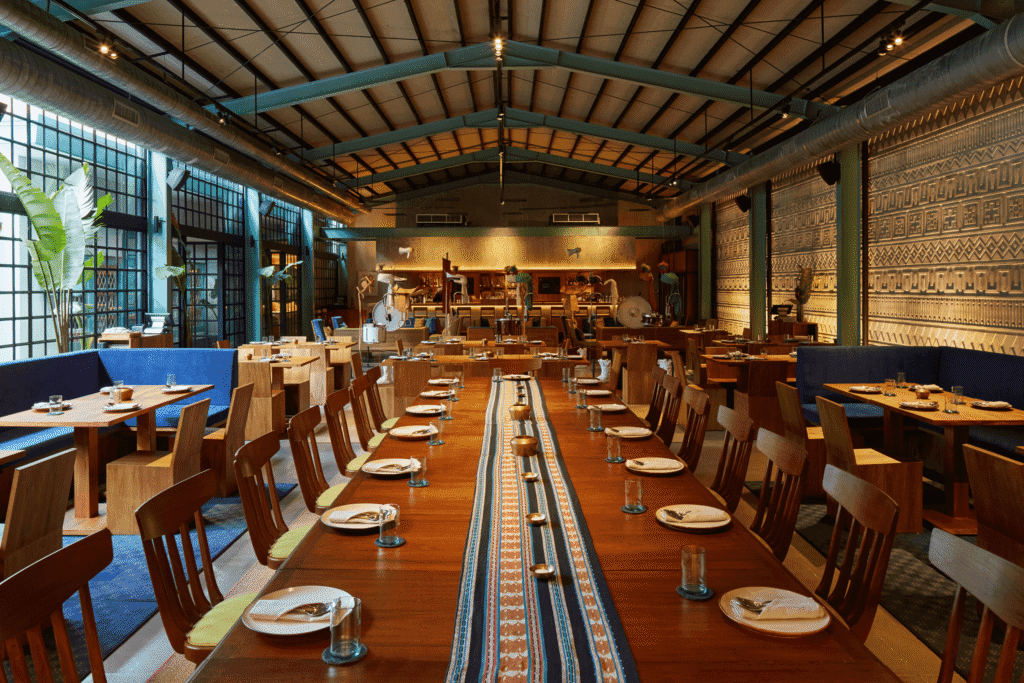
Jakarta’s most interesting restaurants are the ones that treat Indonesia’s regions as separate cuisines. Kaum builds its menu around the cooking of specific Indonesian regions, and Nusa Indonesian Gastronomy, in Kemang, is a modern Indonesian restaurant. Plataran Menteng occupies a three-storey Dutch colonial mansion in Menteng, a setting worth a meal in itself.
The Journal
Latest on Jakarta
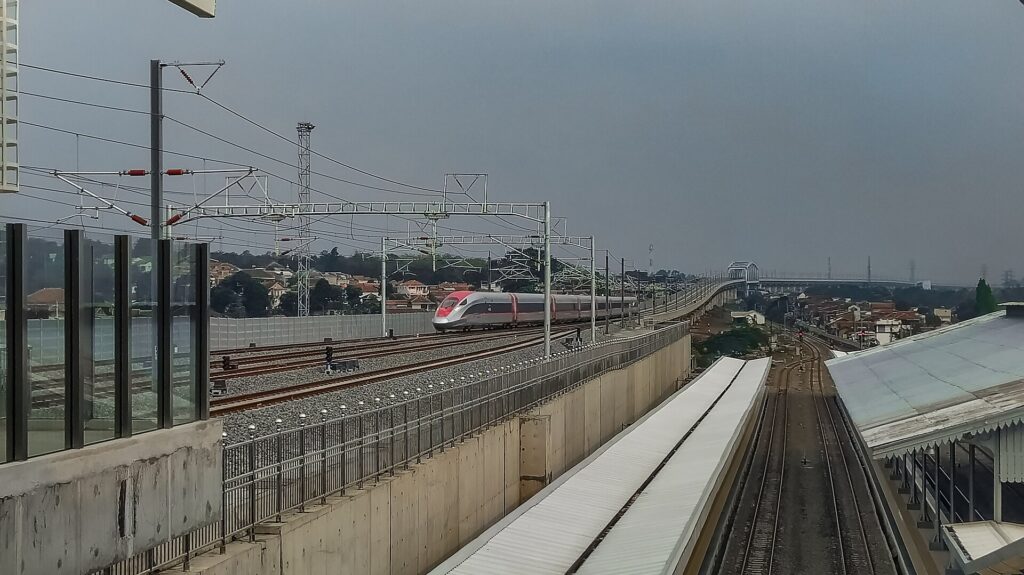
Before you go
Practical information
Best time to visit
May to September is the dry season and the best time to visit, with temperatures of 24°C to 32°C. June to August is high season, with higher prices. The wet season runs from October to April, with heavy rain and occasional flooding that can disrupt travel. Air pollution is worst in September.
Getting around
Soekarno-Hatta International Airport is about 28 kilometres from central Jakarta. A taxi takes roughly 45 minutes, and the airport rail link reaches Sudirman Baru station in under an hour. The traffic is severe, to the point that some office workers are paid to start work in the back of their taxi. The options are Transjakarta buses on dedicated lanes, metered taxis, Go-Jek and Grab, cars with drivers and the MRT. The MRT’s first line runs 15.7 kilometres from Lebak Bulus to Bundaran HI and is mainly useful for commuters.
Practical notes
Leave extra time for any journey across the city. Agree a price before taking a tuk-tuk, and note that non-Muslims in appropriate dress can visit Istiqlal outside prayer times.
Continue exploring
More from Indonesia
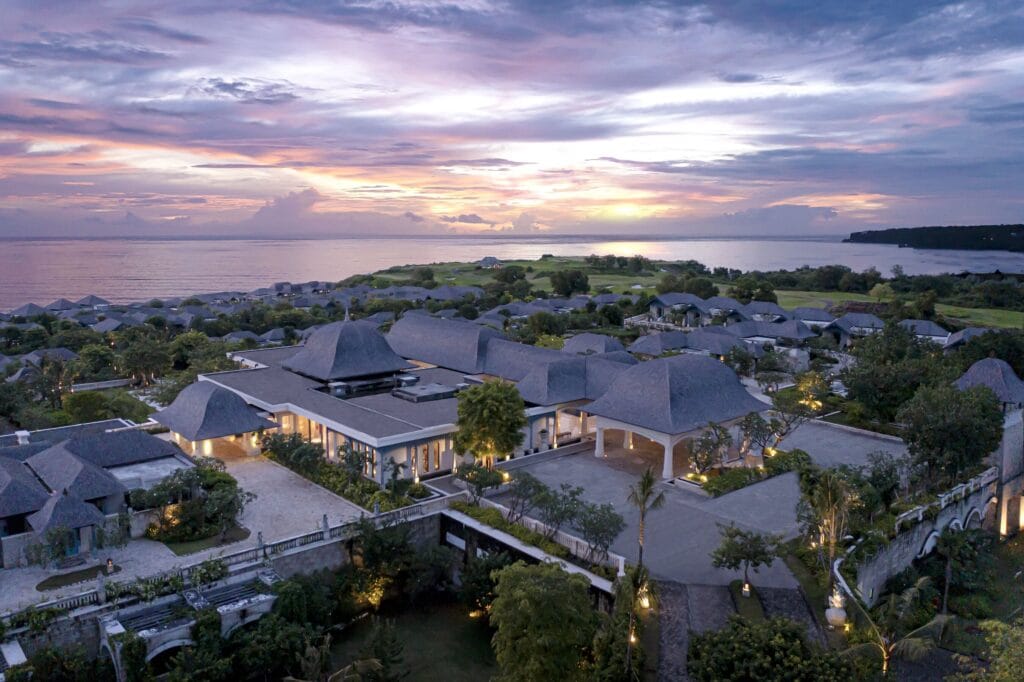 IndonesiaBaliAn island of water temples and rice terraces, with Ubud’s river valleys, the Bukit cliffs and Seminyak’s beach strip each holding a distinct set of hotels and restaurants.Explore Bali →
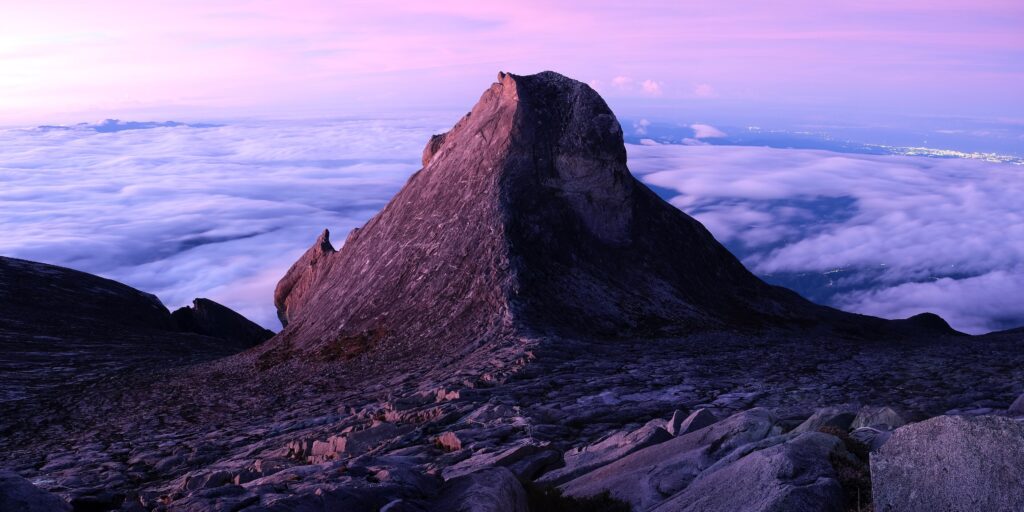 IndonesiaBorneoThe world's third-largest island, with Sabah's islands, rainforest and Mount Kinabalu, and the Niah Caves of Sarawak.Explore Borneo →
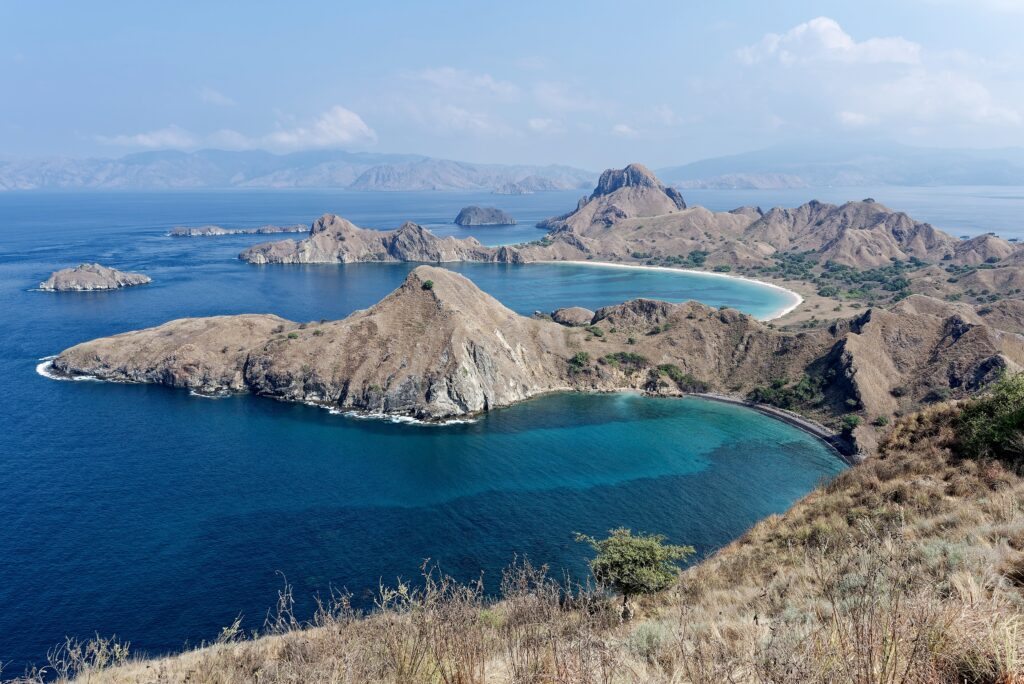 IndonesiaKomodo & FloresThe islands of the Komodo dragon and their reefs, reached from Labuan Bajo, with the volcanoes and villages of Flores beyond.Explore Komodo & Flores →