The Seto Inland Sea: Art Islands, the Shimanami Kaido and a Ryokan on Ikuchijima
Naoshima, Teshima and Inujima for art, the Shimanami Kaido by bicycle and a restored ryokan on Ikuchijima, with a route that links them.
Few places in Japan make art and landscape feel so inseparable as the Seto Inland Sea. Museums here are built into hillsides, former factories and village houses, and reaching them means taking a ferry across calm, island-studded water. The sea sets the pace, and a good trip leaves room for it.
Three islands, three kinds of museum
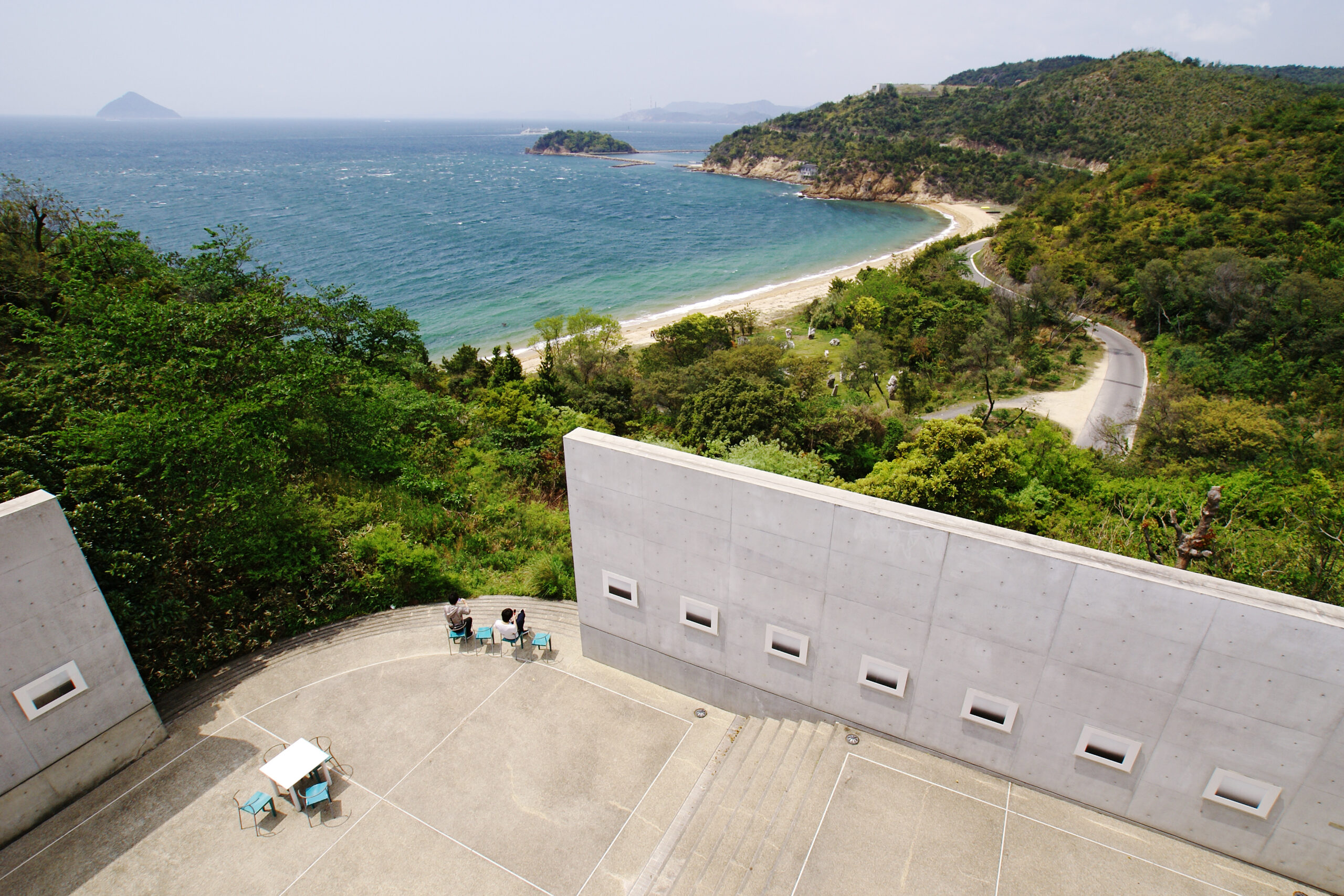
Naoshima is the centre of the art islands, and the easiest to reach. Benesse House, the Chichu Art Museum and the Lee Ufan Museum, all Tadao Ando buildings, sit in the south of the island, while the old village of Honmura holds the Art House Project, a series of empty houses turned into installations. Ando’s new museum of Asian art on the hill above Honmura opened in 2025. Allow at least a full day, and ideally a night, so that you see the museums early in the morning or after the day trippers leave. The route across Naoshima and Teshima shows how the islands connect by ferry.
Teshima is quieter and more austere. The Teshima Art Museum is a single, shell-like concrete room where water gathers in drops on the floor, and it is best visited at a quiet hour. Inujima, the smallest of the three, has a museum built into a ruined copper refinery, with a village of a few hundred people around it. Most visitors do Naoshima and Teshima together and add Inujima only with a spare day.
Plan the reservations first. Many of the main museums use timed online tickets, among them Chichu, the Lee Ufan Museum, Teshima Art Museum and parts of the Art House Project, and these can sell out. Book the timed ones first and fit the ferries around them.
When the Triennale is on
The Setouchi Triennale takes place every three years, in three short seasons in spring, summer and autumn, and spreads art across a dozen islands and ports, including Shodoshima, Megijima and Ogijima. It brings crowds, extra ferries and many temporary works. Outside festival years the islands are calmer, and the permanent museums are enough for a rewarding trip. Check the festival calendar before choosing dates, as accommodation fills quickly in festival seasons.
Cycling the Shimanami Kaido
The second half of the region is physical. The Shimanami Kaido runs for more than 70 kilometres from Onomichi, in Hiroshima Prefecture, to Imabari, in Ehime, crossing a chain of islands by bridge on a dedicated cycle route. Bikes can be rented at stations along the way and returned at another, and ferries and buses let you shorten the ride, so it can be done in a long day or spread over two. The Shimanami Kaido by bicycle is the way to see the villages, citrus groves and boatyards that the bridges pass over.
Where to stay
The islands offer few hotels, and the choice shapes the trip. On Naoshima, Benesse House puts guests inside a museum, with the Terrace Restaurant and the sea outside. On the cycle route, Azumi Setoda, on Ikuchijima, is a ryokan in a restored 140-year-old compound on the old market street between the harbour and the Kosanji temple. Its bathhouse across the street is open to the public, and its dining is closer to good home cooking than to formal kaiseki. It is the natural halfway stop for cyclists, and a quiet base in its own right.
For a slower alternative, a cruise on the guntû links the islands by water, with stops chosen around the tide and the day’s light.
A route that works
Start on Naoshima for one night, add Teshima by morning ferry, then cross to the mainland at Okayama or Takamatsu. From there, go to Onomichi for the Shimanami Kaido, and finish at Azumi Setoda or in Imabari. The loop takes five to six days and ends within reach of Osaka and Hiroshima. A shorter version keeps to Naoshima and Teshima over two nights.
Sources: Benesse Art Site Naoshima: Museum reservations; Japan National Tourism Organization: Cycling the Shimanami Kaido; Tokyo Weekender: Setouchi Triennale 2025; Material Source: Azumi Setoda. Check the official websites for current information.
Experiences
Experiences in Seto Inland Sea
Journal