Mekong Delta
Vietnam · Southeast Asia
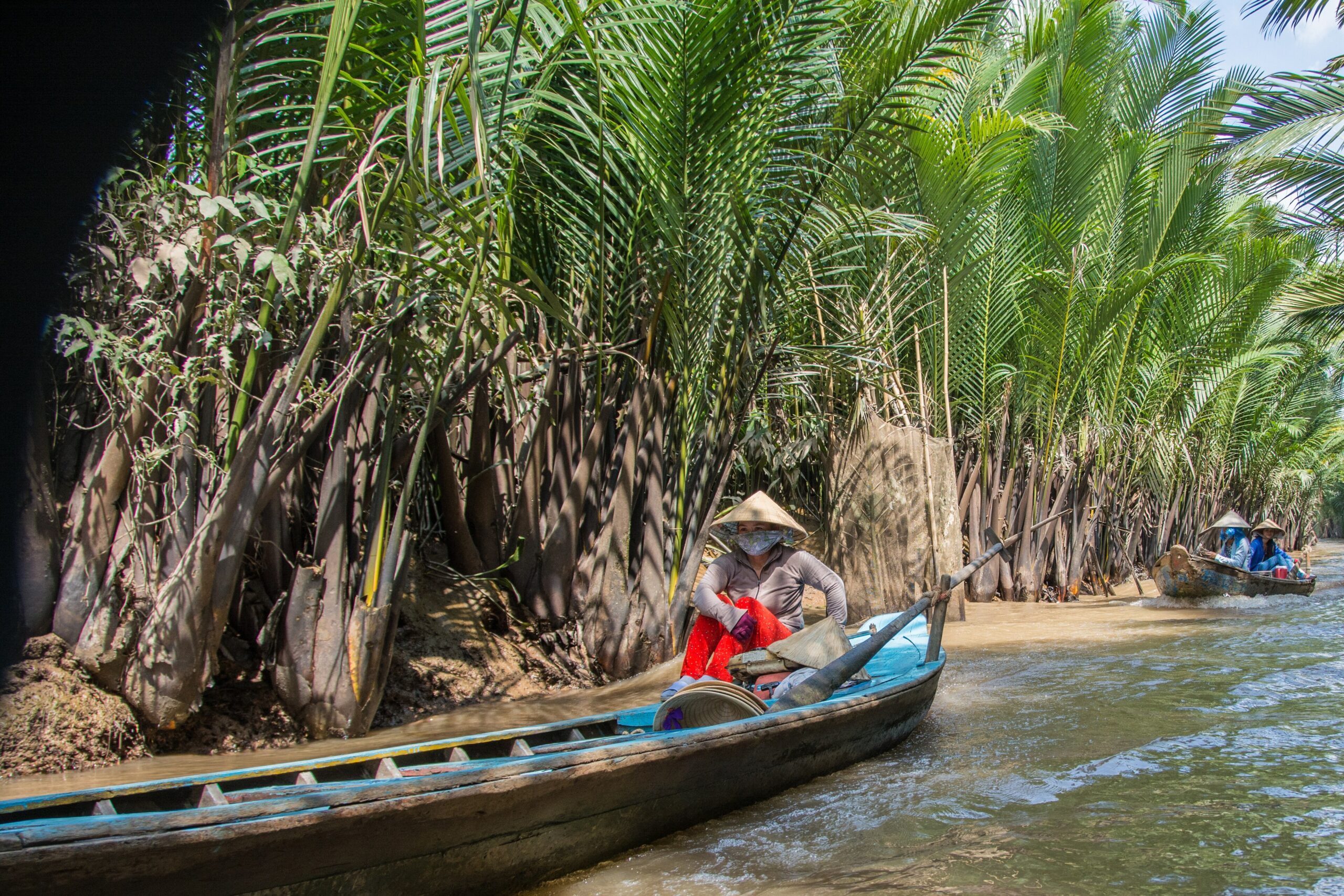
The rice-growing river region of southern Vietnam, organised around Can Tho, its floating markets and orchards, with a villa resort on an islet in the Hau River.
Photo: Esin Üstün / Wikimedia Commons CC BY 2.0 Resized
Why visit
Why visit Mekong Delta
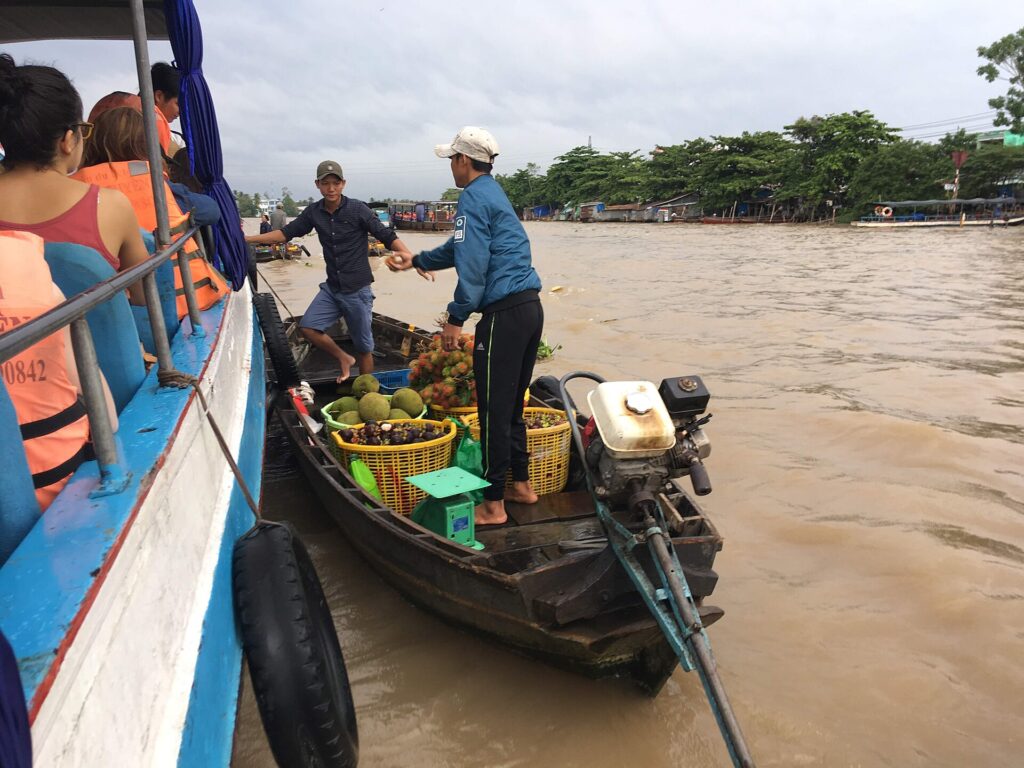
Go for the river itself, the last stretch of the Mekong before the sea. In the delta the day begins on the water: Cai Rang floating market starts around 5 a.m., and being on a boat before 6 a.m. gives you the morning mist and the busiest trading. Around Can Tho, short boat or motorbike trips pass fish ponds, fruit orchards and canals.
The region’s cooking, from hu tieu noodle soup at breakfast to dishes built on coconut, prawns and river fish, follows the same produce. Eating well here means eating what the water and the orchards supply that week.
Explore
What to see
Cai Rang and Phong Dien are the two major floating markets of Can Tho, held on wide stretches of river. Cai Rang is the larger and the one still worth rising early for; upriver, the old market at Cai Be has dwindled to a few boats.
In the villages, Sa Dec’s flower village is a walk among flower gardens. In Can Tho, the Ninh Kieu wharf lies on the east bank of the Hau River near the centre, and the Binh Thuy communal house holds a festival honouring the spirit of the land. Ben Tre is one of the delta towns closest to Ho Chi Minh City and can be visited on a day trip, in coconut country. At Chau Doc, Khmer and Vietnamese Buddhists visit the temples of Nui Sam.
Hotels
Where to stay in Mekong Delta
Choose between the city and the water. In Can Tho, the Ninh Kieu waterfront puts restaurants and the river promenade within walking distance. For the delta itself, Azerai Can Tho occupies a private islet in the Hau River facing the city and is reached only by boat.
Dining
Where to eat in Mekong Delta
On the islet, The Cafe at Azerai Can Tho serves Vietnamese specialities and international dishes. In the city, L’Escale Sky Garden & Lounge is a rooftop French restaurant overlooking the riverfront promenade, and the markets and noodle stalls along the river serve the local breakfast.
Experiences
Experiences in Mekong Delta

The Journal
Latest on Mekong Delta
Before you go
Practical information
Best time to visit
The dry season runs from December to April; March and April are virtually rain-free. The wet season covers summer and autumn, with September the rainiest month, and from September to November the river floods its low fields in what locals call the floating season. Fruit follows the calendar: mango, pineapple, tamarind and soursop from March to May, rambutan from May to July and longan to August. For Cai Rang, go early; in winter the markets feel more like working wholesale operations.
Getting around
Can Tho is 169 kilometres from Ho Chi Minh City, and many visitors reach the delta from there; Ben Tre can be done as a day trip. Within the delta, boats are the practical way to reach the markets and the islet. Check road and boat arrangements with your operator.
Practical notes
Market hours, boat availability and flood conditions vary, so confirm them with local operators. Temperatures stay warm all year, with highs near 30°C.
Continue exploring
More from Vietnam
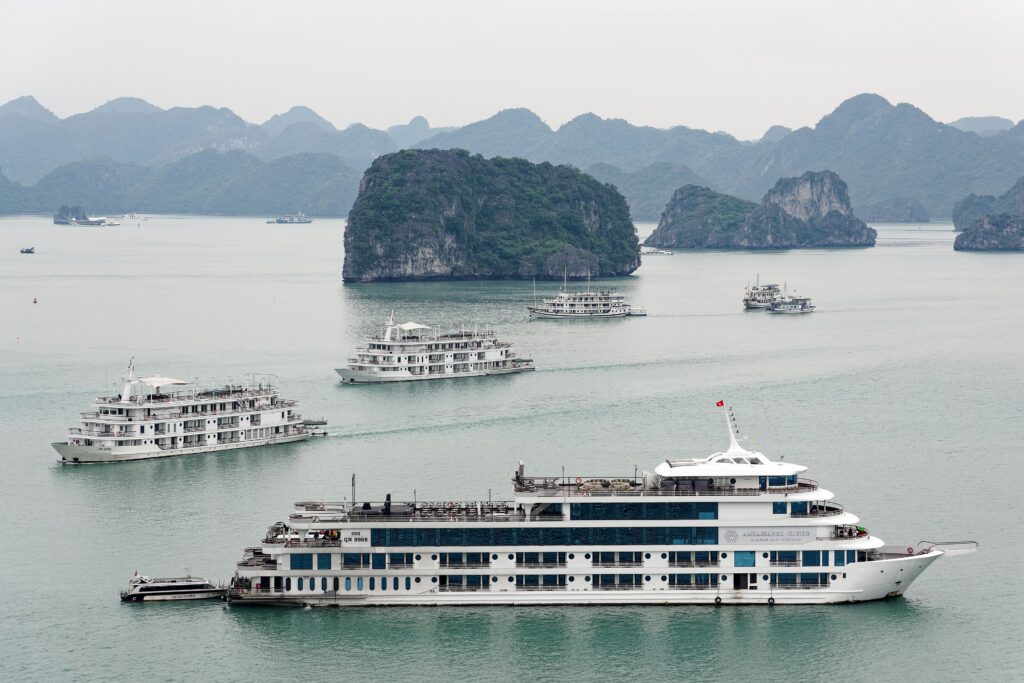 VietnamHa Long BayVietnam's limestone bay of towers and caves in Quang Ninh, a World Heritage site best seen on an overnight cruise.Explore Ha Long Bay →
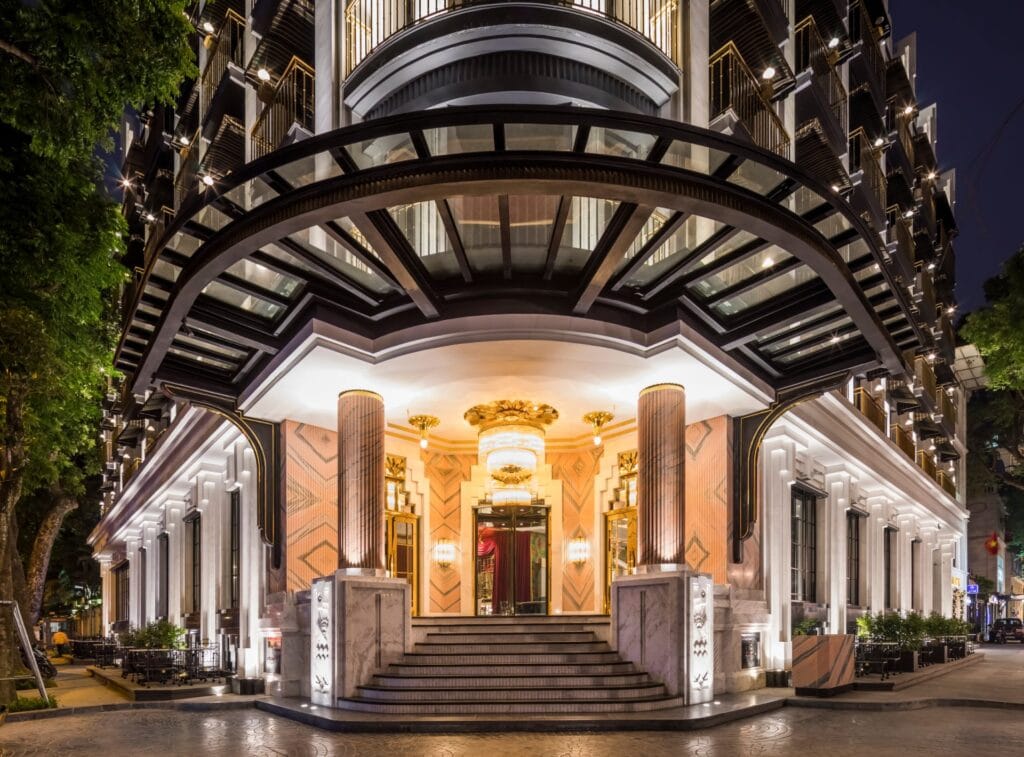 VietnamHanoiVietnam’s capital: a lakeside Old Quarter of trading streets, a French Quarter of colonial villas, the Metropole of 1901 and a citadel on UNESCO’s list.Explore Hanoi →
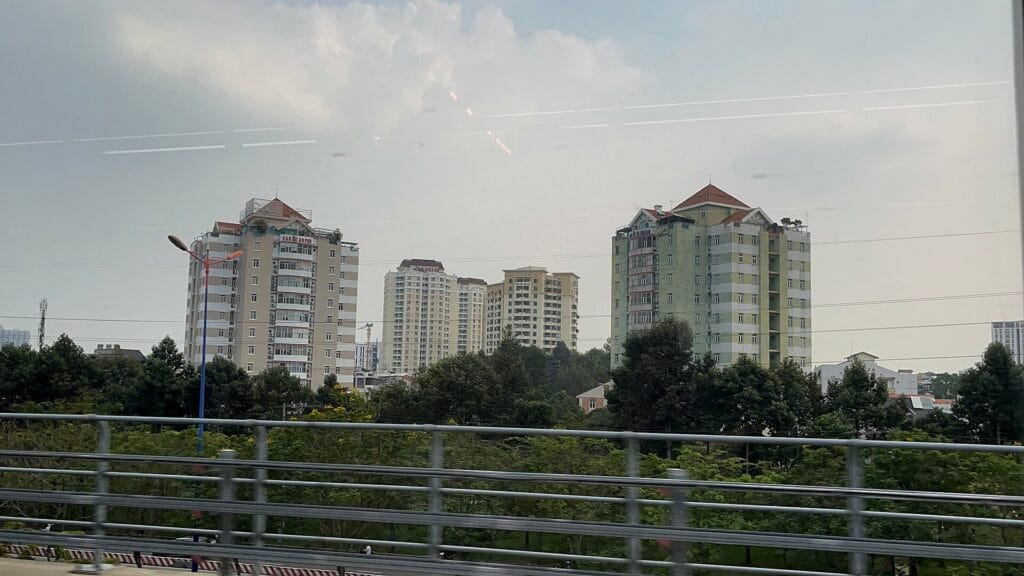 VietnamHo Chi Minh CityVietnam’s southern metropolis: French-colonial landmarks at the head of Dong Khoi, a new metro line, Michelin-listed street stalls and the gateway to the Mekong Delta.Explore Ho Chi Minh City →