Tokyo’s Fish Market Moves From Tsukiji to Toyosu
The wholesale market at Tsukiji closed on 6 October 2018 after 83 years, and Toyosu opened five days later. The tuna auction went with it. The lanes of the outer market stayed.
The wholesale fish market at Tsukiji, the largest in the world, closed on 6 October 2018. It had operated on the same site in central Tokyo for 83 years. Over the following five days some 900 businesses moved their stock, their tanks and their turret trucks two kilometres to the east, and on 11 October the new Toyosu Market opened.
Why it moved
Tsukiji opened in 1935, to replace the market at Nihonbashi destroyed in the earthquake of 1923. By the end of the century its sheds were cramped and out of date, with no refrigerated halls and open sides. The land beside Ginza was also among the most valuable in the city. Moving had been discussed since the 1950s. The traders and the metropolitan government agreed on it in 2000.
The site chosen at Toyosu, on reclaimed land in the bay, had been a gasworks. The soil and groundwater were found to be contaminated, and the cost of cleaning them, and public concern, delayed the move by two years beyond the planned date of 2016.
What Toyosu is
Toyosu is a different kind of place. The market occupies three large enclosed buildings, for the fish auctions, the fish wholesalers and the fruit and vegetable trade, kept at low temperatures and joined by covered walkways to a station on the Yurikamome line. It is considerably larger than Tsukiji.
Visitors no longer walk among the stalls. They follow raised corridors with windows on the trading floors. The tuna auction, which starts before six in the morning, can be watched in two ways. A long gallery on the upper floor looks down through glass and is open to anyone who arrives early. A smaller deck at floor level, behind a partial screen, lets the sound and the cold through, and is allotted by a lottery held a month ahead. The floor of the tuna hall is painted green so that buyers can judge the red of the flesh. A block of some forty restaurants, many of them moved from Tsukiji, serves sushi from breakfast time, with queues at the famous names.
What remains at Tsukiji
Only the wholesale market left. The outer market, a grid of narrow streets beside the old site, stayed where it was. Its four hundred shops sell dried bonito, seaweed, knives, crockery, tea, omelette on a stick and grilled seafood, and its small restaurants serve bowls of raw fish on rice. For most visitors it was always the more enjoyable half, and it is as busy as ever. Go before ten in the morning. Most shops close by early afternoon, and many are shut on Sundays and Wednesdays.
The site of the old market was cleared and is to be redeveloped in the 2030s, with a stadium at its centre.
For travellers
The two fit into one morning: Toyosu at dawn for the auction and breakfast, then Tsukiji for the shops. They are twenty minutes apart by bus or taxi. The hotels of Marunouchi and Ginza are closest; our guide to where to stay in Tokyo compares the districts. For the top of the city’s dining, see the Michelin Guide Tokyo 2026.
Continue
More from Tokyo
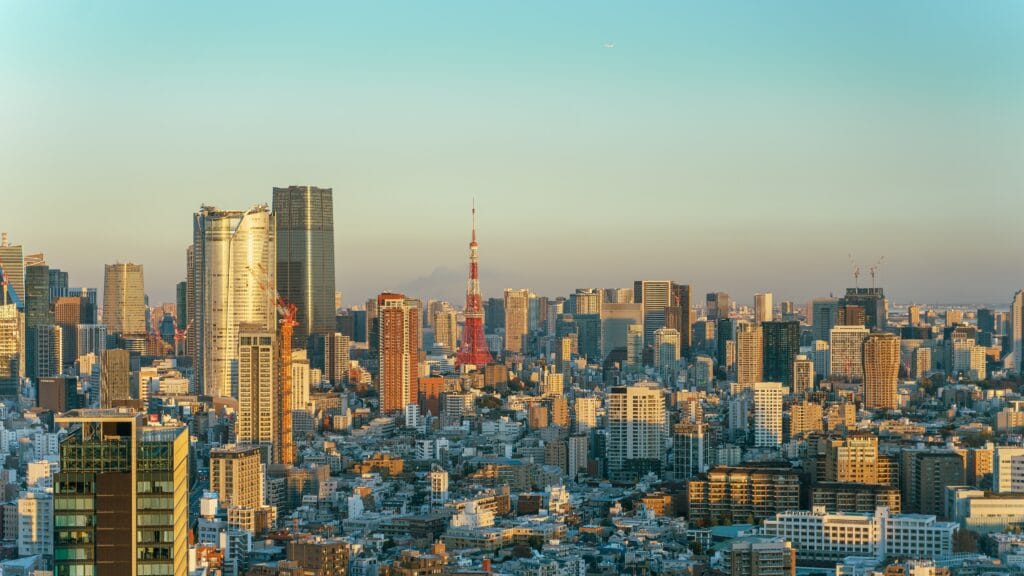 JapanTokyoA city of contrasts: dense business districts, historic shrines and quiet residential streets.Read →
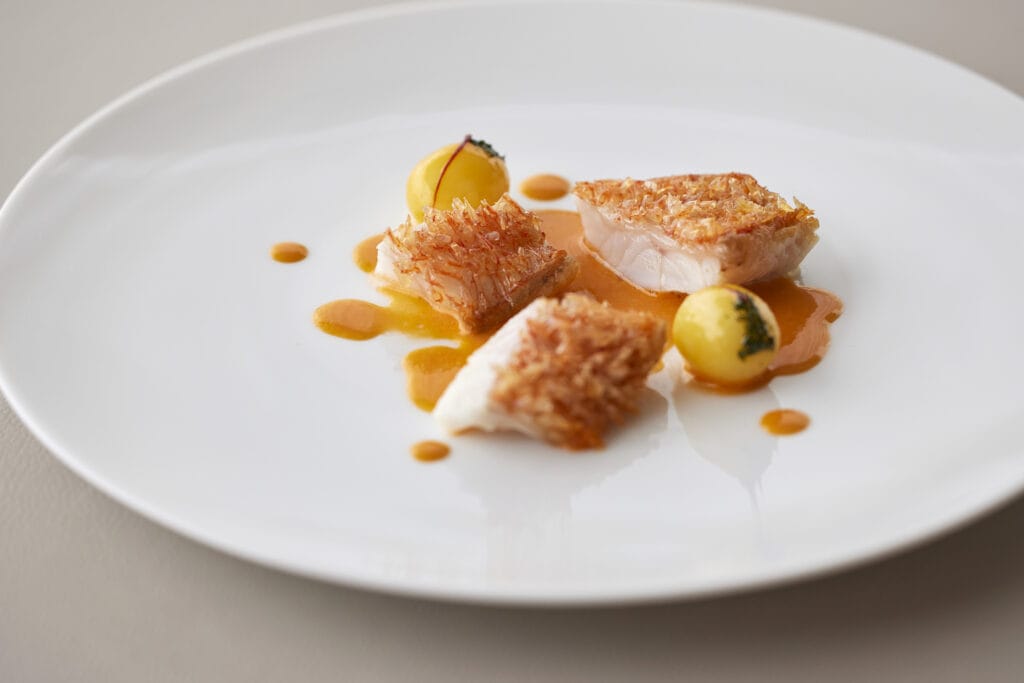 News · Food & DrinkSézanne Earns Three Michelin Stars in TokyoDaniel Calvert's French restaurant at Four Seasons Hotel Tokyo at Marunouchi moved up from two stars.October 17, 2024Read →
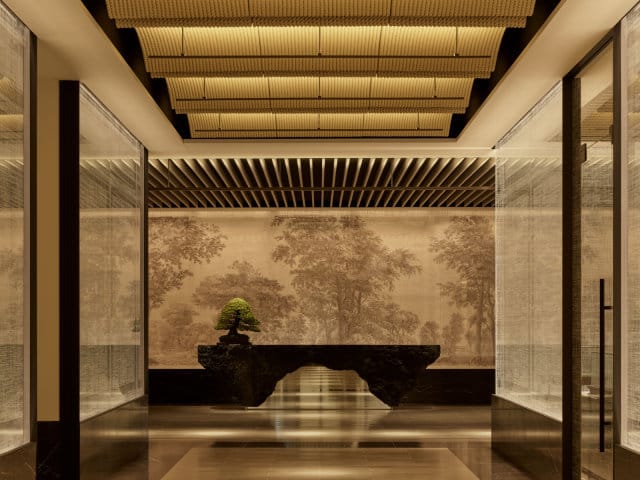 News · TravelJanu Tokyo, Aman’s First Sister Brand Hotel, OpensAman Group's more social brand arrives in Azabudai Hills with 122 rooms, eight places to eat and drink, and a 4.March 13, 2024Read →
 News · TravelBulgari Hotel Tokyo Opens Above Tokyo StationThe Roman jeweller's eighth hotel takes the top six floors of Tokyo Midtown Yaesu, with Niko Romito.April 4, 2023Read →