Thai Massage Joins UNESCO’s List of Intangible Cultural Heritage
UNESCO inscribed Nuad Thai on 12 December 2019, recognising a village healing practice that became a formal system of knowledge, and one of the best reasons to visit a Bangkok temple.
UNESCO inscribed Nuad Thai, traditional Thai massage, on its Representative List of the Intangible Cultural Heritage of Humanity on 12 December 2019. The decision was taken at the fourteenth session of the organisation’s intergovernmental committee, held in Bogotá. It was Thailand’s second entry on the list, after the Khon masked dance drama in 2018.
What was recognised
The inscription describes Nuad Thai as part of the art, science and culture of traditional Thai healthcare. It is a manual therapy without medicine. The practitioner uses hands, elbows, knees and feet to press and stretch the body, with the aim of clearing blockages along the sen, lines of energy believed to cross it. Hot herbal compresses are applied to reduce inflammation. The treatment is given on a mat, with the client clothed, and involves more stretching than rubbing.
UNESCO traces the practice to self-care in peasant society. Every village had massage healers, to whom people went with aching muscles after work in the fields. Over time that experience was organised into a formal body of knowledge, and it is now an occupation that supports a great many Thai families. The inscription notes two present-day forms, massage as therapy and massage for general health, and a national project begun in 1985 to revive and record the knowledge.
Wat Pho
The best-known home of the tradition is Wat Pho, the temple of the Reclining Buddha in the old city of Bangkok. In the nineteenth century King Rama III had medical knowledge, including diagrams of the body’s pressure lines, engraved on stone tablets set into the temple’s pavilions, so that it would be open to anyone. A massage school has operated in the temple grounds since the middle of the twentieth century. By the time of the inscription it was reported to have trained more than 200,000 therapists, working in some 145 countries.
For travellers
Massage is available on almost every street in Thailand, at every price. The difference lies in training. Wat Pho’s school gives treatments to visitors in simple pavilions and teaches short courses. At the other end of the range, hotel spas and the country’s destination retreats build whole programmes around it; our guide to Thailand’s three great wellness retreats explains how they differ. A traditional session lasts two hours. It can be vigorous, and it is reasonable to ask the therapist for lighter pressure.
Continue
More from Bangkok
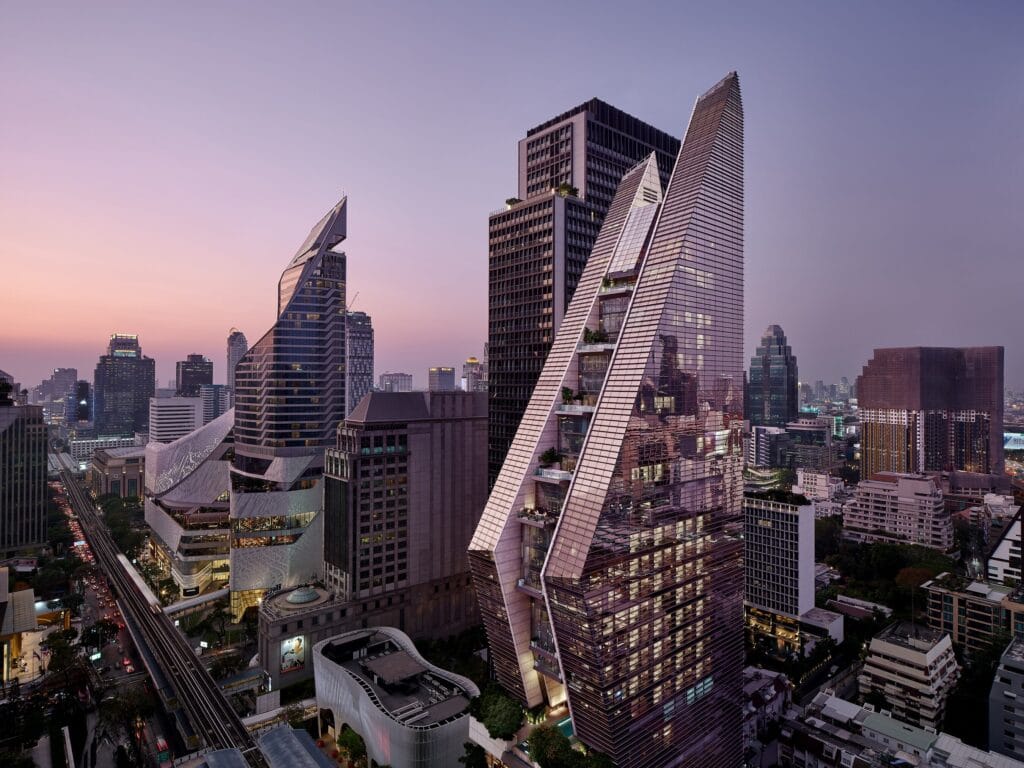 ThailandBangkokThailand's capital on the Chao Phraya, with glittering temples.Read →
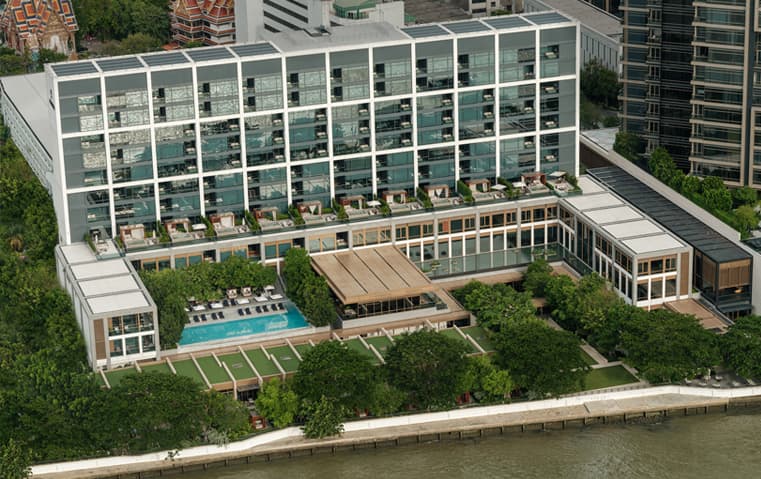 News · TravelCapella Bangkok No.2 in The 50 Best Hotels 2026Bangkok placed three hotels in the global top ten at the Paris ceremony.September 15, 2026Read →
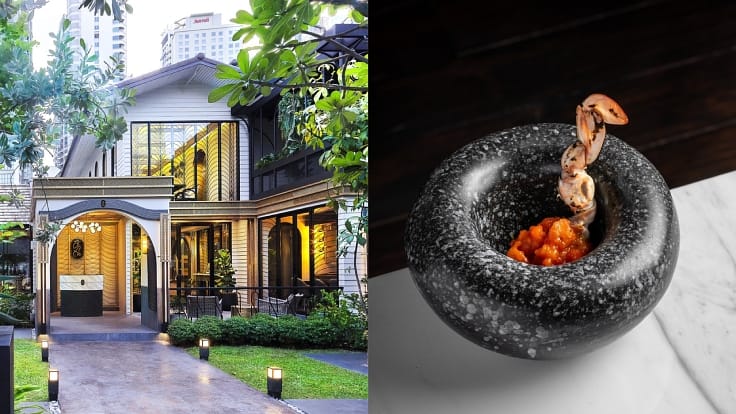 News · Food & DrinkSorn Becomes Thailand’s First Three-Star RestaurantThe MICHELIN Guide Thailand 2025 promoted Supaksorn 'Ice' Jongsiri's southern Thai restaurant to three stars.November 28, 2024Read →
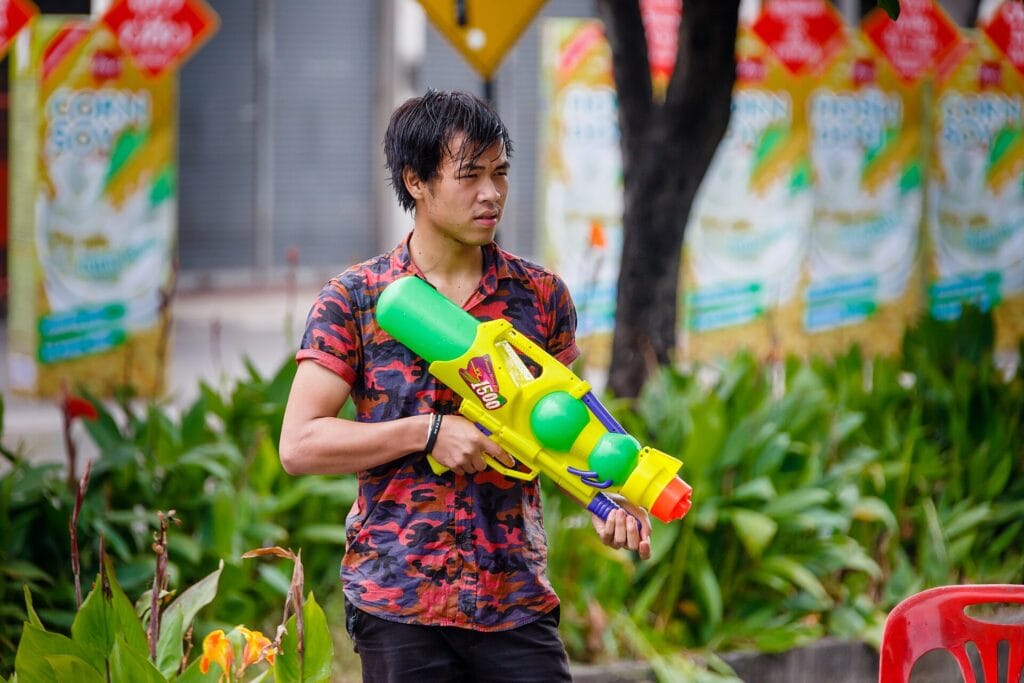 News · CultureSongkran Joins UNESCO’s List of Intangible Cultural HeritageThe Thai New Year festival was inscribed on 6 December 2023.December 6, 2023Read →