Siem Reap and Angkor: Three Days Among the Temples and Where to Stay
How to pace three days among the Angkor temples, and which Siem Reap hotel suits which kind of visit.
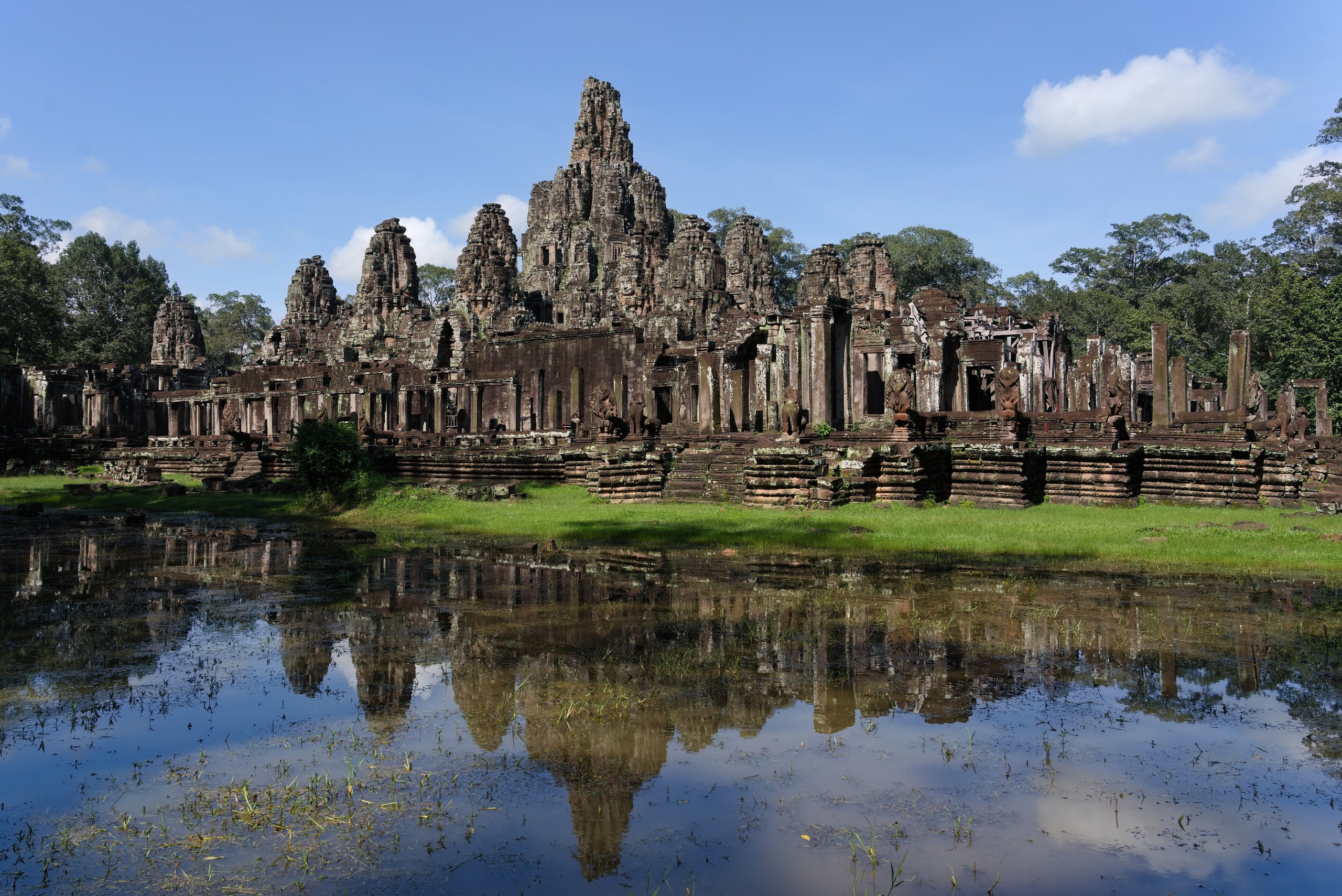
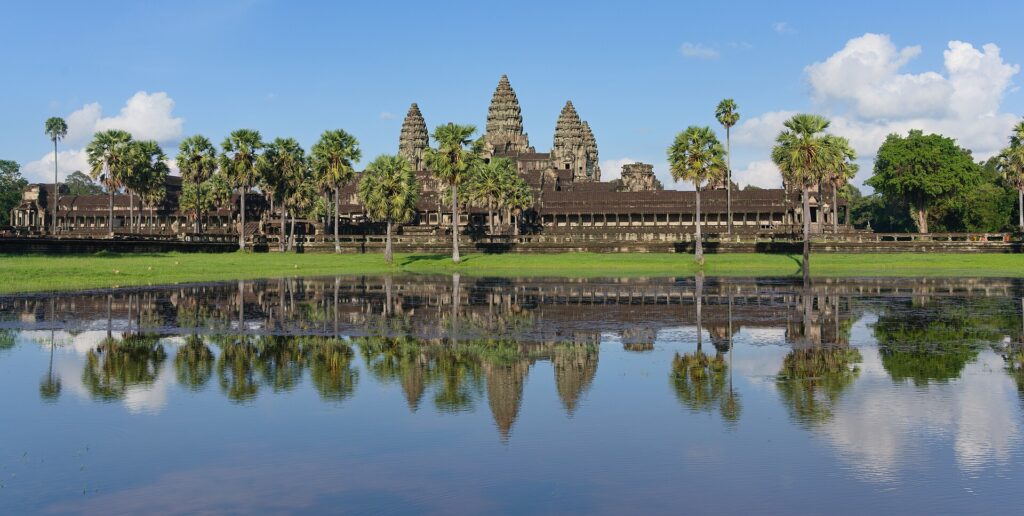
Photo: Satdeep Gill / Wikimedia Commons CC BY-SA 4.0 Resized
Angkor rewards a slow plan. Between the ninth and fifteenth centuries the Khmer kings built temples, reservoirs and city centres across a wide plain, and the sensible way to see them is in three short chapters rather than one exhausting day.
The first day: the small loop
Start with the monument everyone knows, but go before dawn. Angkor Wat, built by Suryavarman II in the first half of the twelfth century, reads best when its towers appear above the lotus pond in the half-light, and the east and south sides stay quieter later in the morning. Sunrise at Angkor Wat is the classic opening.
From there the day follows the small loop: Angkor Thom with the many-faced Bayon, the Baphuon and the Terrace of the Elephants, then Ta Prohm, where silk-cotton roots have swallowed the stone. Allow most of the day and break at midday, when the heat is at its worst.
The second day: the larger circuit
The grand circuit rewards a car or a driver. Banteay Srei, a small temple of pink sandstone carved with unusual delicacy, is the finest stop, and Preah Khan, a large, partly ruined complex with trees growing through its halls, gives the sense of Angkor before restoration. Pre Rup, Ta Som and Neak Poan fill out the route. Srah Srang, a large reservoir, is a good place for the evening light.
The third day: the quieter edges
Spend the last day further out. The Roluos group, with Preah Ko, Bakong and Lolei, belongs to the earliest Khmer capital and is usually empty. For a longer excursion, Kbal Spean offers a forest hike to carvings in a riverbed, and the remote sites such as Beng Mealea are the choice for a fourth day.
Where to stay
Siem Reap‘s hotels each suit a different kind of trip. Raffles Grand Hotel d’Angkor, designed by Ernest Hébrard and opened in the early 1930s, is the colonial-era grande dame. Park Hyatt Siem Reap occupies the former Hôtel de la Paix near the Old Market.
For something smaller, Shinta Mani Siem Reap is a ten-room hotel shaped by Bill Bensley, and for seclusion Amansara, a former royal guest residence on the road toward Angkor Wat, has a private feel unlike the town hotels.
For dinner in town, Cuisine Wat Damnak serves tasting menus in a traditional wooden house with a tropical garden. Its French chef, Joannès Rivière, has lived in Cambodia for more than twenty years, speaks Khmer and has written a cookbook on Cambodian cuisine.
By river
Angkor can also be reached by water, which suits travellers who prefer to arrive slowly: the Aqua Mekong cruise links Saigon and Siem Reap.
Sources: Travelling Han: Angkor Wat 3-day itinerary; Peace of Angkor: suggested itineraries. Check the official websites for current information.
Stay
Hotels in this guide
Experiences
Experiences in Siem Reap
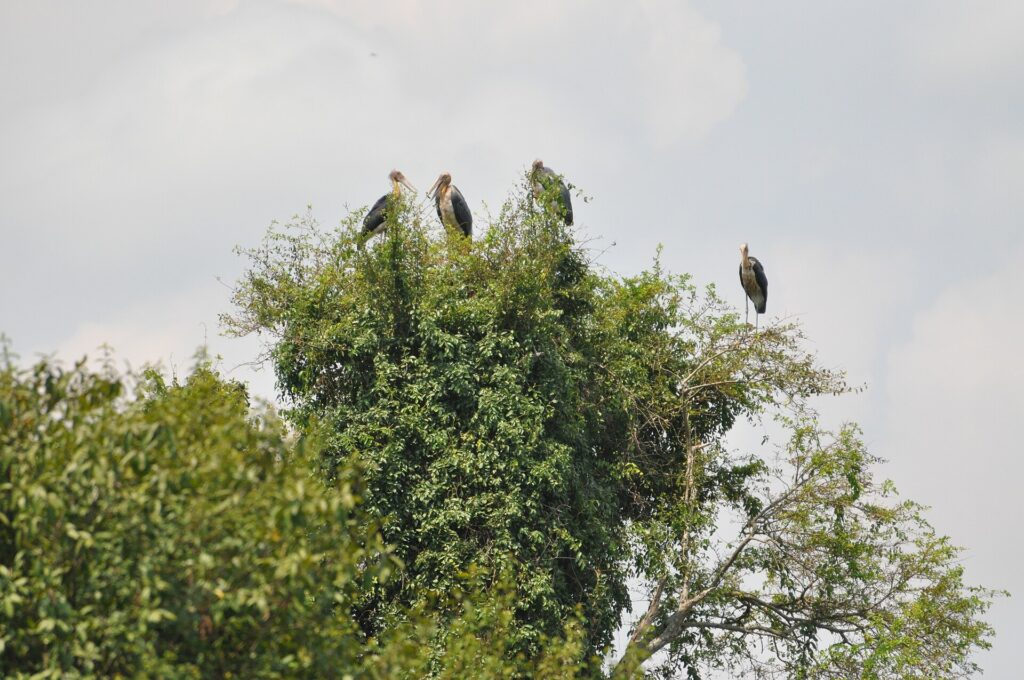 NatureSiem ReapWatch the waterbirds of Prek Toal on the Tonle SapA full day by boat from Siem Reap into the flooded forest of Prek Toal, among nesting storks.
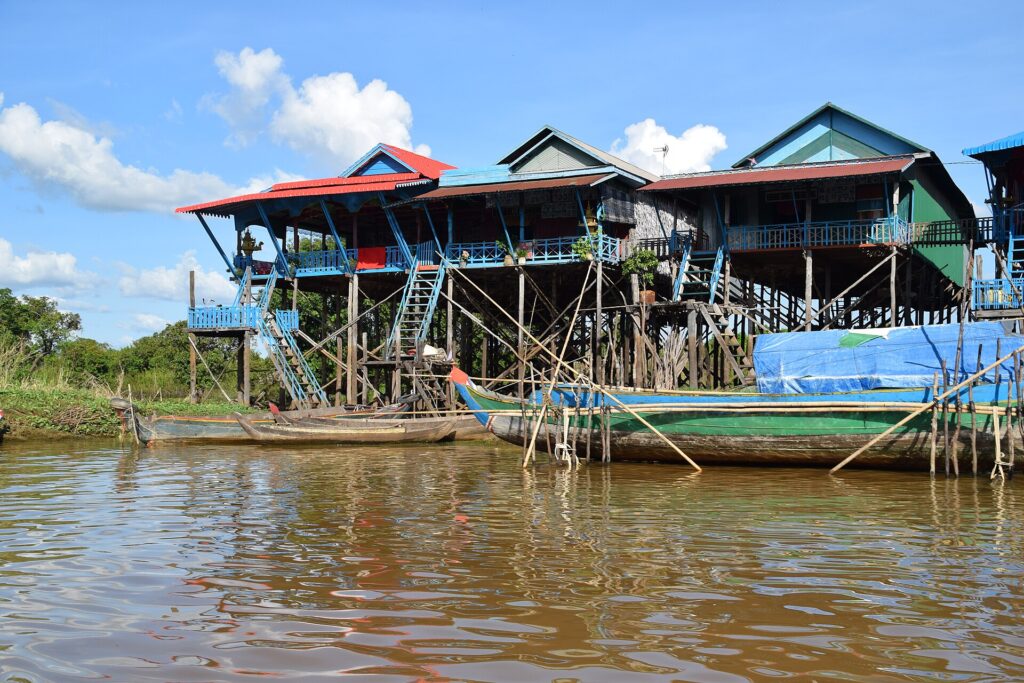 Cultural ImmersionSiem ReapTake a boat to the stilt villages of the Tonle SapA half-day boat trip from Siem Reap through a stilt village and flooded forest on the Tonle Sap lake.
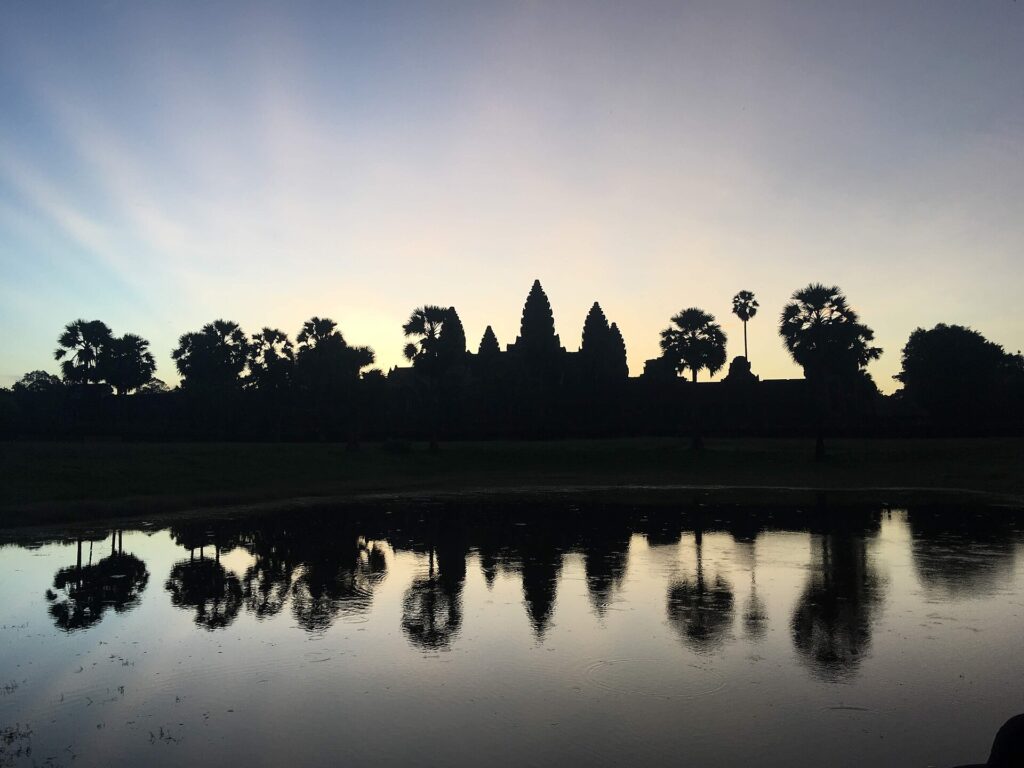 Cultural ImmersionSiem ReapSee sunrise at Angkor Wat, then walk its galleries while it is still earlyDawn at the pools in front of Angkor Wat, followed by the carved outer gallery while the morning is still early.
Journal
From the Journal
 Feature · TravelSiem Reap’s Grand Hotels: Raffles, Park Hyatt and Shinta Mani ComparedA colonial-era classic, a Bensley renovation and a ten-villa hideaway.October 8, 2026
 Feature · CultureAngkor Wat and Beyond: Planning Three Days Among the TemplesAngkor is a city of temples spread over hundreds of square kilometres of forest.October 8, 2026
 Feature · TravelAqua Mekong: A River Journey Between Saigon and AngkorA twenty-suite river ship with a crew of forty travels the lower Mekong between Vietnam and Cambodia all year.October 8, 2026