Tokyo’s Flagship Architecture: Ginza and Aoyama Compared
Cartier's granite and cedar screens, Hermès's glass blocks, Chanel's lit tower, Ginza Six's atrium and Prada's diamond-grid glass in Aoyama: a walking guide to Tokyo's flagship façades.
Ginza and Aoyama together hold some of the most studied shop buildings in the world. This guide takes them in the order a walk would.
Ginza
Cartier. The flagship reopened in October 2016 after two years of renovation, with a façade by Sylvain Dubuisson in two parts: dark granite below, inspired by Rue de la Paix, and above it shoji-style screens resembling Japanese cedar. See Cartier Reopens Its Ginza Flagship.
Hermès. Renzo Piano’s glass-block building on Harumi-dori is the most luminous, set out in Maison Hermès Ginza.
Chanel. Two buildings by Peter Marino, one of ten storeys with a glass façade that changes transparency, and a slender nine-storey tower; see Chanel’s two buildings in Ginza.
Ginza Six. The complex on the site of the former Matsuzakaya department store opened in April 2017 with space for up to 241 stores, a 4,000-square-metre roof garden and a Noh theatre. Our report is in Ginza Six Opens.
Aoyama
Prada. Prada Aoyama, the brand’s second Epicenter, opened in 2003 at Minami-Aoyama, designed by Herzog & de Meuron. Its façade is a diamond-shaped grid filled with hundreds of glass panels, drawing on the shapes of crystals.
Where to stay
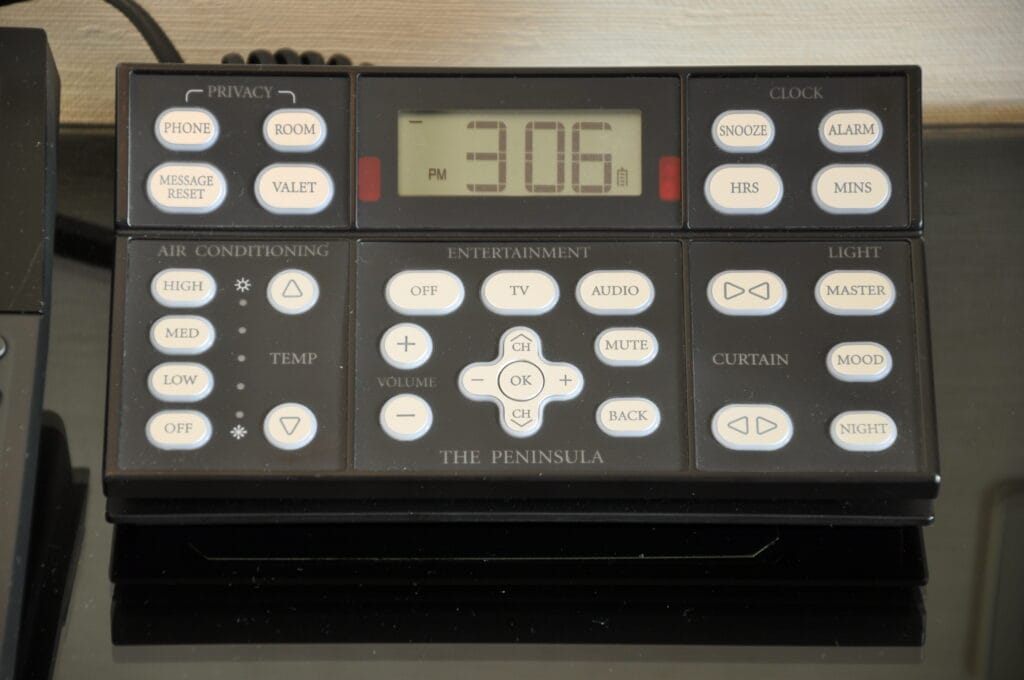
The Peninsula Tokyo, at the edge of Ginza, is the choice for shopping; the rest of the city’s hotels are set out in where to stay in Tokyo, district by district.
Continue
More from Tokyo
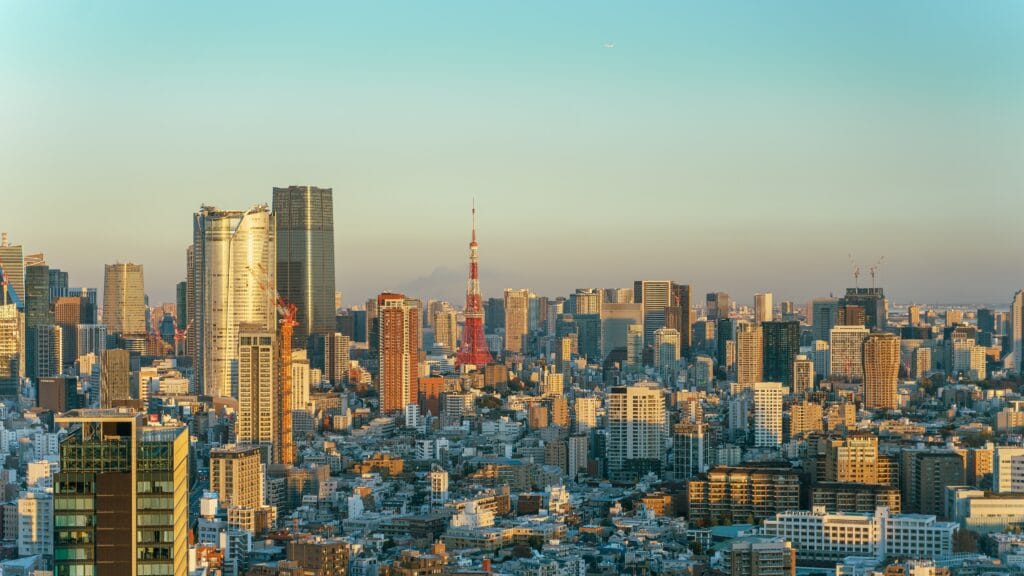 JapanTokyoA city of contrasts: dense business districts, historic shrines and quiet residential streets.Read →
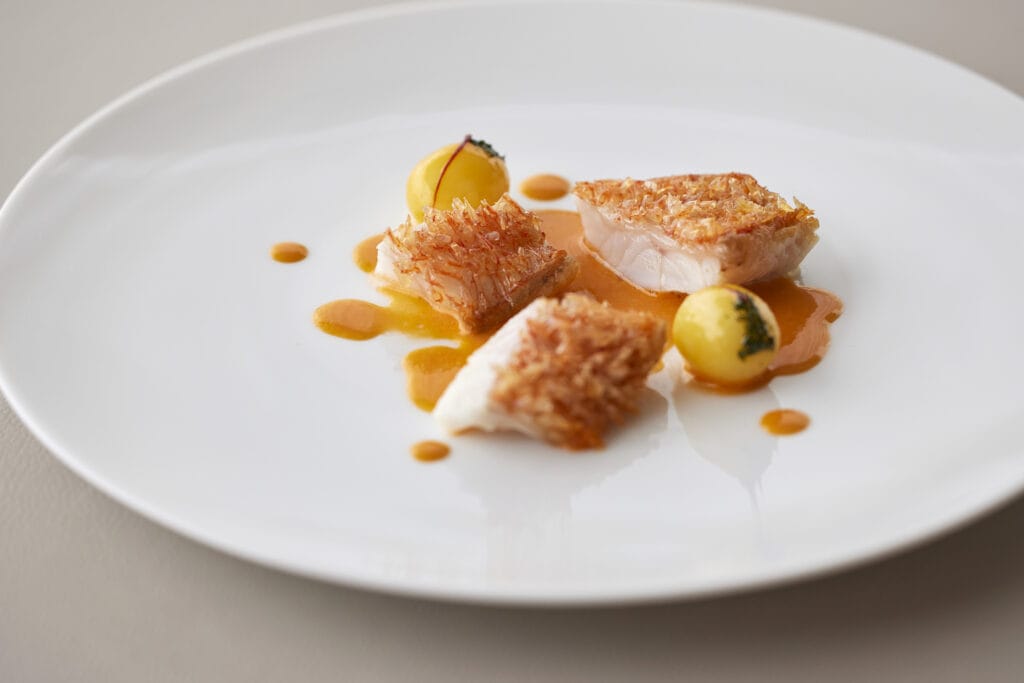 News · Food & DrinkSézanne Earns Three Michelin Stars in TokyoDaniel Calvert's French restaurant at Four Seasons Hotel Tokyo at Marunouchi moved up from two stars.October 17, 2024Read →
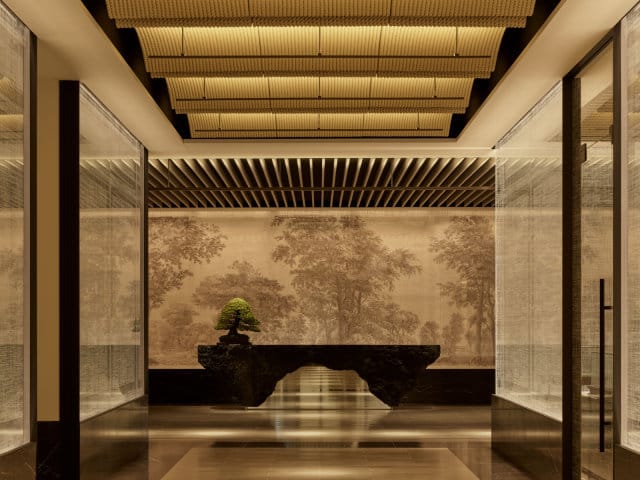 News · TravelJanu Tokyo, Aman’s First Sister Brand Hotel, OpensAman Group's more social brand arrives in Azabudai Hills with 122 rooms, eight places to eat and drink, and a 4.March 13, 2024Read →
 News · TravelBulgari Hotel Tokyo Opens Above Tokyo StationThe Roman jeweller's eighth hotel takes the top six floors of Tokyo Midtown Yaesu, with Niko Romito.April 4, 2023Read →