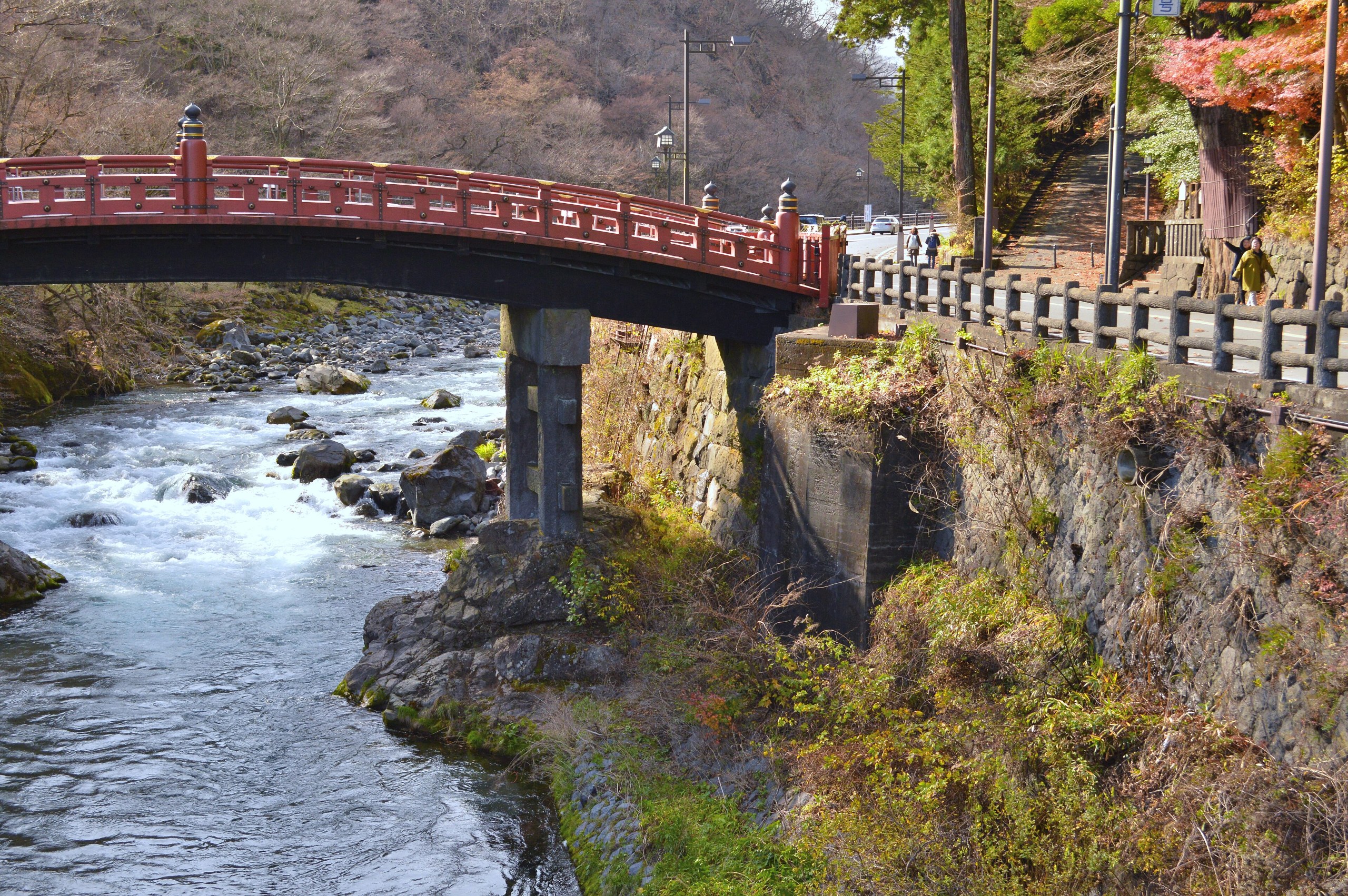
Nikko
Japan · East Asia
A mountain national park in Tochigi with Japan's most elaborate shogunal shrines, Lake Chuzenji, and two lakeside hotels.
Photo: Saigen Jiro / Wikimedia Commons
Why visit
Why visit Nikko
Go for the two scales of Nikko: a shogunal mausoleum carved and gilded among cedars and, up the mountain road, a lake at 1,269 metres with a waterfall, a moor and hotels on the shore. The pairing makes Nikko a good short break from Tokyo for travellers who want heritage and landscape together rather than a city stay.
Explore
What to see
The World Heritage site is described as two shrines and one temple: Nikko Toshogu, Futarasan Jinja and the Buddhist temple Rinnoji. Futarasan is one of Japan’s oldest Shinto shrines, tracing its origin to the first religious sites in Nikko in the eighth century. Rinnoji, with 15 sub-temples, succeeded Shihonryuji, founded by the mountain ascetic Shodo Shonin (735–817). All of it stands among cedars hundreds of years old.
Toshogu has more than fifty buildings linked by stone stairways through the forest. Its carved wooden sculptures, gold leaf and lacquer draw on nature and legend, and the best-known images are the Three Wise Monkeys and the Sleeping Cat above one of the gates. A walk from Toshogu to Rinnoji links the three parts.
Up the Irohazaka road, whose 48 numbered curves climb about 400 metres, Lake Chuzenji lies at 1,269 metres below Mount Nantai (2,486 metres). Kegon Falls drops 97 metres from the lake’s outlet, and a lift takes visitors down to the foot.
Hotels
Where to stay in Nikko
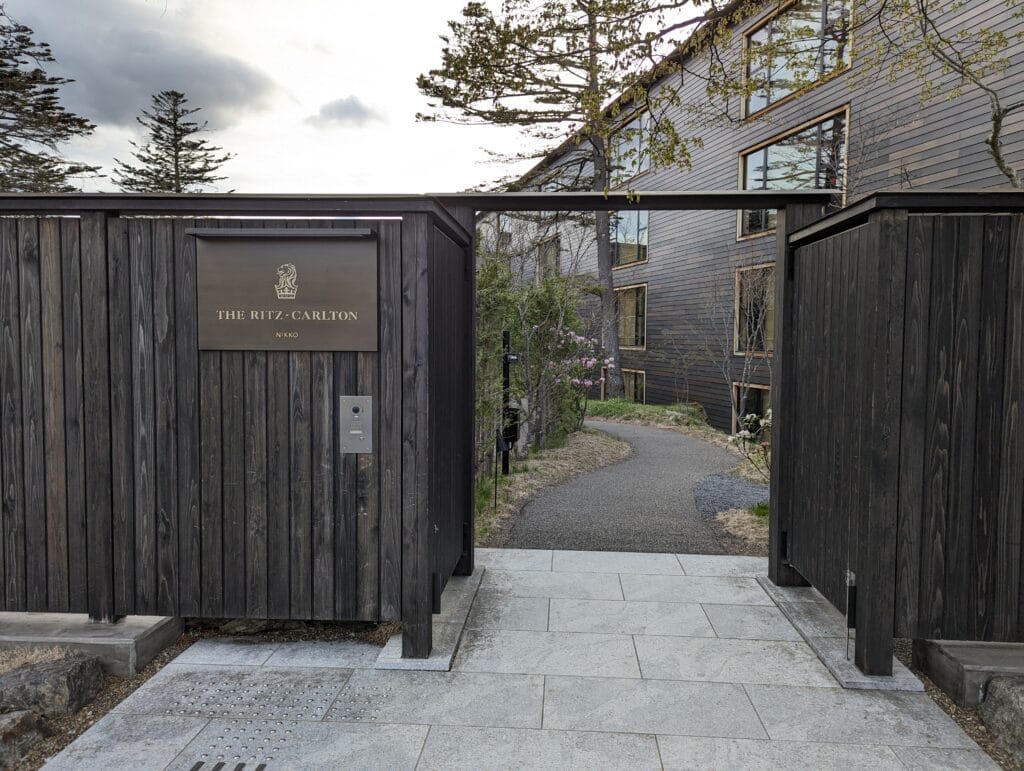
The choice is between the lake and the town. Both of the leading hotels stand on the shore of Lake Chuzenji. The Ritz-Carlton, Nikko opened in 2020 with 94 rooms and suites, each with a balcony and an engawa, the sitting porch of a Japanese house. It was the first Ritz-Carlton with its own onsen, supplied from Nikko Yumoto, and Nikken Sekkei designed its low stone-and-timber buildings.
Dining
Where to eat in Nikko
Dining is largely at the hotels. At the Ritz-Carlton there are two restaurants, The Japanese Restaurant and Lakehouse, and Chuzenji Kanaya’s Dining Room serves the traditional French cooking of the Kanaya hotels.
Experiences
Experiences in Nikko
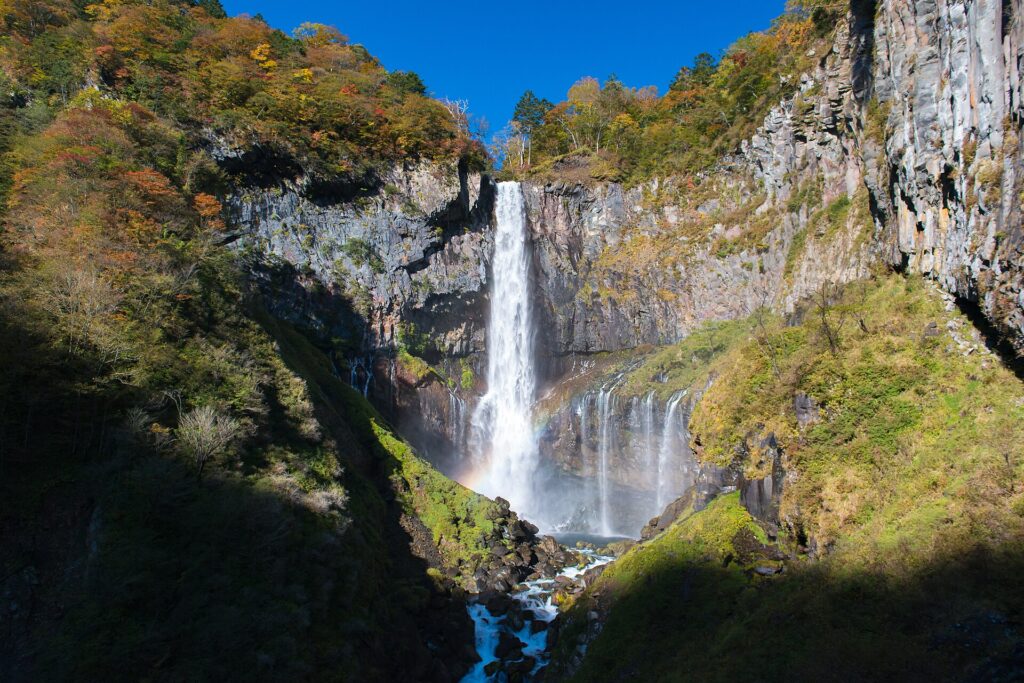 NatureSee Kegon Falls drop from Lake ChuzenjiA 97-metre fall from Lake Chuzenji, ranked among Japan's three most beautiful waterfalls.Explore →
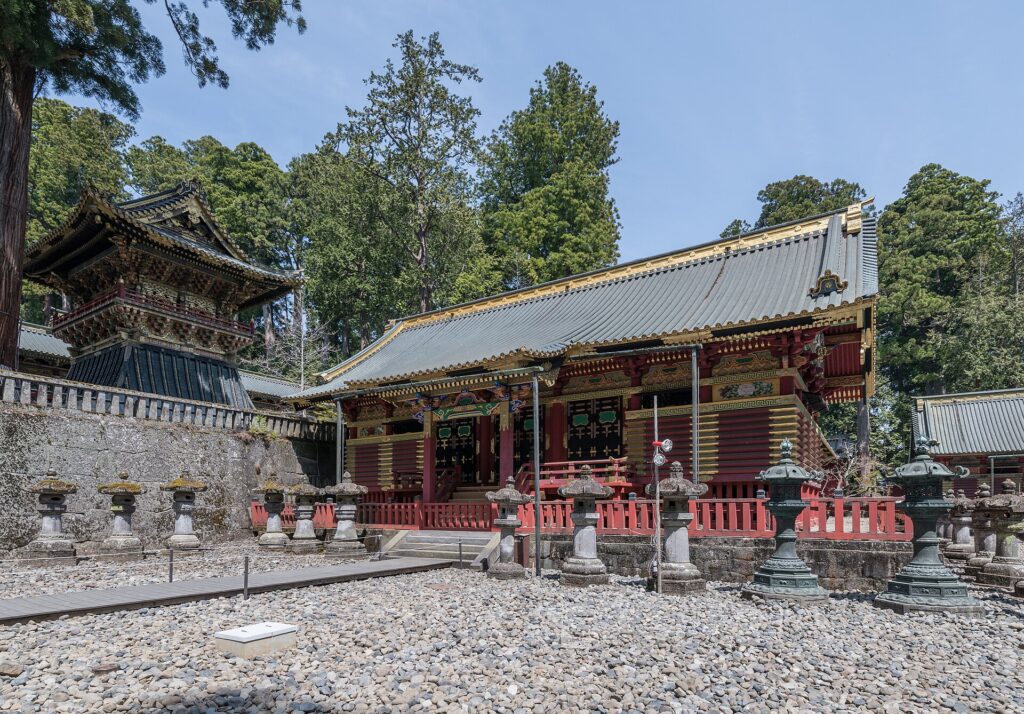 SpiritualWalk the shrines and temples of Nikko, from Toshogu to RinnojiA UNESCO World Heritage group of 103 shrine and temple buildings in the forests of Nikko.Explore →
Before you go
Practical information
Best time to visit
Lake Chuzenji sits at 1,269 metres, so it is cooler than Tokyo or the shrine area at the foot of the mountain. Check current road and weather conditions before travelling.
Getting around
From Tokyo, the Tobu-Nikko line runs from Asakusa; the limited express takes about 1 hour 50 minutes. From Nikko Station the shrine area is a five-minute bus or taxi ride, or a 20-minute walk, and buses link Nikko with Lake Chuzenji along the Irohazaka road. Check the operators for current timetables and passes.
Practical notes
Allow a day for the shrines and a separate day for Oku-Nikko. Opening arrangements and transport passes change, so rely on official sources.
Continue exploring
More from Japan
 JapanIse-ShimaA national park on Mie's Shima Peninsula, where Japan's most sacred shrine stands near the pearl rafts of Ago Bay and a hot-spring Aman.Explore Ise-Shima →
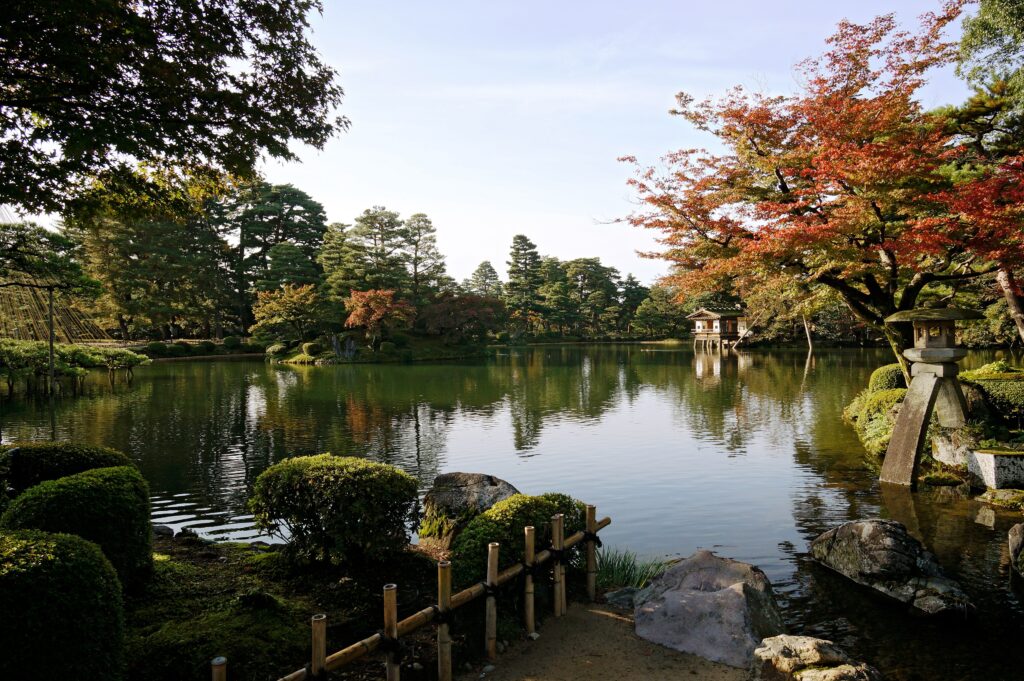 JapanKanazawaA feudal castle town that was never bombed: Kenrokuen garden, teahouse districts, gold leaf workshops and SANAA's 21st Century Museum, two and a half hours from Tokyo by shinkansen.Explore Kanazawa →
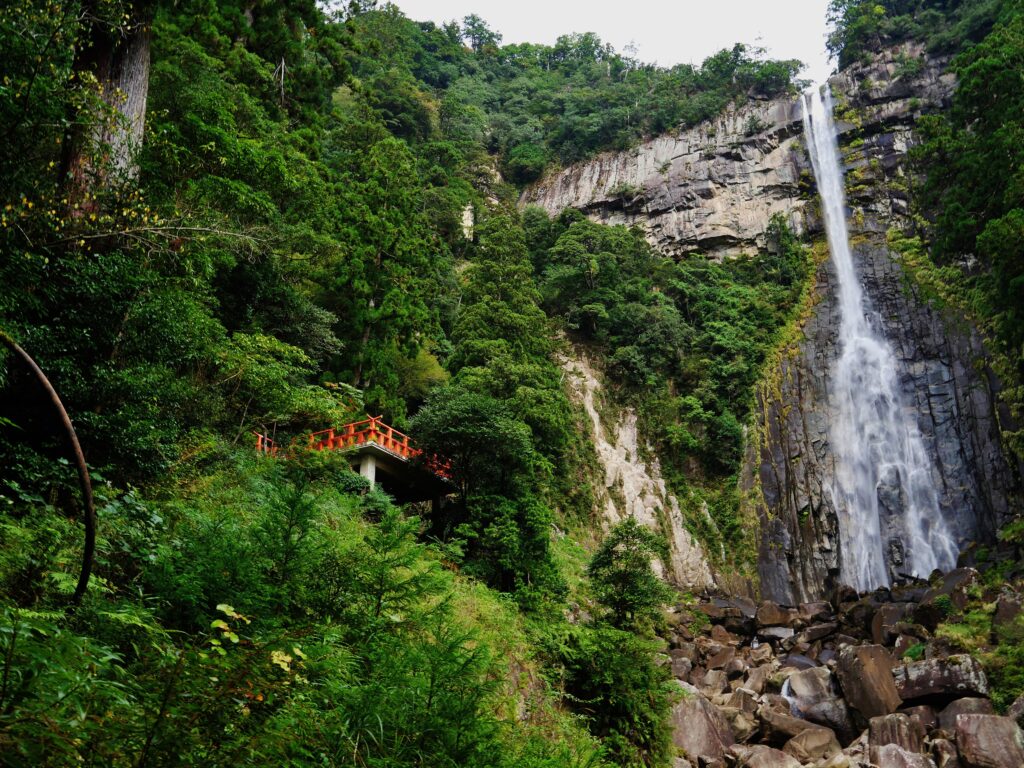 JapanKumanoThe Kii Peninsula's sacred mountains and pilgrimage routes: Nachi Falls, the Kumano shrines and a tuna-port ryokan on Nachi Bay.Explore Kumano →