Manila
Philippines · Southeast Asia
The Philippine capital: Intramuros and San Agustin, Binondo, the National Museum, Manila Bay sunsets, and the restaurants of Makati and a Michelin-starred new generation.
Photo: Vyacheslav Argenberg / Wikimedia Commons CC BY 4.0 Resized
Why visit
Why visit Manila
Go for a capital that tells a different Asian story. Manila is Spanish, Chinese, American and Malay at once: baroque churches, Chinese-Filipino shophouses, Art Deco theatres and glass towers, a Catholic city of fiestas facing a vast bay. It is demanding, crowded and hot, but rewarding for travellers interested in history, art and food, and it is the gateway to the islands of the archipelago.
Explore
What to see
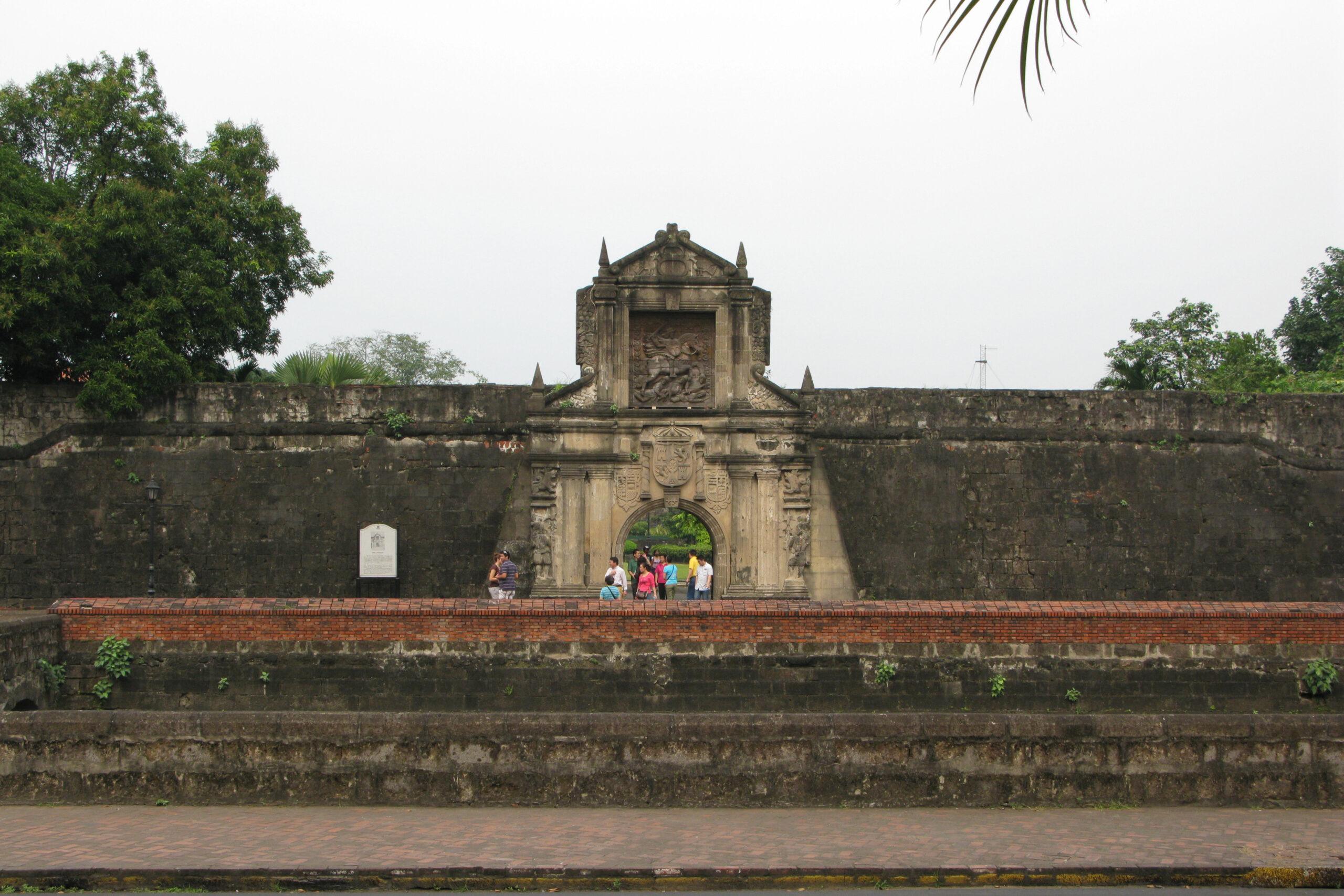
Intramuros: the walls and bastions of the Spanish city, Fort Santiago, where the national hero José Rizal was held before his execution in 1896, and San Agustin Church, completed in 1607, the oldest stone church in the country and part of the World Heritage site of the Baroque Churches of the Philippines. Rizal Park and the National Museum complex beside it, with the Museum of Fine Arts, home to Juan Luna’s monumental Spoliarium, the Museum of Anthropology and the National Museum of Natural History. Binondo, established in 1594 and often described as the oldest Chinatown in the world, and the Quiapo Church of the Black Nazarene. In Makati, the Ayala Museum’s dioramas of Philippine history and its gold collection. At the end of the day, the sunset over Manila Bay from the bayfront promenade.
Hotels
Where to stay in Manila
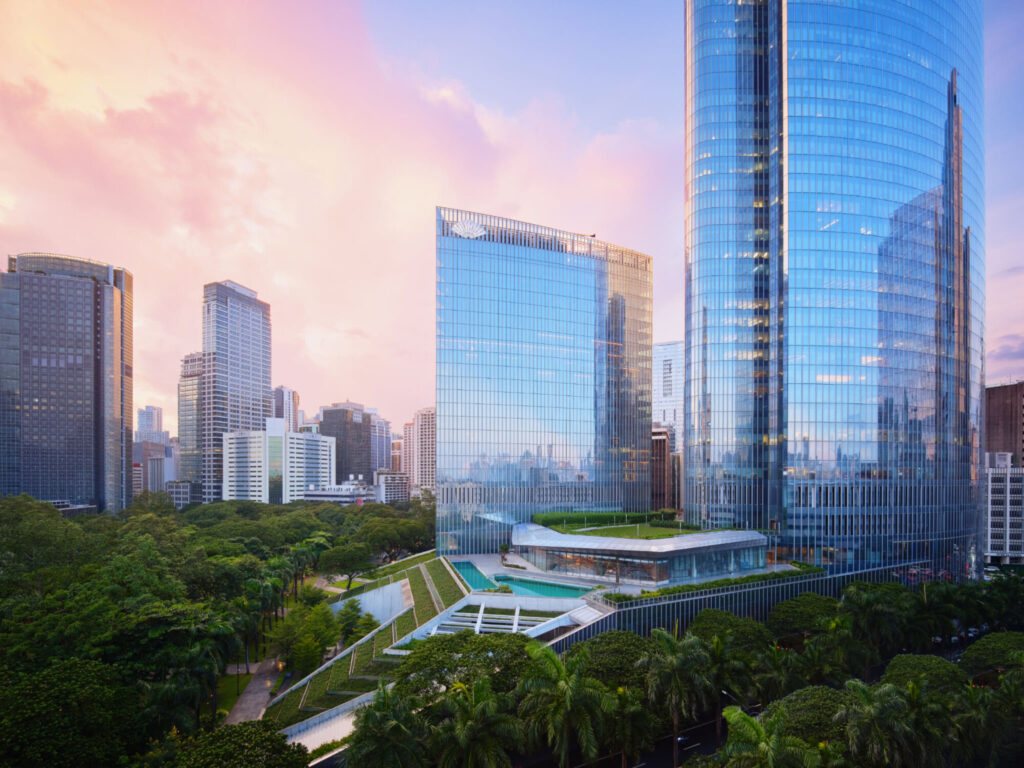
Most international-standard hotels are in Makati, in Bonifacio Global City and along the bayfront of Manila and Pasay. Mandarin Oriental, whose original Manila hotel closed in 2014, returned on 27 November 2026 with Mandarin Oriental Makati, Manila, a 275-key tower above Ayala Triangle Gardens; the background is in our report. Makati is the most practical base for dining and business; the bayfront is closer to the historic city.
Dining
Where to eat in Manila
Filipino cooking, from adobo and sinigang to kare-kare and lechon, has found a generation of chefs who treat it with ambition. The first Michelin Guide to Manila and Environs and Cebu, in October 2025, listed 108 restaurants and gave two stars to Josh Boutwood’s Helm in Makati, with eight one-star addresses. Binondo is the place for Chinese-Filipino food, from dumplings to hopia pastries, and Makati and BGC hold most of the city’s fine dining and bars.
The Journal
Latest on Manila
Before you go
Practical information
Best time to visit
December to February is dry and relatively cool, and the Christmas season, which in the Philippines begins in September, fills the city with lanterns. March to May is dry but very hot. From June to October the south-west monsoon brings heavy rain, floods and typhoons, which can disrupt travel for days.
Getting around
Ninoy Aquino International Airport, in Pasay, is the country’s main gateway, with flights across Asia and beyond. Traffic in Metro Manila is among the heaviest in the region: allow generous margins and travel outside rush hours where possible. Ride-hailing apps are the simplest way to move around; the LRT and MRT rail lines are useful for some routes, and the Pasig River ferry links several districts along the water. Intramuros and Binondo are best explored on foot or by bicycle. Check operators for current services.
Practical notes
Allow at least two full days, one for Intramuros, the museums and the bay, one for Binondo, Quiapo and Makati. Entry to the National Museum is free, with timed reservations at busy periods. The heat and humidity are constant: plan outdoor visits for the morning and late afternoon. Keep valuables out of sight in crowded areas.
Sources: UNESCO World Heritage Centre, Baroque Churches of the Philippines; National Museum of the Philippines; Intramuros Administration. Check the official websites for current information.
Continue exploring
More from Southeast Asia
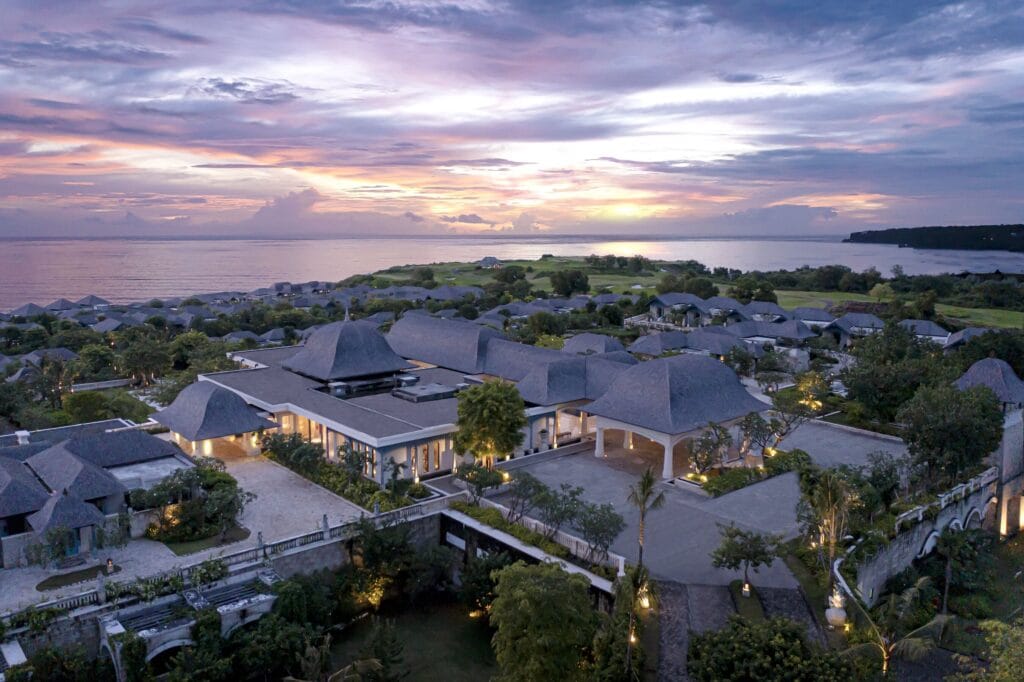 IndonesiaBaliAn island of water temples and rice terraces, with Ubud’s river valleys, the Bukit cliffs and Seminyak’s beach strip each holding a distinct set of hotels and restaurants.Explore Bali →
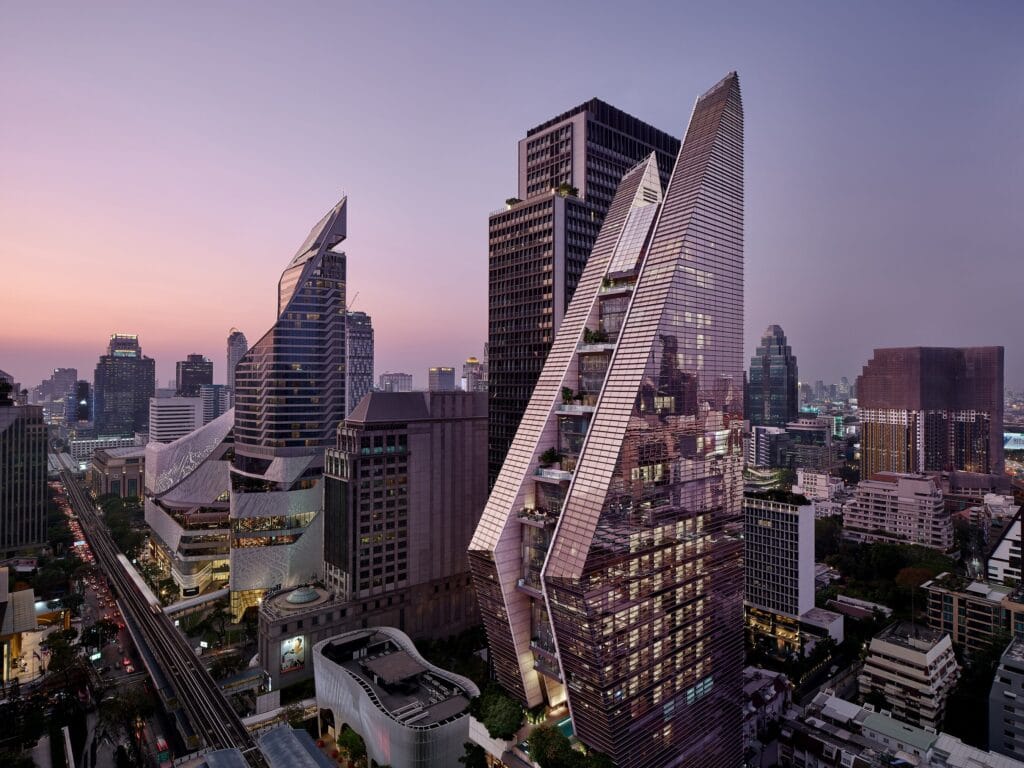 ThailandBangkokThailand’s river capital: the Grand Palace and Wat Pho on the east bank, Wat Arun opposite, a creative quarter along Charoen Krung and a restaurant scene that holds both of Thailand’s three-star kitchens.Explore Bangkok →
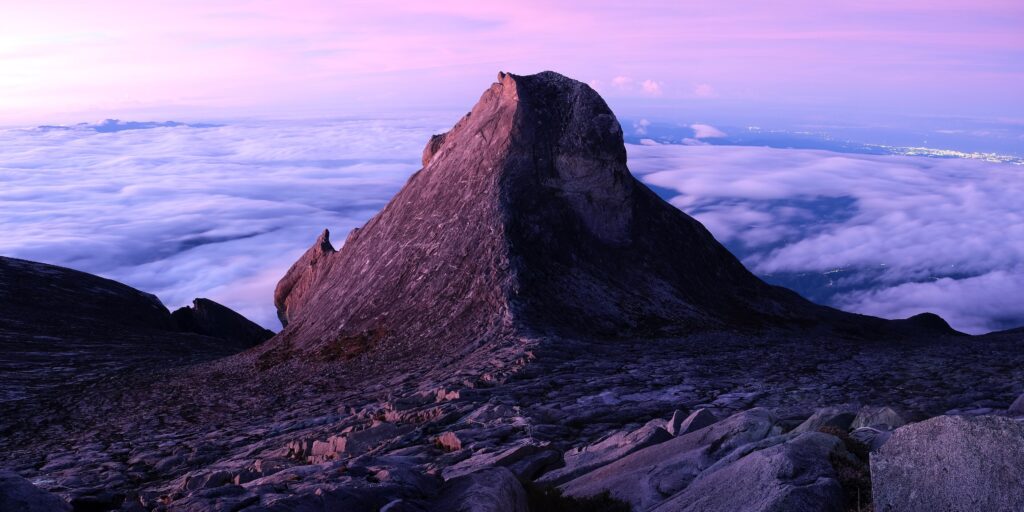 IndonesiaBorneoThe world's third-largest island, with Sabah's islands, rainforest and Mount Kinabalu, and the Niah Caves of Sarawak.Explore Borneo →