How the Michelin Guide Spread Across Asia, City by City
From Tokyo in 2007 to the Philippines in 2025, the red guide has moved through Asia one city at a time. A timeline of its arrivals, and what each first edition revealed.
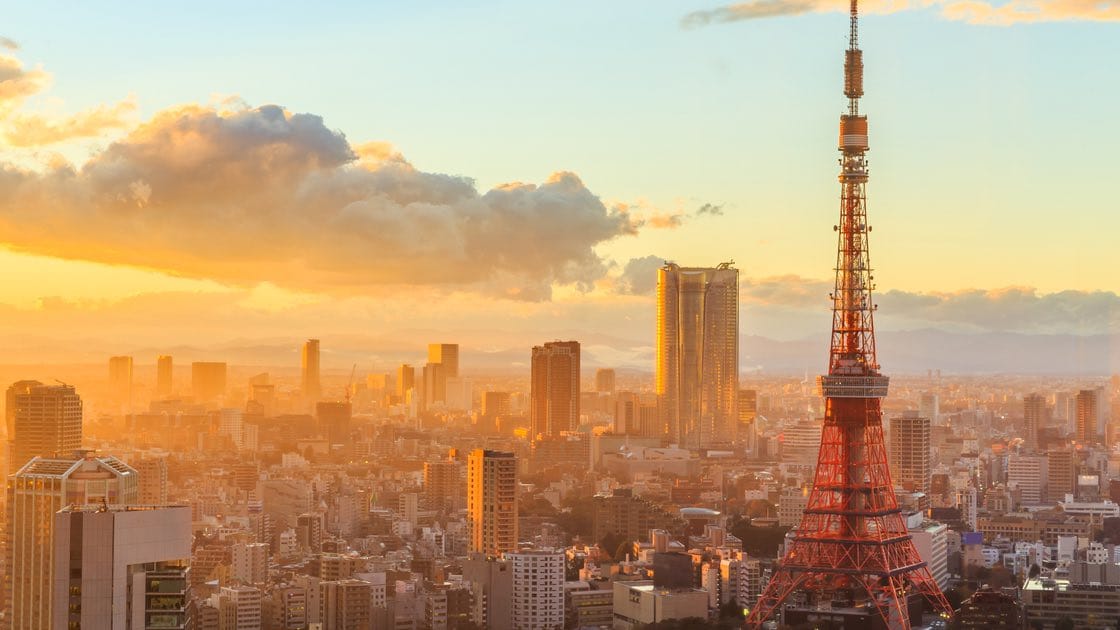 Photo: MICHELIN Guide Official source
The Michelin Guide was a European institution for its first hundred years. Its expansion into Asia began in 2007 and has not stopped. Each arrival followed the same script, with a ceremony, a list and an argument, and each said something about how the city saw its own food. This timeline gathers our reports on those first editions.
2007 to 2009: Japan, Hong Kong and Macau
The first Asian guide covered Tokyo and appeared in November 2007. It gave the city more stars than Paris and changed the guide’s own sense of where the world’s best restaurants were. Hong Kong and Macau followed at the end of 2008, and Kyoto and Osaka in 2009. For a decade these remained the only Asian editions. Their recent history is covered in our reports on the Tokyo, Kyoto and Osaka and Hong Kong and Macau selections for 2026.
2016: Singapore, Shanghai and Seoul
Three guides arrived within four months. Singapore, in July, gave stars to two hawker stalls and made headlines around the world. Shanghai, in September, was the first edition in mainland China and was criticised for favouring Cantonese cooking. Seoul, in November, gave its two top awards to traditional Korean restaurants.
2017 and 2018: Bangkok, Taipei and Guangzhou
Bangkok‘s first guide, in December 2017, is remembered for the star given to Jay Fai, a street-side cook in ski goggles. Taipei followed in March 2018 and Guangzhou in June, with a cautious list of eight one-star restaurants.
2019 to 2023: China’s interior, Malaysia and Vietnam
Beijing received its guide in late 2019, followed by Chengdu and Hangzhou. In South-East Asia, the guide reached Kuala Lumpur and Penang at the end of 2022 and Hanoi and Ho Chi Minh City in 2023. Korea’s edition added Busan in 2024.
2025 and 2026: the Philippines and the regional guides
The Philippines joined in October 2025. The most recent change is one of scale: guides that began with a single city now cover regions. Thailand’s edition extends from Bangkok to the north, the north-east and the south. Taiwan’s covers seven cities and counties. And in 2026 the Shanghai and Hangzhou guides were merged into a single edition for Shanghai, Jiangsu and Zhejiang.
What the pattern shows
Most of the newer guides are produced with the support of national or city tourism bodies, a fact Michelin acknowledges and critics often raise. The first edition in each city has tended to be conservative, weighted towards hotel restaurants and Cantonese or French cooking, and has corrected itself over time: local cuisines and younger chefs gain ground with each year. Three-star restaurants in Seoul, Bangkok, Shanghai and Taipei today are in most cases not those of the first lists.
For the traveller, the practical value lies less in the stars than in the Bib Gourmand lists, which in Singapore, Bangkok, Taipei and Guangzhou amount to a serious guide to street food and neighbourhood restaurants.