Nagano
Japan · East Asia
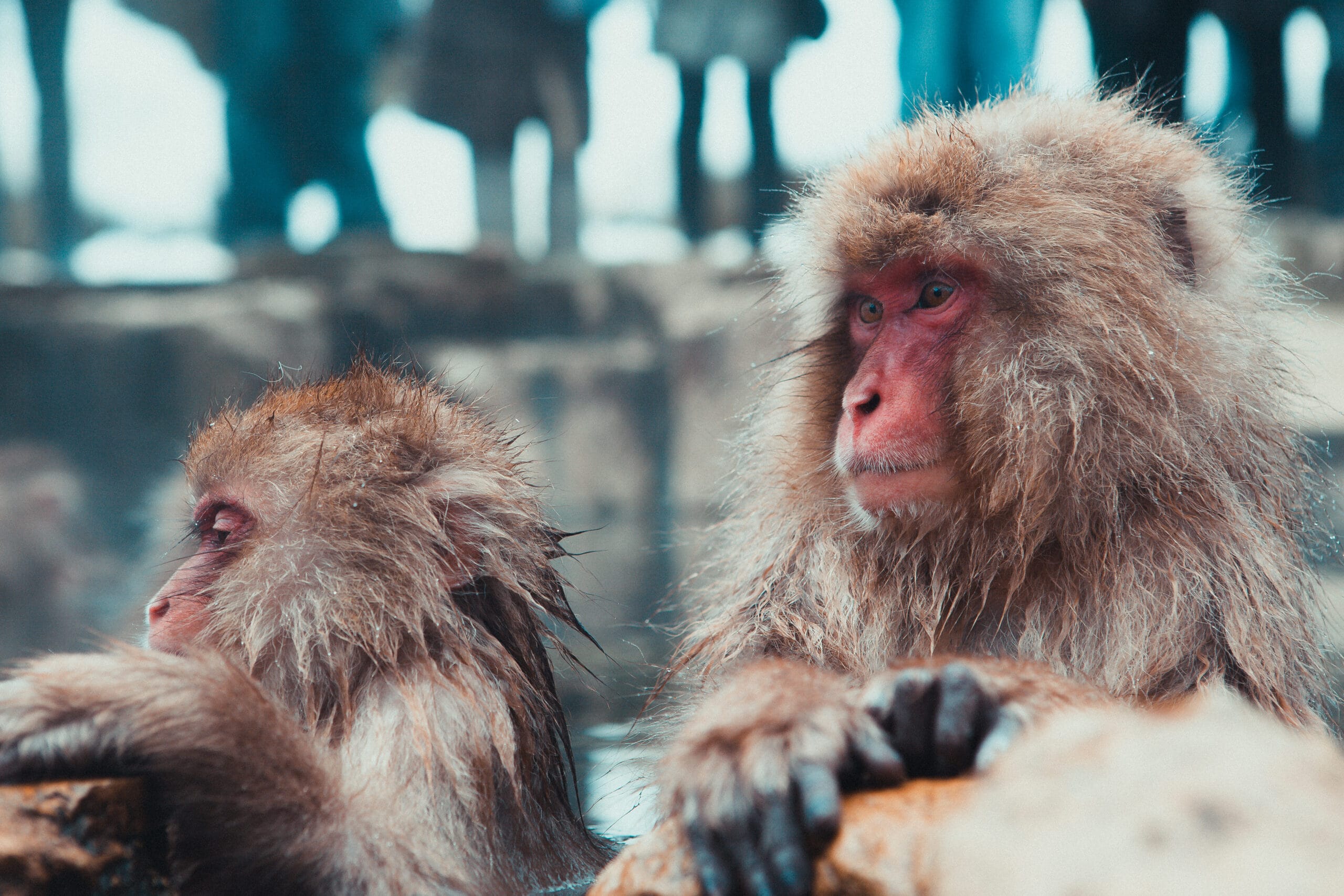
A mountain prefecture in the Japanese Alps, with hot-spring towns, a historic temple city and the wild snow monkeys of Jigokudani.
Photo: Jonathan Forage / Wikimedia Commons
Why visit
Why visit Nagano
Nagano is landlocked, mountainous and quietly spectacular. The prefecture sits in the Chūbu region of central Honshu, contains nine of Japan’s twelve highest mountains and takes in much of the Japanese Alps. It became known worldwide as the host of the 1998 Winter Olympics.
What makes it a good destination for a slow trip is the mix: snow and onsen in winter, high valleys and hiking in summer, castle towns and temples in between, all within reach of Tokyo by the Hokuriku Shinkansen.
Explore
What to see
Zenkō-ji, the great temple in Nagano city, and Matsumoto Castle, a national treasure, are the historic anchors. Kamikōchi is the best known of the alpine valleys. In the north, the hot-spring towns of Yudanaka and Shibu Onsen are the base for Jigokudani Monkey Park, where wild macaques bathe in the snow; the park lies about 45 minutes by bus from Nagano Station, followed by a walk. Obuse, with its small art museums and historic streets, and the Shiga Kōgen highlands are good additions.
Experiences
Experiences in Nagano
Before you go
Practical information
Best time to visit
Winter, from December to March, is the season for snow, skiing and the classic image of the snow monkeys bathing. Late spring and summer bring newborn monkeys and alpine hiking; late October and early November bring autumn colour.
Getting around
The Hokuriku Shinkansen connects Tokyo with Nagano. From Nagano Station, buses serve the northern onsen towns and the Jigokudani trailhead. In winter, allow extra time for snow and ice, and wear proper boots.
Practical notes
The currency is the Japanese yen. Winter paths can be icy, and boots or crampons are advisable on forest trails. Check opening hours and ticket arrangements with each attraction before travelling, as they change by season.
Continue exploring
More from Japan
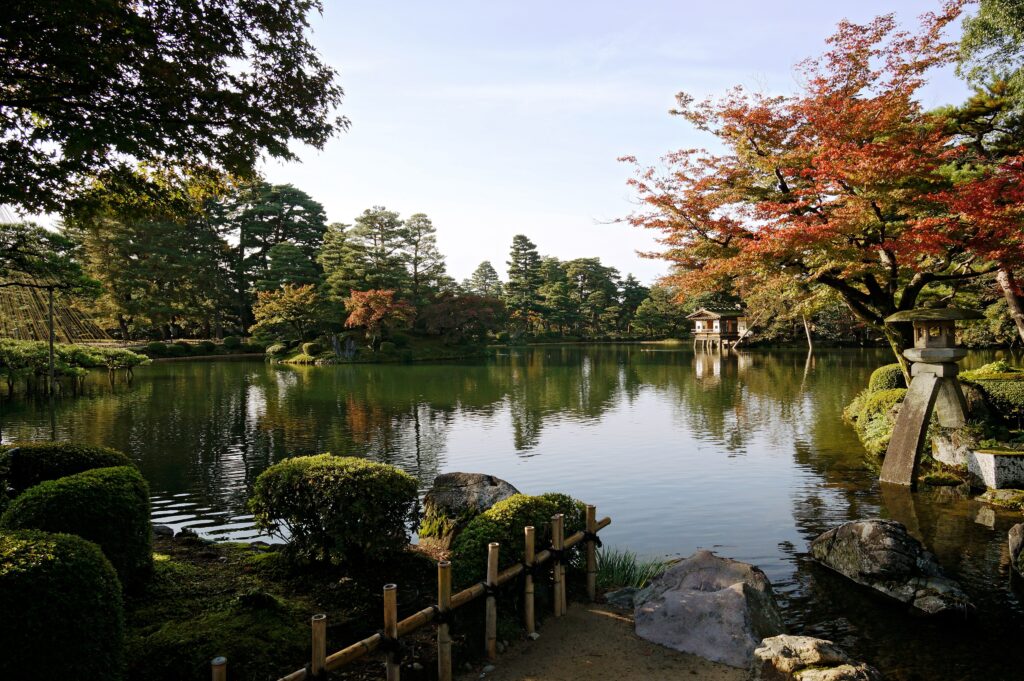 JapanKanazawaA feudal castle town that was never bombed: Kenrokuen garden, teahouse districts, gold leaf workshops and SANAA's 21st Century Museum, two and a half hours from Tokyo by shinkansen.Explore Kanazawa →
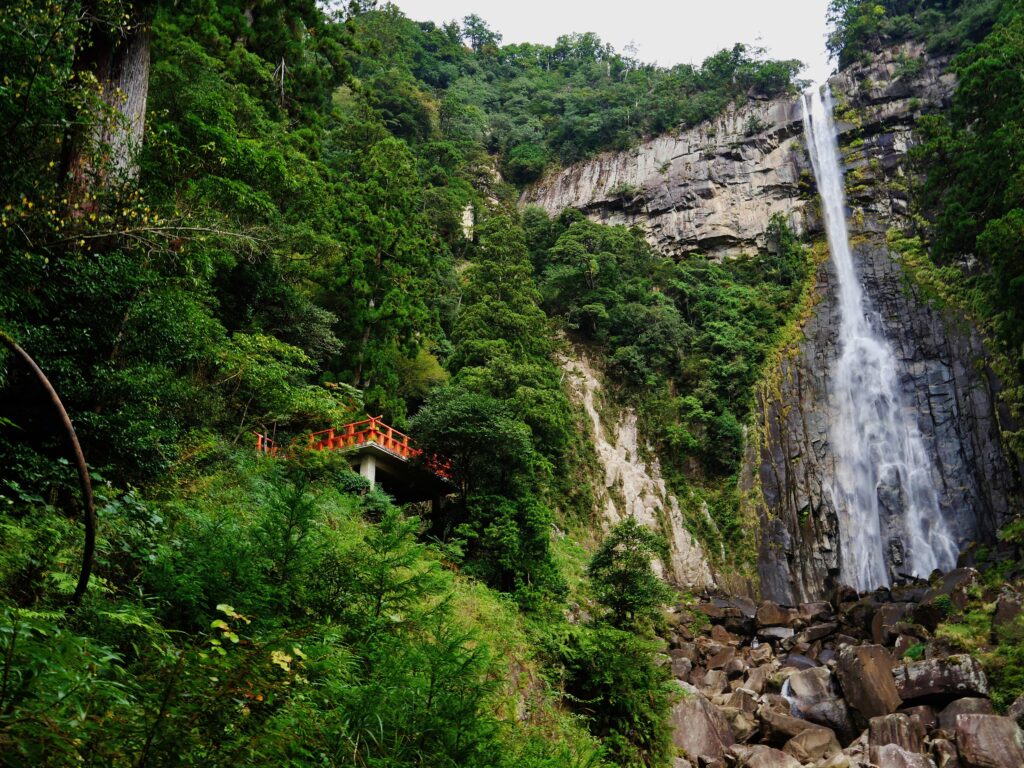 JapanKumanoThe sacred mountain heart of the Kii Peninsula, reached by a thousand-year-old network of pilgrimage trails.Explore Kumano →
 JapanKyotoJapan's former imperial capital, a city of temples, gardens, craft workshops and kaiseki cuisine, and now home to some of the country's finest hotels.Explore Kyoto →