Tokyo’s Two-Star Restaurants by Craft: Sushi, Tempura, Kaiseki and French
Below Tokyo's twelve three-star tables sits the deepest second tier in the world: sushi counters run by Jiro's son and by a master of iki, tempura reinvented as steaming, a 1939 ryotei in Rosanjin's spirit, and French rooms that name their courses after the old solar calendar.
Tokyo’s three-star restaurants get the attention, and OKYTO compares them in its guide to the city’s twelve three-stars. But the city’s real depth is one level down. The MICHELIN Guide Tokyo 2026 gives two stars to 26 restaurants, many of them easier to book, more relaxed and no less accomplished. The clearest way to choose among them is by craft.
Sushi
Sukiyabashi Jiro Roppongi is the counter of Takashi Ono, son of Jiro Ono, whose original restaurant in Ginza is the most famous sushi bar in the world; OKYTO tells that story in Sukiyabashi Jiro and the guide. In a Ginza basement, Sushi Kanesaka is run on the idea of iki, which can mean fresh, living or stylish, and on Shinji Kanesaka’s training of a young team in which everyone has a role.
Tempura
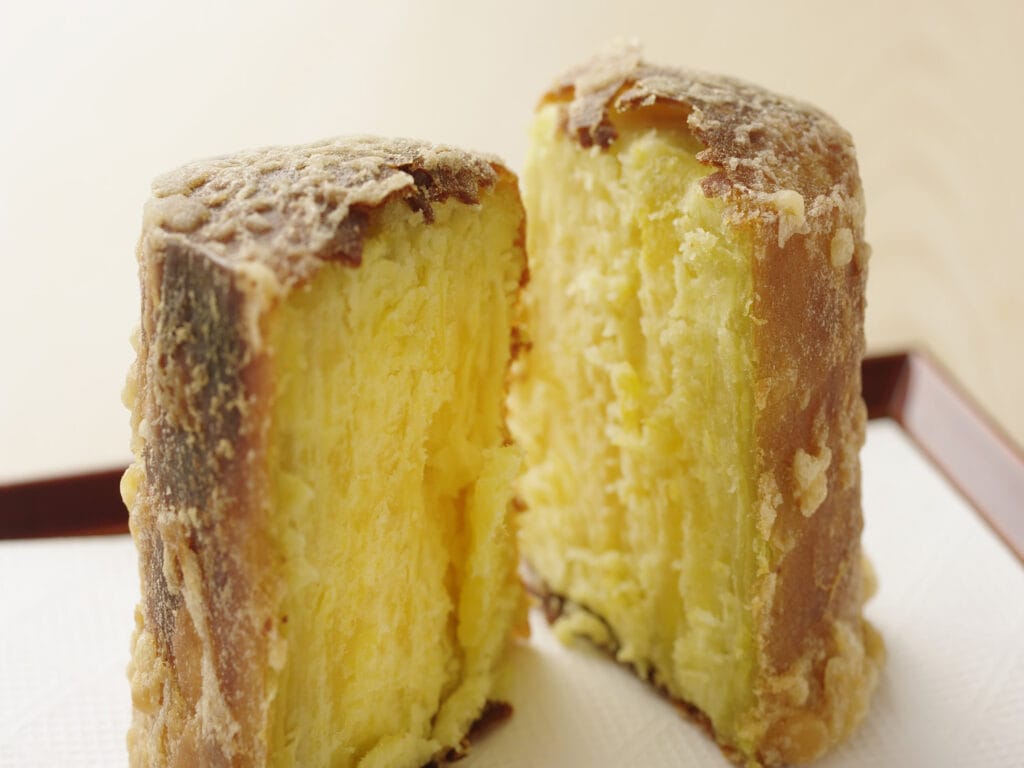
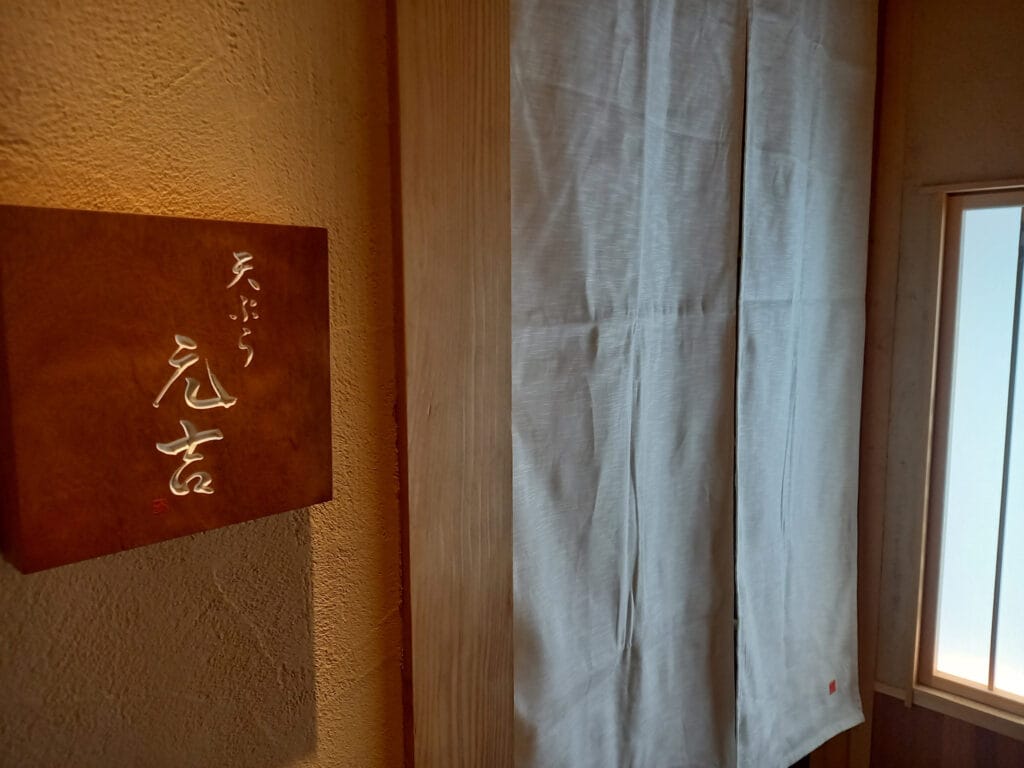
Two counters show how far the craft can be pushed. Tempura Kondo, on the ninth floor of a Ginza building, is where Fumio Kondo brought vegetables into classic Edo tempura and taught a generation that tempura is essentially a form of steaming. Tempura Motoyoshi, in Ebisu, works unencumbered by convention, with a batter made from two kinds of water and liquid nitrogen, and chilled sea urchin on a fried perilla leaf.
Japanese cuisine and kaiseki
The largest family is Japanese. Kioicho Fukudaya, a ryotei founded in 1939 and now in its fourth generation, still follows the aesthetics of the epicure Kitaoji Rosanjin, under whom its first chef learned. Akasaka Kikunoi is the Tokyo branch of Kyoto’s Kikunoi, where guests are welcomed in Kyoto dialect and the taste is, in the inspectors’ words, pure Kyoto. Ginza Kojyu is Toru Okuda’s counter of 700-year-old cypress, cooking with water, fish, wasabi and tea from his native Shizuoka. Seizan, in a basement in Mita, puts soup and sashimi at the centre, and Kutan, in Shintomi, calls its cooking modern classic, served to jazz among Western paintings in a red-and-white room.
French, and a journey through Peru
ESqUISSE, Lionel Beccat’s room in Ginza, names its dishes after the twenty-four divisions of the solar year. Florilège, now at Azabudai Hills around one long table, is Hiroyasu Kawate’s restaurant, ranked on Asia’s 50 Best. ASAHINA Gastronome, in Nihonbashi Kabutocho, reconstructs historic French recipes, while HOMMAGE, in Asakusa, keeps its French cooking simple and minimal. And MAZ, in Kioicho, is unlike anything else in the city: a menu that travels through Peru by altitude, from the sea to the Andes and the Amazon, with each dish labelled by its region and elevation.
New in 2026
The 2026 guide promoted three restaurants to two stars, Nishiazabu Sushi Shin, Hakuun and Ensui, as OKYTO reported in its piece on the 2026 guide. Reservations for all of these are easier than for the three-stars, but most still need booking weeks ahead, often through a hotel concierge. For where to stay, see OKYTO’s Tokyo page.
Sources: MICHELIN Guide Tokyo 2026; OKYTO restaurant pages and their cited sources (Michelin Guide; Asia’s 50 Best Restaurants).
Mentioned
In this story
 Tokyo · JapaneseTempura KondoFumio Kondo's Ginza tempura counter, known for vegetable tempura; two Michelin stars.Discover →
 Tokyo · JapaneseTempura MotoyoshiAn inventive Ebisu tempura counter with a batter made using liquid nitrogen; two Michelin stars.Discover →