Tokyo’s Old Houses and Bib Gourmand Tables: Eel, Soba, Tempura and Ramen
Some of the best meals in Tokyo cost a fraction of a tasting menu: eel houses running since the Edo shogunate, soba since 1880, anglerfish since 1830, beef hotpot since 1895, and a new generation of Bib Gourmand counters serving shio ramen, tonkatsu and biryani.
Tokyo’s starred restaurants are covered in OKYTO’s guides to its three-stars, its two-stars and its Japanese one-star counters. But much of the city’s character lies elsewhere, in houses that have cooked one dish for generations and in the Bib Gourmand list of the MICHELIN Guide Tokyo 2026, which marks good food at moderate prices. This is a guide to both.
The old houses
Several of Tokyo’s restaurants are older than modern Japan. Nodaiwa, in Higashiazabu, has grilled Edo-style eel since the days of the shogunate; it holds a star, and its fifth-generation master received the guide’s Mentor Chef Award at 97. Isegen, in Kanda, founded in 1830, calls itself the city’s only anglerfish specialist. Nearby, Kanda Yabu Soba has made soba in Awajicho since 1880 and reopened after a fire destroyed its old building in 2013. Ningyocho Imahan began in 1895 as a gyunabe beef-hotpot house. Ginza Ten-ichi, on Namiki-dori since 1930, fries tempura in a sesame-based blend, and Hantei, near Nezu station, serves kushiage, seasonal deep-fried skewers, in a listed wooden house that fits naturally with a walk through Yanaka, Nezu and Sendagi.
Bib Gourmand: eel, yoshoku and the old city
Yaesu Unagi Hashimoto, a few minutes from Tokyo Station, has served Edo-style eel since 1947 and is now in its fourth generation. Yoshoku Edoya, in Shirokane, has cooked yoshoku, Japan’s Western-style comfort food, since 1954. Across the Sumida, Sobakappo Nagano, in Mukojima, joins soba with kappo cooking, and Shutei Tanaka is a yakitori counter run by two brothers who trained in other disciplines of Japanese cuisine.
Bib Gourmand: ramen, tonkatsu and noodles
Ginza HARU CHAN Ramen puts everything into shio ramen with a clear broth of pork and dried sardines. Teuchi Asama, in Kamimeguro, is about its flat, springy hand-made noodles, rested overnight. GINZA KATSUKAMI II serves tonkatsu as a prix fixe, frying rare cuts alongside fillet and loin.
Bib Gourmand: the world in Tokyo
The list also shows how widely Tokyo eats. Shinrakuki, in Shinjuku, roasts Cantonese meats over an open hearth and pairs them with organic wine. Night Market, in Shibuya, reinterprets the street food of Southeast Asia’s night markets. Biriyani Osawa, in a basement in Uchikanda, serves a single dish, biryani, timed to the table. Loiseau de France, inside the Institut Français, brings the cooking of Saulieu to Shinjuku, and Zupperia Osteria Pitigliano, in Setagaya, makes Tuscan soups.
Most of these places take few or no reservations; arrive early, especially at lunch. For the city as a whole, see OKYTO’s Tokyo page.
Sources: MICHELIN Guide Tokyo 2026; OKYTO restaurant pages and their cited sources (Michelin Guide; restaurants’ own sites); OKYTO’s report on the 2026 guide for the Mentor Chef Award.
Mentioned
In this story
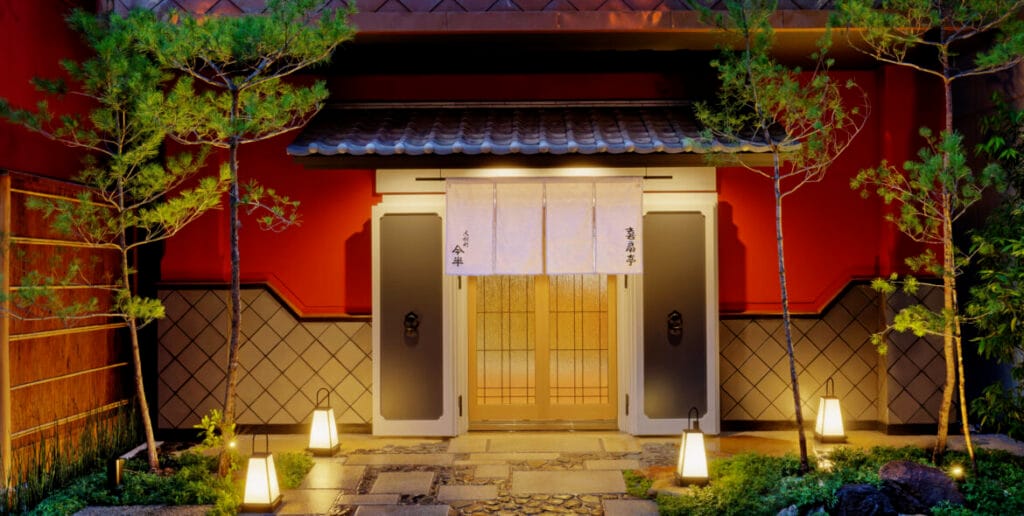 Tokyo · JapaneseNingyocho Imahan HontenThe main restaurant of Ningyocho Imahan, a Tokyo beef house founded in 1895, known for Kuroge Wagyu sukiyaki.Discover →