Songkran Joins UNESCO’s List of Intangible Cultural Heritage
The Thai New Year festival was inscribed on 6 December 2023. Behind the water fights lies a three-day ritual of cleaning, merit-making and respect for elders.
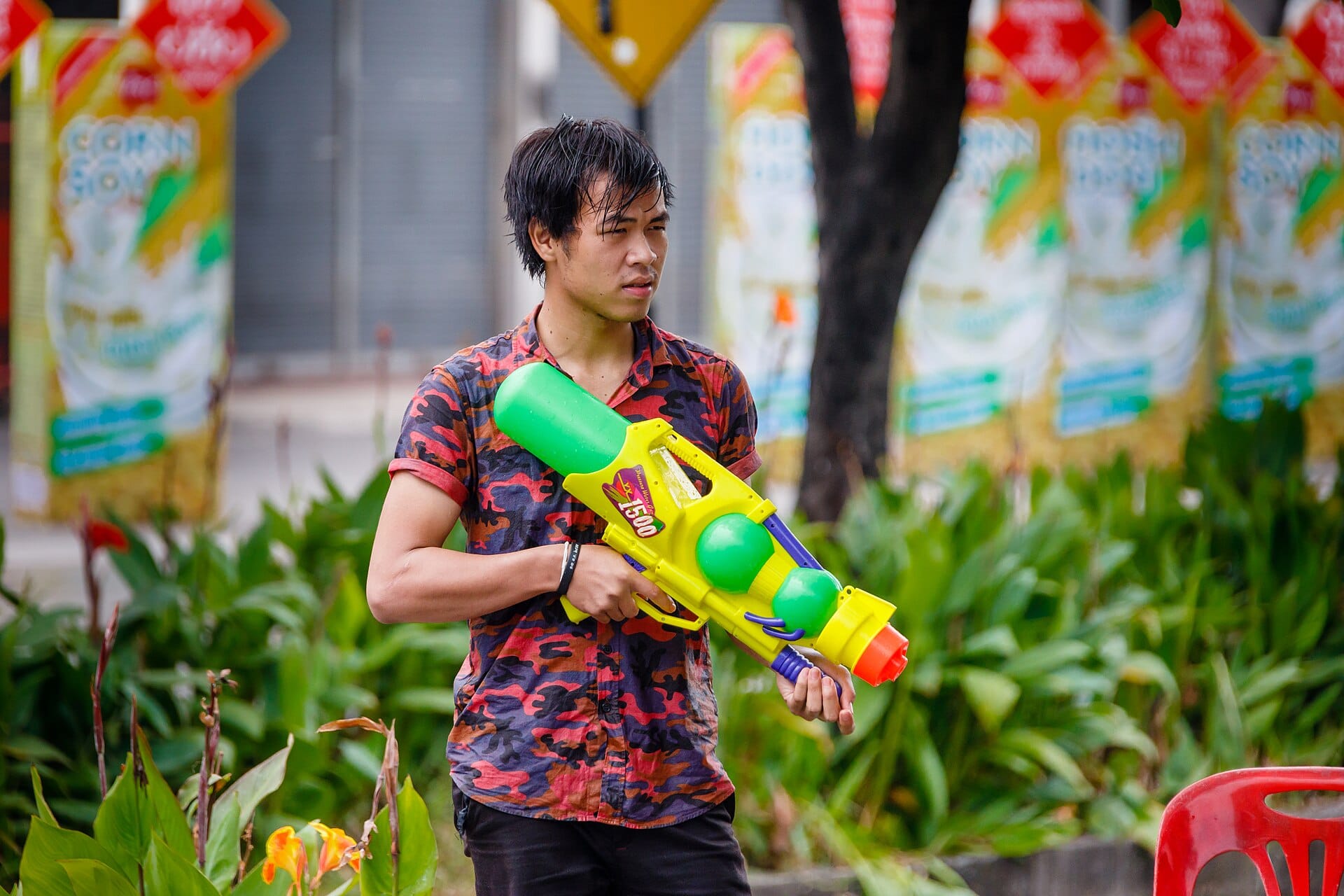
UNESCO inscribed “Songkran in Thailand, traditional Thai New Year festival” on its Representative List of the Intangible Cultural Heritage of Humanity on 6 December 2023, at a committee session held in Kasane, Botswana. It is the fourth Thai tradition on the list, after the Khon masked dance drama in 2018, Nuad Thai massage in 2019 and the Nora dance drama of the south in 2021.
What Songkran is
Songkran marks the traditional new year, when the sun passes into Aries. It falls from 13 to 15 April, at the hottest time of the year and the end of the dry season. The word comes from Sanskrit and means passage.
To visitors it is known as the world’s largest water fight. For three days, in every town in the country, people throw water at each other with buckets, hoses and water guns, and smear white powder on passing faces. The custom grew from a gentler one. Water is the sign of cleansing and renewal, and the festival was, and for most families still is, a ritual in three parts.
Houses are cleaned on the first day. Buddha images are brought out and bathed with scented water, at home and in processions through the streets. People go to the temple to give food to the monks and to build small pagodas of sand in the courtyard, returning the earth carried away on their feet during the year. In the ceremony called rod nam dam hua, younger people pour water over the hands of parents and grandparents and ask their blessing. Those who work in the cities travel home for it, and Bangkok empties.
Where to see it
Chiang Mai has the most famous celebration, with processions of Buddha images from the city’s temples and water thrown around the old moat for several days. In Bangkok, Silom Road and Khao San Road are closed for the water battles, which are crowded and loud, and the more traditional rites take place at Wat Pho and at Sanam Luang, where a revered Buddha image is brought out for bathing. The Mon community of Phra Pradaeng, south of the capital, holds its Songkran a week later, with processions in traditional dress. In the north-east and in Ayutthaya, elephants join in.
Since the inscription, the authorities have extended the official programme in Bangkok and other cities with parades and events through much of April.
Advice for visitors
Anyone outdoors between 13 and 15 April will be soaked, and this is meant kindly. Keep telephones and passports in waterproof pouches, wear light clothes that dry quickly, and do not throw water at monks, the elderly or people on motorbikes. Road travel is heavy before and after the holiday. Hotels in Bangkok and Chiang Mai fill early, and those on the river, such as the Mandarin Oriental, hold their own ceremonies for guests. For the temple at the centre of the Bangkok rites, see learning Thai massage at Wat Pho.
Continue
More from Bangkok
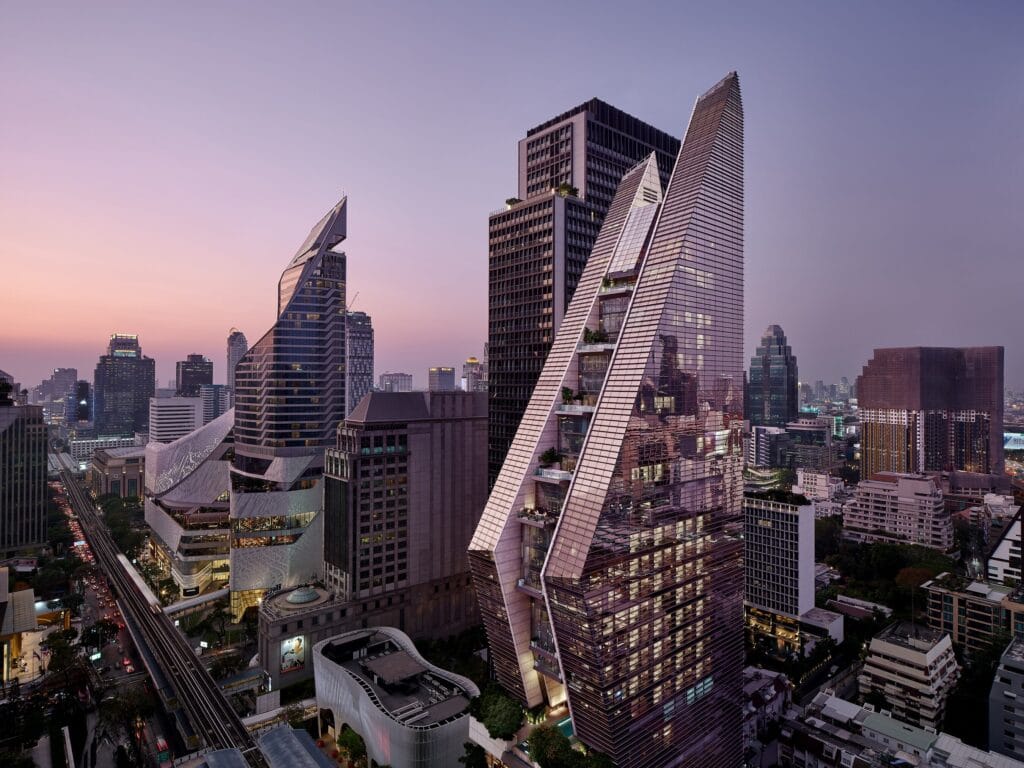 ThailandBangkokThailand's capital on the Chao Phraya, with glittering temples, legendary riverside hotels and an exciting food scene.Read →
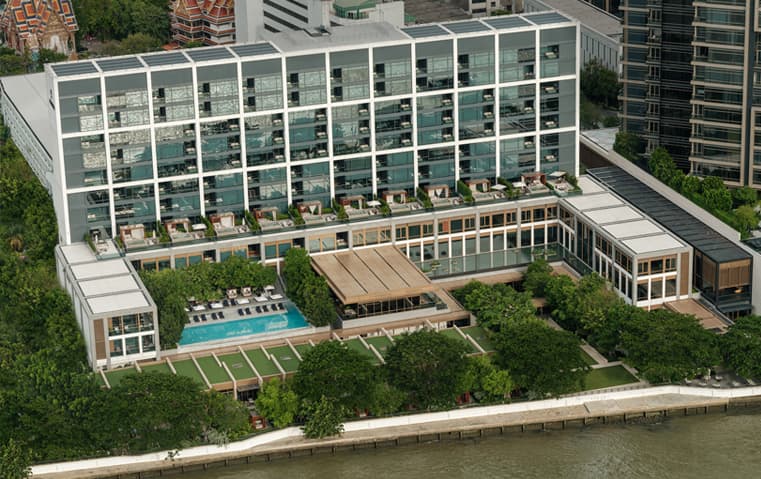 News · TravelCapella Bangkok No.2 in The 50 Best Hotels 2026Bangkok placed three hotels in the global top ten at the Paris ceremony, led by Capella in second place and Four Seasons in third.September 15, 2026Read →
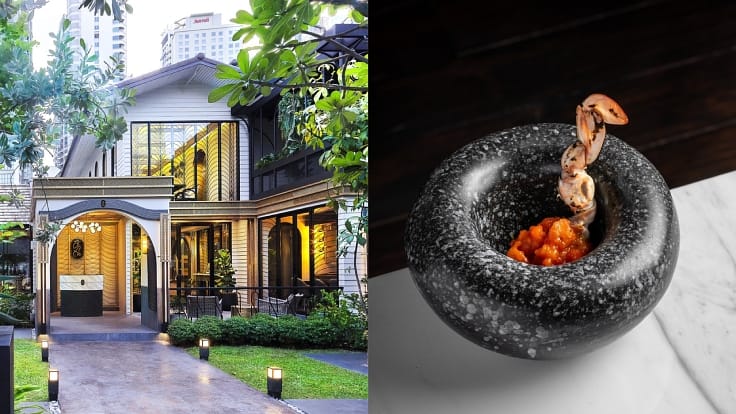 News · Food & DrinkSorn Becomes Thailand’s First Three-Star RestaurantThe MICHELIN Guide Thailand 2025 promoted Supaksorn 'Ice' Jongsiri's southern Thai restaurant to three stars, while Côte by Mauro Colagreco gained a second.November 28, 2024Read →
 News · TravelFour Seasons Returns to Bangkok on the Chao PhrayaJean-Michel Gathy shaped the interiors of the 299-key riverside hotel, which opens with a Cantonese restaurant, an Italian dining room and BKK Social Club.December 17, 2020Read →