Shanghai Astronomy Museum Opens as the Largest of Its Kind
Designed by Ennead Architects without a single straight line or right angle, the 39,000 sq m museum in Lingang opened on 18 July 2021. Its three main forms work as instruments for tracking the sky.
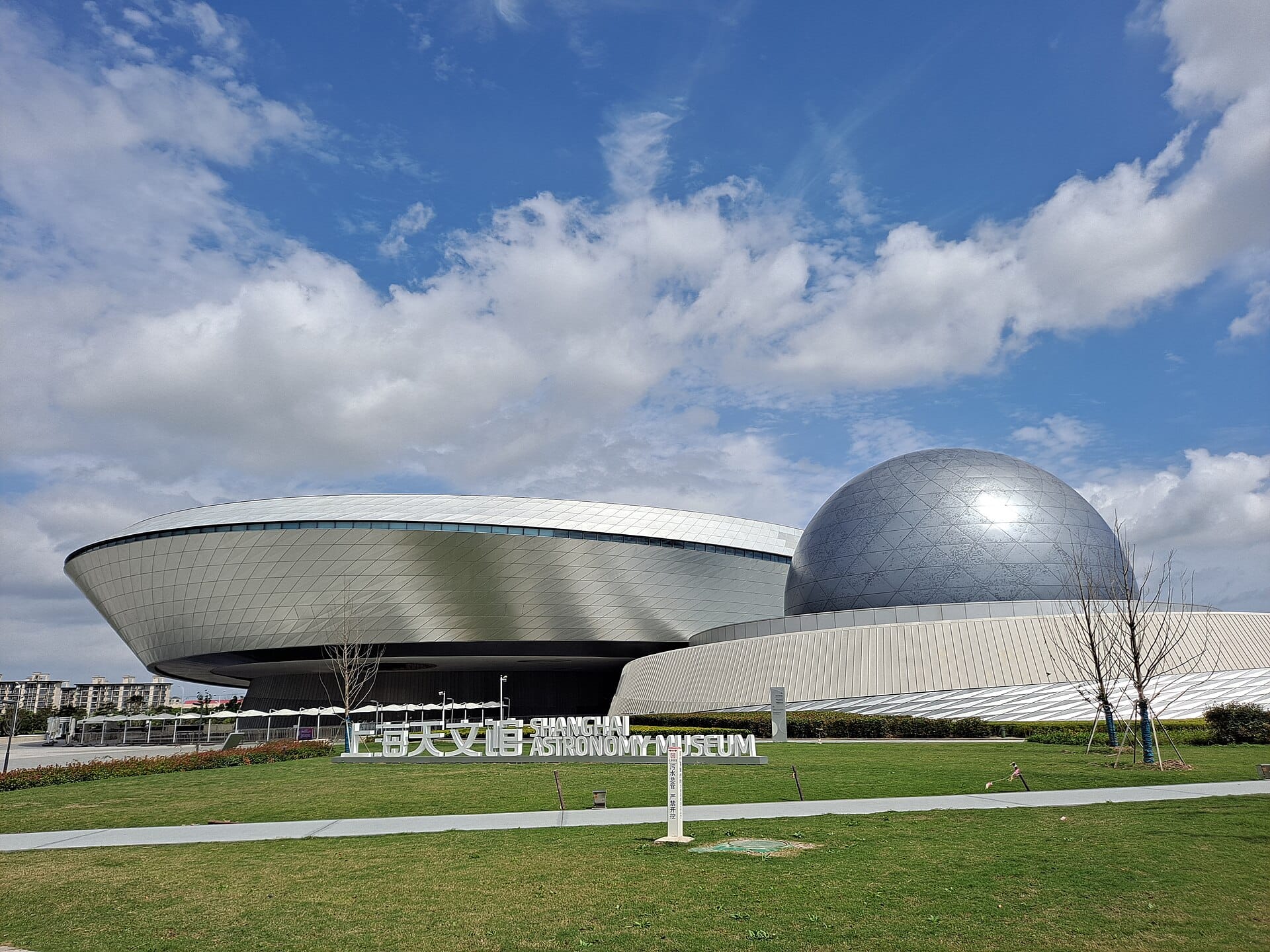
The Shanghai Astronomy Museum opened on 18 July 2021 in Lingang, the new town at the south-eastern tip of the municipality, where Pudong meets the East China Sea. With about 39,000 square metres of floor area, it is the largest museum in the world devoted solely to astronomy. It is a branch of the Shanghai Science and Technology Museum.
A building without straight lines
The design is by Ennead Architects of New York, who won an international competition in 2014. The design partner, Thomas J. Wong, has said that the aim was a building in which the architecture itself teaches. There are no straight lines and no right angles. The plan is a set of sweeping arcs, which the architects relate to the orbits of bodies in space and to the three-body problem of classical mechanics.
Three elements stand out, and each works as an astronomical instrument.
The Oculus is a circular opening in the cantilevered roof above the entrance plaza. Sunlight passes through it and falls as a disc on the paving, moving through the day and the seasons. At noon on the summer solstice the disc fills a ring set in the ground.
The Sphere contains the planetarium theatre. It is half sunk into the building and supported with as little visible structure as possible, so that it seems to float, like a planet rising.
The Inverted Dome is a large glass bowl set into the roof at the end of the visit. Visitors stand inside it with the horizon and the surrounding buildings cut off from view, and see only the sky.
The exhibitions
The galleries are arranged in three sections, named Home, Cosmos and Odyssey. They move from the Earth and the solar system to the structure of the universe and then to the history of astronomy and space exploration in China and elsewhere, with meteorites, including pieces from the Moon and Mars, and original editions of works by Copernicus, Galileo, Kepler and Newton. The campus also has a solar telescope of 24 metres, an observatory and an optical planetarium, and holds night-time observing sessions.
Visiting
Lingang is about 70 kilometres from the centre of Shanghai, at the end of metro Line 16; the journey takes an hour and a half. Tickets are released online a week ahead and sell out at weekends and during school holidays. The museum is a full-day excursion, and families with children interested in science will find it worth the journey. Others may prefer the museums of the West Bund, such as the West Bund Museum, or the Museum of Art Pudong, which opened ten days earlier.
Continue
More from Shanghai
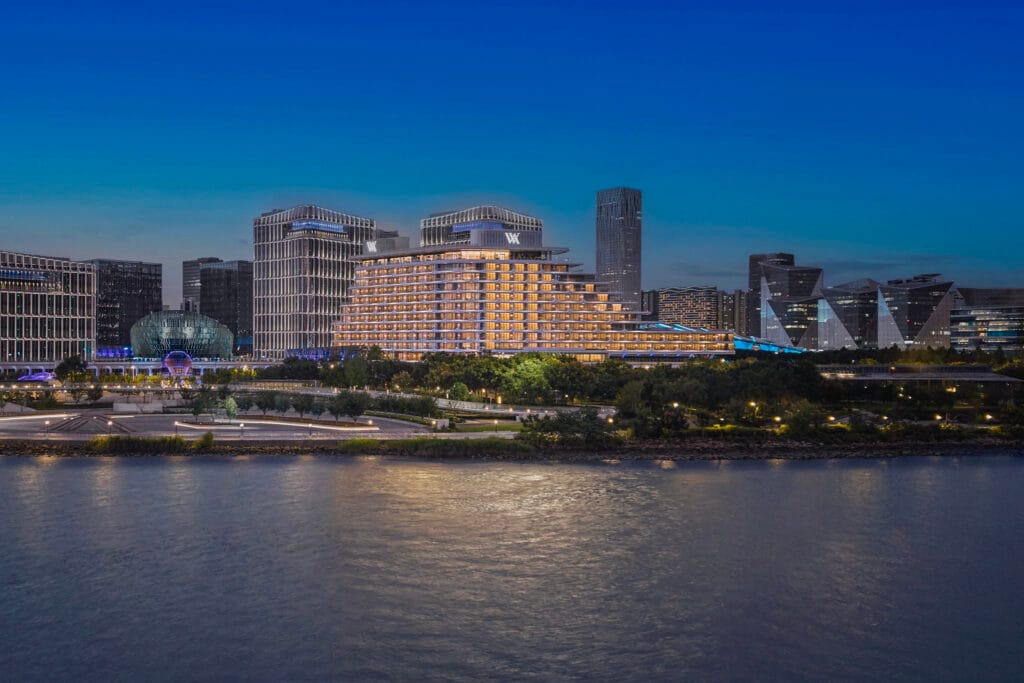 ChinaShanghaiChina's most cosmopolitan city.Read →
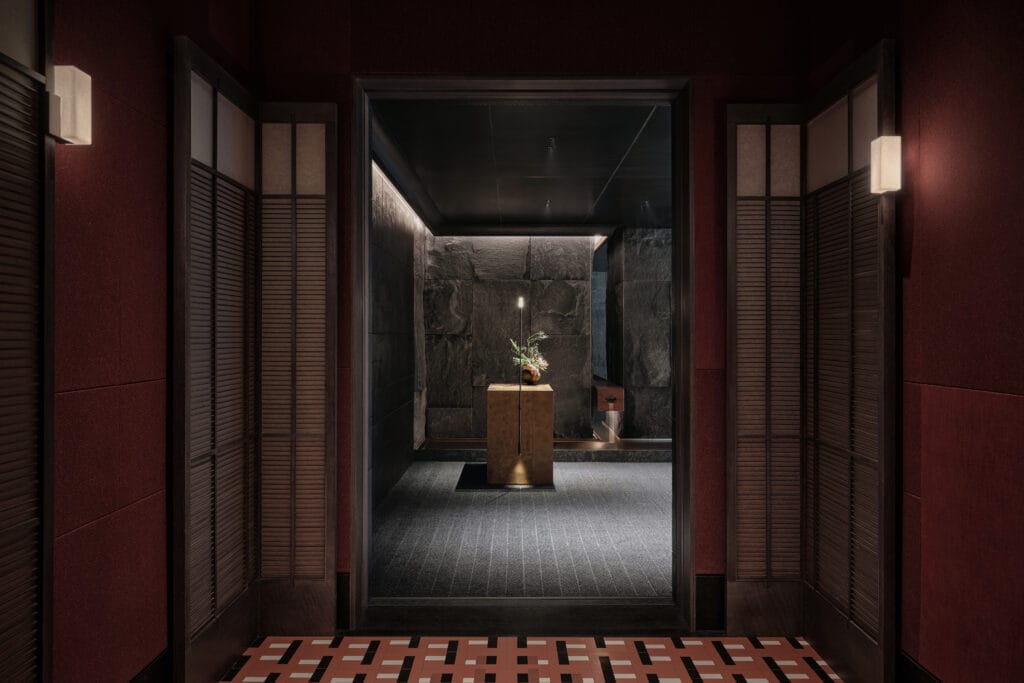 News · TravelAlila Shanghai Opens in Jing’an Overlooking ZhangyuanHyatt's first urban Alila in Greater China brings 186 rooms, rattan and stone interiors by Ju Bin.September 25, 2024Read →
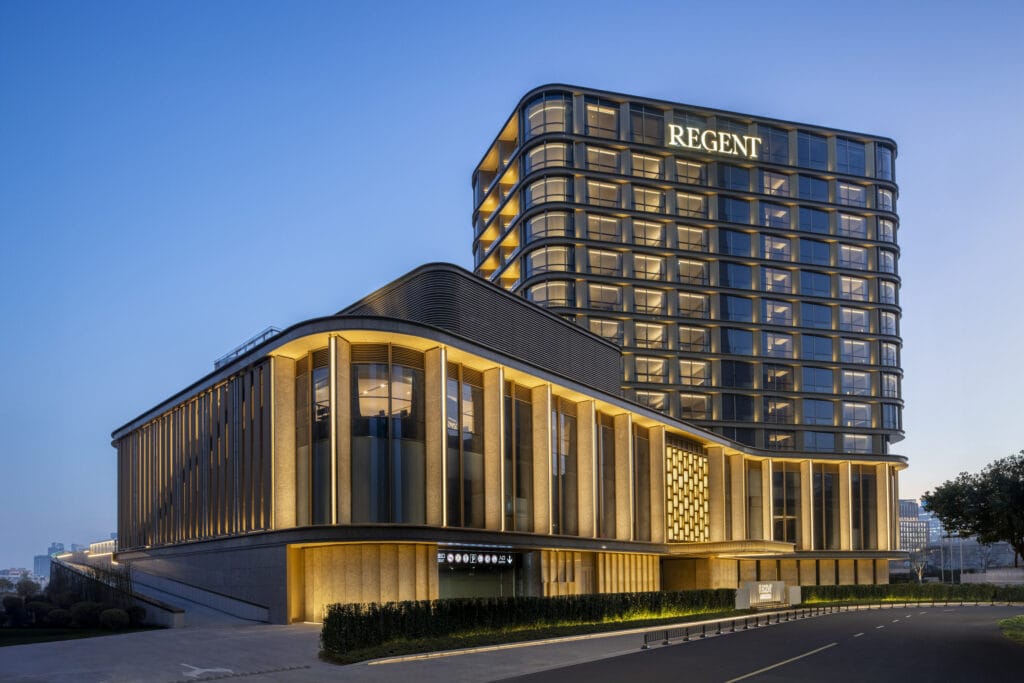 News · TravelRegent Shanghai on the Bund Opens on the Former Seagull SiteIHG's second Regent in Shanghai reworks the 1984 Seagull Hotel where Suzhou Creek meets the Huangpu.January 9, 2024Read →News · Food & DrinkMichelin Merges Shanghai, Jiangsu and Zhejiang Into One GuideAnnounced in Taizhou on 9 April 2026, the first combined edition covers eight cities and 409 restaurants.April 9, 2026Read →