Rishikesh: A Traveller’s Guide to the Yoga Capital on the Ganges
Where the Ganges leaves the Himalaya, a town of ashrams has taught yoga to the world since the Beatles came in 1968. How to choose between an ashram, a school and a retreat, and what else to do.
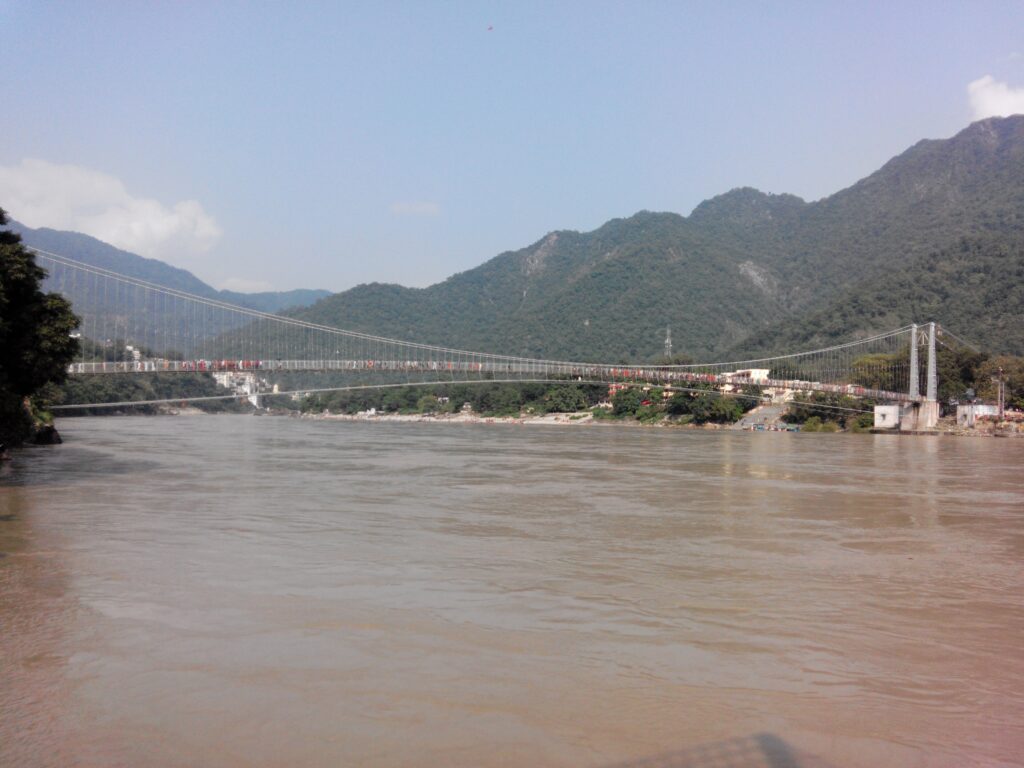
Rishikesh lies in the state of Uttarakhand, at the point where the Ganges comes out of the Himalayan foothills and enters the plains. Hindu pilgrims have passed through for centuries on their way to the shrines in the mountains, and ascetics have long lived along the river. In the twentieth century it became the place to which people from all over the world came to learn yoga and meditation.
How it became the yoga capital
Swami Sivananda, a doctor turned monk, founded the Divine Life Society here in 1936, and his students carried his teaching abroad. In February 1968 the Beatles arrived to study transcendental meditation with Maharishi Mahesh Yogi at his ashram above the river. They stayed for several weeks and wrote many of the songs of the White Album there. The visit made the town famous. Since 1999 it has held an International Yoga Festival each March.
Three ways to practise
An ashram. The traditional choice. Life follows a timetable of dawn meditation, two yoga classes, chanting, simple vegetarian meals and early nights, with rules about silence and dress. Rooms are plain and the cost is small. The Sivananda Ashram is the most serious. Parmarth Niketan, the largest, with a thousand rooms, is the most accessible to newcomers and hosts the yoga festival.
A yoga school. The lanes around the two suspension bridges, in the districts called Tapovan and Lakshman Jhula, hold dozens of schools offering drop-in classes and month-long teacher training courses. Standards vary. Ask to attend a class before enrolling.
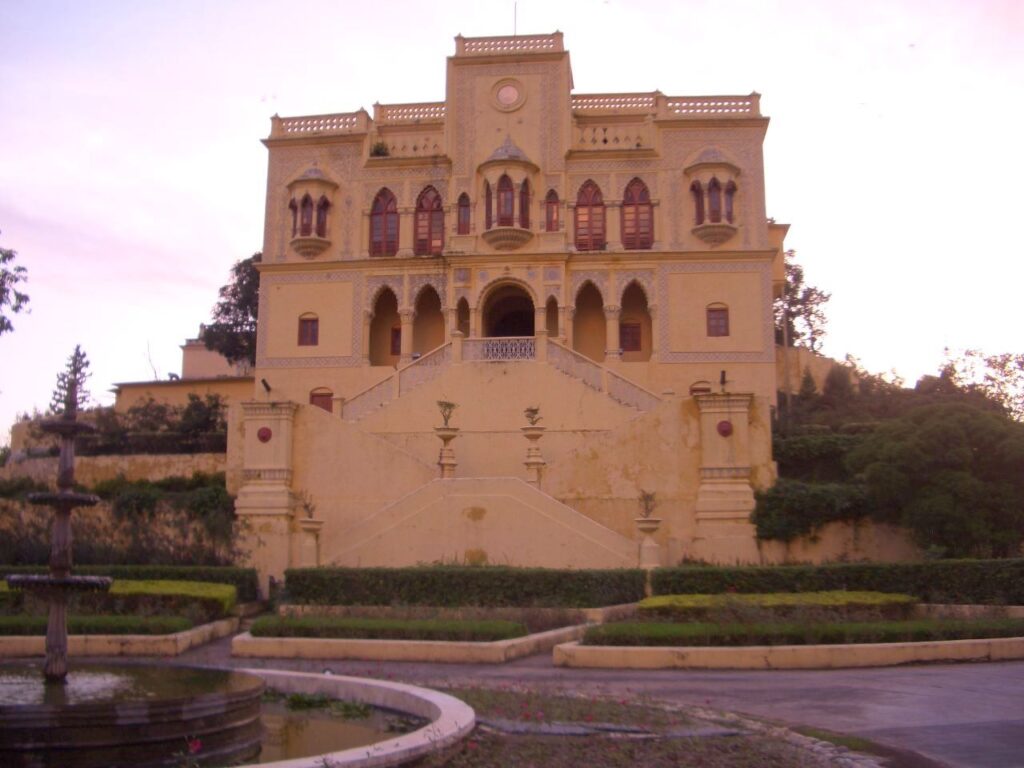
A retreat. For comfort, medical supervision and Ayurvedic treatment as well as yoga, the choice is Ananda in the Himalayas, on a maharaja’s estate in the hills above the town. Six Senses Vana is an hour away, outside Dehradun.
What else to see
The evening aarti. At dusk, lamps are offered to the river with chanting and music. The ceremony at Triveni Ghat, in the town, is the largest. The one on the steps of Parmarth Niketan is more intimate.
The Beatles Ashram. The Maharishi’s compound was abandoned in the 1970s and taken back by the forest. It lies within the Rajaji tiger reserve and was opened to visitors in 2015. The domed stone meditation cells and the halls, now covered in murals, make a strange and peaceful ruin.
The river. The Ganges here is cold, green and fast. The stretch upstream is the best white-water rafting in India, from September to June. There are sandy beaches for those who only want to sit.
Practical advice
The whole town is vegetarian and no alcohol is sold. Dress is modest. The best months are February to April and September to November. May and June are very hot on the plains but bearable here, the monsoon runs from July to mid-September, and winter mornings are cold.
Dehradun airport is about half an hour away, with flights from Delhi. By road or train from Delhi the journey takes five to six hours. The sacred city of Haridwar, where the great evening aarti at Har Ki Pauri draws thousands, is forty minutes downstream.
For other places where a tradition of healing is practised at its source, see our pieces on wellness in Sri Lanka and the leading retreats of Asia.
Continue