Michelin Keys Japan 2026: 145 Hotels, Seven at the Top
The Michelin Guide's 2026 hotel selection for Japan, announced on 18 September, lists 145 properties. Seven hold Three Keys and Capella Kyoto enters directly at Two.
The Michelin Guide announced its 2026 Key selection for Japan on 18 September 2026. The list counts 145 hotels and ryokan: seven with Three Keys, 23 with Two Keys and 115 with One Key. The Key is to hotels what the star is to restaurants, and Japan remains one of the countries where the distinction is most contested.
The seven Three-Key addresses
Three of the seven are in Tokyo: Bulgari Hotel Tokyo, Four Seasons Hotel Tokyo at Otemachi and Palace Hotel Tokyo. All three sit within a short walk of each other around Tokyo Station and the Imperial Palace, which says something about where the city’s hotel centre of gravity now lies.
The other four are outside the capital. Hotel The Mitsui Kyoto stands opposite Nijo Castle. Amanemu is the hot-spring Aman in Ise-Shima National Park. Gora Kadan in Hakone and Asaba in Shuzenji, on the Izu Peninsula, are ryokan in the full sense, with kaiseki dinners served in the room and baths fed by their own springs. That two traditional inns share the top tier with international brands is the particular character of the Japanese list.
What is new this year
Two properties enter at Two Keys. Capella Kyoto, which opened in the Miyagawa-cho district in March 2026, receives the distinction in its first year. Gora Kadan Fuji, the sister property of the Hakone ryokan, built in Oyama in Shizuoka Prefecture with views of Mount Fuji, joins it. The Kyoto ryokan Kanamean Nishitomiya is promoted from One Key to Two.
Nineteen hotels join at One Key. Michelin names among them Tsuruko in Kanazawa, a hotel in Hakodate on Hokkaido and Fufu Tokyo Ginza, the urban outpost of a group better known for hot-spring resorts.
How to read the list
The Key selection does not rank hotels by size or price. Inspectors look at architecture and interior design, the quality and consistency of service, the personality of the place, value for the price and what the hotel contributes to its setting. In Japan this favours small ryokan as much as city towers, and the list is a useful starting point for travellers planning a route that mixes both.
Mentioned
In this story
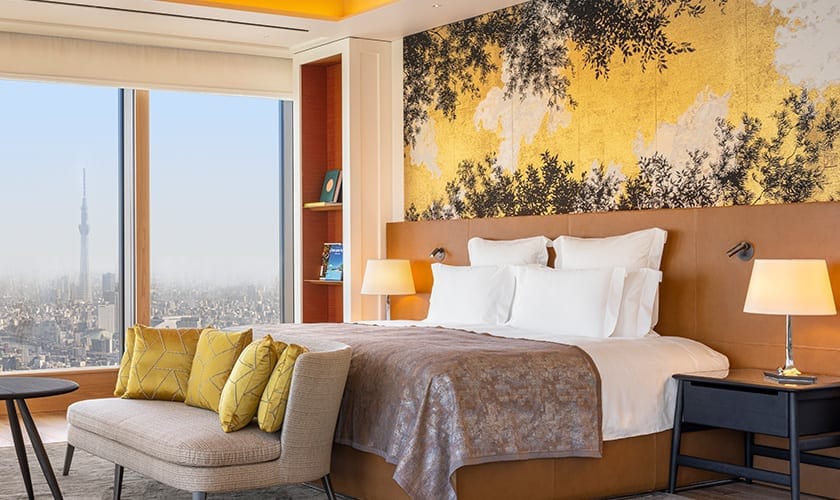 Tokyo · Bulgari Hotels & ResortsBulgari Hotel TokyoBulgari's eighth hotel takes the 40th to 45th floors of Tokyo Midtown Yaesu, above Tokyo Station.Discover →
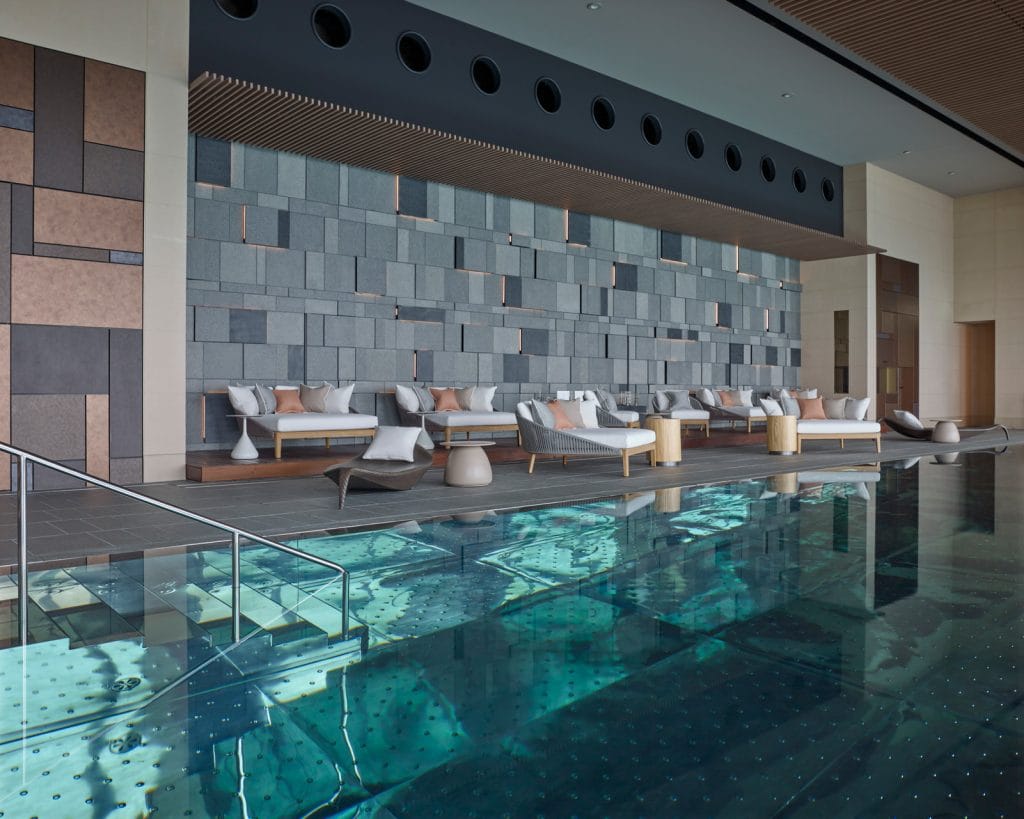 Tokyo · Four SeasonsFour Seasons Hotel Tokyo at OtemachiFour Seasons Hotel Tokyo at Otemachi occupies the upper floors of a 39-storey tower beside the Imperial Palace.Discover →TokyoPalace Hotel TokyoPalace Hotel Tokyo in Marunouchi is home to ESTERRE by Alain Ducasse and a Club Lounge.Discover →