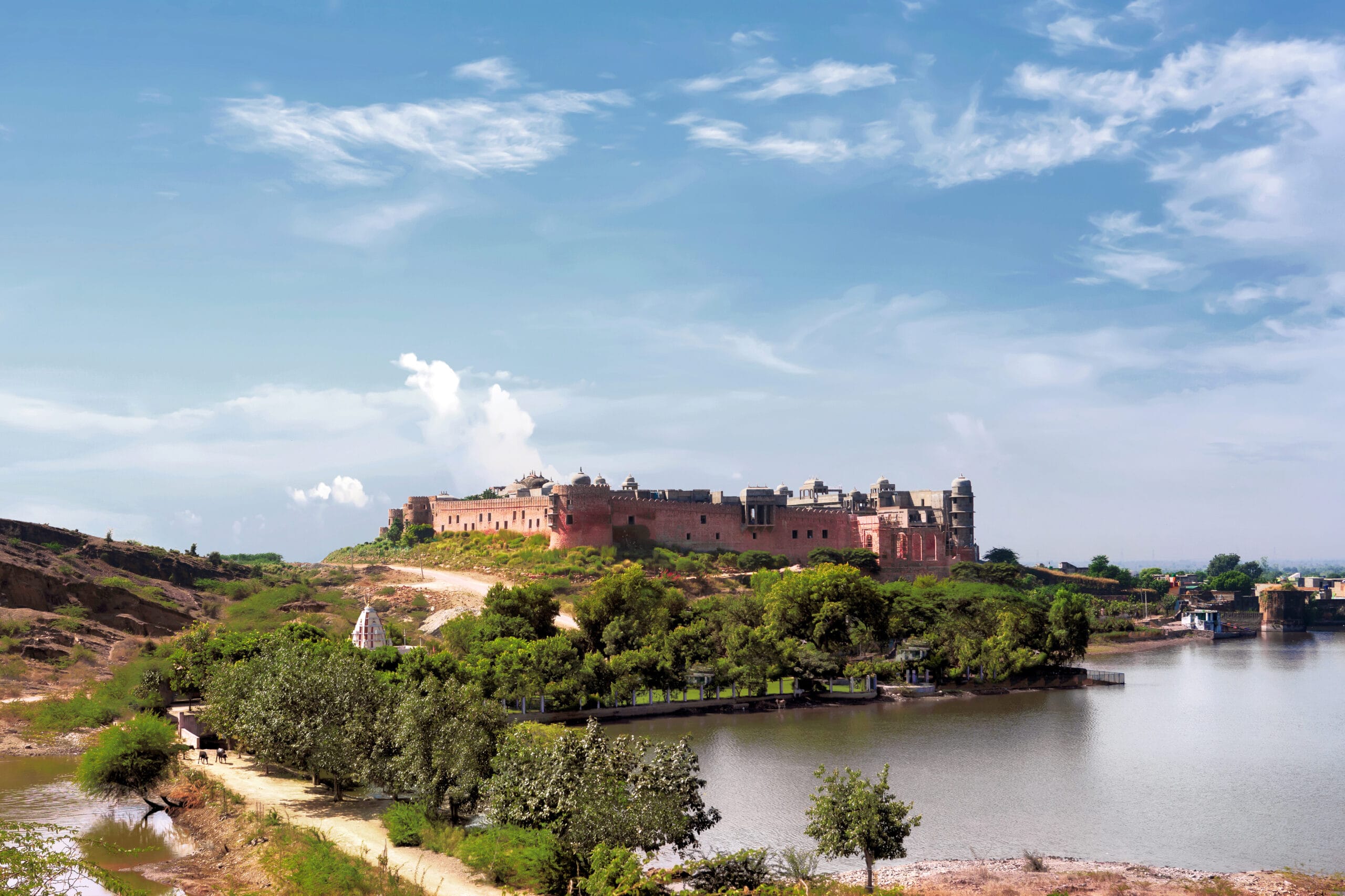
Rajasthan’s Forts, Lakes and Tigers: A Guide to Barwara, Kumbhalgarh and Udaipur
A route through Rajasthan: a restored fort near Ranthambore's tigers, the 36-kilometre wall of Kumbhalgarh and a palace hotel on a lake near Udaipur.
Photo: Six Senses
Rajasthan is best understood as a succession of defended places: forts on ridges, palaces on lakes, walls that follow the hills for kilometres. A route that links a tiger reserve, a hill fortress and the lake city of Udaipur shows how those places relate, and why the region’s kings built where they did.
Ranthambore: a fort among the tigers
The route begins in the east, around Sawai Madhopur, where the Ranthambore National Park combines dry deciduous forest, lakes and hills under the walls of a fort. Ranthambore is one of the six Hill Forts of Rajasthan inscribed by UNESCO in 2013, and the forest setting is part of why: the fort and its defences use the natural terrain. The park season runs from October to June, and safaris are reserved in advance through the Rajasthan forest department’s online system, so book when your dates are fixed. Sightings are never guaranteed, and the search for tigers in Ranthambore is better approached as several drives than one.
Six Senses Fort Barwara is the stay that fits the setting: a restored fourteenth-century fort about half an hour from the reserve, with 48 suites and a large spa, which makes it a base for the safaris and for the rest between them.
Kumbhalgarh: the wall in the hills
Kumbhalgarh sits in the western Aravalli hills, about 100 kilometres from Udaipur, and was built in its present form by Rana Kumbha of Mewar in the fifteenth century. Its perimeter wall runs for about 36 kilometres, with seven gateways, and follows the ridges of a range that was the natural border of the kingdom. UNESCO lists it among the hill forts for its coherence: apart from a later palace, the fort was built in a single process. Maharana Pratap, the Mewar ruler remembered for resisting the Mughals, is said to have been born here. The walk on the wall in the late afternoon is the best way to take it in, when the light lowers and the heat eases.
Udaipur: the lake city
Udaipur is the softer end of the route. Maharana Udai Singh II founded the city after moving his capital from Chittor, and the City Palace, a granite and marble complex of linked courtyards, sits on the east bank of Lake Pichola, with the island palaces of Jag Mandir and the Lake Palace nearby. The best way to see the city is from the water and from the palace terraces, in the early morning or at dusk. For a stay on the water, Raffles Udaipur is a palace-style hotel of 101 rooms on its own island in Udai Sagar lake, the first Raffles in India.
Putting the route together
Tigers and forest first, then the hill fort, then the lake is the natural order. Allow two nights at Barwara and Ranthambore, one or two at Kumbhalgarh, and two or three in Udaipur. Travelling by road is the flexible option; the Maharajas’ Express covers Rajasthan by rail for those who prefer a single, guided journey.
Sources: UNESCO: Hill Forts of Rajasthan; Live History India: Kumbhalgarh; Wikipedia: City Palace, Udaipur; goasia.cc: Ranthambore National Park. Check the official websites for current information.
Experiences
Experiences in Rajasthan
 WildlifeRajasthanLook for tigers in RanthamboreJeep or canter drives at dawn and dusk in a tiger reserve of lakes, dry forest and ruins in eastern Rajasthan.
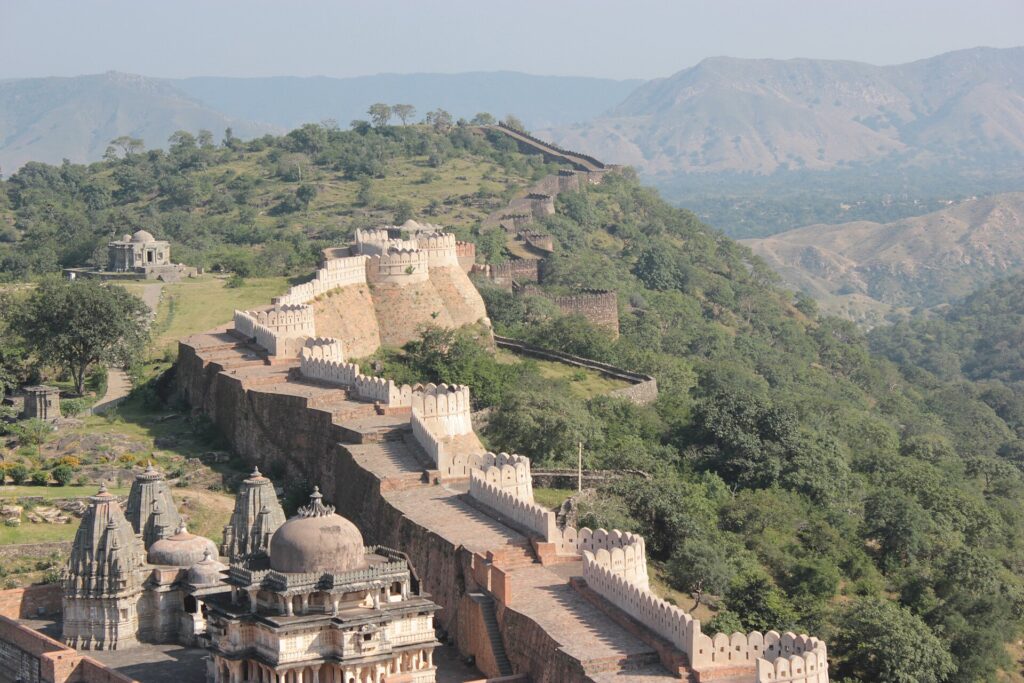 Cultural ImmersionRajasthanWalk the wall of Kumbhalgarh in the late afternoonA late-afternoon climb through a fifteenth-century hill fort and along part of its 36-kilometre wall.
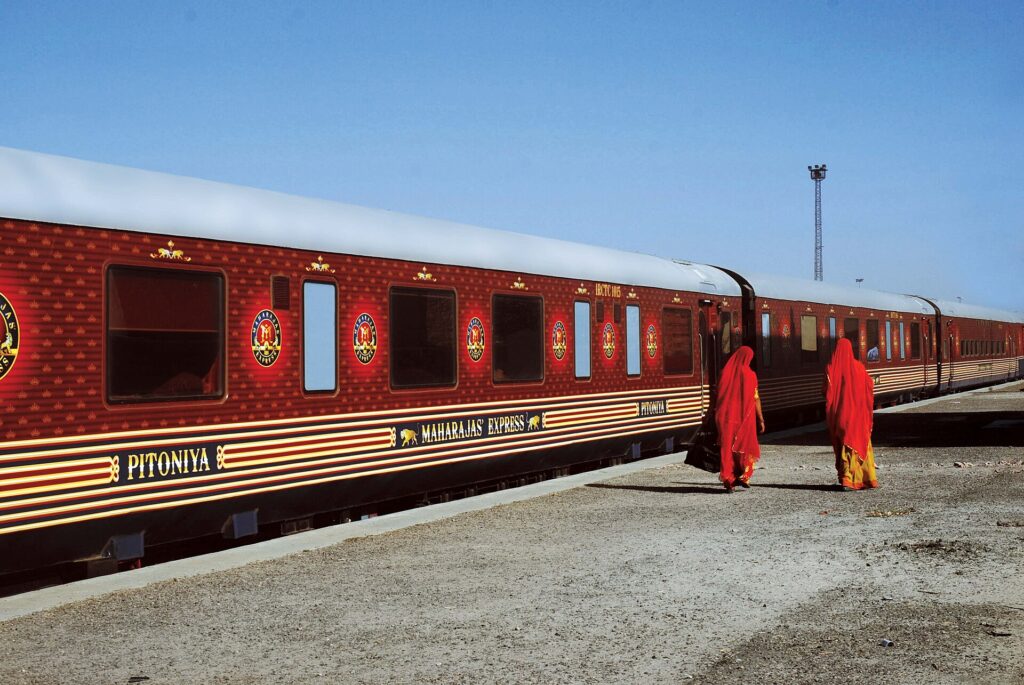 Rail JourneyRajasthanTravel through Rajasthan on the Maharajas’ ExpressA seasonal luxury sleeper-train journey of four or seven days through the fortress cities of Rajasthan.
Journal
From the Journal
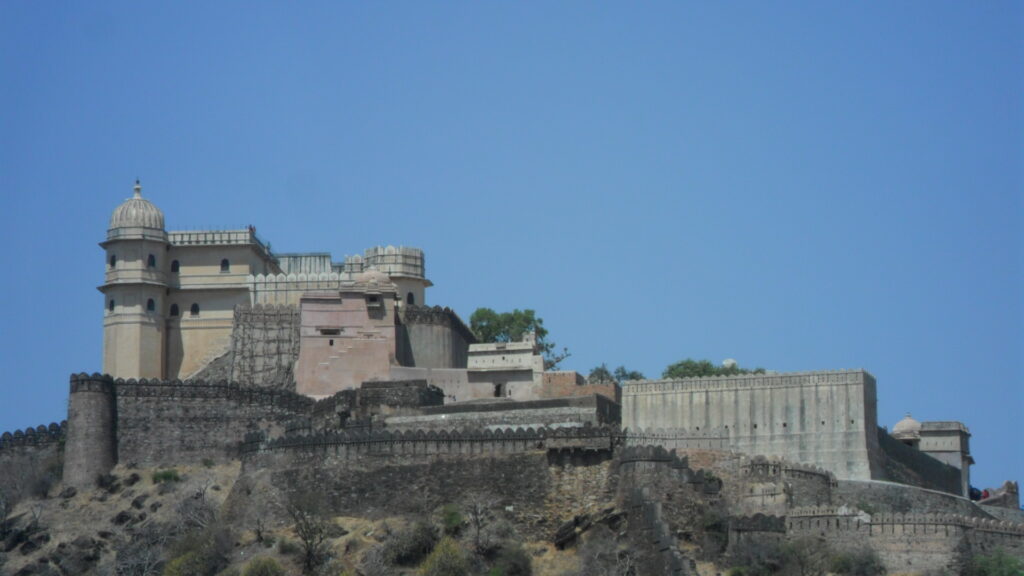 Feature · CultureKumbhalgarh: The Fort Behind the Great Wall of IndiaTwo hours north of Udaipur, a 15th-century fortress crowns a ridge of the Aravalli hills behind 36 kilometres…October 8, 2026
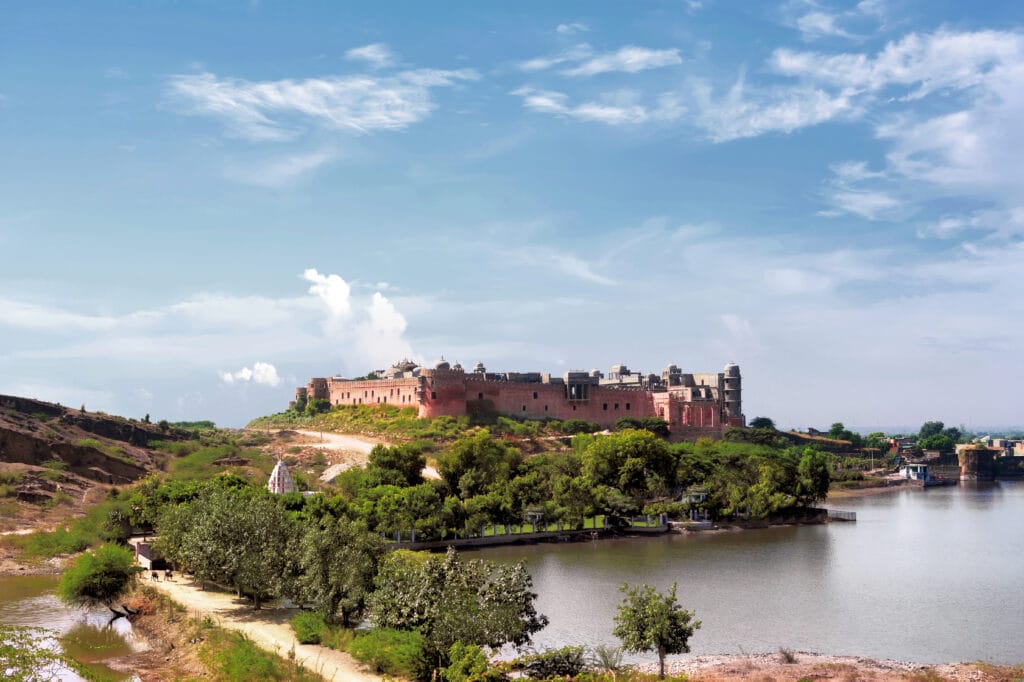 News · TravelSix Senses Fort Barwara Opens in RajasthanA decade-long conservation project turns a 14th-century Rajasthani fort.October 15, 2021
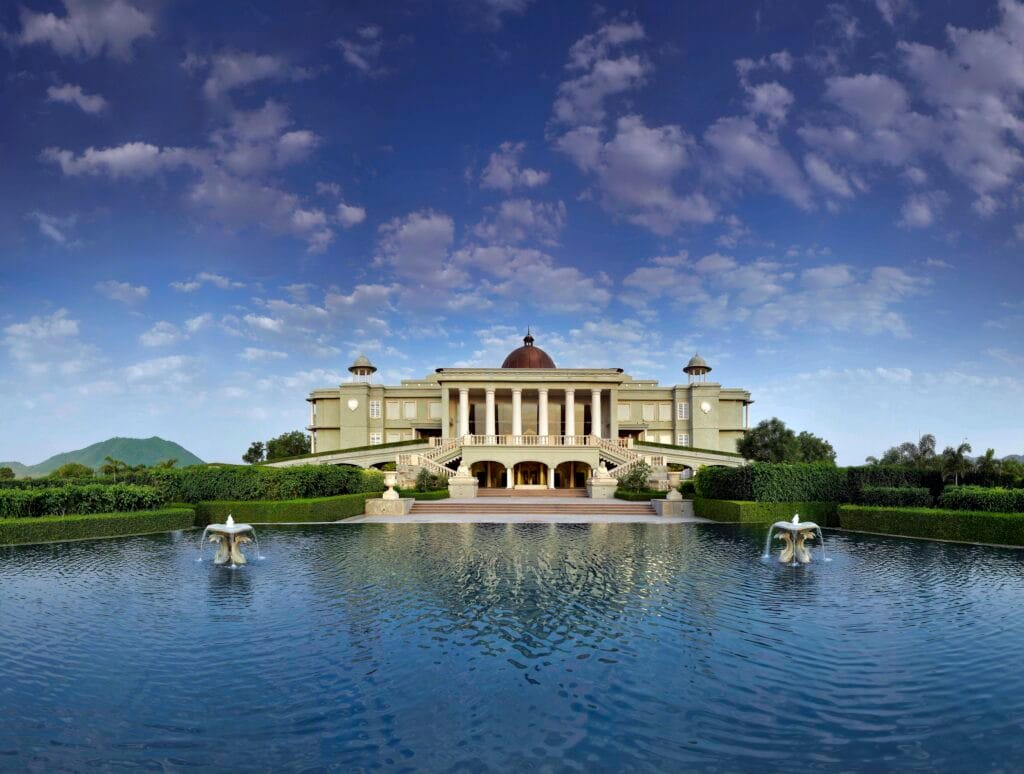 News · TravelRaffles Udaipur Opens as India’s First RafflesAccor brings the Raffles name to India with 101 rooms and suites on a 21-acre private island in Udai Sagar lake.August 4, 2021